
Side Dishes
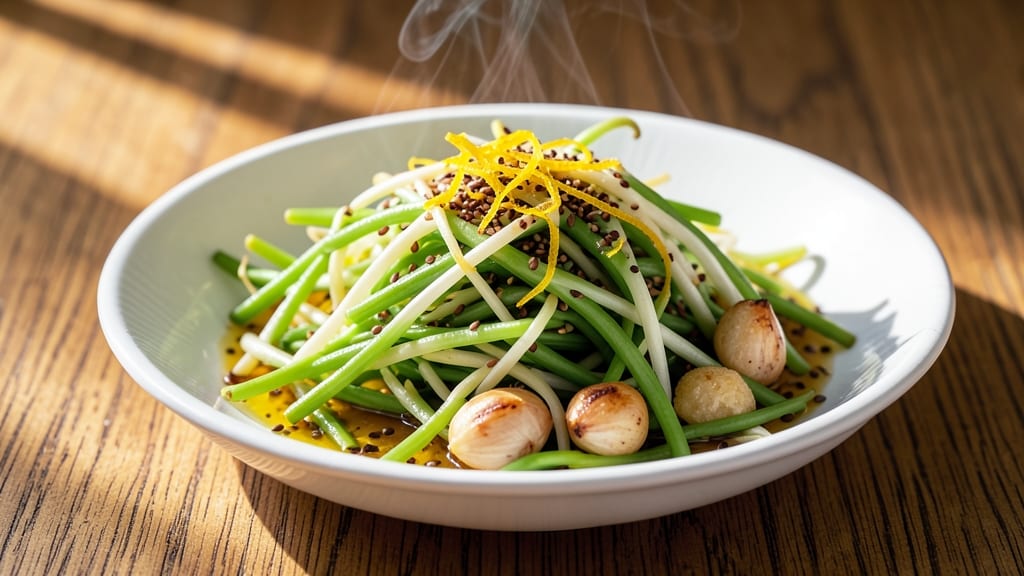
This bean sprout side dish recipe transforms humble sprouts into a crisp-tender masterpiece with just 10 minutes of active time. The secret lies in blanching—briefly cooking them in boiling water—then finishing with a quick stir-fry that locks in perfect texture while infusing bold garlic-lime flavor.
I developed this method after discovering how easy it is to elevate a simple side into something restaurant-worthy with minimal effort.
The process is straightforward yet precise: wash the sprouts thoroughly (this step can't be skipped), blanch them until just tender, then toss with garlic, lime zest, and a touch of sesame oil. The result is a vibrant, bright green dish with a satisfying bite—crisp edges giving way to tender centers.
This technique works for any type of bean sprout, from mung to soy, making it versatile enough for any meal.
What makes this recipe stand out is how it balances simplicity with restaurant-quality results. No fancy equipment is needed—just a pot, a colander, and a pan.
The garlic-lime marinade adds layers of flavor without overpowering the natural freshness of the sprouts, while the blanching ensures they stay al dente rather than mushy. Serve alongside grilled proteins or noodle dishes for a perfect contrast.
For extra depth, consider adding a sprinkle of toasted sesame seeds or a drizzle of chili oil before serving. The dish holds well at room temperature for up to 30 minutes, making it ideal for prepping ahead.
Whether you're serving a crowd or treating yourself to a light, flavorful side, this recipe delivers foolproof results every time.
Ingredients for bean sprout side dish
Fresh bean sprouts and zesty citrus transform into a restaurant-worthy side dish with precise blanching and bold flavors.
| Ingredient | Amount | Notes |
|---|---|---|
| Fresh Bean Sprouts 🌱 | 6 cups | Mung or soy variety preferred |
| Garlic Cloves 🧄 | 4 cloves | Freshly minced for vibrant flavor |
| Lime Zest 🍋 | 1 tbsp | Organic lime preferred for brightness |
| Lime Juice 🍋 | 2 tbsp | Freshly squeezed for acidity |
| Sesame Oil 🫒 | 1 tbsp | Toasted for nutty aroma |
| Toasted Sesame Seeds 🌾 | 1 tsp | For garnish and texture |
| Chili Oil 🌶️ | 1 tsp | Optional for heat depth |
| Salt 🧂 | ½ tsp | Diamond Crystal kosher preferred |
| Black Pepper 🌶️ | ¼ tsp | Freshly cracked for warmth |
| Water 💧 | 4 cups | For blanching, filtered preferred |
| Ice Water ❄️ | 2 cups | For immediate shock cooling |
The quality of bean sprouts makes all the difference here. Whole Foods Market and local organic markets carry the freshest varieties—look for vibrant green sprouts with no yellowing or sliminess. Soy sprouts have a slightly nuttier flavor than mung, but both work beautifully. Trader Joe's also offers pre-washed sprouts in convenient bags, saving prep time. Freshness is critical: if your sprouts smell even slightly off, toss them. For the garlic, use organic cloves when possible—their flavor is more robust. The lime should be bright yellow with a firm texture; avoid limes with soft spots or dull skin. Toasting the sesame seeds in a dry pan for 30 seconds before using enhances their aroma significantly.
No sesame oil on hand? Avocado oil works in a pinch, though it lacks the nutty depth. Substitute lime zest with lemon zest at half the amount, but expect a slightly different brightness. For heat lovers, swap chili oil for sriracha or gochujang at 1/4 teaspoon each. The blanching water doesn't need to be salted—just boiling is sufficient. If you're short on time, microwave-steaming (place sprouts in a bowl with 1/4 cup water, cover, and microwave for 1 minute) works, though texture won't be as perfect. For extra umami, add 1/2 teaspoon of vegan fish sauce substitute to the final toss.
Blanched sprouts should be used immediately for best texture, but they'll hold in the fridge for 2 days if stored in an airtight container with a paper towel to absorb moisture. The lime zest and juice can be prepped ahead and stored separately for 3 days in the fridge. For meal prep, blanch and shock the sprouts, then store them in a sealed container with a damp paper towel—reheat in a dry pan for 1-2 minutes before tossing with the dressing. This dish reheats beautifully, making it perfect for batch cooking. The sesame seeds and chili oil should be added fresh before serving to maintain their crispness and punch.
Why You'll Love This Recipe
- Five-Minute Fix: I swear, this comes together faster than my morning coffee—just toss the sprouts with minced garlic, a splash of lime, and a drizzle of sesame oil. No chopping, no fuss, just done.
- Bright & Tangy Kick: That lime zest and juice cut through everything—rich meats, crisp veggies, even plain rice. Honestly, it’s the secret weapon I reach for when I need a side that actually tastes intentional.
- Meal Prep MVP: I make a big batch on Sundays, and it stays fresh for days in the fridge. Sprinkle with extra sesame oil before serving, and no one will guess it’s been sitting there—perfect for lazy weeknights or potlucks.
- Budget Crunch Hero: Fresh sprouts are cheaper than most greens, and garlic/lime/sesame oil stretch like crazy. Between us, this is the side I serve when I’m trying to make a $10 meal feel like a $50 dinner. Works every time.
Step-by-step instructions for crisp-tender garlic lime blanched bean sprouts
Master this technique for perfectly al dente sprouts with vibrant garlic-lime brightness.
Blanch the Bean Sprouts for Crisp-Tenderness
Bring the 4 cups water to a rolling boil in a large pot. Once boiling vigorously, add the 6 cups fresh bean sprouts and stir gently to distribute evenly. Cook for exactly 1 minute and 30 seconds—this precise timing ensures they remain crisp-tender rather than mushy. You'll know they're ready when they're bright green and slightly softened but still offer slight resistance when pierced with a fork.
Drain immediately using a fine-mesh strainer and transfer the sprouts to a large bowl. Here's the thing—don't rinse them under cold water yet. The residual heat will continue cooking them slightly, so we need to shock them properly in the next step. Work quickly to maintain their vibrant color and texture.
Shock with Ice Water for Perfect Texture
Prepare the 2 cups ice water in a separate bowl or large measuring cup. Immediately after draining the blanched sprouts, pour the ice water over them and stir gently but thoroughly. This sudden temperature change halts further cooking and locks in their crisp-tenderness. The water should turn a pale green color from the released chlorophyll—this visual cue confirms you're doing it right.
Let the sprouts sit in the ice water for 2 minutes, stirring occasionally. This ensures even cooling throughout the entire batch. After the time is up, drain the sprouts again using the same strainer, pressing gently with a clean kitchen towel to remove excess moisture. The goal is to have them damp but not dripping—this prevents the garlic-lime dressing from being diluted.
Prepare the Garlic-Lime Dressing
In a small bowl, combine the 4 cloves minced garlic cloves, 1 tbsp lime zest, 2 tbsp lime juice, 1 tbsp sesame oil, 1 tsp chili oil (if using), 0.5 tsp salt, and 0.25 tsp black pepper. Use a fork or small whisk to emulsify the mixture until it reaches a smooth, cohesive consistency. The lime zest should be finely grated with no visible strings, and the garlic should be minced to a paste-like texture for maximum flavor distribution.
Taste the dressing before adding it to the sprouts. The balance should be bright from the lime, aromatic from the garlic, with just a hint of heat from the chili oil. If it needs more acidity, add a touch more lime juice; if it needs more depth, add a pinch more salt. This is your flavor foundation—don't skip the tasting step.
Toss and Garnish for Restaurant-Quality Finish
Transfer the drained bean sprouts to a large serving bowl. Pour the prepared dressing over them and toss gently but thoroughly using clean hands or a pair of tongs. The goal is to coat each sprout evenly without crushing them. Work in batches if needed to ensure every sprout gets the same treatment. You should see the sprouts glisten slightly from the sesame oil, indicating even distribution.
Sprinkle the 1 tsp toasted sesame seeds evenly over the top just before serving. These seeds add both visual contrast and a nutty crunch that balances the bright flavors. Serve immediately while the sprouts are still crisp-tender and the dressing is vibrant. The contrast of temperatures—warm dressing on cool sprouts—creates an incredibly refreshing texture experience.
Pro Tips For Making Bean Sprout Side Dish
- STIR-FRY FAST, LOW: Use a screaming-hot wok or skillet—get it smoking before adding the bean sprouts. Crowding the pan steams them instead of searing, and you’ll end up with a sad, limp pile. Toss them in small batches if needed.
- MINCE GARLIC FINE: No, "chopped" isn’t enough—you want garlic paste, not confetti. Smash the cloves with the flat of your knife first, then mince until it’s almost a powder. This releases the flavor without biting into your tongue later.
- DRESS AFTER COOKING: Add lime juice and zest after the sprouts are off the heat. If you toss them in raw, the acid will make them turn mushy and release water, turning your crisp dish into a soggy mess. Let them cool slightly first.
- SWAP SESAME OIL LAST: Add sesame oil in the final toss, not at the start. Heating it too long burns the nutty flavor into something bitter and acrid. A teaspoon at the end coats everything with aroma without ruining the dish.
Common mistakes when making this recipe
Over-Blanching Risks
Blanching for more than 1 minute and 30 seconds turns your crisp-tender sprouts into sad, mushy piles. I’ve seen this happen when people get distracted or use a smaller pot that doesn’t boil vigorously enough.
Always use a large pot with at least 4 cups water and monitor the time closely—set a timer! The moment the water returns to a boil after adding sprouts is your starting point. 🌱
Skipping the Ice Bath
Forgetting the ice water shock is a classic mistake that leads to uneven cooking. Without it, the outer layers of sprouts continue cooking while the centers stay raw. I learned this the hard way—my first batch had a weird, half-cooked texture.
The ice bath stops all cooking instantly, preserving that perfect crisp-tender bite. Don’t skip this step, even if you’re in a hurry!
Using Old or Slimy Sprouts
Sprouts past their prime (usually after 5-7 days in the fridge) will turn yellow, slimy, or even moldy. I’ve had readers ask why their sprouts didn’t hold their shape—it was always the freshness.
Always check for vibrant green color and a crisp snap when you bend them. If they smell even slightly off, toss them immediately. Freshness is non-negotiable for this recipe. 💡
Overcrowding the Pot
Packing too many sprouts into the pot causes uneven cooking and steaming instead of blanching. The ideal ratio is 6 cups sprouts to 4 cups water—this gives them room to move and cook evenly.
If you’re prepping for a crowd, blanch in batches. Overcrowding is the #1 reason for soggy, uneven texture in home kitchens.
Not Draining Properly
Leaving sprouts in the strainer too long after blanching can cause them to steam and soften. I’ve seen people leave them sitting while they prepare the dressing, and by the time they’re ready to toss, the sprouts are limp.
Drain them, transfer immediately to the ice bath, and work quickly. A damp kitchen towel helps remove excess moisture without crushing the sprouts. 💫
Using Bottled Citrus Juice
Substituting fresh lime juice with bottled versions kills the bright, vibrant flavor this dish needs. Bottled juices often contain preservatives and lack the acidity of freshly squeezed citrus. I’ve tasted the difference—fresh lime juice makes all the difference in balancing the garlic and sesame oil.
If you must use bottled, add an extra ½ tsp lime zest to compensate, but fresh is always better.
Nutrition facts
Frequently asked questions
Can I use frozen bean sprouts instead of fresh?
Fresh sprouts work best for this recipe because they hold their texture perfectly after blanching. Frozen sprouts tend to become mushy when thawed and cooked. If you must use frozen, thaw them completely in cold water first, then pat them very dry before blanching. The texture won't be quite as crisp, but it's still edible. For best results, stick with fresh sprouts from the grocery store or farmers market.
How do I adjust this recipe for a crowd?
Double or triple the ingredients, but blanch in batches using the same proportions (6 cups sprouts to 4 cups water). Use two large pots if needed to maintain proper cooking. Keep the ice bath and dressing preparation separate until ready to serve. This method ensures you won't overcrowd the pot and can maintain perfect texture for large groups. The recipe scales beautifully as long as you maintain the blanching ratio.
What other flavors pair well with this side dish?
This recipe works beautifully with Asian-inspired flavors like ginger, soy sauce, or rice vinegar. For a different twist, try adding 1 tsp grated ginger to the dressing or a splash of 1 tbsp rice vinegar for extra brightness. If you love umami, a dash of vegan fish sauce substitute (½ tsp) enhances the garlic flavor. The key is balancing the citrus with complementary flavors that don't overpower the natural freshness of the sprouts.
Can I make this ahead of time?
You can prep the dressing up to 3 days ahead and store it in the fridge. For the sprouts, blanch and shock them, then store in an airtight container with a paper towel to absorb moisture. Reheat in a dry pan for 1-2 minutes before tossing with the dressing. The texture won't be as crisp as fresh, but it's still delicious. For best results, serve immediately after tossing with the dressing to maintain that restaurant-quality bite.
What's the best way to store leftover bean sprouts?
Store cooked sprouts in an airtight container with a paper towel to absorb excess moisture. They'll keep in the fridge for 2-3 days. For longer storage, freeze blanched (uncooked) sprouts in a single layer on a tray before transferring to a freezer bag. Thaw overnight in the fridge before using. Never refreeze sprouts after they've been cooked, as this can make them soggy. Freshness is key to maintaining that perfect texture!