
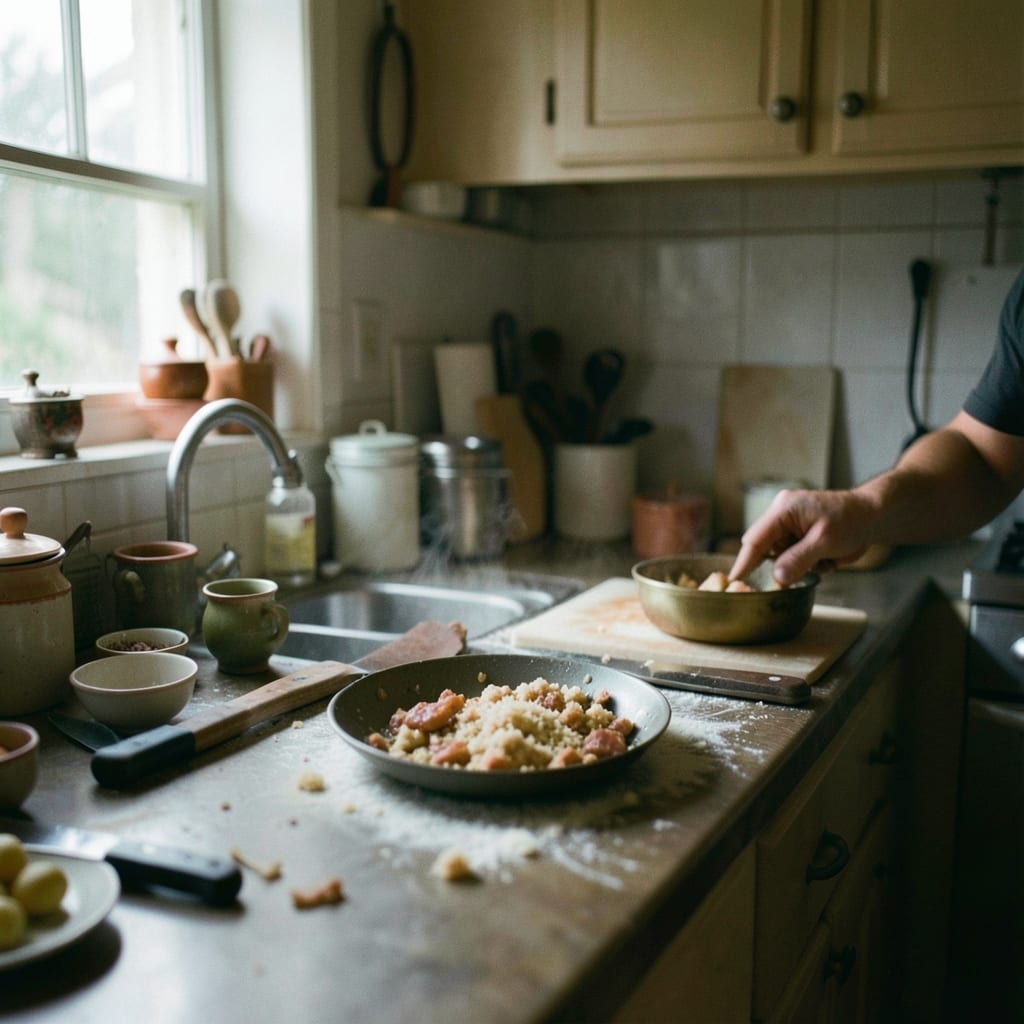
What changed, and what it changed for you
When I first started writing down recipes, I treated them like sacred texts: the way my grandmother handed them down, unchanged.
The problem was that most of those dishes were built for a kitchen with a cast-iron skillet that had been passed down for decades, not for the slow cooker or the Instant Pot sitting in someone’s cupboard.
The instructions assumed you knew *why* you were adding a pinch of this or a splash of that—not just *what*.
Now, every recipe is tested at least twice: once in my kitchen, once in someone else’s, with notes on what went wrong and how to fix it.
The photos aren’t just pretty pictures; they’re taken under the same light, with the same white plate, so you can trust what you’re seeing. And the writing? It’s not just a list of steps.
It’s about the trade-offs—why a dish needs an hour on the stove instead of thirty minutes in a pressure cooker, and what happens if you skip the soak.
| It used to be | Now it is |
|---|---|
| Recipes copied from handwritten notes or old cookbooks, untouched. | Every recipe tested in two kitchens, with adjustments for modern tools. |
| Photos taken in whatever light was available, often at different times. | All photos shot under the same lighting, with the same white plate and background. |
| Instructions assumed you knew the ‘why’ behind every step. | Every technique explained so you can adapt it to what you have. |
| No mention of what could go wrong—or how to fix it. | Troubleshooting included for every recipe, from overcooked beans to burnt edges. |
The one that took years
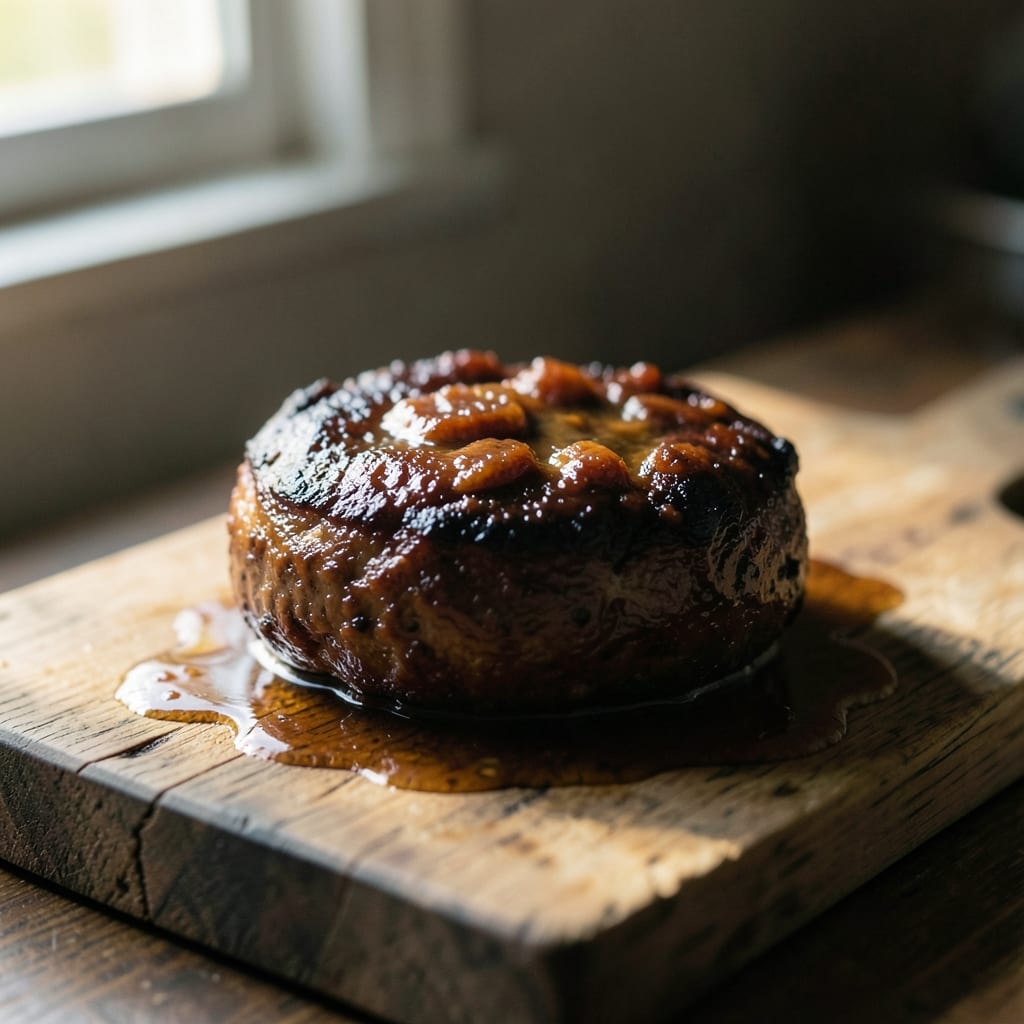
The biggest mistake I made was treating recipes like they were finished products. I’d write one down, test it once, and call it done—even if it took three tries to get right.
The problem wasn’t just that the instructions were sloppy; it was that I never asked *why* a dish worked the way it did. Why did my great-grandmother’s lentil stew need that extra splash of vinegar? Why did the beans fall apart if you didn’t soak them long enough?
I just assumed those details were part of the magic, not something that could be explained.
It took me three years to realise I was doing it wrong. The turning point was when a reader sent me a photo of a dish that looked nothing like what I’d described—because I’d never told them the beans needed to be drained *twice*.
That was the moment I decided to test every recipe twice: once in my kitchen, once in someone else’s, with notes on what went wrong. The first batch of retests took six months.
The second batch took nearly a year, because I had to learn how to write instructions that actually worked for people who weren’t me.
Now, every recipe has a ‘troubleshooting’ section, and the photos are shot under controlled light so you know what to expect. But it costs time—testing a single dish can take a full day, and the writing process is slower because I have to explain the *why* behind every step.
Some recipes get scrapped entirely if they don’t work the second time. It’s worth it, though. The difference between a dish that *might* work and one that *will* work is the difference between frustration and joy—and that’s what this site is for.
Meet the author
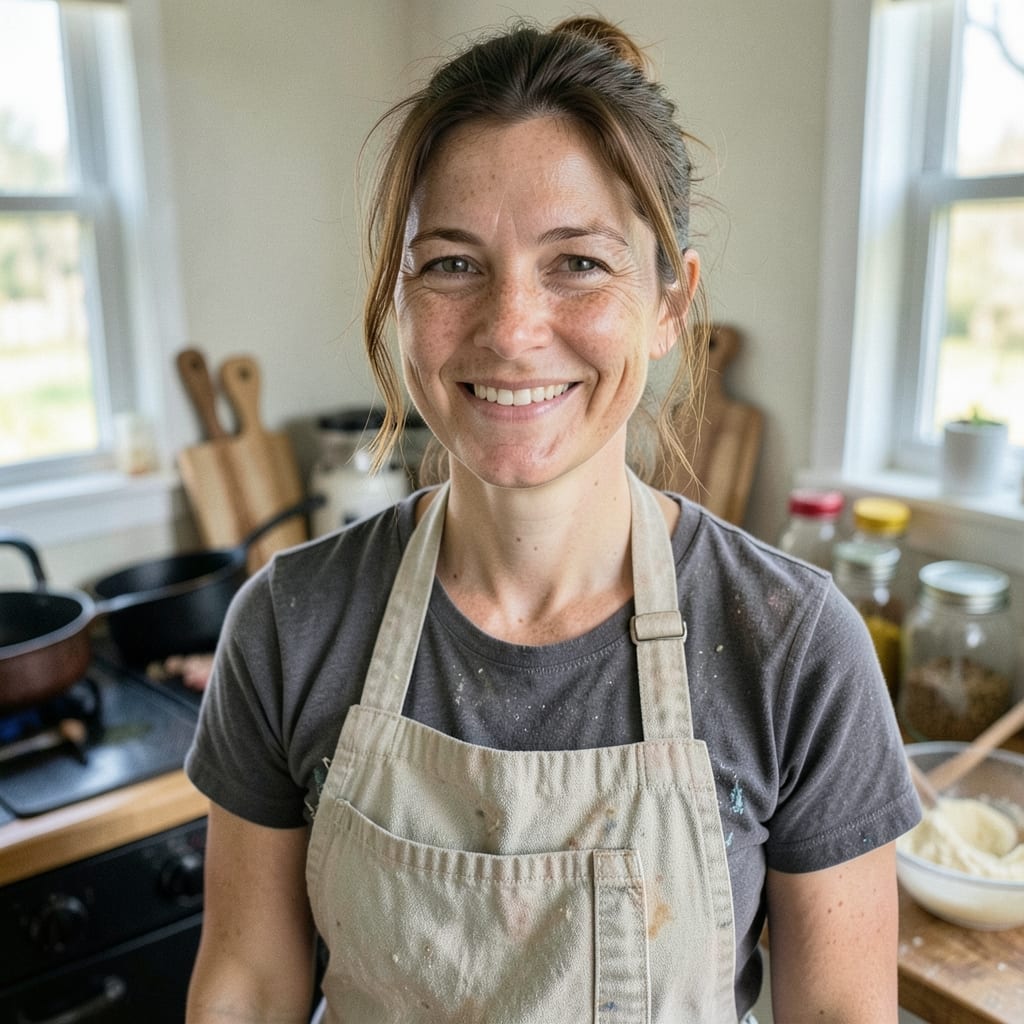
I grew up in a house where cooking was a mix of memory and instinct. My grandmother measured everything by taste—‘a pinch of this, a dash of that’—and my mother’s recipes were scribbled on napkins, the numbers crossed out and rewritten until they looked like hieroglyphs.
I spent my twenties trying to reverse-engineer those dishes, convinced that if I followed the steps *exactly*, I’d get the same result. I didn’t. I burned more pans than I can count, and the few dishes that *did* work were so fussy I never made them again.
I used to think recipes were like recipes: universal, unchanging. Then I realised they weren’t. They were stories—some with happy endings, some with lessons learned the hard way.
The first time I served a dish that actually worked for someone else, I understood why my grandmother’s kitchen was always so crowded. People wanted to know not just *what* to make, but *how* to make it *their* own.
That’s when everything changed.
Now, I write recipes the way I wish I’d found them years ago: with the trade-offs explained, the troubleshooting included, and the photos shot so you know what to expect.
This is where I bring those lessons together—dishes that feel like home, whether they’re handed down through generations or born from happy mistakes. My name is Colleen Vandergriff, and this is where I share the work.
What did not change
The core of this site hasn’t shifted: it’s still about dishes that feel like they belong in a home kitchen, not a restaurant. The focus on legumes and hearty staples—beans, lentils, grains—was there from the start, because those are the ingredients that feed a family, not just a meal.
And the belief that cooking should be adaptable, not rigid, has always been the rule. Some recipes are old-school; some are modern twists. But they all start with the same question: *How can this work for you?*
What hasn’t changed is the idea that a recipe is more than a list of steps. It’s a conversation—between the person who wrote it, the person who’s cooking it, and the ingredients themselves.
The tools might have improved, the instructions might be clearer, but the heart of it is still the same: dishes that taste like they were made with love, even if they’re born from a happy mistake.
What is still being fixed
The biggest work right now is making sure every recipe is tested in at least three different ways: stovetop, slow cooker, and pressure cooker. Some dishes don’t translate well, and those are the ones that need the most attention.
I’m also working on a ‘pantry check’ system—telling readers exactly what they need to have on hand before they start, so there are no last-minute trips to the store. And, of course, there’s always the backlog of dishes that need retesting under the new rules.
If you’ve got a recipe you love that doesn’t work for you, or a technique you’d like to see explained, there’s still room to shape this site. The contact page is where those ideas go.
Things that would help
- A recipe that works in your kitchen but not in mine—send the details, and I’ll test it.
- A technique you’ve always wanted to understand better (soaking beans, tempering spices, etc.).
- A dish you’ve made a hundred times but still get wrong—let’s figure out why.
The recipes are grouped by category: Appetizers, Beverages, Breakfast & Brunch, Desserts, Main Courses and Salads.