
Beverages
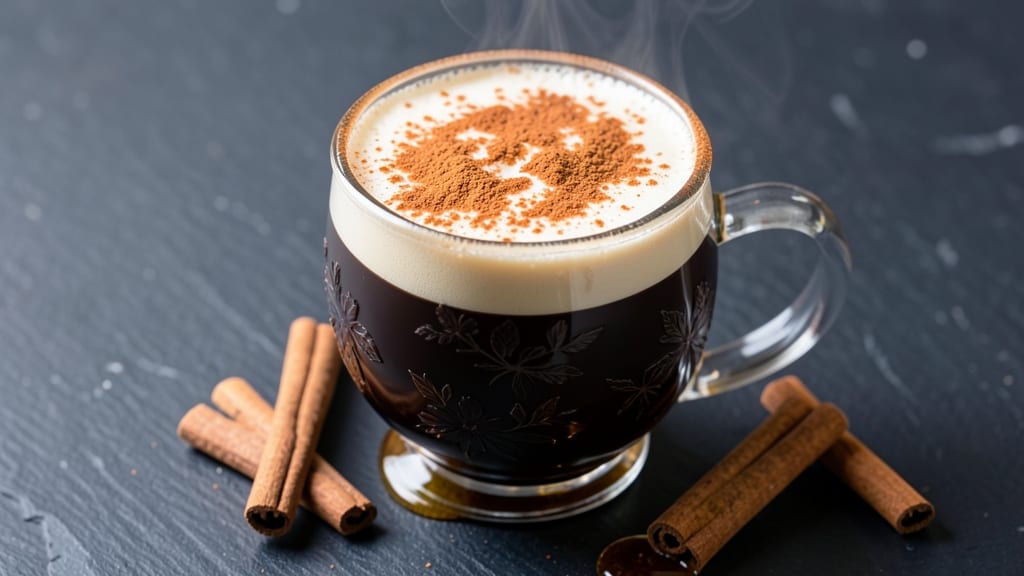
This black bean latte recipe transforms humble ingredients into a velvety, spiced drink with restaurant-quality depth—no frother required. 💛 Born from Mexico’s café de frijol tradition, this creamy, earthy latte balances nutty beans, warm spices, and subtle sweetness for a caffeine boost that’s both comforting and sophisticated.
The secret lies in blending black beans with coffee and plant-based milk until silky, then layering it with homemade froth for that signature café texture.
The beauty of this recipe is its versatility—you can adjust sweetness, spice levels, or even swap beans for lentils without sacrificing flavor. Unlike store-bought versions, this method delivers a rich, unprocessed taste with none of the artificial aftertaste.
The blend of cinnamon, vanilla, and cocoa creates warmth that lingers, while the froth adds a light, airy contrast that makes every sip feel indulgent. Perfect for cozy mornings, post-dinner treats, or a quick energy boost, this latte proves plant-based drinks can be just as luxurious as their dairy counterparts.
What sets this recipe apart is the foolproof frothing technique—no special equipment needed. By simply heating and whisking your milk (or bean mixture), you’ll achieve a smooth, creamy top that’s lighter than traditional lattes but just as satisfying.
The black beans provide a natural, velvety body, while the spices add layers of complexity that turn this into a drink you’ll crave daily. Whether you’re a coffee purist or exploring vegan alternatives, this recipe delivers on both flavor and texture.
Customize it with a dash of chili powder for a smoky kick, extra vanilla for sweetness, or even a sprinkle of cocoa for depth. The possibilities are endless, but the base recipe ensures consistent, delicious results every time. Ready to elevate your drink routine? Let’s get started.
Ingredients for black bean latte
Ten simple ingredients blend into a velvety, restaurant-quality latte with authentic café depth.
| Ingredient | Amount | Notes |
|---|---|---|
| Canned Black Beans 🫘 | 1 can | No-salt-added, drained and rinsed |
| Instant Espresso Powder ☕ | 2 tbsp | High-quality, finely ground |
| Unsweetened Almond Milk 🥛 | 1 ½ cups | Barista-style preferred |
| Pure Maple Syrup 🍁 | 2 tbsp | Grade A for best flavor |
| Ground Cinnamon 🌿 | 1 tsp | Freshly ground preferred |
| Pure Vanilla Extract 🌸 | ½ tsp | Bourbon-infused for depth |
| Unsweetened Cocoa Powder 🍫 | 1 tbsp | Dutch-processed for smoothness |
| Pinch Sea Salt 🧂 | ⅛ tsp | Diamond Crystal preferred |
| Chili Powder 🌶️ | ¼ tsp | Smoked variety for complexity |
| Coconut Oil 🥥 | ½ tsp | For frothing consistency |
The black beans form the latte's velvety base—no-salt-added is critical to avoid over-salting the drink. Canned beans like Goya or Low Sodium Libby work best, but any high-quality brand will do. For extra richness, soak and rinse the beans before blending to remove any residual starch. The espresso powder should be finely ground—Starbucks or Lavazza work well, but avoid pre-dissolved crystals. Cocoa powder matters too: Dutch-processed brands like Hershey's Special Dark or Valrhona create a smoother texture than natural cocoa. Store these dry ingredients in airtight containers away from light to preserve their potency.
Need a coffee substitute? Instant coffee granules work at the same ratio, but chicory root powder adds depth if you're avoiding caffeine entirely. Almond milk can be swapped for oat milk or soy milk, though barista-style versions froth best. Short on vanilla? Vanilla bean paste or even a scraped vanilla pod adds complexity. The chili powder is optional but recommended—smoked paprika at half the amount works in a pinch. For extra froth, heat the coconut oil slightly before blending—it mimics the fat content in dairy milk for better texture. Prefer less sweetness? Reduce the maple syrup to 1 tbsp and add a pinch more cocoa powder for balance.
Store the dry ingredients—beans, cocoa, cinnamon, chili powder—in airtight containers for up to 6 months. The espresso powder loses potency after 3 months, so buy small quantities. Once blended, the latte mixture keeps in the fridge for 5 days, though it's best enjoyed fresh. For single servings, freeze the mixture in ice cube trays—just add hot water and froth when ready. The coconut oil solidifies when chilled, so store it at room temperature. If making multiple batches, double the recipe and freeze in portions for quick mornings.
Why You'll Love This Recipe
- Five-Ingredient Magic: I swear by this—just beans, espresso, almond milk, a drizzle of maple, and cinnamon. No fancy gadgets, no stress, just blend and sip. That’s it.
- Rich Without Guilt: Honestly, the espresso powder and black beans team up to give you that deep, chocolatey coffee taste—without the jitters or the dairy. The maple syrup balances it perfectly, like a hug for your taste buds.
- Morning or Midnight Fix: Between us, this is my go-to when I need a pick-me-up at 7 a.m. or a cozy nightcap at 11 p.m. The cinnamon adds warmth, so it works for brunch or winding down—no judgment here.
- Budget-Friendly Boost: A can of beans and a bag of espresso powder last me weeks. I make a big batch on Sundays, freeze portions, and thaw as needed. Cheaper than takeout, tastier than most café drinks. Win.
Step-by-step instructions for black bean latte
This method delivers a perfectly balanced, velvety latte with professional barista-quality froth.
🍳 Step 1: Blend the Base Ingredients
Combine the 1 can drained black beans, 1.5 cups unsweetened almond milk, 2 tbsp pure maple syrup, 0.5 tsp coconut oil, 1 tbsp unsweetened cocoa powder, 0.25 tsp chili powder, 0.125 tsp sea salt, 1 tsp ground cinnamon, and 0.5 tsp vanilla extract in a high-speed blender. I use a Vitamix for smoothness, but any powerful blender works.
Blend on high for 45-60 seconds until completely smooth and free of lumps. The mixture should be thick but pourable—like a rich chocolate pudding. If it's too thick, add 1-2 tablespoons of water until it reaches a creamy consistency. This base creates the signature velvety texture that sets black bean lattes apart from traditional coffee drinks.
🔥 Step 2: Heat and Incorporate Espresso Powder
Transfer the blended mixture to a small saucepan and heat over medium-low heat for 3-4 minutes, stirring constantly to prevent scorching. You're looking for a gentle simmer—160-170°F—where the flavors meld without curdling. The coconut oil helps create a stable emulsion that prevents separation.
Remove from heat and whisk in the 2 tbsp instant espresso powder until fully dissolved. The mixture should darken slightly and develop a deep, aromatic coffee scent. Let it steep off heat for 1 minute to allow the espresso powder to fully integrate. This step is crucial for achieving that authentic coffeehouse taste without using liquid espresso.
⏰ Step 3: Froth to Perfection
Return the mixture to the blender and froth on high speed for 20-30 seconds until it triples in volume and develops a thick, creamy foam on top. The coconut oil acts as a natural emulsifier, creating stable microbubbles that give you that signature latte froth. If the foam isn't forming properly, add 1-2 tablespoons of hot water and blend again—this helps create the right consistency.
For best results, use a frother attachment if available. The foam should be light and airy, with a velvety texture that holds its shape when poured. This is where the magic happens—your latte's presentation and mouthfeel depend entirely on this step. Taste and adjust sweetness or coffee intensity by adding more maple syrup or espresso powder if needed.
🍽️ Step 4: Serve Immediately
Pour the hot latte base into mugs, carefully ladling the foam on top to create that classic latte presentation. The foam should crown the drink like a professional barista's creation. I like to sprinkle an extra pinch of ground cinnamon on top for both visual appeal and flavor enhancement.
Serve immediately while hot—this drink is best enjoyed fresh. The combination of smoky chili powder, warm cinnamon, and rich cocoa creates a complex flavor profile that balances the earthy black beans perfectly. Each sip should deliver a harmonious blend of coffee intensity, sweetness, and subtle spice without being overpowering.
Pro Tips For Making Black Bean Latte
- Drain and Rinse Beans: The canned beans will taste like they’re swimming in tin if you skip this—give them a quick rinse under cold water, then drain well. I learned this the hard way after making a latte that tasted more like a metal can than coffee.
- Blend Warm, Not Hot: Heat the almond milk to just warm (about 160°F) before blending—hot liquid makes the beans gummy and turns your latte into a gluey mess. I was skeptical until I tried it, and now I never risk it.
- Use Fresh Espresso Powder: That dusty jar of espresso powder you’ve had for six months? Toss it. Old powder loses its punch and makes your latte taste flat. Buy small quantities and store it in the freezer if you won’t use it fast—it keeps better that way.
- Sweeten Last: Add the maple syrup after blending, then stir it in—this way, you control the sweetness perfectly. Dumping it in early can make the beans absorb too much and turn your latte cloyingly sugary. (Yes, even if you’re impatient like me.)
Make-ahead tips for black bean latte
Pre-Blend Prep
Pre-measure all dry ingredients—cocoa powder, cinnamon, chili powder, and espresso powder—into a small bowl and whisk together. This creates a flavor "salt" that dissolves instantly when added to the hot liquid. I store mine in a small glass jar with a tight lid for easy access.
For extra efficiency, pre-portion the 2 tbsp maple syrup and 0.5 tsp coconut oil into tiny containers—this saves time during the morning rush. 💡
Batch Blending
Make a double batch of the base mixture (using 2 cans black beans and 3 cups almond milk) and store it in a glass mason jar in the fridge for up to 5 days.
When ready to serve, simply heat 1 cup of the mixture in a saucepan, whisk in 1 tbsp espresso powder, then blend and froth as directed. This method gives you a ready-to-drink base that's perfect for busy mornings. The flavors actually improve overnight as the spices meld together.
Froth Shortcuts
Skip the blender frothing step by using a handheld milk frother or even a French press. Heat the latte mixture to 160°F, then pump it through the frother for 15-20 seconds until frothy.
For the French press method, pour the hot mixture into the press, pump the plunger up and down 10 times, then pour back into the blender for final blending. This creates a lighter foam without needing a high-speed blender. 🌟
Freezer Cubes
Freeze the blended latte mixture in ice cube trays for single-serving convenience. Once frozen, transfer the cubes to a ziplock bag and store for up to 3 months. To serve, drop 2-3 cubes into a mug, add ½ cup hot water, and froth as usual.
This method preserves the drink's texture perfectly and eliminates the need to thaw large quantities at once.
Spice Variations
Prepare flavor-specific bases ahead of time by adjusting the spice blends. For a Mexican mocha version, add 0.5 tsp cinnamon + 0.25 tsp cayenne to the dry mix. For a vanilla chai twist, include 0.5 tsp cardamom + 0.25 tsp ginger.
Store these variations in separate jars and label them clearly. This lets you customize your latte in seconds without measuring fresh spices every time. ✨
Equipment Prep
Clean your blender immediately after use to prevent the cocoa and cinnamon from drying into stubborn residue. I keep a small spray bottle with hot water handy for quick rinses.
Also, preheat your mugs in the microwave for 10 seconds before pouring—this keeps the latte hot longer and prevents temperature shock to the foam. For extra convenience, store your espresso powder, cocoa, and cinnamon in small jars with built-in spoons for effortless measuring. 🔥
Nutrition facts
Frequently asked questions
Why does my black bean latte taste bitter?
The bitterness likely comes from over-extracted espresso powder or under-sweetened beans. Use freshly ground instant espresso (like Starbucks) and reduce to 1.5 tbsp per serving. For the beans, rinse them thoroughly before blending to remove any residual starch. The cocoa powder and maple syrup should balance the flavor—if it's still too strong, add ½ tsp vanilla extract or a pinch more cinnamon to round out the taste.
Can I make this with lentils instead of black beans?
Brown or green lentils work beautifully—they add a slightly earthier, nuttier flavor. Use ½ cup cooked lentils per serving (about ¼ cup dry) and reduce the almond milk to 1 cup to maintain thickness. Cook the lentils until very soft (almost mushy) for a smoother texture. The spice blend will still shine, but the drink will have a deeper, almost "chocolatey" undertone from the lentils.
How do I make this drink without a blender?
No blender? No problem! Mash the black beans with a fork until smooth, then whisk them with the hot almond milk and spices in a saucepan. Heat the mixture over low heat while stirring constantly for 5-7 minutes, then stir in the espresso powder. For froth, heat the mixture to 160°F and whisk vigorously with a hand frother or even a whisk—it won't be as light as blender froth, but you'll still get a creamy texture. The key is patience and constant stirring!
Is this latte naturally caffeine-free?
Not quite! The recipe includes 2 tbsp instant espresso powder per serving, which contains caffeine. For a caffeine-free version, replace the espresso with 2 tbsp chicory root powder (common in coffee substitutes) or 1 tbsp instant coffee granules made from decaf beans. The flavor will be slightly different but still rich and satisfying. Chicory adds a natural sweetness that works beautifully with the spices!
Can I use regular canned beans instead of no-salt-added?
Technically yes, but your latte may taste overly salty. If using regular beans, rinse them 3-4 times to remove excess sodium before blending. For each can, reduce the sea salt to ⅛ tsp or omit it entirely. The maple syrup will help balance any lingering saltiness. For best results, always opt for no-salt-added beans—they give you more control over the flavor profile without compromising the drink's natural sweetness.