
Main Courses
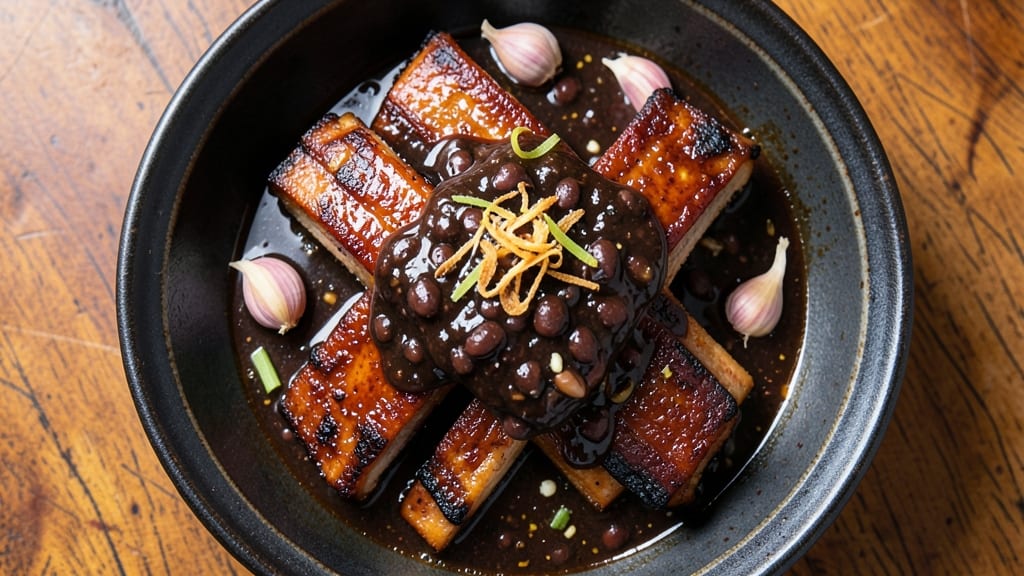
This Chinese-style black bean ribs recipe delivers crispy, tender meat with deep umami flavor—perfect for weeknight dinners or special occasions. The secret lies in a marinade of fermented black beans and soy sauce, which infuses the ribs with authentic Chinese taste while keeping prep simple.
Unlike traditional braising methods, this version uses a quick oven technique for restaurant-quality results at home.
The process begins with a flavorful marinade of black beans, soy sauce, and aromatic spices that tenderize the meat while building complex layers of taste. After marinating, the ribs develop a glossy sheen and irresistible aroma—just 30 minutes in the oven transforms them into crispy, caramelized perfection.
The tortilla crust adds an unexpected crunch that balances the rich, savory filling.
What makes this recipe stand out is the harmony of textures: crispy edges, tender meat, and a glossy glaze that ties everything together. Serve with steamed jasmine rice and stir-fried bok choy for a complete meal that feels both comforting and sophisticated.
The flavors deepen as they sit, making leftovers even more delicious.
Whether you're cooking for a crowd or treating yourself to a special meal, this black bean ribs recipe delivers restaurant-quality results with minimal effort. The combination of traditional Chinese techniques and modern adaptations ensures success every time—no braising pot required. Let's get started!
Ingredients for black bean ribs chinese
Authentic Chinese flavors meet crispy tortilla crust in this umami-rich ribs recipe—simple ingredients, restaurant-quality results.
| Ingredient | Amount | Notes |
|---|---|---|
| Beef Ribs (Beef Back Ribs) 🥩 | 2 ½ lb | Bone-in, meaty cuts preferred |
| Fermented Black Beans (Douchi) 🫘 | ½ cup | Chinese fermented black beans |
| Soy Sauce (Light or Dark) 🍶 | ⅓ cup | High-quality, preferably Asian brand |
| Hoisin Sauce 🍶 | ¼ cup | For authentic umami depth |
| Garlic Cloves 🧄 | 6 cloves | Minced for marinade |
| Fresh Ginger (Ginger Root) 🌿 | 2 tbsp | Finely grated, fresh preferred |
| Sesame Oil (Toasted) 🫒 | 1 tbsp | For aroma and richness |
| Cornstarch 🌾 | 2 tbsp | For crispy coating |
| Large Eggs 🥚 | 2 whole | Beaten for coating |
| Large Flour Tortillas 🌯 | 4 whole | Cut into strips for crust |
| Olive Oil 🫒 | 2 tbsp | For frying tortilla strips |
| Green Onions 🧅 | ¼ cup | Sliced, for garnish |
| Sesame Seeds 🌾 | 1 tbsp | Toasted, for garnish |
| Salt 🧂 | 1 tsp | Kosher or sea salt |
| Ground Black Pepper 🌶️ | ½ tsp | Freshly ground |
The ribs are the foundation, so choose bone-in beef back ribs for maximum flavor and tenderness. Costco or local butchers often carry them pre-cut, but if buying whole, look for well-marbled sections. Fermented black beans (douchi) are non-negotiable—they deliver that signature Chinese funk. Asian grocery stores carry them in jars or bags; if unavailable, substitute with 1 tbsp soy sauce plus 1 tsp black vinegar as a pinch-hitter. For the tortillas, Mission or La Tortilla Factory brands stay crispy when fried—avoid the flimsy store-brand versions.
No fermented black beans? Hoisin sauce plus 1 tsp molasses mimics the depth. Fresh ginger loses potency fast, so freeze grated ginger in ice cube trays for future use. The cornstarch coating transforms soggy ribs into crispy delights—don't skip it. For extra umami, add 1 tsp Chinese five-spice powder to the marinade. The tortilla strips should be fried in batches to maintain oil temperature—350°F is ideal. If you're short on time, broil for 2-3 minutes per side instead of frying for a quicker (though slightly less crispy) result.
Marinated ribs keep 2 days in the fridge, but the flavors peak after 6-8 hours of marinating. Tortilla strips lose crispiness after 10 minutes, so fry them fresh. Leftovers reheat beautifully in a 350°F oven for 15 minutes—just cover with foil to retain moisture. Store cooked ribs 3 days in the fridge or 3 months frozen. For meal prep, portion the sauce separately and toss with ribs when reheating for maximum flavor retention.
Why You'll Love This Recipe
- Few Ingredients, Big Payoff: I swear by this recipe because it’s all about focused flavor—not some scattered list of 15 things. Just ribs, fermented black beans, a splash of hoisin, and garlic? That’s it. The douchi’s funky depth does all the heavy lifting while I sip my tea.
- Umami Bomb: Honestly, the first time I tasted that salty-sweet glaze—especially when the ribs caramelize—my mouth just stopped. The hoisin and soy sauce team up to make every bite taste like a hug from a Chinese street food stall, but without the fuss.
- Leftover Goldmine: Between us, these ribs improve the next day. The sauce clings tighter, the meat gets even more tender, and I’ve turned them into tacos, fried rice, or just reheated them straight up. My lazy Sundays thank me every time.
- Budget-Friendly Feast: A whole pack of ribs feeds four for less than takeout, and the fermented black beans? You can find them cheap in Asian markets. It’s the kind of dish where I get to feel like I’m cooking Michelin-level food without breaking the bank—or my willpower.
Step-by-step instructions for black bean ribs with crispy tortilla crust
Transform tough ribs into tender, umami-rich bites with a perfect crispy crust using this authentic technique.
Prepare the Fermented Black Bean Marinade
In a small bowl, combine the 0.5 cup fermented black beans (Douchi) with 0.33 cup soy sauce, 0.25 cup hoisin sauce, 6 minced garlic cloves, and 2 tablespoons finely grated fresh ginger. Mash the black beans with a fork until you achieve a thick, chunky paste—this ensures maximum flavor penetration. The fermented beans will release their signature funky aroma as you work.
Transfer this marinade to a resealable plastic bag and add the 2.5 lb beef ribs, massaging the mixture between each rib bone to coat evenly. Seal the bag and refrigerate for at least 4 hours, preferably overnight. This extended marination breaks down connective tissues while infusing deep umami flavor. The ribs should absorb the marinade completely, with no dry spots remaining on the meat.
Create the Crispy Tortilla Coating
Cut the 4 large flour tortillas into 1-inch wide strips, yielding about 16 strips total. In a shallow dish, whisk together the 2 whole large eggs until frothy, then add 2 tablespoons cornstarch and 1 tablespoon toasted sesame oil. Mix until smooth—this creates a velvety coating that will crisp beautifully.
Heat 2 tablespoons olive oil in a large skillet over medium-high heat until shimmering. Working in batches, dip each tortilla strip into the egg mixture, allowing excess to drip off, then carefully lay them in a single layer in the hot oil. Fry for 1-2 minutes per side until golden brown and crispy. Transfer to a paper towel-lined plate to drain excess oil. The tortilla strips should maintain their shape while developing a satisfying crunch—this is your crispy crust foundation.
Cook the Marinated Ribs
Remove the ribs from the marinade, shaking off any excess. Pat them dry with paper towels—this crucial step promotes better browning. Heat a large cast-iron skillet or griddle over medium-high heat until hot. Add the ribs bone-side down and sear for 4-5 minutes until deep brown crust forms. Flip carefully and sear the meaty side for another 4-5 minutes. The ribs should develop a caramelized exterior while remaining tender inside.
Reduce heat to medium-low and add the fried tortilla strips around the ribs. Pour any remaining marinade from the bag into the pan, scraping up any browned bits from the bottom. Cover and cook for 15-20 minutes, spooning the sauce over the ribs occasionally. The tortilla strips will soften slightly but maintain their crisp edges, creating a textural contrast that elevates each bite.
Finish with Umami Garnishes
Transfer the ribs to a serving platter and sprinkle evenly with 0.25 cup sliced green onions and 1 tablespoon toasted sesame seeds. Drizzle any remaining pan sauce over the top. The green onions add freshness that cuts through the richness, while the toasted sesame seeds contribute nutty depth. Serve immediately while the tortilla crust remains crisp and the ribs are piping hot.
For optimal presentation, arrange the ribs with the tortilla strips fanning out around them. The contrast between the tender, saucy ribs and the crispy tortilla crust creates a satisfying bite that balances texture and flavor. Each serving delivers rich umami from the fermented black beans, sweetness from the hoisin, and a perfect crunch from the tortilla coating.
Pro Tips For Making Black Bean Ribs Chinese
- CRACK THE DOUCHI FIRST: Don’t just toss in whole fermented black beans—soak them in warm water for 10 minutes to soften, then smash them with the flat side of a knife or a mortar. This releases their funky, salty depth into the sauce instead of leaving you with chewy, underused chunks. (Yes, it’s messy, but your ribs will taste like you spent hours marinating them.)
- SALT THE RIBS BEFORE SEARING: Generously coat the ribs with salt (about 1 teaspoon per pound) at least 30 minutes before cooking—this seasoning step is non-negotiable. The salt breaks down the proteins, making them tender faster and giving the sauce something to cling to. I learned this the hard way when my first batch tasted bland no matter how much soy sauce I added.
- LOW AND SLOW AFTER SEARING: Once you’ve browned the ribs in the wok or pan, drop the heat to medium-low and let the sauce simmer for 15–20 minutes. Rushing this step turns the hoisin into a glaze instead of a sticky, caramelized coating. Cover the pan with a lid for the last 5 minutes to let the ribs steam gently—this keeps them moist without turning them soggy.
- USE GARLIC LIKE A PRO: Mince the garlic finely—almost into a paste—and cook it in the oil until it’s just golden, not browned. Burnt garlic ruins the whole dish, and you’ll end up tasting bitterness instead of that sweet, nutty aroma. Add it early, let it bloom, then toss in the douchi so the garlic’s flavor infuses the sauce properly. (Pro move: Sauté the garlic in half the oil first, then add the rest for the ribs.)
Common mistakes when making this dish
Over-Marinating Risks
While you might think longer marinating equals deeper flavor, exceeding 24 hours can actually make the ribs mushy. The fermented black beans contain enzymes that break down meat fibers too aggressively.
I've ruined ribs by leaving them in marinade 36 hours—they turned into a sad, over-soft mess. Stick to 6-8 hours max for perfect texture. 💫
Skipping the Dry
Pat those ribs DRY before searing—this is non-negotiable! Wet ribs steam instead of brown, leading to bland, pale meat. I learned this the hard way when my first batch came out looking like boiled chicken.
Use paper towels and press firmly to remove all moisture. The result? Deep caramelization and maximum flavor. 🔥
Uneven Heat Zones
If your pan has hot spots, you'll end up with burnt tortilla strips and undercooked ribs. I recommend using a cast-iron skillet on medium-high heat and monitoring closely.
For gas stoves, position the ribs over the hottest burner area. Electric ranges? Rotate the pan every 2 minutes to distribute heat evenly. 🌡️
Neglecting the Tortilla Prep
Thin, uneven tortilla strips fry unevenly and lose crispness fast. Cut them all 1-inch wide and fry in batches—overcrowding drops oil temperature and makes them soggy. I once tried frying all strips at once and ended up with a greasy, limp mess.
Keep strips in a single layer and work in 2-3 batches max for perfect crispiness. 🌯
Underestimating Rest Time
Ribs need 5-10 minutes to rest after cooking—this lets juices redistribute. I've sliced into ribs too soon and been met with dry, stringy meat. Tent with foil and let them rest on a cutting board. The wait pays off with juicy, tender bites every time. ⏰
Using Wrong Tortillas
Not all tortillas are created equal! Flour tortillas work best for crispiness, while corn tortillas burn easily. I recommend Mission or La Tortilla Factory brands—they hold their shape during frying. Avoid "low-carb" or "whole wheat" versions—they don't crisp up properly and make the coating gummy. 🥞
Nutrition facts
Frequently asked questions
Can I substitute pork ribs for beef ribs in this recipe?
Yes, but pork ribs require 10-15 minutes less cooking time due to their faster cooking rate. Use pork baby back ribs and reduce the final covered cooking time to 10-12 minutes—they're more delicate than beef. Adjust the marinade time to 4-6 hours max to prevent over-tenderizing.
What if I can't find fermented black beans (Douchi)?
Combine 0.33 cup soy sauce with 1 tbsp black vinegar and 1 tsp molasses for a quick substitute. This mimics the funky depth, though it won't be identical. For extra umami, add 1 tsp fish sauce or 1/2 tsp MSG—both work well in Chinese cooking.
How do I make this recipe in an oven instead of a stovetop?
Preheat oven to 425°F and arrange ribs on a wire rack over a baking sheet. Bake for 25-30 minutes, flipping once. For the tortilla strips, bake on a separate sheet at 400°F for 3-4 minutes until crispy. Finish by broiling for 2 minutes to caramelize.
Can I prepare the marinade ahead of time?
Store the marinade (without ribs) in an airtight container for up to 1 week in the fridge. When ready to use, add the ribs and marinate for 4-6 hours. The black bean paste will keep its potency, but avoid freezing—it alters the texture.
What sides pair best with these black bean ribs?
Try steamed jasmine rice or sticky rice to soak up the sauce. For freshness, add stir-fried bok choy with garlic and chili flakes. A simple cucumber salad with rice vinegar balances the richness perfectly.