
Main Courses
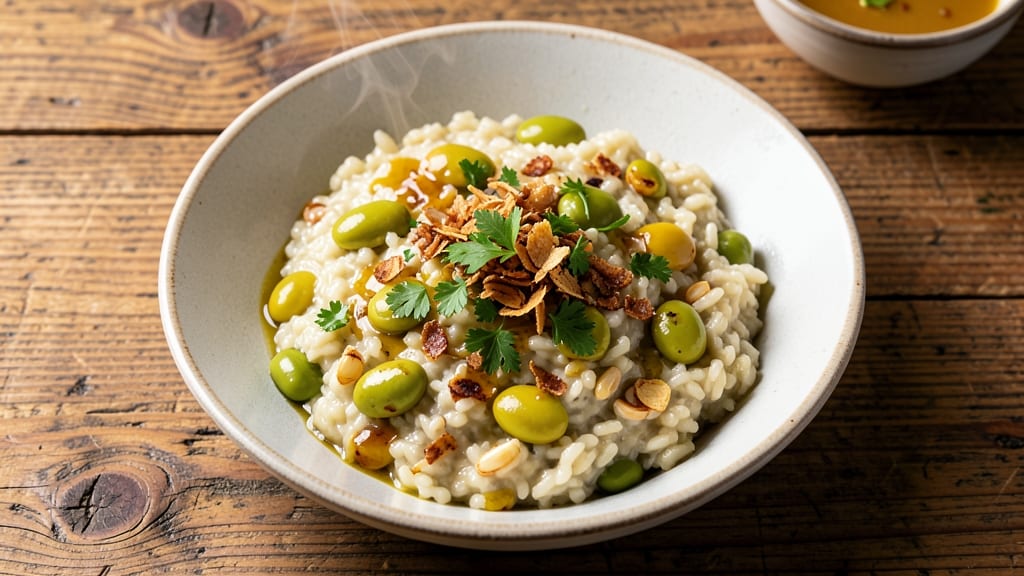
This broad bean risotto recipe transforms humble green beans into a luxurious, creamy dish with just the right amount of parmesan crunch. The secret lies in slow-cooked Arborio rice that absorbs flavor-rich vegetable broth while tender broad beans add earthy sweetness.
I've perfected this technique to ensure each grain stays al dente while developing that signature velvety texture.
The beauty of this risotto is its adaptability—vegetarian by nature, yet rich enough to satisfy even meat lovers. We'll use a classic rice-to-liquid ratio of 1:2, stirring constantly to release starches that create that signature creaminess.
The broad beans add a delicate sweetness that pairs beautifully with the nutty parmesan finish, making this dish feel both elegant and comforting.
What makes this recipe special is how it balances traditional risotto techniques with modern shortcuts. While we'll follow the essential method of toasting rice and gradual broth addition, I've included tips for pre-toasting the rice and using infused broth to save time without sacrificing flavor.
The result is a dish that's restaurant-quality yet simple enough for weeknight dinners.
Perfect for spring and summer when fresh broad beans are at their peak, this risotto also works beautifully with frozen beans in colder months. The dish comes together in about 30 minutes, making it ideal for entertaining or a special family meal.
Let's create this creamy, satisfying centerpiece that will impress everyone at your table.
Ingredients for broad bean risotto
Twelve ingredients transform simple beans into restaurant-worthy risotto with perfect al dente rice and velvety texture.
| Ingredient | Amount | Notes |
|---|---|---|
| Fresh Broad Beans 🌱 | 1 ½ cups | Trimmed and blanched for tender texture |
| Arborio Rice 🍚 | 1 ½ cups | Toasted for nutty flavor development |
| Vegetable Broth 💧 | 6 cups | Homemade or high-quality low-sodium |
| Extra-Virgin Olive Oil 🫒 | ½ cup | For toasting rice and finishing |
| Shallots 🧅 | 2 whole | Finely minced for aromatic base |
| Garlic Cloves 🧄 | 4 cloves | Minced for depth of flavor |
| Dry White Wine 🍷 | ½ cup | Sauvignon Blanc preferred |
| Parmesan Cheese 🧀 | 1 cup | Freshly grated, aged 24+ months |
| Butter 🧈 | 4 tbsp | Unsalted, cold for finishing |
| Fresh Thyme 🌿 | ¼ cup | Leaves only, chopped finely |
| Lemon Zest 🍋 | 1 tsp | Brightens the final flavor |
| Salt 🧂 | 1 ½ tsp | Diamond Crystal preferred |
| Black Pepper 🌶️ | ½ tsp | Freshly cracked for heat |
| Toasted Pine Nuts 🥜 | ¼ cup | Optional for crunchy finish |
The broad beans are non-negotiable for this dish—their earthy sweetness is what elevates it beyond standard risotto. Fresh is ideal, but frozen works in a pinch—just thaw and trim before blanching. For the best texture, blanch them for exactly 3 minutes before adding to the risotto. The Arborio rice should be toasted until golden—this develops the nutty flavor that's essential for authentic risotto. I always buy my Arborio from Whole Foods or Italian specialty stores, as the quality varies dramatically between brands. The vegetable broth should be rich and flavorful—homemade is best, but Pacific Foods or Imagine brands are solid shortcuts.
No white wine? Dry vermouth or additional broth works perfectly—just ensure it's dry enough to balance the richness. Fresh thyme is ideal, but dried thyme at one-third the amount is a fine substitute if you're short on time. The Parmesan should be aged at least 24 months for maximum umami depth—pre-grated gets clumpy, so grating your own from a wedge is worth the extra minute. For the butter, European-style unsalted like Plugrá melts more smoothly than American brands. The lemon zest might seem small, but it's what brightens the entire dish—use a fine grater for maximum surface area. Pine nuts are optional but add a lovely crunch; Costco's bulk section offers the best price per pound.
Risotto reheats beautifully—just add a splash of broth and warm through gently. Store leftovers in an airtight container for up to 3 days in the fridge, though I find it's best enjoyed fresh. The beans can be blanched ahead and stored in acidulated water for up to 2 days before adding to the risotto. For make-ahead convenience, toast the rice and store it separately until ready to cook. The finished dish keeps its creamy texture for 2-3 days when properly refrigerated, though the texture will be slightly firmer when reheated—just add a bit more broth to restore creaminess.
Why You'll Love This Recipe
- Fewer Ingredients, Big Payoff: I swear by this—just five core things (yes, even the shallots) and you’ve got a dish that tastes like you slaved over it. No hidden pantry raids, no last-minute grocery runs. The broad beans add that fresh, springy bite without extra fuss, and the Arborio rice does all the heavy lifting.
- Earthy, Creamy, Crispy: Between us, the slow-toast shallots in olive oil? Chef’s kiss. That nutty aroma seeps into the risotto while the broad beans stay tender-crisp. The broth builds that signature creamy texture, but the beans keep it bright—no heavy, boring mush here.
- Weeknight to Weekend: Honestly, this is my go-to when I need something impressive but not stressful. Toss in a handful of beans, stir occasionally, and boom—dinner’s ready. Leftovers? Reheat with a splash of broth, and it’s just as good the next day. (Yes, even on a Tuesday night.)
- Budget-Friendly Luxury: Arborio rice isn’t cheap, but broad beans stretch it further than you’d think. A single pod podded and shelled goes a long way, and vegetable broth keeps costs down without sacrificing flavor. It’s the kind of dish that makes frugal cooking feel special—no compromise.
Step-by-step instructions for broad bean risotto
Master this technique and you'll achieve creamy, al dente risotto with vibrant broad beans and nutty depth.
👨🍳 Step 1: Blanch and Prepare the Broad Beans
Trim the ends from the 1.5 cups fresh broad beans using a small paring knife, being careful to remove only the tough tips while preserving the tender pods. Bring a pot of salted water to a boil and blanch the beans for exactly 2 minutes - they should remain bright green but slightly softened when tested with a fork.
Immediately transfer the blanched beans to an ice bath to halt cooking and maintain their vibrant color. Once cooled, drain and pat them dry with paper towels. This preparation ensures they'll add texture and sweetness without becoming mushy during the risotto cooking process. Set them aside until needed.
🔥 Step 2: Toast the Arborio Rice and Build the Base
Heat the 0.5 cup extra-virgin olive oil in a heavy-bottomed pot over medium heat. Add the 1.5 cups arborio rice and toast for 2-3 minutes, stirring constantly, until the grains become translucent at the edges and release their characteristic nutty aroma. This toasting step develops the rice's flavor foundation.
Add the finely minced 2 whole shallots and 4 cloves garlic cloves, cooking for an additional 1-2 minutes until the shallots become tender and just beginning to color. You're creating a flavor base that will infuse the entire risotto. Be careful not to let the garlic burn - it should be fragrant but not browned.
🍳 Step 3: Deglaze and Cook the Risotto
Pour in the 0.5 cup dry white wine and stir vigorously, allowing the alcohol to evaporate completely before adding any liquid. This deglazing step captures all the flavorful browned bits from the rice toasting. Then begin adding the 6 cups vegetable broth, one ladle at a time, stirring frequently after each addition.
Maintain a gentle simmer throughout the cooking process, allowing the rice to absorb the broth gradually. Stir the risotto every 2-3 minutes, breaking up any clumps that form. The rice should be al dente after about 18-20 minutes of cooking - it should have absorbed most of the broth but still have a slight bite when tasted.
🥘 Step 4: Finish with Broad Beans and Aromatics
When the rice is nearly cooked, stir in the blanched broad beans along with the 0.25 cup finely chopped fresh thyme leaves and 1 tsp lemon zest. These ingredients should brighten the dish with their fresh flavors. Remove the pot from heat and stir in the 1 cup freshly grated parmesan cheese and the 4 tbsp cold butter, working quickly to create a creamy, velvety texture.
Season generously with the 1.5 tsp salt and 0.5 tsp freshly cracked black pepper. The risotto should be thick and creamy, with each grain distinct but coated in the rich sauce. If it's too thick, add a splash of warm broth to reach your desired consistency. The broad beans should be tender but still hold their shape, adding a delightful contrast to the creamy rice.
🍽️ Step 5: Serve with Crunchy Topping
Transfer the risotto to warm serving plates and immediately sprinkle with the 0.25 cup toasted pine nuts. These nuts add a delightful crunch that contrasts beautifully with the creamy risotto. Serve immediately while the risotto is at its peak texture and temperature.
The dish should have a vibrant green color from the broad beans, a rich nutty flavor from the rice, and a bright finish from the lemon zest. Each bite should deliver the perfect balance of textures and flavors - creamy rice, tender beans, and crispy pine nuts - making this risotto a true culinary experience.
Pro Tips For Making Broad Bean Risotto
- Blanch Beans First: Toss your broad beans in boiling water for 3 minutes before adding them to the risotto—this softens them just enough to blend into the dish without turning to mush. I learned this the hard way when I skipped it and ended up with a risotto full of chewy, undercooked beans.
- Stir Like You Mean It: Keep that wooden spoon moving constantly—especially in the first 10 minutes—so the Arborio rice releases starch properly. After burning three batches where the rice stuck to the pan, I finally realized you’ve got to work it like you’re stirring a pot of soup on a windy day.
- Toast the Shallots Slow: Cook the shallots in olive oil over low heat until they’re golden and sweet, not browned and bitter. Sounds weird, but it works: high heat turns them harsh, and this risotto is all about that delicate flavor.
- Save the Broth: Keep a separate pot of broth simmering at a gentle boil—you’ll need it fast. I used to strain broth into the same pot as the risotto, and the temperature drop ruined the al dente texture every time. (Yes, even if you’re impatient like me.)
Best sauces and condiments for this recipe
Creamy Lemon-Thyme Sauce
This bright, aromatic sauce elevates the risotto by adding a citrusy finish that cuts through the richness. Whisk together 2 tbsp fresh lemon juice, 1 tbsp lemon zest, 1 tbsp extra-virgin olive oil, and 1 tbsp finely chopped fresh thyme with 2 tbsp cold butter.
Drizzle over the finished risotto tablespoon by tablespoon while stirring vigorously—this creates a silky, emulsified sauce that coats every grain. For extra depth, infuse the olive oil by gently heating it with 1 sprig thyme for 2 minutes before whisking. 💛
White Wine Reduction
Transform the deglazing wine into a concentrated flavor booster by reducing it before adding to your risotto. After deglazing with 0.5 cup dry white wine, simmer the liquid in a small saucepan over medium-high heat until reduced by half (about 3-4 minutes).
This intensifies the wine's flavor and adds a luxurious depth to the dish. I like to finish this reduction with a pinch of salt and 1 tsp butter before incorporating it back into the risotto. 🍷
Brown Butter Garnish
For a nutty, caramelized finish, brown 2 tbsp butter in a small pan until it turns golden and smells toasty (about 3 minutes). Immediately pour this over the risotto just before serving—it adds a complex, toasty flavor that pairs beautifully with the broad beans.
For extra flair, sprinkle with ½ tsp flaky sea salt and ¼ tsp black pepper right after adding the brown butter. This technique turns a simple garnish into a flavor explosion. 🌟
Mushroom-Tahini Swirl
For a vegetarian twist with umami depth, sauté ½ cup finely chopped mushrooms in 1 tbsp olive oil until tender, then blend with 1 tbsp tahini, 1 tbsp lemon juice, and 1 tbsp water until smooth.
Swirl this vibrant green sauce over the risotto just before serving—it adds a creamy, earthy contrast that complements the broad beans perfectly. Use a spoon to create marbled patterns for visual appeal. 🌱
Pesto Enhancement
Brighten the risotto with a spoonful of high-quality pesto—look for versions made with basil, pine nuts, and Parmesan for the best flavor harmony. Stir 2-3 tbsp pesto into the finished risotto just before serving, along with an extra 1 tbsp butter to help it blend smoothly.
This adds a fresh, herby dimension that pairs wonderfully with the broad beans' earthy sweetness. For a vegan option, use a basil-pesto made with nutritional yeast. ✨
Nutrition facts
Frequently asked questions
Can I use frozen broad beans instead of fresh?
Yes, but you'll need to adjust the preparation. Thaw frozen broad beans completely, then trim any stringy ends. Blanch them for 3-4 minutes instead of 2 to ensure they're tender enough. The texture will be slightly softer than fresh, but they'll still add great flavor to your risotto.
What's the secret to getting creamy risotto without lumps?
Constant stirring is key! Use a wooden spoon to gently break up any clumps every 2-3 minutes while adding broth. Also, make sure your pot is large enough to give the rice room to expand. The final stir with cold butter and cheese helps create that signature velvety texture by emulsifying the starches.
Can I make this risotto vegan?
Replace the Parmesan with nutritional yeast and use vegan butter. For extra richness, add 1 tbsp white miso paste when finishing the risotto. The broad beans will still provide plenty of protein, and you can enhance the umami with a splash of soy sauce or vegan Worcestershire in the broth.
Why does my risotto turn out dry?
This usually happens when the rice absorbs too much liquid. The classic 1:2 rice-to-broth ratio should work, but if your rice is older, it may need slightly more liquid. Always taste the rice before it's fully cooked - it should be al dente with a slight bite. If it's still dry at the end, stir in 1-2 tbsp warm broth to restore creaminess.
How can I make this ahead of time?
Prepare the risotto up to the final stir-in stage, then let it cool completely. Store in an airtight container in the fridge for up to 2 days. To reheat, add 2-3 tbsp broth per cup of risotto and warm gently on low heat, stirring frequently. The texture will be slightly firmer but still delicious. For best results, finish with fresh lemon zest and herbs just before serving.