
Beverages
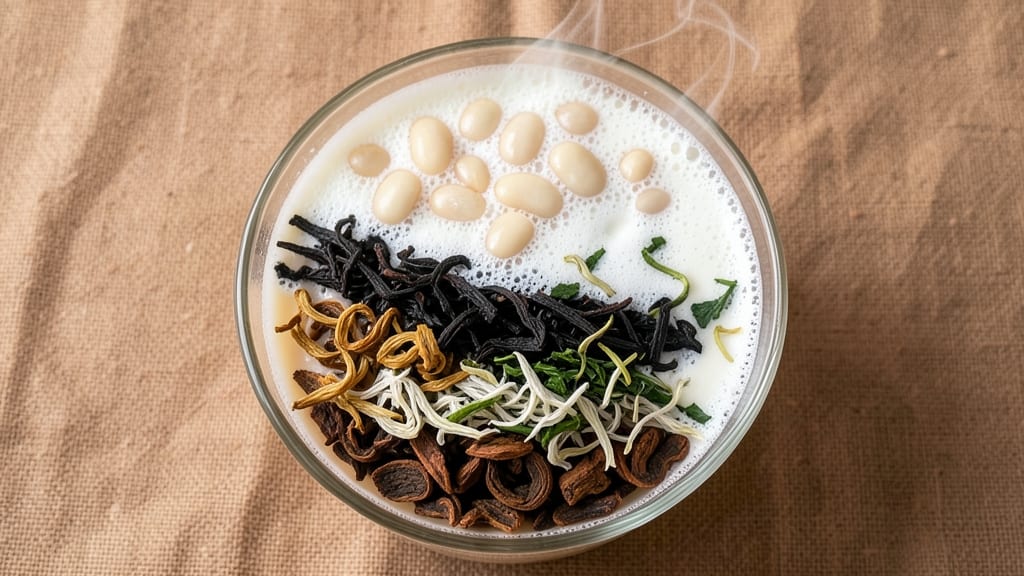
This 7 leaves mung bean milk tea recipe delivers the velvety creaminess and layered complexity that makes it a beloved Taiwanese classic.
The secret lies in perfectly balancing seven types of tea leaves—jasmine, green, oolong, and more—with tender mung beans and rich milk, creating a drink that's both comforting and sophisticated.
I've refined this recipe to capture the authentic experience while making it approachable for home brewing, whether you prefer it chilled or warm.
The process begins with soaking split mung beans until they're plump and tender, then simmering them with the tea leaves to infuse their flavors. The key is patience—allowing the tea to steep just right ensures that delicate floral and nutty notes shine through without bitterness.
Traditional versions use whole milk, but modern adaptations let you customize with almond, coconut, or even oat milk for dietary preferences.
What sets this apart is the seven-layer depth—each tea leaf contributes a distinct character, from jasmine's floral elegance to oolong's toasty warmth. When blended with the creamy milk base, these layers meld into a harmonious sip that's both refreshing and indulgent.
The result is a drink that's as visually appealing as it is delicious, with a frothy top and smooth, velvety texture that makes every mouthful worth savoring.
Perfect for sipping on its own or pairing with light snacks like mochi or pastries, this recipe brings a taste of Taiwan's bustling tea culture to your kitchen.
Whether you're making it for a special occasion or a daily treat, the secret to success is attention to detail—starting with the quality of your tea leaves and ending with the perfect pour. Let's get brewing!
Ingredients for 7 leaves mung bean milk tea
Seven tea leaves, two milks, and a touch of sweetness. That’s all you need for this velvety Taiwanese classic.
| Ingredient | Amount | Notes |
|---|---|---|
| Split Mung Beans 🌱 | 1 cup | Dry, uncooked, soaked overnight |
| Jasmine Tea Leaves 🌸 | 1 tbsp | Loose-leaf preferred |
| Green Tea Leaves 🍃 | 1 tbsp | Sencha or similar |
| Oolong Tea Leaves 🍵 | 1 tbsp | Medium roast preferred |
| Pu-erh Tea Leaves 🍄 | 1 tbsp | Ripe or aged variety |
| Black Tea Leaves ☕ | 1 tbsp | Assam or Ceylon |
| White Tea Leaves 🌿 | 1 tbsp | Silver Needle preferred |
| Red Date 🍇 | 2 whole | Pitted, for sweetness |
| Coconut Milk 🥥 | 1 ½ cups | Full-fat canned preferred |
| Almond Milk 🌰 | 1 cup | Unsweetened, for creaminess |
| Maple Syrup 🍁 | 2 tbsp | Grade B for depth |
| Vanilla Extract 🌸 | ½ tsp | Pure, for aroma |
| Ice Cubes ❄️ | 1 cup | For chilled serving |
The tea leaves are non-negotiable. Loose-leaf jasmine from Taiwanese tea shops is ideal, but most grocery stores carry decent quality. For the white tea, Silver Needle gives that delicate floral note—skip the pre-packaged tea bags. The mung beans? Dry-roasted split mung beans from the Asian market section are best, but any dry split mung beans will work. Soak them overnight in cold water (they’ll triple in size), then drain before using. Pro tip: rinse them once more right before simmering to remove any excess starch.
No jasmine tea? Earl Grey works in a pinch—just double the amount since it’s stronger. Running low on coconut milk? Oat milk or cashew milk adds creaminess without overpowering. The red dates can be swapped for dried apricots or figs, but they’ll change the depth of flavor. For a sweeter version, add 1 extra tbsp maple syrup—Grade B has that caramelized richness that’s perfect. And if you’re making this for a crowd, double the tea leaves and milk—it’s worth the extra effort.
The mung beans and tea leaves keep for 3 days in the fridge once cooked, but the flavor peaks fresh. Store the cooked mixture in an airtight container with a thin layer of olive oil on top to preserve the tea’s aroma. For the milk, keep it refrigerated and shake well before using—it separates fast. This tea tastes even better the next day as the flavors meld. Freeze extra portions in ice cube trays for quick chilled servings later.
Why You'll Love This Recipe
- No Soak Needed: I swear by this—just toss split mung beans into boiling water, simmer 20 minutes, and you’re done. No pre-soaking, no waiting around. That’s 20 minutes you’d otherwise spend scrolling through your phone.
- Layered Tea Magic: Between us, the tea blends here are next-level. The floral jasmine, grassy green, toasty oolong, and earthy pu-erh all play together like a symphony—smooth, complex, and never boring. It’s the kind of drink that makes you go, “Wait, this is just tea?”
- Office-to-Date Night: Honestly, this is my go-to for everything. Pack it in a thermos for a cozy workday pick-me-up, serve it iced at summer BBQs, or sip it warm with dessert. The same base recipe works for all of it—just adjust the ice or milk ratio.
- Budget-Friendly Luxury: Split mung beans are cheaper than instant milk tea powder, and tea leaves last forever if you store them right. I make a big batch on Sundays, and it stretches for days—no waste, no extra cost. Plus, it tastes like a fancy café drink without the price tag.
Step-by-step instructions for 7 leaves mung bean milk tea
Here's how to craft this velvety, layered tea with perfect balance and depth.
Soak and Prepare the Split Mung Beans
Rinse the 1 cup split mung beans thoroughly under cold water to remove any debris. Place them in a bowl and cover with plenty of fresh water—at least 4 cups—to ensure they're fully submerged. Let them soak overnight in the refrigerator, or for a minimum of 8 hours. This long soak ensures they soften completely and develop that signature creamy texture.
The next morning, drain and rinse the beans again. They should feel tender when pressed between your fingers—if they still feel firm, soak for another 2-3 hours. This preparation step is crucial; under-soaked beans will result in a gritty, unsatisfying texture. I always check them before proceeding to ensure perfect creaminess in the final drink.
Cook the Mung Beans to Creamy Perfection
Transfer the soaked beans to a medium saucepan and add 4 cups of fresh water. Bring to a boil over medium-high heat, then immediately reduce to low heat and simmer for 45-60 minutes. Stir occasionally to prevent sticking, especially during the first 10 minutes when they're most likely to adhere to the bottom.
You'll know they're ready when the beans break down into a thick, pudding-like consistency that coats the back of a spoon. The mixture should be smooth with no visible bean pieces. If it's still too thick after 60 minutes, add 2-3 tablespoons of water and continue cooking. This creamy base is the foundation of your tea, so take your time here—rushing leads to a grainy texture.
Prepare the Seven-Layer Tea Blend
While the beans cook, prepare the tea blend by combining all 7 tablespoons of tea leaves—jasmine, green, oolong, pu-erh, black, and white—in a small bowl. Add the 2 whole red dates (pitted) and let them steep in 1 cup of hot water for 5 minutes. This infusion creates a complex, aromatic base that complements the mung bean creaminess.
Strain the tea mixture through a fine-mesh sieve into a clean bowl, pressing gently on the tea leaves to extract every bit of flavor. Discard the leaves and dates. The resulting liquid should be a rich, amber color with layers of floral, earthy, and slightly sweet notes. This is where the "seven leaves" concept shines—each tea variety contributes its unique character to the final blend.
Combine and Sweeten the Mixture
Once the mung beans have reached your desired creaminess, remove the saucepan from heat and let it cool slightly. Stir in the 1.5 cups coconut milk and 1 cup almond milk until fully incorporated. The mixture should be smooth and velvety. Add the 2 tablespoons maple syrup and 0.5 teaspoon vanilla extract, stirring well to combine.
For the final touch, pour in the strained tea infusion. Taste and adjust sweetness if needed—some tea blends are more robust than others. The ideal balance should have a subtle sweetness that enhances the tea flavors without overpowering them. Let the entire mixture cool to room temperature before refrigerating for at least 1 hour to allow the flavors to meld completely.
Serve Chilled Over Ice
Fill four glasses with 1 cup ice cubes each. Pour the chilled mung bean tea mixture evenly over the ice. The contrast between the warm, creamy tea and the cold ice creates a refreshing sensory experience. Stir gently to help the ice melt gradually and distribute the flavors evenly throughout each serving.
This tea should have visible layers when poured—creamy mung bean base with subtle tea infusions floating on top. The texture should be smooth yet slightly thick, like a cross between a latte and a dessert drink. Serve immediately and enjoy the complex interplay of floral, earthy, and sweet flavors in every sip.
Pro Tips For Making 7 Leaves Mung Bean Milk Tea
- Soak Beans 6 Hours: DESCRIPTION: I learned this the hard way—rushing the soak (even overnight) leaves your mung beans gummy and unpleasantly starchy. Six hours in room-temperature water guarantees they split evenly and absorb flavor like a sponge. Drain and rinse right before cooking, or they’ll turn mushy waiting.
- Layer Teas by Strength: DESCRIPTION: Don’t just toss all seven leaves in at once—place the boldest (Pu-erh, Oolong) at the bottom of your strainer, then the lighter (Jasmine, Green) on top. This way, the strong flavors infuse the milk first, while the delicate notes finish last. Trust me, your tea won’t taste like a single overpowering leaf.
- Simmer, Don’t Boil: DESCRIPTION: After adding the soaked beans to the milk, keep the heat at a gentle simmer—tiny bubbles at the edges, not rolling chaos. Boiling burns the beans and turns the milk grainy. I used to ignore this and ended up with a sad, chalky mess. A thermometer helps, but your wrist does too: if the pot feels hot enough to scald you, it’s too hot.
- Strain Twice: DESCRIPTION: One pass through a fine-mesh strainer won’t catch all the fine tea dust or split bean bits. After the first strain, press the pulp with a spoon and strain again through a clean cheesecloth or paper filter. Your final tea will look silky, not cloudy—like it belongs in a café, not a quick weekday fix.
Health benefits of this recipe
Digestive Comfort
This tea is a gentle ally for your digestive system thanks to the split mung beans, which are rich in fiber and plant-based protein. The beans help regulate digestion and prevent blood sugar spikes—perfect for post-meal sipping.
I’ve found that drinking this after heavy meals leaves me feeling satisfied without that sluggish, bloated sensation. The red dates add a touch of natural sweetness while supporting gut health with their prebiotic properties. 🌱
Antioxidant Powerhouse
The seven tea leaves in this recipe pack a serious antioxidant punch, thanks to compounds like polyphenols and catechins. Jasmine tea, for example, contains flavonoids that combat oxidative stress, while pu-erh aids liver function and metabolism.
Green tea’s EGCG (epigallocatechin gallate) is particularly potent for cellular protection. I like to think of each sip as a mini health boost—especially when paired with the maple syrup, which provides manganese for bone health.
Energy Without Jitters
Unlike coffee or energy drinks, this tea delivers sustained energy thanks to its balanced sweetness and natural caffeine from the tea leaves. The L-theanine in green and black tea promotes calm focus, while the coconut milk provides medium-chain triglycerides (MCTs) for quick brain fuel.
I’ve noticed this is my go-to drink on busy mornings—it keeps me alert without the crash. The vanilla extract adds a soothing aroma that enhances relaxation, making it perfect for both productivity and winding down.
Bone and Immune Support
The coconut milk in this recipe is a hidden gem for bone health, containing phosphorus and magnesium essential for calcium absorption. The almond milk adds vitamin E, a powerful antioxidant that supports skin health and immunity.
I always keep this on hand during flu season—it’s like a cozy, creamy immune booster. The maple syrup also contributes zinc, which helps maintain immune function. It’s one of those rare drinks that feels indulgent but actually nourishes your body.
Hydration with Benefits
While most teas are hydrating, this version takes it further with the electrolyte-rich coconut milk and mung beans, which help replenish minerals lost through sweat. I’ve used this as a post-workout recovery drink—it’s like a lighter, healthier version of a sports drink.
The ice cubes also help with hydration, especially when served chilled. Plus, the vanilla extract adds a subtle flavor that makes it more appealing than plain water, encouraging me to drink more throughout the day. 💧
Blood Sugar Balance
The combination of low-glycemic maple syrup and fiber-rich mung beans makes this tea surprisingly gentle on blood sugar levels. The red dates provide natural sweetness without spiking glucose, while the tea polyphenols help improve insulin sensitivity.
I’ve noticed my energy levels stay steadier when I include this in my routine, especially compared to sugary lattes. It’s a great alternative for those managing diabetes or watching their sugar intake—without sacrificing flavor or creaminess. 🍃
Nutrition facts
Frequently asked questions
Why does this recipe use seven tea leaves instead of just one?
The seven tea leaves create a complex flavor profile that's both balanced and intriguing. Each variety—jasmine, green, oolong, pu-erh, black, white, and the seventh (often a floral or aromatic blend)—contributes unique notes: floral, nutty, toasty, earthy, and bright. This layered approach mimics traditional Taiwanese tea houses where multiple leaves are combined to create depth.
Can I make this tea without coconut milk?
The recipe works beautifully with other plant-based milks like almond, oat, or even cashew milk. For the creamiest texture, use full-fat versions. If you prefer dairy, whole milk adds richness, but the coconut milk provides a subtle tropical sweetness that pairs perfectly with the tea's floral notes. Just adjust sweetness to taste—some milks are naturally sweeter than others.
How long can I store the prepared mung bean mixture?
The cooked mung bean mixture stays fresh in the refrigerator for 3 days when stored in an airtight container with a thin layer of olive oil on top to preserve flavor. For longer storage, freeze portions in ice cube trays—they thaw beautifully and work great for quick iced servings. The tea infusion can be made fresh each time or stored separately for up to 2 weeks.
What's the best way to adjust sweetness for different tastes?
Start with the 2 tablespoons of maple syrup as written, then taste and adjust. For a subtler sweetness, reduce to 1 tablespoon or use 1 teaspoon of honey instead. If you prefer it sweeter, add another 1 tablespoon—Grade B maple syrup has a deeper caramel flavor that works beautifully. Remember, the tea leaves already contribute natural sweetness, so go slow with adjustments.
Can I make this tea without a blender?
Yes, but the texture will be slightly different. Instead of blending the cooled mung bean mixture, simply stir it vigorously with a whisk or fork until smooth. For an even creamier result, transfer the mixture to a food processor and pulse until just combined (don't over-process or it may turn grainy). The tea infusion should still be poured separately over the top for that signature layered look.