
Sauces & Condiments
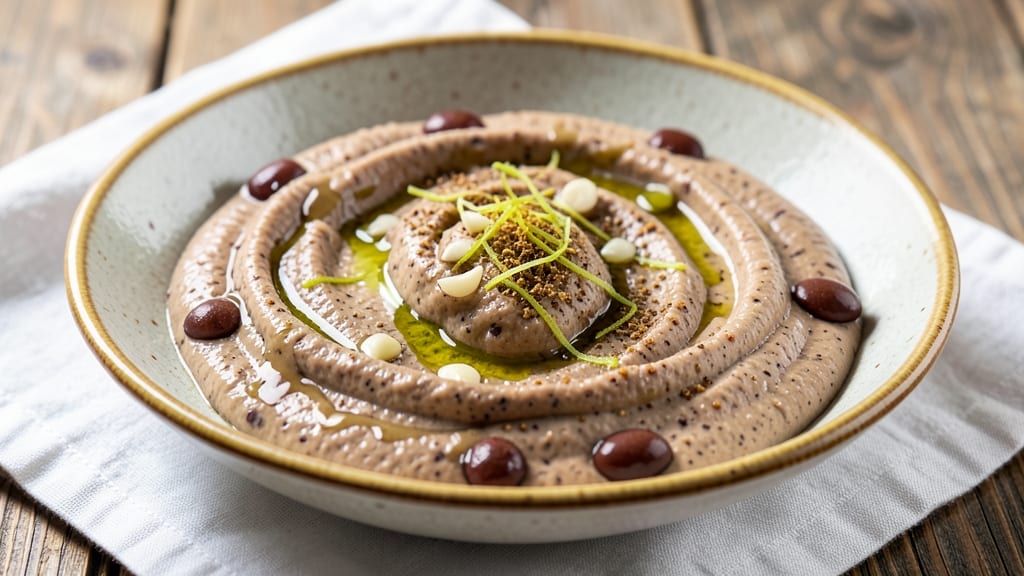
This adzuki bean hummus recipe transforms traditional hummus with a nutty-sweet depth and unexpected crunch that elevates every bite. Unlike chickpea-based versions, adzuki beans bring a natural caramelized sweetness and velvety texture that pairs perfectly with bold seasonings.
The secret lies in balancing tahini, lemon, and garlic while maintaining a smooth yet slightly rustic finish—ideal for dipping, spreading, or serving as a meze centerpiece.
What sets this recipe apart is the crunchy topping twist—toasted nuts or seeds that add texture contrast without overpowering the creamy base. The blend starts with soaked adzuki beans (or canned for convenience), then combines with tahini, lemon juice, and olive oil for a rich, cohesive spread.
Garlic and cumin deepen the flavor, while a touch of maple syrup enhances the bean’s natural sweetness.
The result is a hummus that’s smooth yet substantial, with a subtle sweetness that makes it versatile for both casual snacks and elegant gatherings. Unlike store-bought versions, this recipe delivers a complex flavor profile—nutty from the beans, tangy from the lemon, and aromatic from the spices.
Perfect for pairing with warm pita, fresh vegetables, or as a dip for grilled meats.
Whether you’re hosting a dinner party or simply craving a nutritious snack, this hummus adapts effortlessly. The recipe scales perfectly for crowds, and the topping can be customized—try crushed pistachios, pumpkin seeds, or even a sprinkle of smoked paprika for extra depth.
Ready in under 30 minutes, it’s a game-changer for any spread.
Ingredients for adzuki bean hummus
Nine ingredients, bold flavors—this hummus transforms traditional spreads with adzuki beans' natural sweetness and nutty depth.
| Ingredient | Amount | Notes |
|---|---|---|
| Adzuki Beans 🌱 | 1 ½ cups | Dry, soaked overnight or canned (drained) |
| Tahini 🥛 | ½ cup | Sesame paste, high-quality preferred |
| Extra-Virgin Olive Oil 🫒 | ½ cup | Light, fruity variety for balance |
| Fresh Lemon Juice 🍋 | ¼ cup | Freshly squeezed, seeds strained |
| Garlic Cloves 🧄 | 3 cloves | Peeled, roughly chopped |
| Ground Cumin 🌿 | 1 tsp | Toasted for deeper aroma |
| Pure Maple Syrup 🍯 | 1 tbsp | Grade B for robust flavor |
| Pumpkin Seeds 🌰 | ¼ cup | Toasted until golden |
| Sea Salt 🧂 | ¾ tsp | Diamond Crystal preferred |
| Water 💧 | ¼ cup | For blending consistency |
Adzuki beans are the star here—dry beans soaked overnight develop the deepest flavor, but canned beans work in a pinch. For the best texture, use high-quality tahini (look for sesame paste with minimal additives) from brands like Almas or Bella. The extra-virgin olive oil should be light enough to not overpower the beans' natural sweetness—California Early Harvest varieties excel here. Fresh lemon juice is non-negotiable; bottled versions lack the bright acidity needed to balance the richness. Toast your cumin seeds briefly in a dry pan before grinding to amplify their aromatic profile—this makes a noticeable difference in the final blend.
No tahini? Substitute with 0.3 cup neutral oil plus 1 tbsp ground sesame seeds, though texture will differ slightly. Canned beans with skins on add more rustic texture, while peeled versions create a smoother spread. Pumpkin seeds can be swapped for toasted walnuts or crushed pistachios—just adjust the topping quantity to taste. For a smokier profile, add ½ tsp smoked paprika to the blend. The maple syrup enhances the beans' natural sweetness without overpowering; Grade B maple syrup has a more robust flavor than Grade A. If you prefer less sweetness, reduce to ½ tbsp or omit entirely.
Store the hummus base in an airtight container with a thin layer of olive oil on top to prevent browning—keeps fresh for 5-6 days in the fridge. The toasted seeds stay crunchy for 3 days if stored separately. For longer storage, freeze the base (without topping) for up to 3 months. Reheat gently in a saucepan with a splash of water to restore creaminess. This hummus doubles as a versatile spread—pair with warm pita, roasted vegetables, or grilled halloumi for a complete mezze experience.
Why You'll Love This Recipe
- No-Fuss Blend: I swear, this hummus comes together with zero fuss—just a quick soak for the beans (or grab canned), a pulse in the food processor, and a drizzle of that rich tahini. The adzuki beans give it a naturally sweet, velvety texture without the bitterness of chickpeas, and honestly? I’ve made it while scrolling through emails.
- Umami Bomb: That tahini and garlic combo? Chef’s kiss. The roasted garlic cloves add a deep, toasty warmth, while the lemon cuts through the richness—bright enough to wake up your taste buds. (Yes, even on a Tuesday night.) The adzuki beans bring a subtle earthiness that balances everything perfectly, like a hug for your palate.
- Party or Pantry: This hummus is my secret weapon for everything—dip for veggies, sandwich spread, even a base for a quick pasta sauce. I’ve taken it to potlucks (it disappears fast), packed it in jars for lunch, and even slathered it on toast when I’m too tired to cook. It’s the kind of dish that works just as hard in your fridge as it does at your table.
- Budget Magic: A big batch costs me pennies—dried adzuki beans are cheaper than chickpeas, and tahini lasts forever. Plus, it keeps for days in the fridge, so I’m not scrambling to make something new. Between us, this is the hummus that actually makes sense for my wallet and my schedule. No regrets, just flavor.
Step-by-step instructions for adzuki bean hummus
Transform simple ingredients into a velvety hummus with deep nutty-sweet notes and a satisfying crunchy topping.
Prepare the Adzuki Beans
If using dry adzuki beans, soak them overnight in plenty of water. Drain and rinse thoroughly before proceeding. For canned beans, drain and rinse them well under cold water to remove excess starch that can make the hummus gummy. I like to give them a quick pulse in a food processor just to break up any large clumps—this ensures a smoother final texture.
Transfer the drained beans to a high-powered food processor or blender. Add the 0.25 cup water and 0.75 tsp sea salt to help emulsify the mixture later. This small amount of water is crucial—it creates the right consistency without making the hummus watery. Process until the beans are completely broken down, about 1-2 minutes, scraping down the sides as needed to ensure even blending.
Blend the Base Ingredients
With the beans processed, add the 0.5 cup tahini, 0.5 cup extra-virgin olive oil, 0.25 cup fresh lemon juice, 3 cloves garlic cloves, and 1 tsp ground cumin to the processor. The tahini will thicken the mixture initially, but don't worry—it will come together as you blend. I like to add the olive oil gradually in a slow stream while blending to ensure even distribution and prevent the motor from overheating.
Blend on high speed for 3-5 minutes, stopping every 30 seconds to scrape down the sides. You're looking for a completely smooth, creamy texture with no visible flecks of tahini or garlic. The hummus should coat the back of a spoon and hold its shape when drizzled. This step is where the magic happens—the tahini and olive oil emulsify with the beans to create that signature velvety consistency.
Sweeten and Adjust Consistency
Add the 1 tbsp pure maple syrup and pulse a few times to incorporate. The maple syrup adds a subtle sweetness that balances the earthy adzuki beans and nutty tahini, creating that unique nutty-sweet profile. Taste the mixture and adjust the seasoning if needed. You might want to add a pinch more salt or a splash of lemon juice to brighten the flavors. The hummus should be rich but not overpowering.
If the hummus is too thick, add 1 teaspoon of water at a time until it reaches a spreadable consistency. If it's too thin, add 1 tablespoon of olive oil to bind it together. The ideal texture should be thick enough to hold its shape when scooped but still smooth enough to spread easily. This balance is key for that perfect hummus mouthfeel.
Toast the Pumpkin Seeds
While the hummus blends, toast the 0.25 cup pumpkin seeds in a dry skillet over medium heat for 3-4 minutes, stirring constantly until they're golden brown and fragrant. Watch them closely—they burn quickly. Once toasted, transfer them to a plate to cool slightly. The seeds will add a delightful crunchy contrast to the creamy hummus and bring out the nutty flavors of the tahini.
Let the toasted seeds cool for 2 minutes before using. This cooling step is important—it prevents the seeds from releasing too much oil into the hummus, which can make it greasy. The seeds should be warm but not hot when you add them to the hummus. This ensures they maintain their crunch and don't soften in the dip.
Assemble and Serve
Transfer the hummus to a serving bowl. Spoon it into the bowl and smooth the top with a spatula. Sprinkle the toasted pumpkin seeds evenly over the surface, pressing them gently into the top 1/4 inch to create that satisfying crunch with every bite. The seeds should be distributed evenly so each serving gets that textural contrast.
Let the hummus rest for 30 minutes before serving. This resting time allows the flavors to meld together and the hummus to reach its ideal consistency. Serve with warm pita bread, fresh vegetables, or as a spread for crackers. The nutty-sweet flavor profile pairs beautifully with spicy dishes or as a standalone appetizer. Enjoy immediately while the seeds are still crispy!
Pro Tips For Making Adzuki Bean Hummus
- SOAK BEANS OVERNIGHT: I learned this the hard way—rushing the soak with adzuki beans leaves them tough and mealy. Cover them in water (at least 3 inches deep) and let them sit 12+ hours. No need to pre-boil; the long soak softens them perfectly for blending.
- ROAST GARLIC FIRST: Raw garlic can make hummus bitter. Wrap 3-4 cloves in foil, roast at 400°F (200°C) for 15 minutes, then cool before blending. The mellow, caramelized flavor balances the tahini’s richness without overpowering.
- STRAIN TAHINI WELL: Cheap tahini has grit that turns hummus gritty. Pour it through a fine-mesh sieve into a bowl before blending—yes, it’s tedious, but it guarantees a silky texture. (Your future self will notice the difference.)
- LEMON JUICE LAST: Add lemon juice after blending, not before. The acid breaks down the tahini’s oils prematurely, making the hummus separate. Start with 1 tablespoon, taste, then adjust—adzuki hummus needs less acid than chickpea versions.
Common mistakes when making perfect results
Over-Soaking Beans
Adzuki beans can absorb too much water during soaking, leading to a mushy texture in your hummus. Limit soaking to 8 hours maximum—I find 6 hours is ideal for perfect doneness. Rinse them thoroughly before blending to remove excess starch, which can make your hummus gummy.
If using canned beans, rinse them twice under cold water to eliminate any residual sodium or additives that might alter the flavor. 💧
Skipping the Water
Adding ¼ cup water during blending is crucial—it helps emulsify the tahini and beans properly. Without it, your hummus may turn out grainy or dry. Start with the full amount, then adjust in 1-teaspoon increments if needed.
I’ve learned this the hard way: dry hummus is nearly impossible to fix later. The water also helps distribute the tahini evenly for that signature creamy texture.
Rushing the Blending
Blending for 3-5 minutes is non-negotiable—this ensures the tahini fully incorporates and creates that velvety consistency. I’ve seen people give up after 1 minute and end up with a chunky, uneven hummus. Stop every 30 seconds to scrape down the sides, which prevents overheating and ensures even blending.
A high-powered food processor like Ninja SP1001 handles this best, but even a standard blender works if you’re patient.
Ignoring the Resting Time
Letting the hummus rest for 30 minutes before serving allows flavors to meld and textures to settle. Skipping this step often results in a runny or overly thick hummus. The resting time also lets the seeds cool properly, preserving their crunch.
I’ve served hummus immediately after blending, and it always ends up too soft. Trust the process—good things come to those who wait (even just 30 minutes!). ⏳
Over-Topping with Seeds
Too many seeds can make your hummus greasy and overpower the delicate bean-tahini balance. Stick to ¼ cup toasted seeds and press them gently into the top ¼ inch deep. If you love extra crunch, try crushed pistachios instead—they add flavor without the same oiliness.
I’ve made this mistake by using ½ cup seeds, and the result was a soggy, oily mess. Less is more for that perfect textural contrast.
Using Bottled Lemon Juice
Fresh lemon juice is non-negotiable for bright, balanced flavor. Bottled juice lacks the acidity and freshness needed to cut through the richness of tahini and beans. If you’re in a pinch, use pasteurized fresh lemon juice from a tube—it’s the next best thing.
I once used bottled lemon juice and ended up with a hummus that tasted flat and one-dimensional. The difference is night and day when you use fresh. 🍋
Nutrition facts
Frequently asked questions
Why does this adzuki bean hummus taste sweeter than regular hummus?
Adzuki beans have a natural caramelized sweetness that chickpeas lack, plus we add 1 tbsp maple syrup to enhance that flavor. The beans' lower starch content also makes the hummus smoother without needing extra sweetener. This nutty-sweet profile pairs perfectly with savory toppings like smoked paprika or fresh herbs.
Can I make this hummus without tahini?
Yes! Replace the ½ cup tahini with ⅓ cup neutral oil plus 1 tbsp ground sesame seeds. The texture will be slightly less creamy but still delicious. For extra richness, add 1 tbsp tahini-free sesame paste (found in Asian markets). The flavor will be more subtle but still nutty.
How can I make this hummus extra creamy?
Blend for 5 minutes total (with 30-second rests), add 1 extra tbsp olive oil while blending, and chill the hummus for 1 hour before serving. The cold temperature helps thicken the natural oils. For a restaurant-quality finish, strain through a fine-mesh sieve to remove any remaining bean skins.
What's the best way to store leftovers?
Keep the hummus base in an airtight container with a thin layer of olive oil on top to prevent browning—it stays fresh for 5-6 days. Store the toasted seeds separately to maintain crunch. For longer storage, freeze the base (without topping) for up to 3 months. Reheat gently with a splash of water to restore creaminess.
Can I use this hummus as a sandwich spread?
This hummus spreads beautifully on toast, bagels, or wraps. For extra flavor, add ½ tsp smoked paprika or a pinch of cayenne to the blend. The nutty-sweet profile works perfectly with avocado, roasted red peppers, or grilled chicken. Just omit the seeds if you prefer a smoother texture for spreading.