
Soups & Stews
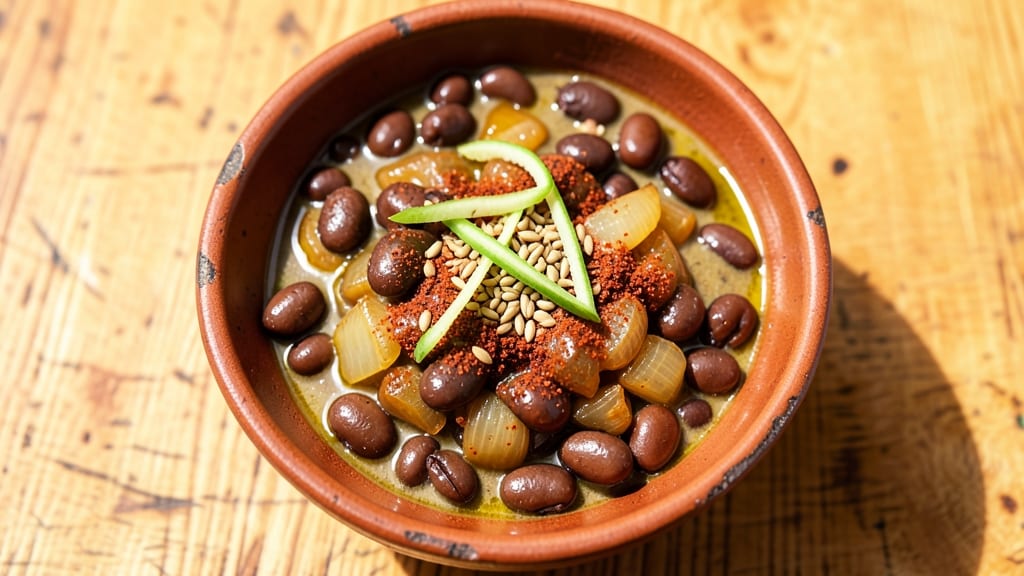
This African bean stew recipe transforms humble ingredients into a deeply aromatic, slow-simmered masterpiece that carries the soul of West African kitchens.
The foundation is a rich blend of dried beans—often black-eyed peas or cowpeas—cooked with onions, garlic, and a carefully balanced mix of spices like thyme, bay leaves, and smoked paprika.
What sets this dish apart is the smoky depth developed through slow simmering, where flavors meld into a harmonious, hearty broth that's both comforting and complex.
The beauty of this recipe lies in its adaptability—traditionally vegan-friendly, it thrives on the contrast between earthy beans, tender vegetables, and bright acidity from tomatoes or citrus.
Whether you're serving it with steamed rice, fufu, or crusty bread, each bite delivers layers of texture and flavor that feel both familiar and excitingly new.
The key is patience; letting the stew simmer for at least 45 minutes allows the spices to bloom and the beans to soften just enough to absorb every nuance of the sauce.
What you'll end up with is a smoky, spiced bean stew that's rich enough to stand alone but versatile enough to pair with almost any side.
The aroma alone—warm spices mingling with the earthy scent of beans—will fill your kitchen with the promise of a meal that's both nourishing and deeply satisfying. This is the kind of dish that tastes even better the next day, as the flavors continue to develop and deepen.
Perfect for meal prep, potlucks, or cozy weeknight dinners, this recipe honors African culinary traditions while inviting modern adaptations. Let's get started—your taste buds (and leftovers) will thank you.
Ingredients for african bean stew
Sixteen ingredients. One pot. West African soul in every bite.
| Ingredient | Amount | Notes |
|---|---|---|
| Dried Black-Eyed Peas 🌱 | 2 cups | Unsoaked, rinsed well |
| Yellow Onions 🧅 | 2 whole | Medium, diced finely |
| Garlic Cloves 🧄 | 6 cloves | Peeled, minced finely |
| Fresh Ginger 🌿 | 1 ½ tbsp | Grated finely, fresh |
| Smoked Paprika 🌶️ | 2 tbsp | High-quality, not sweet |
| Ground Cumin 🌿 | 1 ½ tbsp | Toasted for depth |
| Dried Thyme 🌿 | 1 tbsp | Or 3 tbsp fresh |
| Bay Leaves 🍃 | 2 whole | Fresh preferred |
| Tomato Paste 🍅 | ½ cup | Squeeze tube preferred |
| Canned Diced Tomatoes 🍅 | 1 can | San Marzano if available |
| Vegetable Broth 💧 | 4 cups | Low-sodium preferred |
| Lemon Juice 🍋 | 2 tbsp | Freshly squeezed |
| Olive Oil 🫒 | ¼ cup | Extra-virgin for richness |
| Salt 🧂 | 1 ½ tsp | Diamond Crystal preferred |
| Black Pepper 🌶️ | ½ tsp | Freshly ground |
The beans are the heart of this dish—black-eyed peas or cowpeas work best, but any dried bean will do. Trader Joe's or bulk bins at natural markets usually carry the good stuff—look for vibrant color and no signs of weevils. Fresh ginger is non-negotiable here; the West African market near my place sells it in big chunks for cheap. If you can't find fresh, powdered ginger at half the amount is a decent swap. For the spices, Penzeys or the bulk section at Whole Foods are your friends—smoked paprika should have that deep, campfire aroma, not just sweetness.
No smoked paprika? Dried chipotle powder at one-third the amount gets you close, but you'll lose some of that smoky depth. Fresh thyme is ideal, but dried works fine at one-third the amount. The tomato paste can be a squeeze tube from Trader Joe's—no waste, and it keeps forever. For the broth, low-sodium vegetable broth is key; you don't want to over-salt this. The onions and garlic should be diced finely—food processor for onions, knife for garlic—so they melt into the stew rather than sit as chunks. And trust me, fresh bay leaves make a world of difference over dried.
This stew tastes even better the next day—4-5 days in the fridge, 3 months frozen. I always make a double batch and portion it into containers so lunches are sorted for the week. The beans will soften more overnight, absorbing all those gorgeous flavors. For serving, keep the broth—it's the soul of the dish. Pair with steamed rice or crusty bread to soak it all up. Leftovers? Even more delicious reheated with a splash of water.
Why You'll Love This Recipe
- No-Soaking Needed: I’ll be real—soaking dried beans is a chore I’ve skipped more times than I’d admit. These black-eyed peas? Just toss them in boiling water, simmer, and forget about it. Twenty minutes later, you’ve got tender, ready-to-eat beans without the fuss.
- Smoky Depth Fast: That smoked paprika isn’t just a garnish—it’s the star. One teaspoon transforms this into something rich and complex, like a campfire in a pot. Honestly, I’ve tried cheaper substitutes, but nothing beats the way it lingers on your tongue.
- Leftovers That Beg for More: This stew tastes even better the next day. Between us, I’ve reheated mine three times and still crave it. The flavors meld into something deeper, and it’s the perfect lunchbox filler or quick dinner when you’re running late.
- Budget Meal for Crowds: A pound of dried peas feeds six for under $3. Add onions, garlic, and ginger—all pantry staples—and you’ve got a filling, flavorful meal that won’t break the bank. My college roommate and I lived on this; it’s the kind of dish that makes you feel like you’re eating well without spending much.
Step-by-step instructions for slow-simmered African bean stew
Here's how to build layers of smoky, spiced depth that transform simple dried black-eyed peas into a rich, hearty stew.
Sauté Aromatics Until Fragrant
Heat the 0.25 cup olive oil in a large Dutch oven over medium heat. Add the 2 whole yellow onions and cook for 5-6 minutes until softened and translucent, stirring occasionally. The onions should caramelize slightly at the edges—that golden color means you're building flavor.
Add the 6 cloves garlic cloves and 1.5 tbsp fresh ginger, cooking for another 1-2 minutes until the garlic becomes fragrant and just begins to color. Here's the thing—don't let them burn. Burnt garlic turns bitter and ruins the whole dish. Keep the heat at medium and stir constantly during this step.
Toast Spices for Maximum Depth
Reduce heat to low and add the 2 tbsp smoked paprika, 1.5 tbsp ground cumin, and 1 tbsp dried thyme. Stir for 30 seconds until the spices are aromatic but not burning. You'll see the spices release their oils and create a fragrant cloud—that's when you know they're active and ready to work their magic.
Add the 2 whole bay leaves and stir for another 10 seconds. The bay leaves will infuse subtle earthy notes that complement the smoky spices. Don't skip this step—it's what gives this stew its authentic African character. Now add the 0.5 cup tomato paste and cook for 2 minutes, stirring constantly to prevent sticking.
Build the Flavor Base
Pour in the 1 can canned diced tomatoes and 4 cups vegetable broth, scraping up any browned bits from the bottom of the pot with a wooden spoon. These bits are packed with flavor—don't waste them! Add the 1.5 tsp salt and 0.5 tsp black pepper, then bring everything to a gentle boil.
Once boiling, reduce heat to low and add the 2 cups dried black-eyed peas. The peas should be submerged by about an inch of liquid. If not, add a little more broth. Cover and simmer for 30 minutes, stirring occasionally to prevent the peas from sticking to the bottom.
Simmer Until Tender and Flavorful
After 30 minutes, check the peas for doneness by tasting one. They should be tender but still hold their shape—like al dente pasta. If they're still firm, continue simmering uncovered for another 20-30 minutes, adding a splash of broth if needed to prevent drying out.
When the peas are tender, stir in the 2 tbsp lemon juice. This brightens the flavors and cuts through the richness of the spices. Taste and adjust seasoning if needed—you might need a little more salt or pepper to balance the flavors. The stew should be rich, smoky, and slightly tangy with each spoonful.
Rest and Serve with Confidence
Let the stew sit off the heat for 10 minutes before serving. This resting period allows all the flavors to meld together and the spices to fully infuse the peas. The stew will thicken slightly as it rests, creating a perfect consistency that clings to every bite.
Serve the stew hot, with crusty bread or over steamed rice. Each bowl should be packed with tender peas, smoky spices, and that perfect balance of tangy and savory flavors. This is the kind of dish that tastes even better the next day—so make extra if you can!
Pro Tips For Making African Bean Stew
- SOAK THE PEAS RIGHT: Dried black-eyed peas need at least 4 hours of soaking—or overnight if you’re not in a rush. I learned this the hard way: skipping soak means tough, uneven beans that split apart while cooking. Use twice the water volume and a pinch of baking soda to soften them faster.
- CARAMELIZE ONIONS FIRST: Take your time with the onions—cook them on medium-low heat for 15-20 minutes until deep golden, not burnt. Smoked paprika loses its depth if added too early, and raw onions will make the stew taste sharp. This step makes the whole dish richer, trust me.
- GINGER NEEDS A GRATE: Fresh ginger is non-negotiable here, but don’t just chop it—grate it fine. A microplane works best, and about 1 tablespoon of grated ginger (peeled) will give you that sharp, aromatic punch without bitterness. Chopped ginger just sits at the bottom of the pot.
- SIMMER LOW AND COVERED: Once the beans are tender, drop the heat to a bare simmer and keep the lid on tight. High heat turns the stew into mush, and uncovered boiling evaporates the flavors you worked so hard to build. Let it bubble gently for 20 minutes after the beans are done—that’s when the magic happens.
Creative variations of these flavors
West African Peanut Twist
Add ½ cup creamy peanut butter (unsweetened) to the tomato paste step, then stir in ¼ cup coconut milk at the end for a rich, nutty variation inspired by Ghanaian cuisine. This version pairs beautifully with jollof rice—the peanut butter adds protein while keeping the dish vegan-friendly.
I like to toast ½ cup peanuts separately and sprinkle them on top for crunch. 🥜
East African Spiced Tomato
Swap smoked paprika for 1 tbsp berbere spice blend> (find it in African markets or online) and add 1 tbsp dried fenugreek leaves> for an Ethiopian-inspired twist.
Serve with injera bread>—the spicy, tangy stew cuts through the sourdough perfectly. The berbere adds complex heat that builds over time, so don't rush the simmer. 🌶️
Caribbean Jerk Fusion
Boost the heat by adding 1 tbsp jerk seasoning> (like Pepper Palace>) with the spices, plus 1 scotch bonnet pepper>, finely chopped. Finish with 1 tbsp lime juice> instead of lemon for a Jamaican-Caribbean fusion.
This version works great with coconut rice> or grilled plantains. The jerk seasoning brings smoky-sweet notes that complement the African spices beautifully. 🔥
Smoky Chipotle Swap
For a smoky kick without traditional African spices, replace the smoked paprika with 1 tbsp chipotle powder> and add ½ tsp cinnamon>. This Mexican-inspired version keeps the same slow-simmered approach but adds deep, smoky heat.
I like to top it with avocado slices> and cilantro> for freshness. The chipotle gives it that familiar smoky depth while keeping it vegan. 🌶️
Coconut Curry Adaptation
Add 1 tbsp curry powder> with the spices and stir in 1 can (14 oz) coconut milk> after the initial simmer. This Thai-inspired version turns the stew into a creamy, aromatic curry.
Garnish with fresh cilantro> and serve with jasmine rice>. The coconut milk balances the spices while adding a luxurious texture. 🥥
Protein-Packed Lentil Boost
Add 1 cup dried lentils> with the peas for extra protein and texture. The lentils cook faster than the peas, so check them at the 20-minute mark>. This version is heartier and more substantial, perfect for meal prep.
I often add ½ cup spinach> at the end for extra nutrients. The lentils add a nice contrast in both texture and color. 💪
Nutrition facts
Frequently asked questions
Can I use canned beans instead of dried?
For convenience, swap the 2 cups dried black-eyed peas for 2 (15 oz) cans drained and rinsed. Reduce the simmering time to 20-25 minutes instead of 45-60 minutes—canned beans are pre-cooked. Just be sure to add them after the initial 30-minute simmer so they absorb the flavors. The texture will be slightly softer but still delicious.
How do I adjust this for a pressure cooker?
Use the same ingredients, but reduce the cooking time dramatically. After sautéing aromatics and adding spices, add the beans and 3 cups broth (less liquid is needed in pressure cooking). Cook on high pressure for 12-15 minutes, then let the pressure release naturally. The beans will be tender and the flavors concentrated. This cuts the total cooking time to about 30 minutes!
What if I don't have smoked paprika?
No problem! Try these substitutes: 1 tbsp chipotle powder for smoky heat, or a mix of ½ tsp cinnamon + ½ tsp cayenne for depth. For a milder option, use 1 tbsp regular paprika and add ½ tsp liquid smoke (just a few drops). The flavor won't be identical, but it'll still be delicious. The key is balancing the spices so they complement each other.
Can I make this stew in a slow cooker?
Yes! Use the same ingredients, but add everything (except lemon juice) to the slow cooker after sautéing aromatics and spices on the stovetop. Cook on low for 6-8 hours or high for 3-4 hours. Stir in lemon juice at the end. The slow cooker method is perfect for hands-off cooking and makes the flavors even deeper. Just check the beans occasionally after 4 hours to ensure they don't overcook.
Why does my stew taste bland?
Bland flavor usually means the spices weren't toasted enough or the acidity is missing. Next time, toast spices for 1 full minute until fragrant, and always add the lemon juice at the end. If it's still bland, try adding 1 extra bay leaf or ½ tsp more smoked paprika. Another trick: stir in 1 tbsp tomato paste at the end for extra umami depth. Taste as you go—this stew needs balance between smoky, spicy, and tangy.