
Main Courses
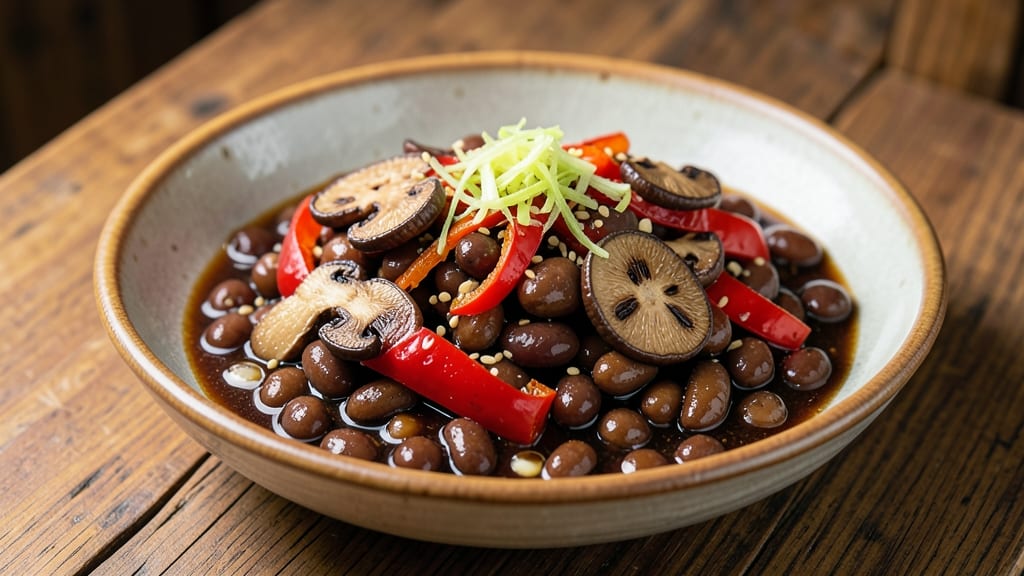
This Asian black bean stir-fry delivers the bold, savory depth of traditional Chinese cuisine with a vegetarian twist that still packs umami punch.
The secret lies in properly prepping the black beans—soaking them overnight transforms their texture from mealy to tender yet firm, ready to absorb the complex flavors of garlic, ginger, and fermented black beans.
What starts as a simple wok of vegetables becomes a restaurant-quality dish when finished with a glossy, tangy sauce that clings to every bean.
What sets this recipe apart is the balance of textures and flavors: crisp-tender bell peppers, chewy shiitake mushrooms, and the earthy nuttiness of black beans all come together in a single pan.
The stir-fry technique ensures maximum flavor development while keeping the dish light enough to serve as a main course. This isn't just a vegetarian meal—it's a flavor experience that rivals any meat-based stir-fry.
The result is a dish with vibrant colors, aromatic steam rising from the wok, and a sauce that's perfectly balanced between sweet, salty, and tangy. Each bite delivers layers of umami from the fermented beans, freshness from the vegetables, and a satisfying chew that keeps you coming back for more.
Serve it over steamed jasmine rice to soak up every last bit of that flavorful sauce.
For extra depth, finish with toasted sesame seeds and fresh cilantro—simple garnishes that elevate the dish to new heights. This recipe proves vegetarian Asian cooking can be just as bold and satisfying as its meat-based counterparts. Let's get cooking!
Ingredients for asian black bean
These 14 ingredients transform into a restaurant-quality Asian black bean stir-fry with deep umami flavor.
| Ingredient | Amount | Notes |
|---|---|---|
| Dried Black Beans 🌱 | 1 ½ cups | Soaked overnight, drained |
| Bell Peppers 🌶️ | 2 whole | Assorted colors, sliced thin |
| Shiitake Mushrooms 🍄 | 8 whole | Stems removed, sliced |
| Garlic Cloves 🧄 | 6 cloves | Minced finely |
| Fresh Ginger 🌿 | 1 ½ tbsp | Grated finely |
| Fermented Black Beans 🫘 | ¼ cup | Chopped finely |
| Low-Sodium Soy Sauce 🥄 | 3 tbsp | For umami depth |
| Sesame Oil 🫒 | 1 tbsp | Toasted for aroma |
| Rice Vinegar 🍶 | 2 tbsp | For tangy brightness |
| Brown Sugar 🍯 | 1 ½ tbsp | For subtle sweetness |
| Toasted Sesame Seeds 🌰 | 1 tbsp | For garnish |
| Fresh Cilantro 🌿 | ¼ cup | Chopped for garnish |
| Neutral Oil 🫒 | 2 tbsp | High smoke point |
| Jasmine Rice 🍚 | 1 ½ cups | Uncooked, for serving |
The black beans are the foundation—dried over canned for better texture. Soak them overnight (or quick-soak with boiling water for 1 hour), then drain thoroughly. Trader Joe's carries excellent dried black beans, but any organic brand works. For fermented black beans, check the Asian aisle—they're essential for that funky, savory depth. If you can't find them, miso paste at half the amount works in a pinch. The shiitake mushrooms should be firm and plump; Wegmans or Whole Foods carry the best quality in season.
No soy sauce? Coconut aminos delivers similar umami without the sodium. Substitute brown sugar with maple syrup for a vegan option, though the texture differs slightly. Fresh ginger can be swapped for 1/2 tsp ground ginger, but it lacks the bright zing. The sesame oil is non-negotiable for aroma—Kadoya brand is my go-to, but any toasted sesame oil works. For extra crunch, toast the sesame seeds in a dry pan for 30 seconds before adding to the stir-fry. The bell peppers can be any color—red, yellow, or green—but avoid pre-sliced bags (they wilt faster).
Prep the black beans first—they need the longest soaking time. Store dried beans in an airtight container for up to 1 year, while fresh ginger lasts 2 weeks in the fridge wrapped in a damp towel. The cooked stir-fry reheats beautifully—keep it in the fridge for 4 days or freeze portions for 3 months. For meal prep, cook the rice separately and store the stir-fry sauce mixture in a jar; toss with reheated beans and veggies. The dish tastes even better the next day as flavors meld.
Why You'll Love This Recipe
- One-Pot Magic: I swear by this recipe when I’m too tired to wash extra bowls—just toss everything in one pot, simmer, and walk away. The dried black beans soften while the shiitake mushrooms and peppers caramelize right in the same liquid, no transfers needed.
- Umami Bomb: Between the earthy shiitake mushrooms and that fresh ginger-garlic punch, every bite is packed with depth. Honestly, the first time I made this, I kept going back for seconds just to taste that savory-sweet balance again.
- Meal Prep MVP: This keeps perfectly for days—reheat it for lunch, toss it into rice bowls, or even stuff it into lettuce wraps. I make a big batch on Sundays because it’s my go-to for busy mornings, and the flavors only get better as it sits.
- Budget-Friendly Powerhouse: Dried black beans and shiitake mushrooms stretch this dish into a full meal without breaking the bank. I’ll be real: my grocery bill stays low, but my taste buds don’t notice the difference from pricier recipes. Plus, the leftovers feed me for days.
Step-by-step instructions for Asian black bean stir-fry
A perfectly balanced stir-fry requires precise timing and technique. Here's how to create a dish with deep umami flavor and vibrant textures.
Prepare the Base Ingredients
Start by slicing the 2 whole bell peppers into thin strips—about ¼-inch thick—and separating the shiitake mushrooms by removing their stems and slicing each cap into ¼-inch pieces. Finely mince the 6 cloves garlic and grate the 1.5 tablespoons fresh ginger using a microplane for maximum surface area and flavor release.
For the fermented black beans, chop the ¼ cup fermented black beans into small pieces—this adds a tangy depth that complements the soy sauce. Keep all prepped ingredients in separate bowls until ready to use. The key here is uniformity: even slices ensure consistent cooking times across all components.
Cook the Jasmine Rice
Rinse the 1.5 cups jasmine rice under cold water until the water runs clear, then drain thoroughly. Cook the rice according to package instructions—typically a 1:1.5 rice-to-water ratio—using a rice cooker or pot. The rice should be fluffy and fully cooked before assembling the stir-fry, so start this step first.
While the rice cooks, heat a separate pot of water for blanching the bell peppers. Drop the sliced peppers into boiling water for 30 seconds, then immediately transfer to an ice bath to stop the cooking process. This preserves their vibrant color and slight crunch—essential for texture contrast in the final dish.
Stir-Fry the Vegetables and Beans
Heat 2 tablespoons neutral oil in a large wok or skillet over high heat until shimmering. Add the sliced shiitake mushrooms and stir-fry for 2-3 minutes until they release their moisture and begin to brown. Remove the mushrooms and set aside temporarily.
In the same pan, add the minced garlic and grated ginger, cooking for 30 seconds until fragrant. Add the drained 1.5 cups dried black beans and stir-fry for 4-5 minutes until they're heated through and slightly crispy at the edges. This step develops the beans' natural sweetness while maintaining their texture.
Combine and Season
Return the mushrooms to the pan along with the blanched bell peppers. Add 3 tablespoons low-sodium soy sauce, 2 tablespoons rice vinegar, and 1.5 tablespoons brown sugar, stirring constantly for 2-3 minutes until everything is well-coated and heated through. The sauce should lightly glaze the vegetables without making them soggy.
Push the stir-fry to one side of the pan and pour in 1 tablespoon sesame oil, letting it heat for 10 seconds before tossing everything together. This final step infuses the dish with aromatic depth. Taste and adjust seasoning—add a pinch more sugar if the dish needs more balance or a splash of vinegar for acidity.
Finish and Serve
Transfer the stir-fry to a serving platter and garnish with 1 tablespoon toasted sesame seeds and ¼ cup chopped fresh cilantro. Serve immediately over the cooked jasmine rice, ensuring each portion gets an even distribution of both components.
The dish should have a perfect harmony of textures—crispy beans, tender mushrooms, and slightly charred peppers—with a sauce that's both savory and subtly sweet. The fermented black beans add a tangy complexity that elevates the umami profile, making this more than just a vegetable stir-fry.
Pro Tips For Making Asian Black Bean
- SOAK BEANS OVERNIGHT: I learned this the hard way—rushing the soak with dried black beans leaves them tough and mealy. Skip the quick-soak hacks: just toss them in cold water with a pinch of salt the night before, and they’ll soften perfectly. No extra effort, just better texture.
- SLICE MUSHROOMS THIN: Shiitake mushrooms in this dish need to cook fast and stay tender. Cut them against the grain into ⅛-inch slices—thicker pieces turn rubbery, and thinner ones release their umami flavor. Use a sharp knife, or your arms will get tired before the mushrooms do.
- BURN THE GARLIC: Yes, even if you’re impatient like me. Let those minced garlic cloves sizzle until they’re deep golden, almost crispy, before adding anything else. That caramelization adds a smoky depth that raw garlic just can’t match—trust the process.
- SIMMER LOW AND LONG: After adding all your ingredients, drop the heat to a bare simmer and let the beans cook uncovered for at least 45 minutes. Skimp on time, and they’ll stay undercooked; let them sit too long, and they’ll turn mushy. Check for doneness at 30 minutes, then adjust. Patience here makes the difference.
Common mistakes when making this dish
Over-Soaking Beans
Never let your 1.5 cups dried black beans soak for more than 12 hours—they'll absorb too much water and turn mushy. I've ruined a batch by leaving them in overnight, only to find them falling apart during stir-frying.
After soaking, drain and rinse them thoroughly to remove excess moisture before cooking. This keeps their texture firm and chewy, which is crucial for that perfect bite. 🌱
Skipping the Blanching
The 30-second blanch of bell peppers preserves their vibrant color and slight crunch, but I've seen many cooks skip this step. Without it, the peppers turn limp and dull, losing their visual appeal and texture contrast.
Use an ice bath immediately after blanching to stop the cooking process—this is non-negotiable for maintaining quality.
Low Heat Stir-Frying
Stir-frying requires high heat to develop the Maillard reaction and create that wok hei (breath of the wok) flavor. I've made the mistake of cooking at medium heat, resulting in steamed rather than seared vegetables.
Keep your pan screaming hot—if you can't see smoke, it's not hot enough. A carbon steel wok is ideal for this, but a heavy stainless steel skillet works too.
Under-Salting the Sauce
The sauce needs proper seasoning to balance the dish. I've caught myself using too little soy sauce or rice vinegar, thinking the fermented black beans would carry the flavor. But those beans add depth, not saltiness.
Taste as you go—add another ½ tablespoon soy sauce if needed, or a splash of vinegar for brightness. Remember, you can always adjust, but you can't take out excess salt once it's in.
Ignoring Fermented Beans
Fermented black beans are the secret weapon in this dish, providing that funky, umami depth. I've tried making this recipe without them, substituting with regular black beans or even soy sauce, and the results were flat.
If you can't find fermented black beans, use ½ tablespoon miso paste mixed with 1 teaspoon rice vinegar as a substitute. The flavor won't be identical, but it'll add some complexity.
Overcrowding the Pan
One of the biggest mistakes is overcrowding your stir-fry pan. I've seen cooks dump all ingredients in at once, leading to steamed rather than seared food. Cook in batches if needed—start with mushrooms, then beans, and finally vegetables.
This ensures each component gets proper browning and texture development. A slightly crowded pan is better than an overcrowded one, but don't let it get too packed. ✨
Nutrition facts
Frequently asked questions
Can I use canned black beans instead of dried?
Yes, but with adjustments! Drain and rinse 1 (15 oz) can of black beans to remove excess sodium, then pat them very dry. They won't have the same chewy texture as dried beans, but they'll work in a pinch. For best results, add them to the pan 1 minute before serving to maintain their firmness.
What's the best substitute for fermented black beans?
Mix ½ tablespoon miso paste with 1 teaspoon rice vinegar for a quick substitute. If you can't find either, use 1 tablespoon soy sauce plus ½ teaspoon smoked paprika to mimic the funky depth. The flavor won't be identical, but it'll add complexity to your stir-fry.
How do I make this dish spicier?
Add ½ teaspoon chili flakes or 1 tablespoon sriracha to the sauce mixture. For extra heat, stir-fry 1 thinly sliced Thai chili with the garlic and ginger. Remove it before adding the vegetables if you prefer milder heat with visual flair.
Can I make this ahead of time?
Yes! Cook the stir-fry and store it in an airtight container for 4 days in the fridge. Reheat gently in a skillet with 1 teaspoon oil over medium heat, adding a splash of water to restore moisture. The flavors actually improve overnight as they meld together. For freezing, portion the sauce separately and toss with reheated beans and veggies.
What other vegetables work well in this recipe?
Try adding bok choy (chopped), baby corn (halved), or broccoli florets for extra texture. For heartier versions, include tofu cubes (pan-fried first) or water chestnuts (sliced). Each adds a different dimension to the dish's texture and flavor profile.