
Side Dishes
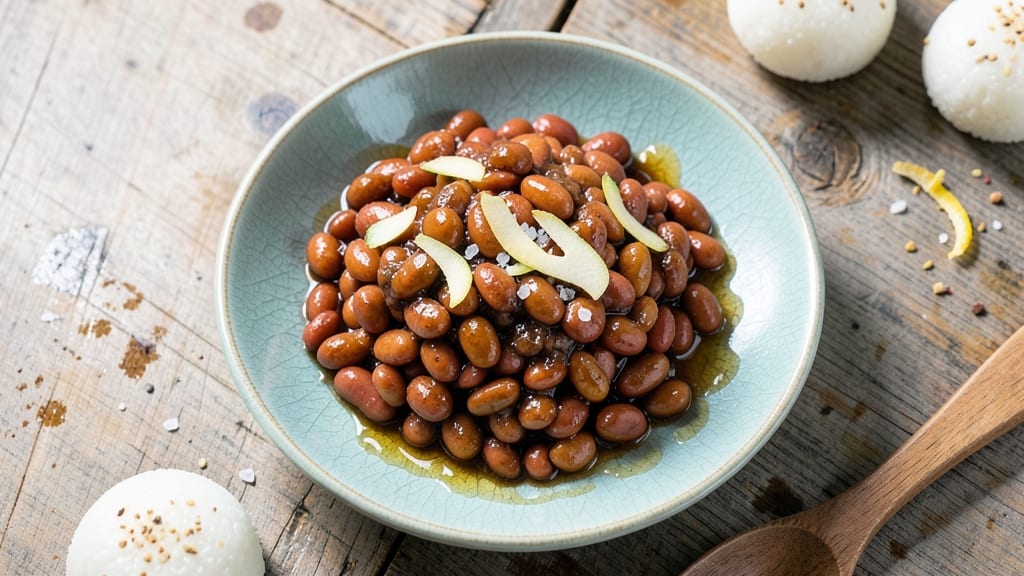
This azuki red bean recipe transforms humble red beans into a sweet-savory Japanese stew that’s ready in just 25 minutes—no long simmering required. The secret lies in balancing traditional flavors with modern convenience, creating a dish that’s both comforting and adaptable to vegan diets.
What makes this recipe stand out is its versatility: serve it as a side, a light main, or even a dessert base with a touch of honey or coconut milk.
The foundation of this dish is azuki beans, known for their vibrant color and naturally sweet, earthy taste. Paired with simple ingredients like soy sauce, mirin, and a splash of rice vinegar, these beans develop a rich, caramelized depth while staying tender.
The addition of ginger and garlic adds warmth, while a touch of sugar enhances the natural sweetness—no artificial flavors needed.
What you’ll end up with is a silky-smooth stew with a glossy sheen and a balance of sweet, savory, and umami notes. The texture is velvety yet slightly chunky, perfect for spooning over steamed rice or using as a filling for dumplings and mochi.
This version skips the lengthy cooking time of traditional red bean paste, making it ideal for weeknight dinners without sacrificing authenticity.
Best of all, this recipe is naturally vegan and packed with plant-based protein, fiber, and antioxidants. It’s also incredibly adaptable—swap in coconut milk for a tropical twist, or add a pinch of chili for heat. Let’s get cooking!
Ingredients for azuki red bean
Simple ingredients transform into a velvety-sweet Japanese azuki bean stew with rich umami depth.
| Ingredient | Amount | Notes |
|---|---|---|
| Azuki Red Beans (Dried) 🌱 | 1 cup | Rinsed before cooking |
| Soy Sauce 🥢 | ¼ cup | Use tamari for gluten-free |
| Mirin 🍶 | ⅛ cup | Sweet rice wine substitute |
| Rice Vinegar 🍶 | ⅛ cup | Seasoned preferred |
| Granulated Sugar 🍚 | ⅛ cup | Or coconut sugar |
| Fresh Ginger 🧅 | 1 tbsp | Finely grated, peeled |
| Garlic Cloves 🧄 | 3 cloves | Minced, fresh preferred |
| Vegetable Oil 🫒 | 1 tbsp | Neutral flavor preferred |
| Water 💧 | 2 ½ cups | Filtered preferred |
| Sesame Seeds 🌰 | 1 tbsp | Toasted for garnish |
| Sea Salt 🧂 | ½ tsp | Diamond Crystal preferred |
| Black Pepper 🌶️ | ¼ tsp | Freshly ground |
| White Sesame Oil 🫒 | ½ tsp | For finishing |
Azuki beans are the heart of this dish—look for vibrant red, plump dried beans at Asian markets or bulk bins. Mitsukan or Haniwa brand are excellent choices if available, but any high-quality dried azuki works. Fresh ginger and garlic should be organic when possible—their bright flavors shine through in the short cooking time. The mirin adds sweetness and depth; avoid the low-quality versions with added sugar. For a quicker prep, use pre-soaked beans, but traditionalists insist on the overnight soak for maximum tenderness. Store dried beans in a cool, dark place for up to 1 year—they keep indefinitely if airtight.
No mirin? Combine 2 parts rice vinegar with 1 part sugar for a close substitute. Fresh ginger too spicy? Use half the amount and add 1/4 tsp ground ginger. The soy sauce can be swapped for coconut aminos if gluten-free is essential. For a tropical twist, add 1/4 cup coconut milk at the end. The sesame seeds should be toasted in a dry pan until fragrant—don't skip this step—they add crucial nutty depth. If you're short on time, pre-minced garlic works, though fresh has more punch. The sugar can be reduced by half if you prefer less sweetness, but the beans' natural sweetness will still develop.
This stew tastes even better the next day as flavors meld—double the batch for leftovers. Store in an airtight container in the fridge for 5 days or freeze for 3 months. For serving, drizzle with white sesame oil and sprinkle with toasted sesame seeds just before eating. The texture becomes silky-smooth when reheated gently with a splash of water. Portion into ice cube trays for easy freezing—perfect for quick meals. The beans will firm up slightly when cold, so reheating is essential for that signature velvety consistency.
Why You'll Love This Recipe
- No-Soaking Needed: Honestly, I love that these dried azuki beans soften perfectly overnight in water—no pre-soaking required. Just rinse, simmer, and let the pot do the work while you sip tea.
- Sweet-Savory Magic: That balance of mirin’s fruity depth and soy’s umami punch? Ridiculously good. The sugar isn’t cloying—it just rounds out the earthy beans into something dangerously addictive.
- Leftover Goldmine: Between us, this tastes even better the next day. I make a big batch on Sundays and toss it into rice bowls, sandwiches, or even as a filling for dumplings—zero waste, all flavor.
- Budget Pantry Hero: Dried azuki beans are cheaper than canned, and the other ingredients? Stuff I already had. For under $5, I get a dish that feels fancy but costs next to nothing. My wallet thanks me.
Step-by-step instructions for azuki red bean stew
This method delivers a perfectly balanced sweet-savory Japanese stew with tender beans and vibrant flavors.
Prepare the Beans and Aromatics
Rinse the 1 cup azuki red beans (dried) thoroughly under cold water to remove any debris. Soak them in a bowl of water for at least 4 hours, or overnight if possible. This ensures even cooking and prevents the beans from splitting open during simmering.
While the beans soak, peel and finely grate the 1 tablespoon fresh ginger using a microplane or grater. Minced garlic should be as fine as possible—press the 3 cloves garlic cloves through a garlic press or finely chop with a sharp knife. These aromatics will infuse the entire stew with their bright, complex flavors.
Sauté the Aromatics
Heat the 1 tablespoon vegetable oil in a medium saucepan over medium heat until shimmering. Add the grated ginger and minced garlic, cooking for 1-2 minutes until fragrant but not browned. This step develops the foundation of your flavor profile—don't rush it, as the aromatics should be vibrant and aromatic when you add the beans.
I always stir continuously during this step to prevent burning. If the garlic starts to darken too quickly, reduce the heat slightly. The goal is to create a flavor base that will meld beautifully with the beans and sweet-savory sauce.
Simmer the Beans
Drain the soaked azuki red beans and add them to the saucepan with the aromatics. Pour in the 2.5 cups water and bring to a gentle boil. Once boiling, reduce heat to medium-low and maintain a steady simmer. The beans will take about 20-25 minutes to become tender, but don't rush this process—gentle cooking preserves their texture and prevents mushiness.
Skimming any foam that rises to the surface during the first 5 minutes of simmering helps create a cleaner final product. The beans are ready when they're fork-tender but still hold their shape. If they're not quite tender after 25 minutes, add another ½ cup water and continue simmering.
Build the Sweet-Savory Sauce
Once the beans are tender, stir in the 0.25 cup soy sauce, 0.125 cup mirin, 0.125 cup rice vinegar, and 0.125 cup granulated sugar. The mirin and sugar will dissolve quickly, creating a glossy, balanced sauce. Taste and adjust seasoning with the 0.5 teaspoon sea salt and 0.25 teaspoon black pepper—this stew should have a harmonious blend of sweet, salty, and umami flavors.
Simmer the mixture for an additional 5 minutes to allow all the flavors to meld together. The sauce should coat the beans evenly, creating a glossy finish. If it appears too thick, add a splash of water to reach your desired consistency. This is where the magic happens—the balance of sweet and savory flavors comes together.
Finish and Garnish
Remove the saucepan from heat and stir in the 0.5 teaspoon white sesame oil. This final touch adds depth and richness to the dish. Toast the 1 tablespoon sesame seeds in a dry skillet over low heat for 1-2 minutes until golden and fragrant, then sprinkle them over the finished stew.
Serve the azuki red bean stew warm, either as a standalone dish or alongside steamed rice. The contrast of the warm, tender beans with cool rice creates a satisfying meal. Each bite should deliver a perfect balance of sweetness from the mirin and sugar, savory depth from the soy sauce, and a subtle nutty finish from the sesame seeds.
Pro Tips For Making Azuki Red Bean
- SOAK BEANS OVERNIGHT: I learned this the hard way—skipping the soak leaves you with beans that split like overripe fruit. Toss them in cold water for 8–12 hours, then drain and rinse. The texture stays intact, and the cooking time drops from hours to under an hour. (Yes, even if you’re impatient like me.)
- SIMMER LOW AND SLOW: After burning three batches, I finally figured out: azuki beans need patience. Once they’re submerged, keep the heat at a bare simmer—just enough to see tiny bubbles at the edges. Too hot, and they’ll turn mushy or bitter. Low heat = creamy, tender beans every time.
- STRAIN THE LIQUID: Sounds weird, but it works: after cooking, strain the beans and reserve the starchy liquid. Mix it back in with the soy sauce, mirin, and sugar later—it thickens the sauce naturally without extra cornstarch. (Your future self will thank you.)
- SWEETEN THE BEANS LAST: My grandmother swore by this, and she was right: add sugar after the beans are fully cooked and the sauce has reduced. Tossing it in early can make the beans gummy. Stir it in with the vinegar at the end for perfect balance—sweet, tangy, and never cloying.
Best sauces and condiments for azuki red bean
Sweet-Savory Glaze
Transform your azuki red bean stew into a showstopper with a sweet-savory glaze made from 2 tbsp soy sauce, 1 tbsp mirin, and 1 tbsp maple syrup. Simmer these ingredients together for 3-4 minutes until slightly thickened, then drizzle over the finished stew.
The glaze adds a glossy sheen and intensifies the umami-sweet balance. For extra richness, finish with a sprinkle of toasted sesame seeds. 💫
Miso-Infused Garnish
Elevate the dish with a miso paste swirl. Mix 1 tsp white miso paste with 1 tsp water to create a smooth paste, then drizzle it over the hot stew just before serving. The miso adds a deep, fermented umami layer that complements the natural sweetness of the beans.
Garnish with thinly sliced scallions for a fresh, bright contrast. I love using Miso Master brand for its clean, balanced flavor.
Spicy Chili Oil
For a kick of heat, drizzle the stew with spicy chili oil made from 1 tbsp neutral oil, 1 tsp chili flakes, and ½ tsp crushed red pepper. Heat the oil in a small pan until fragrant, then strain out the solids.
Pour over the finished stew and sprinkle with extra sesame seeds for texture. This adds a smoky, spicy dimension that pairs beautifully with the sweet-savory profile. 🌶️
Coconut Cream Finish
Give your stew a tropical twist by stirring in 2 tbsp coconut cream at the end of cooking. The coconut adds a velvety richness that balances the earthy beans. For extra flair, top with toasted coconut flakes and a pinch of flaky sea salt.
This variation works especially well if you're serving it as a dessert-inspired side or with tropical fruits like mango.
Sesame-Ginger Dressing
Blend 2 tbsp tahini, 1 tbsp grated ginger, 1 tbsp rice vinegar, and 1 tsp maple syrup into a smooth dressing. Drizzle this over the stew just before serving for a nutty, zesty kick.
The tahini adds creaminess while the ginger enhances the stew's natural warmth. This dressing also works as a dipping sauce for dumplings or mochi filled with azuki beans.
Umami Broth Boost
For a deeper savory profile, stir 1 tbsp dashi powder or 1 tsp soy sauce-infused mushrooms (like shiitake) into the simmering beans during the final 5 minutes of cooking.
The dashi or mushrooms amplify the umami without overpowering the sweetness. This technique is inspired by traditional Japanese cooking methods and adds a restaurant-quality depth to your stew.
Nutrition facts
Frequently asked questions
Can I use canned azuki beans instead of dried?
Yes, but with adjustments! Canned beans cook much faster, so reduce the water to 1.5 cups and simmer for just 10-12 minutes after adding the sauce. Drain and rinse them first to remove excess sodium. The texture will be slightly softer, but still delicious—perfect for quick meals or when you're short on time.
How do I make this recipe vegan-friendly?
This recipe is already vegan, but here's a pro tip: Use tamari instead of soy sauce for gluten-free needs, and swap the mirin for 1/4 cup rice vinegar + 2 tbsp maple syrup. For extra richness, stir in 1 tbsp coconut cream at the end. The natural sweetness of azuki beans makes them ideal for plant-based diets!
Why does my azuki red bean stew turn out too sweet?
Too much sugar or mirin can overpower the natural flavors. Try reducing the sugar to 2 tbsp and mirin to 2 tbsp instead. Balance with an extra 1/2 tsp soy sauce or a splash of rice vinegar. Taste as you go—the beans should complement the sweetness, not compete with it.
Can I make this ahead of time?
This stew tastes even better the next day as flavors meld. Store in an airtight container in the fridge for 5 days or freeze for 3 months. Reheat gently with a splash of water to restore that velvety texture. For serving, drizzle with white sesame oil and toasted sesame seeds just before eating.
What are some creative ways to use leftovers?
Get creative! Spread the cooled beans on a tray, freeze, then blend into a smooth paste for mochi or dumpling fillings. Mix into oatmeal for a protein boost, or use as a thick glaze for roasted vegetables. The beans also make a fantastic topping for toast with avocado or a savory pancake base.