
Soups & Stews
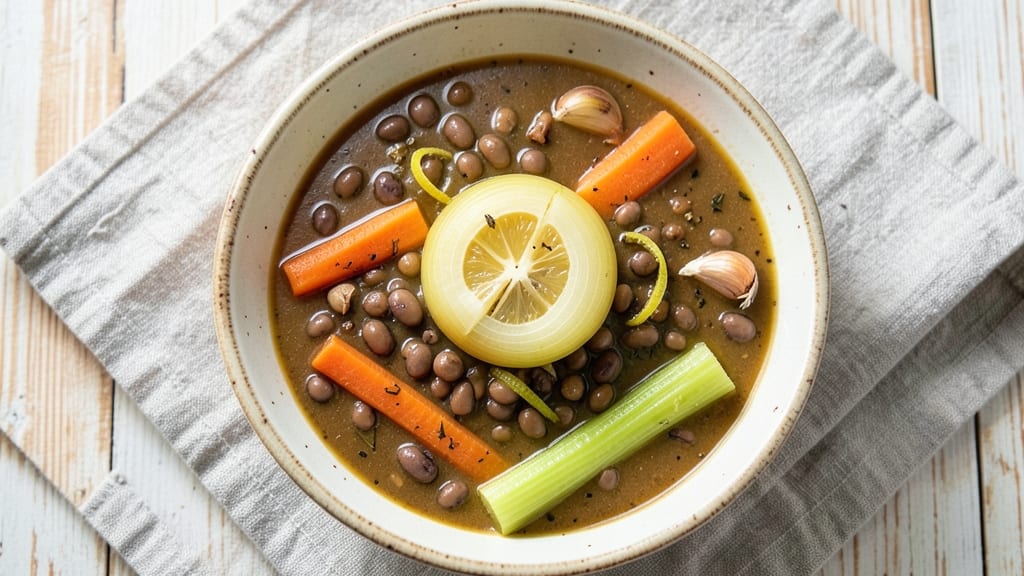
Transforming simple dried beans into this umami-packed bean broth reveals a secret weapon for plant-based cooking—rich, savory depth that elevates every dish it touches.
The process begins with proper soaking and simmering, where dried beans release their natural nutrients and flavors into the broth, creating a nourishing base that rivals traditional stock. What starts as humble dried beans becomes a versatile foundation for soups, stews, and sauces, packed with protein and earthy complexity.
The beauty of this bean broth lies in its simplicity and flexibility. By combining beans with aromatic vegetables, herbs, and spices, you create a flavor profile that's both comforting and sophisticated.
The slow simmering process extracts maximum flavor while keeping the broth clear and vibrant, avoiding the cloudiness that often plagues homemade stocks. This method ensures every sip delivers a balance of savory, slightly sweet, and herbal notes that make it indispensable in any kitchen.
What you'll achieve is a deeply flavorful broth that's perfect for sipping on its own or using as the base for hearty meals. The texture remains smooth and inviting, with just enough body to coat ingredients beautifully.
Whether you're building a rustic bean stew or adding depth to a quick weeknight dinner, this broth transforms ordinary dishes into something extraordinary. The process is straightforward, yet the results are undeniably impressive—proof that great flavor doesn't require complex techniques.
Beyond its culinary versatility, this bean broth is a nutritional powerhouse, offering plant-based protein and essential minerals without the need for animal products. It's the kind of recipe that proves simplicity can yield remarkable results, making it a staple for both beginners and seasoned cooks alike.
Let's create a broth that will become the backbone of your favorite dishes.
Ingredients for bean broth
These earthy, aromatic ingredients transform humble dried beans into a rich, umami-packed broth that rivals traditional stock.
| Ingredient | Amount | Notes |
|---|---|---|
| Dried Navy Beans 🌱 | 1 cup | Rinsed before soaking |
| Dried Brown Lentils 🌱 | ½ cup | For added earthy depth |
| Yellow Onion 🧅 | 1 whole | Peeled and halved |
| Carrot 🥕 | 2 whole | Scrubbed, cut into chunks |
| Celery Stalks 🌿 | 3 whole | Trimmed, cut into pieces |
| Garlic Cloves 🧄 | 4 cloves | Smashed for intense flavor |
| Fresh Thyme Sprigs 🌿 | 2 whole | Stems attached for easy removal |
| Fresh Parsley Stems 🌿 | 4 whole | For bright finishing touch |
| Bay Leaves 🌿 | 2 whole | Fresh preferred for aroma |
| Extra-Virgin Olive Oil 🫒 | 2 tbsp | For gentle flavor infusion |
| Apple Cider Vinegar 🍏 | 1 tbsp | Brightens the broth |
| Sea Salt 🧂 | 1 ½ tsp | Diamond Crystal preferred |
| Black Peppercorns 🌶️ | 10 whole | Crushed for subtle heat |
| Miso Paste 🍶 | 1 tbsp | White miso for umami punch |
The beans are the foundation, so choose organic dried navy beans from bulk bins at Whole Foods or Trader Joe's—they soak up flavor beautifully. For the lentils, brown or green varieties work best, but avoid red lentils as they disintegrate. The onion, carrot, and celery form the classic 'mirepoix' base—buy organic if possible to avoid bitterness. Fresh herbs like thyme and parsley add layers of complexity, so grab them from the grocery store's refrigerated section where they're kept at peak freshness. Bay leaves should be vibrant green, not dried out, and the miso paste? Look for white miso at Asian markets—it's milder and sweeter than red varieties.
No fresh thyme? Dried thyme at half the amount works in a pinch, but fresh is ideal. Short on celery? Swap for fennel or leeks—they add a lovely anise note. The miso paste can be tricky to find—Trader Joe's carries it, or check the international aisle at Walmart. For a deeper umami kick, add 1 tsp of soy sauce or 1/2 tsp of fish-free Worcestershire. The apple cider vinegar brightens the broth, but lemon juice works too if that's what you've got. And if you're worried about cloudiness, strain through a fine-mesh sieve before serving.
This broth keeps beautifully—5 days in the fridge or 3 months in the freezer. For freezing, use ice cube trays for single portions or airtight containers for larger batches. The flavor actually improves over time as the beans continue to infuse. I like to make a big batch and freeze half—perfect for quick weeknight soups. If you make extra, freeze it in 1-cup portions for easy reheating. Just remember to store it in the coldest part of your freezer to maintain clarity.
Why You'll Love This Recipe
- No-Soaking Needed: I’ll admit, I used to dread soaking beans—but these navy beans and lentils? Toss them dry in the pot with water, simmer overnight, and wake up to actual flavor. No pre-work, just pure convenience.
- Earthy Depth Magic: That carrot-celery-onion combo isn’t just veggies—it’s the backbone. The lentils add a meaty richness, while the navy beans bring that creamy, satisfying body. Honestly, it’s the kind of broth that makes you pause mid-sip and think, “Wait, this is just beans?”
- Soup Base or Sidekick: Need a quick minestrone? Stir in some pasta. Craving a hearty stew? Dump in chunks of chicken or veggies. I’ve even used it as a braising liquid for roasted potatoes—versatile enough to play backup for anything.
- Pantry Goldmine: A big batch costs less than takeout and lasts weeks in the fridge. Freeze half for those “I can’t decide what to eat” nights, and you’ve got a budget-friendly lifesaver. (Yes, even on a Tuesday night.)
Step-by-step instructions for crafting rich bean broth
Here's how to build a deeply flavorful bean broth from scratch—layering textures and aromatics for maximum depth.
Soak and Prepare the Base Ingredients
Place the 1 cup dried navy beans and 0.5 cup dried brown lentils in a large bowl and cover with plenty of cold water by at least 2 inches. Let them soak for 8-12 hours at room temperature—this ensures even cooking and prevents the broth from becoming gummy. I like to soak them overnight for maximum tenderness.
While they soak, peel and halve the 1 whole yellow onion, then scrub and cut the 2 whole carrots and 3 whole celery stalks into 1-inch chunks. Smash the 4 cloves garlic with the flat side of a knife to release their oils without losing any bits. Tie the 2 whole fresh thyme sprigs and 2 whole bay leaves together with kitchen twine for easy removal later.
Sauté the Aromatics for Foundation Flavor
Heat the 2 tablespoons extra-virgin olive oil in a large stockpot over medium heat. Add the onion, carrot, and celery, cooking for 8-10 minutes until the vegetables soften and the onion becomes translucent. You'll see the edges start to caramelize slightly—that's your signal to add the garlic and continue cooking for another 1 minute until fragrant.
Here's the thing—don't walk away. Garlic burns in seconds, and that bitter flavor will ruin your broth. Once the garlic is golden and smells heavenly, add the crushed 10 whole black peppercorns and stir for 30 seconds to toast them gently. This step builds the aromatic base that carries through the entire broth.
Combine and Simmer the Broth
Drain and rinse the soaked beans and lentils, then add them to the pot along with 8 cups of cold water (enough to cover everything by 2 inches). Bring to a boil over high heat, then immediately reduce to a gentle simmer. Skim off any foam that rises to the surface during the first 10 minutes—this removes impurities and keeps your broth clear.
Once the foam subsides, add the 1 tablespoon apple cider vinegar and 1.5 teaspoons sea salt. The vinegar brightens the broth while the salt enhances all the flavors. Stir in the thyme and bay leaf bundle, then maintain a steady simmer for 1 hour. You'll know it's ready when the beans are fork-tender and the broth smells rich and earthy.
Finish with Umami and Strain
Remove the pot from heat and stir in the 1 tablespoon miso paste until fully dissolved. This final step adds a deep, savory umami punch that transforms your broth from good to extraordinary. Let it sit off the heat for 10 minutes to allow the miso to meld completely with the other flavors.
Strain the broth through a fine-mesh sieve into a clean pot, pressing gently on the solids to extract every last drop of flavor. Discard the solids and stir in the 4 whole fresh parsley stems (chopped) for a bright finishing touch. Your broth is now ready to use immediately or store for up to 5 days in the refrigerator or 3 months in the freezer.
Pro Tips For Making Bean Broth
- SOAK BEANS OVERNIGHT: I learned this the hard way—skipping the soak leaves you with gummy, uneven beans. Cover dried navy beans in cold water (3 cups per cup of beans) and let them sit 12+ hours. The lentils can soak 1 hour, but the beans need real time to soften properly.
- CHAR THE VEGETABLES: High heat. Seriously, crank it up until the onion, carrot, and celery are deep golden, not just softened. This caramelization builds flavor—skip it, and your broth will taste bland. A splash of water helps deglaze the pot without burning.
- DON’T CROWD THE POT: I used to dump everything in at once, and the broth would barely simmer. Keep the beans and lentils in a single layer at the bottom, then add water to cover by 2 inches. Crowding turns simmering into stewing, and you’ll end up with mushy textures.
- SAVE TIME WITH A PRESSURE COOKER: Yes, it’s faster—and the broth still tastes rich. Cook beans and lentils for 20 minutes under high pressure, then strain. The shortcut works because high pressure breaks down fibers better than hours of simmering. (Your future self will thank you.)
Creative variations of bean broth
Global Comfort Broth
Transform this bean broth into a global comfort dish by adapting it to different cuisines. For a Japanese-inspired version, swap the miso for 1 tbsp white miso and add 1-inch ginger and 2 shiitake mushrooms during simmering.
A Mexican twist calls for 1 tbsp cumin, 1 chipotle pepper, and 1 lime at the end. The base remains the same—just tweak the spices! 🌍
Protein-Packed Variations
Boost the protein by adding 1 cup cooked quinoa or ½ cup chickpeas during the last 20 minutes of simmering. For a creamy texture, blend in ½ cup silken tofu after straining.
If you love texture, stir in 1 cup cooked farro or ½ cup cooked lentils at the end. These additions turn your broth into a complete meal in a bowl. 💪
Seasonal Twists
In summer, add 1 diced zucchini and ½ cup fresh basil for brightness. For fall, incorporate 1 diced sweet potato and 1 tsp cinnamon for warmth. Winter calls for 1 diced butternut squash and ½ tsp smoked paprika—perfect for cozy soups.
Each season brings new depth to your broth! ❄️
Spice Level Customization
Keep it mild with ½ tsp smoked paprika or kick it up with 1 tbsp gochujang (Korean chili paste) and 1 tsp chili flakes. For a smoky heat, add ½ tsp liquid smoke or 1 smoked chipotle pepper. Adjust to taste—this broth is your flavor playground! 🌶️
Herb and Vegetable Swaps
Trade thyme for rosemary or oregano for Mediterranean flair. Swap carrots for beets or turnips—they add natural sweetness. Need more greens? Toss in 1 cup chopped kale or spinach in the last 5 minutes. Fresh herbs like cilantro or dill brighten it up too! 🌿
Dietary Adaptations
Make it low-sodium by reducing salt to ½ tsp and using low-sodium miso. For high-protein, add 1 cup cooked edamame or ½ cup tempeh. Gluten-free? Skip miso and use 1 tbsp nutritional yeast for umami. Every dietary need is covered—no compromises! 💛
Nutrition facts
Frequently asked questions
Can I use canned beans instead of dried for this bean broth?
While it's possible, dried beans create a richer, more flavorful broth with better texture. Canned beans will work in a pinch, but you'll lose the deep earthy development from slow simmering. If using canned, drain and rinse them well, then add them during the last 20 minutes of simmering for best results.
Why does my bean broth look cloudy after simmering?
Cloudiness usually means starches from the beans or vegetables weren't fully broken down. Skim more foam during the first 10 minutes and simmer longer (up to 2 hours) for clearer results. For extra clarity, strain through a cheesecloth-lined sieve after simmering. The flavor stays delicious even if it's cloudy!
How can I make this broth more nutritious?
Boost nutrition by adding nutrient-dense ingredients like 1 cup chopped mushrooms (for B vitamins), 1-inch fresh turmeric (anti-inflammatory), or 1 cup chopped seaweed (iodine). For extra protein, stir in ½ cup cooked lentils or 1 cup silken tofu at the end. The broth becomes a complete meal in itself!
Can I make this bean broth in an Instant Pot?
Yes! Use the same ingredients but reduce water to 6 cups and cook on High Pressure for 30 minutes after sautéing aromatics. Quick-release the pressure, then strain. The high-pressure method extracts flavor faster, but the taste will be slightly different from stovetop. Perfect for busy weeknights!
What's the best way to use up leftover bean broth?
Freeze in ice cube trays for easy portioning in future recipes. Use it as a base for soups, stews, or risottos. Thin with water for a light vegetable broth. Or blend with ½ cup cashews and 1 tsp lemon juice for a creamy white bean sauce. Every drop of flavor deserves to be used!