
Sauces & Condiments
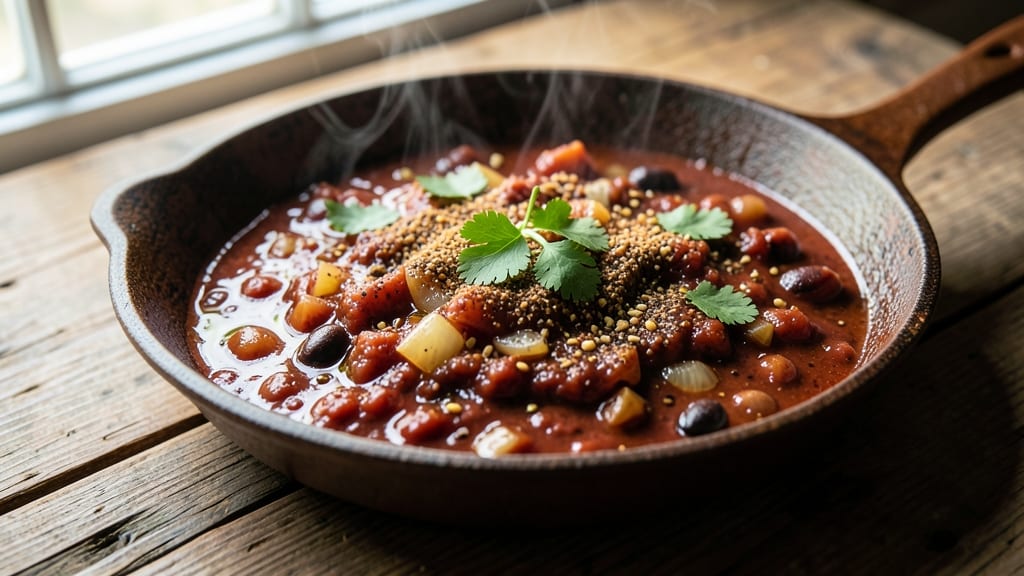
This bean burrito red sauce recipe transforms simple ingredients into a smoky, velvety sauce that elevates every bite. The secret lies in blending chipotle peppers with tomatoes and spices, creating a rich, slightly sweet base perfect for burritos or dips.
I developed this sauce to deliver that restaurant-quality depth without complicated techniques—just a few pantry staples and patience for simmering.
The sauce starts with a simple blend of canned tomatoes, garlic, and onion, then builds layers of flavor through chipotle peppers in adobo and a touch of cumin.
Simmering on low heat allows the flavors to meld, resulting in a smooth, slightly tangy sauce with just the right amount of smokiness. The key is balancing sweetness and heat, so you can adjust the chipotle to taste.
What you’ll end up with is a versatile sauce that clings beautifully to beans, rice, or tortillas, adding depth to every burrito. It’s rich enough to stand alone as a dip but subtle enough to complement other flavors.
The texture is velvety, not chunky, making it ideal for spreading or pouring.
This sauce keeps well in the fridge for up to a week, so you can make a big batch for meal prep. Pair it with black beans, cheese, and your favorite fillings for the ultimate burrito experience. Let’s get started!
Ingredients for bean burrito red sauce
Nine simple ingredients create this rich, velvety sauce perfect for burritos and dips.
| Ingredient | Amount | Notes |
|---|---|---|
| Canned San Marzano Tomatoes 🍅 | 2 cups | Crushed or diced, no salt added |
| Chipotle Peppers in Adobo 🌶️ | 2 whole | Adjusted for heat preference |
| Yellow Onion 🧅 | 1 whole | Medium size, diced finely |
| Garlic Cloves 🧄 | 4 cloves | Peeled, minced for depth |
| Ground Cumin 🌿 | 1 tbsp | Toasted for warmth |
| Smoked Paprika 🌶️ | 1 tbsp | For smoky depth |
| Olive Oil 🫒 | ½ cup | Extra-virgin for richness |
| Vegetable Broth 💧 | 1 cup | Low-sodium preferred |
| Apple Cider Vinegar 🍏 | 1 tbsp | Brightens flavor |
| Brown Sugar 🍬 | 1 tbsp | Balances smokiness |
The chipotle peppers are the heart of this sauce—Penzeys or store-brand adobo both work, but check for freshness (no mold or sliminess). San Marzano tomatoes are worth hunting down at Trader Joe's or Italian markets for their sweetness, but any canned tomatoes in your pantry will do. The onion and garlic are non-negotiable for flavor, so don't skip them. For the cumin, toast it in a dry pan for 30 seconds before adding to deepen its aroma—trust me on this.
No chipotle peppers? Substitute smoked paprika plus a pinch of cayenne (start with 1 tsp smoked, 1/4 tsp cayenne). No San Marzano? Use any crushed tomatoes, but add 1/2 tsp sugar to balance. Running low on apple cider vinegar? Lemon juice works in a pinch, though it'll be slightly less tangy. The brown sugar can be swapped for maple syrup or agave if you prefer, but sugar keeps it balanced perfectly. For extra smokiness, add 1/2 tsp liquid smoke (like La Choy), but don't overdo it.
This sauce tastes even better the next day as flavors meld. Store in an airtight container in the fridge for up to 1 week. For meal prep, double the batch—it reheats beautifully and keeps for 3 months frozen. I like to freeze it in ice cube trays for easy single-use portions. If it thickens too much, just stir in a splash of water or broth when reheating.
Why You'll Love This Recipe
- Five-Ingredient Magic: This sauce comes together with just a can of tomatoes, a chipotle pepper, and a pinch of cumin—no fancy prep, no stress. Honestly, I’ve made it after a long day when I just wanted something warm and didn’t want to chop anything beyond one onion.
- Smoky Depth in Minutes: That adobo sauce from the chipotle? It’s the secret weapon—just a few minutes in the blender, and you’ve got this rich, smoky-sweet base that clings to every bean. The cumin ties it all together like a hug from a spice cabinet.
- Meal Prep MVP: Double the batch and freeze half—it’s my go-to for lazy Tuesdays or when I’m feeding a crowd. Toss it with rice, beans, or even eggs, and suddenly you’ve got dinner covered for the week. (Yes, even on a Tuesday night.)
- Budget-Friendly Powerhouse: San Marzano tomatoes and chipotles in adobo are cheap staples that taste like you spent hours simmering. I’ve made a whole week’s worth of burritos for under $10—no guilt, just flavor.
Step-by-step instructions for smoky chipotle tomato sauce
Here's how to build a velvety, smoky sauce that'll make your burritos unforgettable.
Sauté Onion and Garlic Until Translucent
Heat the 0.5 cup olive oil in a heavy saucepan over medium heat. Add the finely diced 1 whole yellow onion and cook for 5-6 minutes, stirring occasionally, until soft and translucent. This is your flavor foundation—don't rush it.
Add the 4 cloves minced garlic and cook for another 30 seconds until fragrant. You'll smell that sweet garlic aroma filling your kitchen—this is where the magic starts. Watch closely so it doesn't burn, as garlic turns bitter quickly.
Toast the Spices for Maximum Flavor
Lower the heat to medium-low and add the 1 tbsp ground cumin and 1 tbsp smoked paprika. Stir constantly for 1 minute until the spices are fragrant and the cumin stops popping. Toasting the spices deepens their flavor and removes any raw taste.
This step is crucial—it's what gives your sauce that authentic smoky depth. If you skip it, your sauce will taste flat. Keep stirring to prevent burning, and you'll be rewarded with that warm, earthy aroma that announces your sauce is coming together.
Build the Sauce Base with Tomatoes and Chipotle
Increase heat to medium-high and add the 2 cups canned San Marzano tomatoes. Stir well to combine with the onion mixture. Then, carefully remove the seeds and membranes from the 2 whole chipotle peppers in adobo and add them to the pot with 1 tablespoon apple cider vinegar.
Let the mixture simmer for 10 minutes until the tomatoes break down slightly and the sauce begins to thicken. You'll see the chipotle peppers soften and release their smoky goodness. This is when your sauce starts developing that rich, velvety texture we're after.
Simmer and Sweeten for Balance
Add the 1 cup vegetable broth and 1 tablespoon brown sugar, then reduce heat to low. Let the sauce simmer uncovered for 20-25 minutes, stirring occasionally, until it reaches your desired consistency. You're looking for a smooth, thick sauce that coats the back of a spoon.
Taste and adjust seasoning if needed—add a pinch more salt if your broth wasn't low-sodium, or a bit more vinegar for brightness. The brown sugar helps balance the smokiness from the chipotle while adding subtle caramel notes. This simmering time is where all the flavors meld together beautifully.
Blend for Silky Smooth Perfection
Use an immersion blender to purée the sauce directly in the pot until completely smooth. If you prefer a chunkier texture, you can skip blending—but for that restaurant-quality velvety finish, blending is key. The sauce should be completely smooth with no visible chunks.
Return the sauce to a gentle simmer for another 5 minutes to let the flavors settle. You'll notice the sauce thickens slightly more as it cools. Let it cool to room temperature before using, as this helps the flavors develop fully. This smoky chipotle tomato sauce is now ready to transform your burritos!
Pro Tips For Making Bean Burrito Red Sauce
- Sear the Onion Low and Slow: I used to blast the onions on high heat, and they’d turn bitter before caramelizing. For this sauce, cook them over medium-low for 8–10 minutes until deep golden—just until they’re soft but still hold their shape. That’s where the sweetness lives, and it’s the base of your sauce’s depth.
- Toast the Cumin First: Dump that ground cumin straight into the pot before adding anything else, and let it bloom for 30 seconds over medium heat. It’ll smell like a spice shop, but skimp here and your sauce tastes flat. (Yes, even if you’re impatient like me.)
- Simmer, Don’t Boil: After adding the tomatoes and chipotle, keep the heat at a gentle simmer—not a rolling boil. Too much heat turns the sauce thin and dull, and you’ll lose that smoky chipotle flavor to evaporation. A steady simmer for 20–25 minutes lets the flavors meld without breaking down the texture.
- Strain the Adobo Oil: The adobo sauce from the can is salty and vinegary—great for flavor, but not for the sauce itself. After using the chipotle peppers, strain the remaining adobo through a fine-mesh sieve to remove seeds and debris. That extra step keeps your sauce clean-tasting, not briny. (Trust me, your burritos will thank you.)
Regional styles of bean burrito red sauce
Southwest Smoky Style
This sauce is a nod to the bold flavors of Southwest cuisine, where chipotle peppers and cumin reign supreme. In Texas, you’ll often find burrito sauces with extra smoked paprika for depth, while Arizona versions lean into citrus brightness with added lime juice.
I like to toast the cumin until it’s fragrant—this step is non-negotiable for that authentic smoky aroma. For a true Tex-Mex twist, add ½ tsp ground coriander at the end for a citrusy finish. 🌶️
California Fusion Twist
On the West Coast, sauces often incorporate avocado or cashew cream for a velvety texture. Blend in ¼ cup avocado at the end for a richer, almost creamy consistency—perfect for vegan burritos.
Another California staple is cilantro, so I recommend adding 2 tbsp chopped fresh cilantro just before serving. This version pairs beautifully with black bean and sweet potato burritos.
Mexican Street Food Vibes
In Mexico, street vendors often serve salsas with a tangy, slightly sweet profile. To mimic this, add 1 tbsp lime juice and ½ tsp cinnamon at the end of cooking.
The cinnamon might sound unusual, but it rounds out the heat and adds warmth—just like in salsa roja from Oaxaca. For extra authenticity, serve with warm corn tortillas and a sprinkle of crumbled queso fresco.
New Mexico Green Chile Adaptation
If you love green chile, swap the chipotle for 1 cup roasted green chile (canned or fresh) and reduce the smoked paprika to ½ tbsp. This version keeps the smokiness but adds a fresh, grassy note that’s signature to New Mexico cuisine.
I like to blend in 1 roasted poblano pepper for extra depth. It’s a great way to use leftover green chile from holiday meals. 🌿
Spicy Heat Level Guide
Adjust the heat to your preference: mild (remove seeds from 1 chipotle), medium (use 2 whole chipotles), or fiery (add 1 tsp cayenne pepper).
In Sonoran Mexico, sauces often include dried arbol chiles for a fruity heat—try adding 1 tsp ground arbol chile** if you want a different kind of spice. Always taste as you go, especially when experimenting with regional twists. 🔥
Nutrition facts
Frequently asked questions about bean burrito red sauce
Can I make this sauce without chipotle peppers?
For a milder version, substitute 1 tbsp smoked paprika plus ½ tsp cayenne pepper for the chipotle. If you want smokiness without heat, use 1 tbsp liquid smoke (like La Choy) instead. The sauce will still have depth but with a different flavor profile.
How do I adjust the thickness of the sauce?
If your sauce is too thick, stir in 1-2 tbsp water or vegetable broth while simmering. For a thicker consistency, simmer uncovered for 5-10 extra minutes to reduce. The sauce will thicken further as it cools, so start with a slightly thinner consistency if needed.
Can I use this sauce as a dip instead of a burrito topping?
Yes! This sauce works perfectly as a dip when thinned slightly with 2-3 tbsp water or broth for a smoother texture. Serve it warm with tortilla chips or as a veggie dip. The smoky chipotle flavor pairs beautifully with crispy textures, making it a great appetizer sauce.
What's the best way to store leftover sauce?
Store in an airtight container in the fridge for up to 1 week. For longer storage, freeze in ice cube trays or small containers for 3 months. Thaw overnight in the fridge before reheating. The sauce actually improves in flavor after the first day as the ingredients meld.
How can I make this sauce vegan?
This recipe is already vegan-friendly! Just ensure your vegetable broth is plant-based and check that your chipotle peppers in adobo are vegan (some brands use honey). The sauce's rich, smoky flavor works perfectly with vegan burrito fillings like black beans, rice, and avocado.