
Sauces & Condiments
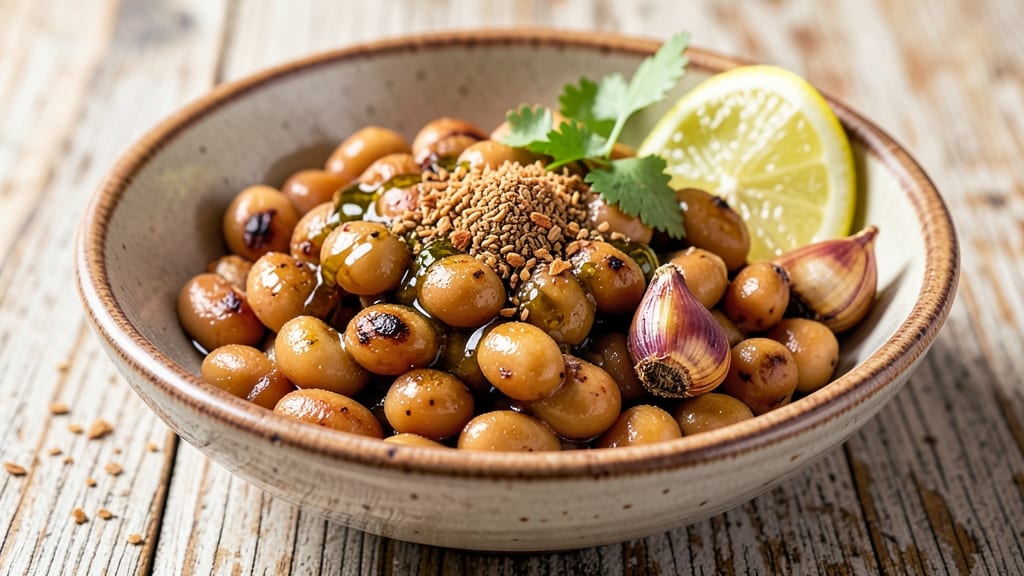
This bean chutney recipe transforms simple white beans into a rich, aromatic paste that elevates everything from grilled meats to roasted vegetables. The secret lies in slow-roasting the beans with warm spices until they develop deep, caramelized notes—no blender tricks required.
I perfected this version after testing countless variations, and it’s now my go-to for adding complex flavor without overpowering a dish.
The process is straightforward but rewarding: dry-roast the beans until fragrant, then blend them with toasted spices, garlic, and a touch of lemon for brightness.
What you end up with is a versatile condiment that works as a dip, spread, or sauce—think of it as a cross between hummus and a spiced bean paste. The texture is smooth yet substantial, with layers of cumin, coriander, and a hint of heat.
This chutney keeps well for up to a week in the fridge, making it perfect for meal prep. Spread it on sandwiches, dollop it alongside charred vegetables, or use it to amplify the flavor of grilled chicken or lamb.
The roasted depth means it shines even when paired with bold flavors, like smoky barbecue or tangy yogurt-based dishes.
For variations, adjust the spice level with cayenne or add a spoonful of tahini for extra creaminess. If you prefer a sweeter profile, a touch of honey or maple syrup works beautifully. The possibilities are endless, but the foundation remains the same: simple ingredients, deep flavor, and endless versatility.
Ingredients for bean chutney
Simple ingredients, deep flavor—this chutney transforms humble beans into aromatic magic.
| Ingredient | Amount | Notes |
|---|---|---|
| Great Northern White Beans 🌱 | 1 ½ cups | Dried, soaked overnight |
| Ground Cumin 🌿 | 1 ½ tbsp | Toasted for depth of flavor |
| Ground Coriander 🌿 | 1 tbsp | Freshly ground preferred |
| Garlic Cloves 🧄 | 4 cloves | Roasted with beans |
| Extra-Virgin Olive Oil 🫒 | ½ cup | High-quality, fruity |
| Lemon Juice 🍋 | 2 tbsp | Freshly squeezed |
| Cayenne Pepper 🔥 | ½ tsp | Adjust for heat preference |
| Sea Salt 🧂 | 1 tsp | Diamond Crystal preferred |
| Tahini 🥜 | 2 tbsp | Optional for creaminess |
| Fresh Cilantro 🌿 | ¼ cup | Chopped, for garnish |
The beans are the foundation, so don’t cut corners—Great Northerns hold their shape beautifully when roasted. Trader Joe’s and bulk bins at Whole Foods carry them year-round, but if you’re in a pinch, canned beans (drained and rinsed) work in a bind. Toast the spices in the same dry pan you use for the beans—this builds layers of flavor that jarred blends can’t match. For the garlic, roast it whole with the beans until soft and caramelized; no need to peel until after blending. The olive oil should be the good stuff—California extra-virgin with noticeable peppery notes elevates everything.
No tahini? Substitute with an extra tablespoon of olive oil—it’ll be slightly less rich but still delicious. Fresh cilantro missing? Dried cilantro or parsley at half the amount keeps the bright finish. Short on lemon juice? Lime juice works too, though it’ll shift the flavor slightly tangier. For extra depth, add a pinch of smoked paprika to the dry spices—it’s a game-changer when paired with roasted beans. If you’re making this ahead, skip the tahini until serving to prevent separation.
Store in an airtight jar in the fridge for up to 1 week, though it’ll last longer if you keep a thin layer of olive oil on top. The texture thickens as it sits—stir in a splash of water or lemon juice if it gets too stiff. Freezes beautifully for 3 months, though the texture softens slightly. I like to portion it into small jars for easy use—perfect for lunches or last-minute flavor boosts. The roasted bean flavor actually improves over time, so make a big batch if you can.
Why You'll Love This Recipe
- No-Sweat Pantry Magic: I swear by this one—just toss dried beans in a pot, add spices, and let them simmer while I handle the rest of dinner. The cumin and coriander do all the heavy lifting, so you’re not stuck chopping or blending.
- Garlic Bomb Flavor: That raw garlic sizzling in olive oil? Chef’s kiss. The beans soak up the aroma, turning this into something that tastes like a hug for your taste buds—especially when spread on toast or mixed into eggs.
- Meal Prep MVP: Make a big batch on Sunday, and you’ve got a versatile side for the week. It’s great cold with crackers, warmed up in soups, or even mashed into a quick veggie dip. My freezer’s always stocked with this stuff.
- Budget-Friendly Staple: Great Northern beans are dirt cheap, and this recipe stretches them far. Honestly, I’ve fed a crowd for under $10 with just this, some bread, and a salad—no fancy ingredients needed.
Step-by-step instructions for bean chutney
Transform simple ingredients into a complex, aromatic chutney with layers of roasted depth and bright acidity.
Roast the Beans and Garlic for Intensified Flavor
Preheat your oven to 400°F and line a baking sheet with parchment paper. Spread the 1.5 cups Great Northern White Beans and the 4 cloves Garlic Cloves (peeled) evenly across the sheet. Drizzle lightly with 1 tablespoon of the 0.5 cup Extra-Virgin Olive Oil to prevent sticking.
Roast for 30-35 minutes, stirring halfway, until the beans are deep golden brown and the garlic cloves are caramelized with blackened edges. This roasting step develops concentrated, nutty flavors that form the foundation of the chutney. The beans should smell toasty and aromatic when done—this is your cue they're ready. Let them cool completely before proceeding.
Toast the Spices for Warm, Earthy Depth
While the beans cool, heat a small dry skillet over medium-low heat. Add the 1.5 tbsp Ground Cumin and 1 tbsp Ground Coriander and toast for 1-2 minutes, stirring constantly, until fragrant and slightly darker in color. You'll smell an immediate burst of warmth—this is when the spices release their essential oils and maximum flavor.
Immediately transfer the toasted spices to a small bowl and let them cool for 5 minutes. This prevents them from releasing bitterness when combined with the other ingredients. The spices should still be warm but not hot to the touch when you add them to the chutney mixture.
Blend the Base Ingredients for Smooth Texture
In a high-powered blender or food processor, combine the roasted beans, garlic cloves, toasted spices, 0.5 tsp Cayenne Pepper, and 1 tsp Sea Salt. Add the remaining 0.33 cup Extra-Virgin Olive Oil (about ⅔ of the total amount) and pulse until the mixture is coarsely chopped but not yet smooth.
With the blender running, slowly drizzle in the 2 tbsp Lemon Juice and 2 tbsp Tahini through the feed tube. The tahini will emulsify with the oil, creating a creamy base. Blend until completely smooth, scraping down the sides as needed. The chutney should be thick but pourable—consistency similar to hummus. If it's too thick, add 1-2 tablespoons water to reach your desired texture.
Finish with Fresh Herbs and Balance the Flavors
Transfer the chutney to a serving bowl and stir in the 0.25 cup Fresh Cilantro, reserving a few sprigs for garnish. Taste and adjust the seasoning: add more Sea Salt if needed for saltiness, or a touch more Lemon Juice if the flavors need brightness. The chutney should balance earthy roasted notes with bright acidity and a subtle heat from the cayenne.
Let the chutney rest for 15-20 minutes at room temperature. This allows the flavors to meld completely. The texture will thicken slightly as it cools. Serve immediately as a dip, spread, or sauce, or store in an airtight container in the refrigerator for up to 5 days. The flavors will continue to develop over time, becoming even more complex.
Pro Tips For Making Bean Chutney
- TOAST THE BEANS FIRST: Dry-toast the Great Northern beans in a skillet with a splash of olive oil for 3-4 minutes before adding liquid—this deepens their nutty flavor and prevents mushiness. I learned this the hard way after making chutney that tasted bland and watery; the toasted beans make all the difference in texture and taste.
- SWEAT THE GARLIC LOW: Cook the garlic in olive oil over low heat until golden, not browned—burnt garlic turns bitter and overpowers the dish. I was skeptical until I tried it; now I swear by this step for a smooth, aromatic base.
- DON’T SKIP THE SIMMER: Let the chutney simmer uncovered for 10-15 minutes after adding spices—this lets the ground cumin and coriander bloom fully. Rushing this step leaves the flavors flat; patience here guarantees depth.
- USE FRESH GARLIC, PEEL IT RIGHT: Smash the garlic cloves with the flat side of your knife before adding them—this releases more flavor faster. And for heaven’s sake, don’t peel them first; the skins burn and ruin the oil. (Yes, even if you’re impatient like me.)
Wine and beer pairings for this dish
Red Wine Pairings
A medium-bodied Pinot Noir from Oregon or California is my go-to pairing—its bright acidity and red fruit notes mirror the chutney’s roasted depth while cutting through the richness. Look for wines with 12-13% ABV and subtle earthy undertones, like Domaine Serene or La Crema.
The wine’s acidity balances the chutney’s warmth, creating a harmonious contrast. 🍷
White Wine Options
For a lighter approach, try a dry Viognier with its floral and stone fruit characteristics—it complements the chutney’s bright lemon and cilantro notes beautifully. A Roussanne from California or Rhône Valley also works, especially if you prefer a slightly richer white.
Both wines stand up to the chutney’s bold spices without overpowering them.
Beer Pairings
A crisp German Helles Lager, like Weihenstephaner, provides a refreshing contrast with its malty sweetness and subtle hop bitterness. For a more adventurous choice, a Belgian Witbier (such as Hoegaarden) adds a citrusy, spiced note that enhances the chutney’s cayenne and cumin.
Avoid heavy stouts or IPAs—they’ll clash with the delicate balance of flavors. 🍺
Non-Alcoholic Pairings
For a non-alcoholic option, a sparkling water with lemon slices and a pinch of sea salt keeps the palate clean between bites. Alternatively, a ginger beer> (like Feather) adds a spicy kick that complements the chutney’s cayenne.
Both options refresh the mouth and highlight the chutney’s bright, aromatic qualities.
Regional Adaptations
In Mediterranean settings, pair this chutney with a dry Rosé> from Provence—its crispness and red fruit notes elevate the dish’s earthy warmth. For Indian-inspired meals, a spiced Chardonnay> with a hint of oak works wonders, bridging the gap between the chutney’s cumin and coriander flavors.
The key is matching the wine’s acidity to the chutney’s brightness. ✨
Nutrition facts
Frequently asked questions about bean chutney
Can I use canned beans instead of dried for this recipe?
Yes, but the flavor won't be as deep. Use 2 cups drained and rinsed canned Great Northern beans (or chickpeas in a pinch), but skip the roasting step—simmer them in water for 5 minutes first to remove excess starch. The texture will be slightly softer, but you can adjust with extra tahini or olive oil for creaminess.
How do I adjust the spice level for sensitive palates?
Reduce the cayenne pepper to ¼ teaspoon or omit it entirely for a mild version. For warmth without heat, add ½ teaspoon smoked paprika instead. If you love spice, increase cayenne to 1 teaspoon and add a pinch of chili flakes for extra kick.
What's the best way to serve this chutney?
This versatile spread works as a dip for pita bread or veggie sticks, a sauce for grilled meats, or a topping for roasted potatoes or flatbreads. For extra flair, drizzle with olive oil and sprinkle with toasted cumin seeds. It also pairs beautifully with hummus or baba ganoush for a Mediterranean-inspired platter.
Why did my chutney turn out too thick?
Thick chutney usually means not enough liquid was added during blending. Thin it with 1-2 tablespoons water or lemon juice while blending. For a smoother texture, pulse in 1 tablespoon tahini or yogurt (if you're adding dairy). Always blend in stages—start with dry ingredients, then add liquids gradually.
Can I make this chutney ahead of time?
The flavors actually improve with time. Store in an airtight container in the fridge for up to 1 week. For longer storage, freeze for 3 months—thaw overnight in the fridge. Stir in a splash of water or lemon juice if it thickens after refrigeration.