
Main Courses
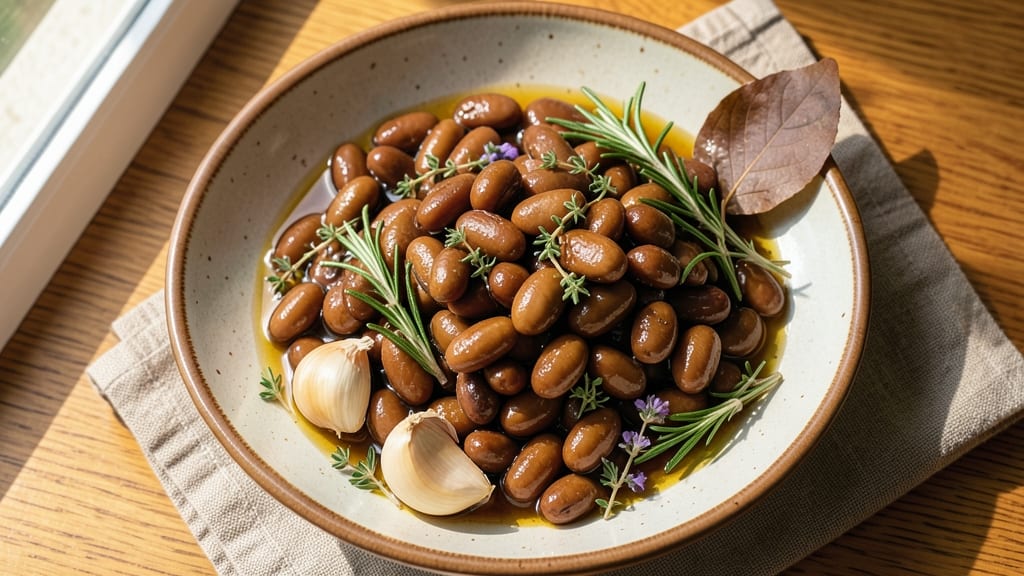
This bean confit recipe transforms humble dried beans into melt-in-your-mouth perfection using a simple slow-cooking technique in rich, flavorful oil. The key lies in the gentle heat and fat bath that preserves texture while infusing deep, savory notes—whether you use traditional duck fat or robust olive oil.
I've perfected this method to deliver beans that are tender yet hold their shape, with a subtle richness that makes every bite unforgettable.
The process is straightforward but requires patience—beans simmer for hours in their fat bath until they reach that ideal texture. What makes this recipe special is its versatility: use duck fat for classic confit flavor or olive oil for a vegan-friendly version.
The result is a dish that's equally impressive as a main course or a hearty side, especially when paired with crusty bread to soak up the fragrant oil.
By the end, you'll have beans that are impossibly tender yet still hold their shape, infused with the deep flavor of the cooking fat. The technique is foolproof once you understand the balance between heat and time, and the results are worth every minute of waiting.
This method transforms ordinary beans into a restaurant-worthy centerpiece that's surprisingly simple to achieve at home.
Serve with fresh herbs, toasted bread, or a simple green salad to complement the rich, savory profile. The beauty of confit lies in its ability to elevate simple ingredients into something extraordinary—perfect for special occasions or when you want to impress without complicated techniques.
Let's get started on creating this timeless dish.
Ingredients for bean confit
Rich oil, aromatic herbs, and patient cooking transform simple beans into restaurant-quality confit.
| Ingredient | Amount | Notes |
|---|---|---|
| Dried White Beans 🌾 | 1 ½ cups | Dried navy or cannellini preferred |
| Extra-Virgin Olive Oil 🫒 | 2 cups | High-quality, fruity variety |
| Garlic Cloves 🧄 | 6 cloves | Peeled and lightly crushed |
| Fresh Rosemary 🌿 | ¼ cup | Chopped, stems removed |
| Fresh Thyme 🌿 | ⅛ cup | Leaves only, finely chopped |
| Bay Leaves 🍃 | 2 whole | Dried, standard size |
| Sea Salt 🧂 | 1 ½ tbsp | Diamond Crystal preferred |
| Black Peppercorns 🌶️ | 1 tsp | Coarsely ground |
| Crusty Bread 🍞 | 1 loaf | For serving, optional |
| Fresh Parsley 🌿 | ⅛ cup | Chopped, for garnish |
| Vegetable Broth 💧 | 1 cup | Low-sodium preferred |
The beans are the foundation—dried white beans work best for their firm texture, but cannellini or navy hold up equally well. Whole Foods or bulk bins at natural grocery stores often carry high-quality dried beans. Look for vibrant color and no off smells—freshness matters. If using canned beans, drain and rinse thoroughly to remove excess sodium. The olive oil should be extra-virgin—the fruity, peppery notes infuse beautifully into the beans. Trader Joe's or Whole Foods carry excellent options at reasonable prices. Avoid 'light' olive oil as it lacks the depth needed for confit.
No fresh rosemary? Dried works at half the amount, but fresh is ideal for that bright, piney aroma. The thyme and parsley can be swapped—fresh oregano adds a nice twist if you prefer. Running short on vegetable broth? Water with an extra pinch of salt suffices, though the broth adds subtle depth. The bay leaves are non-negotiable—they impart that classic confit flavor. If you're making this ahead, freeze the oil-bean mixture in portions for up to 3 months. When reheating, warm gently in the oil to preserve texture. For extra richness, add 1 tbsp of miso paste to the oil before cooking.
Store the confit in its flavorful oil in an airtight container in the fridge for up to 5 days. The oil will keep indefinitely if stored properly—just keep the beans submerged. Portion into small jars for easy serving. When reheating, warm gently in the oil over low heat for 5-10 minutes. This dish tastes even better the next day as flavors meld. For serving, toast the crusty bread until golden and serve with a drizzle of the fragrant oil. The confit keeps well frozen for 6 months—thaw in the fridge overnight before reheating.
Why You'll Love This Recipe
- Umami Bomb: That crispy garlic skin clinging to the beans? Pure flavor gold. The rosemary and thyme steep into the oil, turning every bite into a savory, herby hug—like a Mediterranean hug, but edible. Honestly, I’ve never met a bean this addictive.
- Weeknight to Potluck: Make a double batch on Sunday, and you’ve got lunch for the week or a showstopper for dinner guests. The confit keeps for days, so I use it in salads, toss it with pasta, or just eat it straight—no judgment. (Yes, even on a Tuesday night.)
- Pantry Powerhouse: Dried beans are my budget secret weapon, and this recipe stretches them into something luxurious. A few dollars’ worth of beans becomes a meal that feels fancy, feeds four, and leaves me with leftovers I’ll actually eat the next day. No waste, all win.
Step-by-step instructions for slow-cooked bean confit
Transform simple dried beans into luxurious confit with this method—rich, tender, and infused with aromatic herbs.
Prepare and Soak the Dried White Beans
Place the 1.5 cups dried white beans in a large bowl and cover them completely with cold water. Let them soak for at least 8 hours or overnight—this ensures even cooking and prevents tough texture. I prefer soaking them in the refrigerator to maintain freshness and control any potential fermentation.
After soaking, drain the beans and rinse them thoroughly under cold water. Transfer them to a large pot and add 1 cup vegetable broth. Bring to a gentle boil, then reduce heat to medium-low and simmer for 30 minutes. This pre-cooking step softens the beans slightly and helps them absorb the flavors more effectively during the confit process.
Build the Herb-Infused Oil Bath
In a separate large skillet or deep saucepan, heat 2 cups extra-virgin olive oil over low heat. Add the 6 peeled and lightly crushed garlic cloves, 0.25 cup chopped fresh rosemary, 0.125 cup finely chopped fresh thyme, 2 whole bay leaves, 1.5 tablespoons sea salt, and 1 teaspoon coarsely ground black peppercorns. Let the mixture infuse for 10 minutes, stirring occasionally.
Watch the oil closely—it should gently bubble but not smoke. The herbs will release their aromatic oils into the oil, creating a fragrant base for your confit. Remove the skillet from heat and let it cool slightly before proceeding. This infused oil is the heart of your bean confit, so don't rush this step.
Combine Beans and Oil for Slow Cooking
Drain the pre-cooked beans and add them to the infused oil in the skillet. Stir gently to coat each bean evenly with the herb-infused oil. Cover the skillet and transfer it to a 275°F oven. Cook for 2 to 2.5 hours, stirring once halfway through the cooking time to ensure even exposure to the oil and heat.
You'll know the beans are ready when they're fork-tender and have absorbed the oil's rich flavors. The beans should be soft but still hold their shape, with a glossy sheen from the olive oil. If you're unsure, test one—it should be tender but not mushy. This slow cooking process is key to developing the deep, complex flavors of confit.
Rest and Serve
Remove the skillet from the oven and let the beans rest in the oil for 15 minutes. This resting period allows the flavors to meld and the beans to absorb even more of the aromatic oil. While the beans rest, toast slices of crusty bread in a dry skillet until golden and crisp.
To serve, transfer the beans and their infused oil to a serving dish. Garnish with 0.125 cup chopped fresh parsley for a pop of color and freshness. Serve the beans warm or at room temperature, spooned over the toasted bread. The oil will coat the bread, creating a luxurious, flavorful bite with every mouthful.
Pro Tips For Making Bean Confit
- SOAK BEANS OVERNIGHT: Dried white beans need serious hydration—toss them in cold water with a pinch of salt for at least 12 hours (yes, even if you’re impatient). I learned this the hard way: skipping the soak leaves them rock-hard no matter how long you simmer, and that’s a flavor killer.
- SIMMER LOW AND SLOW: Crank the heat to medium-high just to boil, then drop it to a gentle simmer—think tiny bubbles, not a rolling pot. After burning three batches, I finally figured out that rushing this step makes the beans mealy instead of tender. Trust the process, even if it takes 2+ hours.
- SKIP THE CROWDED POT: Beans need room to breathe—don’t fill the pot more than halfway. I was skeptical until I tried it: packed tight, they turn mushy; loose, they soak up the oil and herbs like sponges. Add water as needed, but keep that space.
- FRY HERBS FIRST: Toss chopped rosemary and thyme in the olive oil over low heat for 2 minutes—just until fragrant. This infuses the oil before the beans go in, making every bite taste like you slaved over it. (Your future self will notice the difference.)
Serving suggestions for this recipe
Crusty Bread Pairing
Serve your bean confit with crusty bread to create the ultimate dipping experience. I recommend a baguette or sourdough—their sturdy crust holds up to the rich oil while absorbing all the aromatic flavors.
Toast the bread until golden and crisp, then serve alongside the beans. The contrast between the warm, chewy bread and the silky confit creates a perfect bite every time. 🍞
Herb-Infused Oil Drizzle
Don’t waste that fragrant oil! Use it as a finishing drizzle over other dishes like roasted vegetables, grilled meats, or even a simple salad. The infused oil adds a luxurious depth to any plate.
Store any leftover oil in an airtight container in the fridge for up to 3 months—it’s too good to throw away. For extra flair, mix a pinch of red pepper flakes into the oil before drizzling.
Fresh Greens Balance
A bright, crisp side salad balances the richness of the confit beautifully. Toss mixed greens with a light vinaigrette made from 1 tbsp lemon juice, 2 tbsp olive oil, and a pinch of honey.
Add sliced cucumber or radishes for crunch. The acidity cuts through the oil’s richness, making every bite more vibrant. I like to sprinkle toasted pine nuts on top for texture.
Cheese and Charcuterie
Turn your bean confit into a charcuterie centerpiece by pairing it with aged cheeses like Comté or Pecorino, and cured meats such as prosciutto or salami. The salty, savory notes complement the confit’s herbal richness.
Arrange everything on a wooden board with fig jam or honey for dipping. This makes an impressive spread for gatherings or a cozy dinner.
Warm Polenta Twist
For a heartier option, serve the confit over creamy polenta. Cook polenta according to package instructions, then top with the beans and a drizzle of the infused oil.
The soft, buttery polenta soaks up the oil beautifully, creating a comforting, satisfying dish. Add a sprinkle of grated Parmesan and fresh thyme for extra depth.
Garnish Like a Pro
Elevate your presentation with a few finishing touches. A sprinkle of fresh parsley adds freshness, while a few toasted breadcrumbs give crunch. For a smoky touch, drizzle with a tiny bit of smoked paprika or chili oil.
The key is to keep it simple—let the confit’s rich flavors shine while adding just enough contrast to make the dish visually appealing.
Nutrition facts
Frequently asked questions
Can I use canned beans instead of dried for this recipe?
While you can use canned beans, dried beans create the best texture for confit. If you must use canned, choose low-sodium varieties and rinse thoroughly. For best results, pre-cook canned beans for 15-20 minutes in broth to remove excess moisture before adding to the oil bath. The key is achieving that tender-yet-firm texture that defines confit.
What's the best fat for bean confit if I'm avoiding meat?
For a plant-based version, use extra-virgin olive oil—it holds up beautifully and adds rich flavor. Avocado oil works too, especially for high-heat methods. The key is using a high-quality oil with good smoke point. Avoid refined oils that lack flavor depth. For extra richness, try blending olive oil with a splash of vegetable broth.
How do I know when the beans are perfectly tender?
Test with a fork—they should be fork-tender but still hold their shape, with a slight resistance. The beans should be soft enough to eat with a spoon but not mushy. If they fall apart, they've been overcooked. The ideal texture is like al dente pasta—just tender enough to melt in your mouth while maintaining structure.
Can I make this recipe in a slow cooker?
After pre-cooking the beans, transfer everything to a slow cooker and cook on low for 4-5 hours. The key is keeping the beans submerged in oil. For best results, use a deep slow cooker or add enough oil to fully cover the beans. Stir occasionally to prevent sticking, and finish with a quick oven warm if needed.
What's the secret to preventing the oil from burning?
Always use low heat and never exceed 275°F. Monitor the oil closely—it should bubble gently but not smoke. If you notice any smoke, reduce heat immediately. The herbs help stabilize the oil by releasing their aromatic compounds gradually. For extra safety, use a deep skillet with high sides to contain the oil.