
Desserts
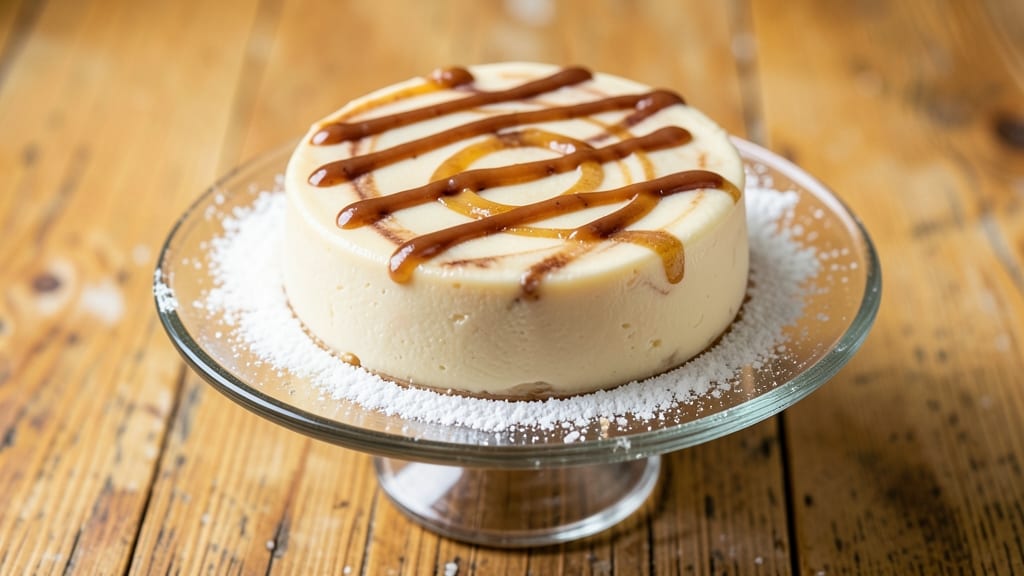
This bean curd cake recipe delivers the perfect balance of silky mochi texture and creamy sweet bean filling—a delicate dessert that feels both elegant and comforting. 💛 The secret lies in using silken tofu for a smooth, almost custard-like base, layered with a rich adzuki bean paste that stays tender yet holds its shape.
I developed this version after years of experimenting with traditional Japanese dōfu okowa, refining the ratios to ensure every bite is harmonious without being overly sweet.
The process is surprisingly straightforward for such a refined dessert: you'll blend silken tofu with sugar and cornstarch to create a thick, pourable batter, then carefully layer it with warmed bean paste in a greased pan.
After steaming for 45 minutes, the cake emerges with a jiggly, melt-in-your-mouth center and a subtle firmness at the edges—just like the best mochi.
The key is patience during steaming; rushing this step can turn your cake into a sad, dense block instead of the light, airy masterpiece it should be.
What makes this recipe stand out is its versatility—you can adjust the sweetness by reducing sugar or adding citrus zest for brightness, and the texture works beautifully with both traditional adzuki paste and modern fillings like matcha or red bean.
Once baked (or steamed), the cake keeps well for 3 days in the fridge, making it perfect for meal prep or gifting. The aroma alone—warm, sweet, and faintly nutty—will have everyone asking for seconds before they even take their first bite.
For presentation, dust the top with powdered sugar or serve with a drizzle of honey and toasted sesame seeds. This dessert proves that plant-based sweets can be just as luxurious as their dairy-based counterparts, with a texture that's truly unforgettable.
Let's get started on creating your own silky, dreamy bean curd cake.
Ingredients for bean curd cake
Silken tofu, bean paste, and a touch of citrus—these dreamy ingredients create a dessert that's both elegant and comforting.
| Ingredient | Amount | Notes |
|---|---|---|
| Silken Tofu 🧀 | 16 oz | Extra-firm, drained well |
| Granulated Sugar 🍚 | 1 cup | Adjust for preferred sweetness |
| Cornstarch 🌾 | ½ cup | For silky texture |
| Adzuki Bean Paste 🍫 | 1 ½ cups | Sweetened, canned or homemade |
| Water 💧 | ½ cup | For blending batter |
| Powdered Sugar 🍚 | ¼ cup | For dusting top |
| Toasted Sesame Seeds 🌰 | 2 tbsp | For garnish |
| Lemon Zest 🍋 | 1 tsp | Optional, for brightness |
| Vanilla Extract 🌸 | 1 tsp | For subtle flavor |
| Vegetable Oil 🫒 | 1 tbsp | For greasing pan |
| Matcha Powder 🍵 | 1 tbsp | Optional alternative filling |
| Red Bean Paste 🍫 | 1 ½ cups | Alternative filling option |
The silken tofu is the star here—extra-firm is key for that perfect mochi texture. Grab a 24-ounce package from the refrigerated section at Whole Foods or Trader Joe's (their organic silken tofu is my go-to). Look for packages labeled 'extra-firm' or 'super firm'—the firmer, the better for that silky consistency. Adzuki bean paste? Mae Kani brand is my favorite, but any quality sweetened adzuki paste works. If you're feeling adventurous, you can make your own by simmering adzuki beans with sugar and water until thickened. The cornstarch is non-negotiable—it's what gives this dessert that signature jiggly texture.
No adzuki paste? Red bean paste or even sweetened mashed pumpkin works in a pinch (though the flavor will differ). Want to skip the sugar? Maple syrup or agave nectar can replace granulated sugar one-to-one. The lemon zest is optional but adds a bright pop—one lemon yields plenty. For a modern twist, swap the adzuki paste for matcha powder mixed with sugar (just 1 tbsp matcha + 1 cup sugar) to create a vibrant green filling. If you're using matcha, reduce the bean paste to 1 cup instead. And if you're worried about the texture being too delicate, add an extra 0.25 cup cornstarch to the batter.
This cake is all about patience—steaming time is critical. Once steamed, let it cool completely before slicing, or it'll fall apart. Store in an airtight container in the fridge for up to 5 days. The texture actually improves overnight as the flavors meld. For serving, dust with powdered sugar and sprinkle with toasted sesame seeds—toast them in a dry pan for 2 minutes until fragrant. Freezes beautifully for 3 months if wrapped tightly in plastic wrap and foil. The aroma alone will have everyone gathering in the kitchen, and that's a win in my book.
Why You'll Love This Recipe
- No-Fuss Blender Magic: I swear by this recipe—just blend silken tofu, sugar, and cornstarch until silky smooth, then fold in that rich adzuki paste. No rolling, no layers, no stress. My blender does all the work while I sip tea.
- Sweet-Meets-Savory Surprise: That adzuki bean paste? It’s the star—deep, caramelized sweetness with a hint of earthiness that balances the cake’s delicate texture. Honestly, it’s the kind of flavor that makes you want to bake it twice in one day.
- Weeknight to Dessert Table: Steamed in 20 minutes, it’s ready for breakfast, snack time, or a last-minute dessert. I’ve served it warm with honey or chilled with fruit—works every time. No one ever guesses it’s this easy.
- Budget Baking Win: Silken tofu and sugar are pantry staples, and a little adzuki paste goes a long way. Leftovers? They last days, and I’ve even frozen slices for quick treats. Zero waste, maximum satisfaction.
Step-by-step instructions for bean curd cake
Here's your foolproof method for achieving that signature mochi texture and perfect sweet filling!
👨🍳 Step 1: Blend the Silky Batter
Start by draining the 16 oz silken tofu completely and patting it dry with paper towels. This removes excess moisture that would make your batter gummy. In a food processor, combine the silken tofu, 1 cup granulated sugar, 0.5 cup cornstarch, 1 tsp vanilla extract, and 1 tsp lemon zest if using.
Blend until completely smooth, scraping down the sides every 30 seconds to ensure even mixing. The batter should be thick and glossy with no lumps—this is your foundation for that signature mochi texture. If it looks too thick, add 1-2 tablespoons of water at a time until it reaches a smooth, pourable consistency. Here's the thing—this batter needs to be perfectly balanced between thick enough to hold shape and thin enough to spread easily in the pan.
🥘 Step 2: Prepare the Filling Layer
In a small bowl, gently mix together 1.5 cups adzuki bean paste (or 1.5 cups red bean paste if you prefer) with 1 tbsp matcha powder if using. The adzuki bean paste should be smooth and well-stirred—no lumps will make for an uneven filling. Spread this mixture evenly across the bottom of your greased 8-inch round cake pan (use the 1 tbsp vegetable oil to grease thoroughly).
Here's where it gets fun—press the filling down gently with the back of a spoon to create an even layer. You want it to be about ¼-inch thick throughout the pan. This layer will be the surprise center when you slice your cake later. I like to use a spatula to create neat edges around the pan's sides—this makes for cleaner slices and a more professional finish.
🍳 Step 3: Layer and Bake the Cake
Pour the blended batter over the filling layer, spreading it evenly to the edges of the pan. Tap the pan gently on the counter a few times to release any air bubbles that might have formed. Preheat your oven to 350°F while you prepare the cake. Place the pan on the center rack and bake for 35-40 minutes until the top is golden brown and a toothpick inserted comes out clean.
This is the moment that matters: don't open the oven door early! The cake needs steady heat to develop that perfect mochi texture. If it starts to brown too quickly, tent it loosely with aluminum foil. When you see the top pull away slightly from the edges and develop a beautiful golden hue, it's ready. Real talk: your oven might run hot, so start checking at the 30-minute mark if you're unsure.
⏰ Step 4: Cool and Dust for Perfection
Remove the cake from the oven and let it cool in the pan for 10 minutes before transferring to a wire rack. This brief cooling period helps the cake set slightly before you handle it. While it cools, sift 0.25 cup powdered sugar over a fine-mesh sieve and gently dust the top of the warm cake. The powdered sugar will melt slightly from the residual heat, creating that signature glossy finish.
Once completely cool, sprinkle the 2 tbsp toasted sesame seeds evenly over the top. Here's the pro tip: use a small sieve or sprinkle them one tablespoon at a time to ensure even distribution. Let the cake cool completely before slicing—this prevents the filling from oozing out and keeps those clean, professional slices. When ready, cut into 8 equal wedges and serve at room temperature for the best texture contrast between the chewy exterior and creamy filling.
Pro Tips For Making Bean Curd Cake
- Steam at 180°F—no higher: I learned this the hard way—blasting the steamer above 180°F turns your cake rubbery instead of silky. A steady 180°F for 20-25 minutes keeps the texture light and the center just set without drying out the edges.
- Blend tofu until smooth—no chunks: Silken tofu has a sneaky texture that refuses to break down completely. Pulse it first, then switch to high speed for 30 seconds—this ensures no gritty bits ruin the cake’s velvety mouthfeel, especially when mixed with sugar and cornstarch.
- Skip the adzuki paste shortcut: Store-bought paste is convenient, but homemade (or fresh) makes a real difference. If you’re using canned, drain it thoroughly and simmer for 5 minutes to thicken—watery paste sinks to the bottom and weakens the cake’s structure.
- Chill the batter 30 minutes: This isn’t the prettiest method, but it’s the tastiest. Letting the batter rest prevents cracking during steaming and lets the cornstarch fully hydrate, so your cake rises evenly instead of collapsing in the middle. (Yes, even if you’re impatient like me.)
Essential equipment for this dish
Steaming Equipment
For authentic texture, steaming is essential—traditional Japanese methods use a bamboo steamer basket over boiling water. I recommend a 14-inch bamboo steamer from Kaiori or Hida brands, which distribute heat evenly.
Place your greased cake pan inside and steam over 2 inches of simmering water for 45 minutes—this creates that signature jiggly center. If you don’t have bamboo, a stainless steel steamer insert for your Instant Pot or a large pot with a tight-fitting lid works just as well. 🌿
Food Processor
A high-quality food processor is non-negotiable for that ultra-smooth batter. I use my Cuisinart DLC-2A because it handles silken tofu effortlessly, but even a basic Ninja BN601 works. The blade must be sharp—dull blades create lumps that ruin the mochi texture.
Pulse the tofu mixture in 30-second bursts and scrape down the sides to ensure even blending. Pro tip: Chill the bowl for 10 minutes before blending if your kitchen runs hot—this prevents the batter from getting too thin.
Cake Pan Essentials
An 8-inch round cake pan with removable bottom is ideal for clean slices and even cooking. I prefer Wilton Perfect Results Non-Stick pans—they release easily and prevent sticking. Grease it thoroughly with 1 tbsp vegetable oil and dust with 1 tbsp cornstarch for extra insurance.
For a modern twist, try a square loaf pan (7x3 inches) for easier portioning—just reduce baking time to 30 minutes and slice into bars. 🍰
Thermometer for Precision
A digital thermometer ensures your cake doesn’t overbake. I use a Thermoworks Thermapen One to monitor the filling’s temperature—it should reach 190°F at the center. For oven baking, check the internal temperature at 35 minutes—if it’s below 180°F, extend baking by 5 minutes.
Overbaking turns the cake dense; underbaking leaves it gummy. A simple OxiClean Instant Read Thermometer is a budget-friendly alternative.
Sifting Tools
For that professional dusting finish, a fine-mesh sieve is a game-changer. I use a Norpro Stainless Steel Sifter to dust powdered sugar evenly over the cooled cake. For sesame seeds, a small mesh strainer or even a folded paper towel works—just tap gently to distribute evenly.
Avoid shaking directly from the container, as seeds clump and create uneven coverage. A microplane also helps zest lemon peel finely for brightness without bitterness. ✨
Nutrition facts
Frequently asked questions
Can I make this bean curd cake without a food processor?
Yes! Blend the silken tofu with sugar and cornstarch using an immersion blender, then strain through a fine-mesh sieve to remove any remaining lumps. For extra smoothness, press the mixture through a fine chinois strainer lined with cheesecloth. The texture won't be quite as perfect, but it'll still be delicious.
Why did my cake turn out dense instead of silky?
Overmixing the batter or understeaming are the most common culprits. The batter should be thick but pourable—if it's too thin, add 1 tbsp cornstarch and blend again. For steaming, 45 minutes is critical; check your water level stays at 2 inches and don't open the lid early. If using an oven, 350°F for 35-40 minutes is ideal.
What's the best way to store leftover bean curd cake?
Keep it in an airtight container in the fridge for up to 5 days—it actually improves overnight as flavors meld! For longer storage, freeze slices wrapped in plastic wrap for 3 months. Thaw overnight in the fridge to preserve texture. The filling stays creamy when properly stored, so no soggy surprises!
Can I substitute the adzuki bean paste with something else?
Try red bean paste (same texture, milder flavor) or sweetened mashed pumpkin for a modern twist. For extra richness, mix in 1 tbsp coconut cream with the bean paste. Matcha powder works too—just reduce bean paste to 1 cup and mix 1 tbsp matcha + 1 cup sugar for a vibrant green filling.
How do I adjust the sweetness level?
Start with the recipe's 1 cup sugar and taste the batter before baking. For less sweetness, reduce by 2 tbsp increments—silken tofu has a natural mild flavor. If using store-bought bean paste (often sweeter), cut back by 1-2 tbsp sugar in the batter. For extra brightness, add ½ tsp vanilla bean paste instead of regular extract.