
Sauces & Condiments
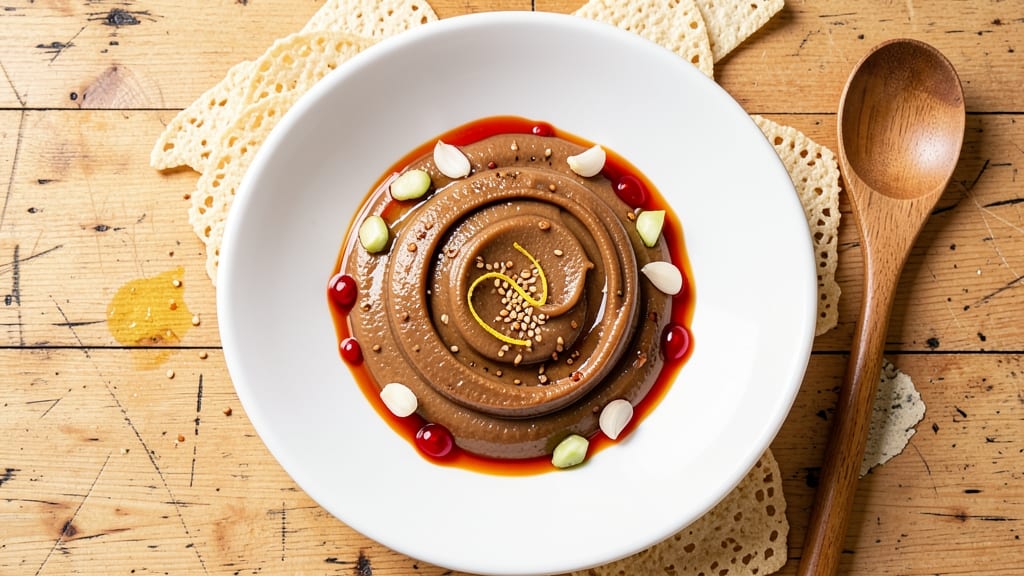
This bean curd paste recipe unlocks the deep, fermented umami magic used in Chinese stir-fries and marinades—no shortcuts, just authentic flavor. The process transforms silky tofu curds into a thick, aromatic paste packed with savory complexity, perfect for adding depth to dishes without overpowering them.
What sets this apart is the fermentation step, which develops layers of flavor over time, turning simple ingredients into a condiment that elevates everything from noodles to grilled proteins.
You’ll start with soft tofu curds, blending them into a smooth paste before fermenting in a mix of soy sauce, rice wine, and spices. The fermentation transforms the paste into something rich and tangy, with a texture that clings beautifully to ingredients while delivering bold umami in every bite.
This isn’t just a sauce—it’s a flavor multiplier that turns simple meals into restaurant-worthy dishes, all while being completely plant-based and vegan-friendly.
The result is a versatile condiment that works as a stir-fry base, marinade, or soup enhancer—think of it as the secret weapon behind many Asian street food flavors.
The paste keeps well in the fridge for weeks, allowing flavors to deepen with time, and can be adjusted with chili, garlic, or sugar to suit your taste.
Whether you’re cooking for a crowd or prepping for the week, this paste will become a staple in your kitchen, ready to transform any dish with its intense, savory punch.
Ready to dive in? The process is straightforward, but the payoff—deep, complex flavor—is worth every step. Let’s get started on creating your own batch of this silky, umami-rich paste that’ll make your stir-fries unforgettable.
Ingredients for bean curd paste
Nine simple ingredients transform into a silky, fermented umami powerhouse for stir-fries and marinades.
| Ingredient | Amount | Notes |
|---|---|---|
| Silken Tofu 🥬 | 16 oz | Extra-firm, pressed to remove excess water |
| Soy Sauce 🍶 | ½ cup | High-quality, preferably organic |
| Rice Wine 🍶 | ¼ cup | Dry, preferably Shaoxing wine |
| Garlic Cloves 🧄 | 6 cloves | Fresh, minced finely |
| Fresh Ginger 🌿 | 1 tbsp | Grated, for aromatic depth |
| Sesame Oil 🫒 | 1 tbsp | Toasted, for nutty aroma |
| White Sugar 🍬 | 1 tbsp | Balances fermentation tanginess |
| Red Chili Flakes 🌶️ | 1 tsp | Adjust for heat preference |
| Black Peppercorns 🌶️ | ½ tsp | Freshly ground, for subtle heat |
| Cornstarch 🌾 | 1 tbsp | For thickening consistency |
The tofu is the foundation—extra-firm holds up best during fermentation. Grab organic silken tofu from the refrigerated section at Whole Foods or Trader Joe's for the creamiest texture. Press it for 30 minutes before blending to remove excess water, which keeps the paste silky. The soy sauce should be dark and robust—Kikkoman or Pearl River Bridge brands work perfectly. For the rice wine, Shaoxing wine adds authentic depth, but any dry white wine in a pinch will do. The garlic and ginger? Fresh is non-negotiable here—dried spices just can't replicate the aromatic punch.
No soy sauce? Tamarind paste or coconut aminos can mimic the umami, though the flavor will differ slightly. Running short on rice wine? Dry sherry or even apple cider vinegar adds acidity, though it won’t ferment the same way. The sesame oil is key for that nutty aroma—toasted sesame oil from La Choy or Kallo is my go-to, but regular sesame oil works in a bind. For heat, gochugaru or sriracha can replace chili flakes. The cornstarch is optional but helps thicken the paste if you prefer a more spreadable consistency. If you’re fermenting for longer, you might not need it.
This paste develops best over time—3-5 days in the fridge for mild fermentation or up to 2 weeks for deeper flavors. Store it in an airtight container with a layer of olive oil on top to prevent mold. The paste keeps for up to 3 months in the freezer, though flavors mellow slightly. I like to portion mine into small jars for easy use—perfect for stir-fries, marinades, or even as a dipping sauce. The longer it ferments, the more complex the flavor becomes, so don’t rush it if you can wait!
Why You'll Love This Recipe
- No-Fuss Blend: I swear by this one—just mash silken tofu with soy sauce, rice wine, and a splash of ginger. No blender? No problem. A fork works just fine, and honestly, the texture comes out smoother than store-bought spreads.
- Umami Bomb: That garlic-ginger-soy combo? It’s the kind of flavor that lingers. The rice wine cuts through the richness of the tofu, leaving you with something that’s savory, bright, and just a little addictive.
- Meal Prep MVP: I make a big batch on Sundays and use it all week—slathered on rice bowls, stirred into noodles, or even mixed into scrambled eggs. It keeps for days in the fridge, and honestly? It makes lazy nights feel intentional.
- Budget Magic: Silken tofu and pantry staples like soy sauce and rice wine won’t break the bank. I’ve stretched this into four meals for my family, and between us, no one complains about the leftovers—because they’re always gone before I can even think about making more.
Step-by-step instructions for bean curd paste
Transform simple ingredients into a velvety, fermented umami powerhouse perfect for stir-fries.
Press and Blend the Silken Tofu
Begin by draining the 16 oz silken tofu thoroughly, then wrap it tightly in a clean kitchen towel or cheesecloth. Place a heavy object like a cast-iron skillet on top and let it press for 15-20 minutes to remove excess water. This step is crucial—it prevents a watery paste later.
Once pressed, transfer the tofu to a food processor fitted with the metal blade attachment. Pulse until completely smooth, scraping down the sides as needed. You should end up with a thick, creamy tofu purée that resembles heavy cream in texture. This forms the base of your fermented paste, so take your time to achieve a uniform consistency.
Prepare the Flavor Base
In a medium bowl, whisk together the 0.5 cup soy sauce, 0.25 cup rice wine, 1 tbsp white sugar, 1 tsp red chili flakes, and 0.5 tsp freshly ground black peppercorns. This combination creates the flavor foundation that will develop during fermentation. The sugar balances the acidity of the soy sauce, while the chili and pepper add depth and heat.
Next, finely mince the 6 cloves garlic and grate the 1 tbsp fresh ginger using a microplane or fine grater. Add these to the bowl and mix well. The garlic and ginger should be completely incorporated—no visible pieces should remain. This aromatic blend will infuse the paste with layers of complexity as it ferments.
Combine and Thicken the Mixture
Transfer the tofu purée to a mixing bowl and gradually whisk in the prepared flavor base. The mixture should be smooth and well-combined, with no lumps of soy sauce or rice wine. At this stage, it will be quite thin—this is normal and will thicken as it ferments.
In a small bowl, mix the 1 tbsp cornstarch with 2 tablespoons of cold water to create a slurry. Slowly drizzle this into the tofu mixture while whisking continuously. The paste should begin to thicken immediately, becoming more cohesive and spreadable. If it's still too thin, add another ½ teaspoon cornstarch mixed with water until you achieve a thick, paste-like consistency that holds its shape when spooned.
Ferment for Maximum Flavor
Spoon the thickened paste into a clean, airtight container, pressing down firmly to remove any air bubbles. Cover the container with a lid and refrigerate for 24-48 hours. This fermentation period allows the flavors to meld and develop that signature umami depth. The paste will continue to thicken slightly and may develop a subtle tang—this is a good sign!
After fermentation, give the paste a stir and adjust the seasoning if needed. If it's too thick, thin it with a splash of rice wine or soy sauce until it reaches a spreadable consistency. If it's too thin, add a bit more cornstarch mixed with water. The ideal texture should be smooth, thick, and easy to spread—like a rich, fermented hummus. This paste is now ready to elevate any stir-fry, noodle dish, or sauce.
Pro Tips For Making Bean Curd Paste
- Crush the Tofu First: Don’t just mash silken tofu—press it through a fine-mesh sieve or push it against the back of a fork over a bowl to remove excess water. This keeps your paste smooth and prevents a watery, soupy mess when blending. (Yes, even if you’re impatient like me, take the extra 30 seconds.)
- Toast the Aromatics Low: Garlic and ginger burn faster than you think, especially when minced. Cook them in oil over medium-low heat until just fragrant—about 2 minutes—before adding anything else. Over-toasted aromatics taste bitter, and no one wants that in their silky paste.
- Reduce the Soy Sauce: Simmer the soy sauce with rice wine for 3-4 minutes before blending to deepen the flavor. This cuts the saltiness and concentrates the umami, so your paste isn’t just salty—it’s complex. (I used to skip this, and my paste always tasted flat.)
- Blend in Stages: Start by blending the tofu with half the aromatics and sauce, then add the rest. This prevents clumping and ensures a velvety texture. If it’s too thick, add a splash of water; if too thin, add more tofu. (Your blender will hate you less this way.)
Make-ahead tips for this recipe
Fermentation Timeline
Start with a 24-hour fermentation for a mild, approachable flavor—perfect for beginners. I recommend using a glass jar with an airtight lid to prevent contamination. After 48 hours, the paste develops deeper umami notes and a slight tang, ideal for stir-fries.
For maximum intensity, ferment up to 5 days—this is where the magic happens, but taste test at 72 hours to avoid over-fermenting, which can make it too sour. 🌱
Storage Hacks
Keep your paste fresh by storing it in small glass jars (like Le Parfait 8-oz jars) with a thin layer of olive oil on top—this prevents mold and preserves flavor. In the fridge, it lasts up to 3 months, while freezing extends shelf life to 6 months.
Label jars with the date and fermentation days for easy tracking. For quick access, portion into 1-tbsp servings—perfect for stir-fry boosts or marinades. ❄️
Batch Prep Tips
Double the recipe for large batches—just scale all ingredients by 2x and use a stand mixer for blending. Ferment in two separate jars to monitor flavor development independently. I like to prep two batches weekly: one for immediate use and one to ferment longer for deeper flavor.
Store extras in the freezer, thawing overnight in the fridge before use. This ensures you always have fresh paste on hand. 💡
Flavor Adjustments
Need more heat? Add ½ tsp extra chili flakes or 1 tsp gochujang to the paste before fermenting. For sweetness, increase sugar to 2 tbsp or stir in 1 tsp honey after fermentation.
If the paste tastes too salty, balance it with 1 tsp rice vinegar or extra rice wine. Always taste as you go—fermentation intensifies flavors, so start conservative. 🌶️
Freezer-Friendly Tips
Freeze paste in ice cube trays for single-use portions—just pop out and thaw in the fridge. For larger quantities, use silicone molds to shape into blocks. When reheating, microwave in 10-second bursts to avoid splitting.
Never refreeze thawed paste—this can dilute flavor and texture. Label freezer bags with the fermentation days to track flavor progression. ⏳
Fermentation Troubleshooting
If your paste smells sour or off, it’s over-fermented—use it immediately in a dish like hot pot or soup where strong flavors shine. Mold? Toss it—this means contamination. To prevent spoilage, ensure your jar is sterilized and the paste is fully submerged under oil.
If the texture is too thin, add 1 tsp cornstarch slurry to thicken before using. Patience is key—rush fermentation and you’ll miss the depth. 🔍
Nutrition facts
Frequently asked questions
Can I use regular tofu instead of silken tofu for this paste?
Regular tofu won't work as well—it's too firm and won't blend into that silky texture needed for the paste. Silken tofu's soft, creamy consistency is key for achieving that velvety fermented base. If you absolutely must use regular tofu, blend it until ultra-smooth and press it extra long to remove all moisture, but expect a slightly denser result.
How do I know when the fermentation is just right?
Start tasting at 24 hours—you'll notice a mild tang developing. The perfect window is usually 3-5 days when you'll get that deep umami punch with just a hint of tang. If it smells strongly sour or tastes overly acidic, it's over-fermented. For best results, check daily and adjust fermentation time based on your flavor preference.
What are the best ways to use this bean curd paste?
This versatile paste works wonders as a stir-fry base, noodle sauce thickener, or marinade for meats and tofu. Try it in mapo tofu, dan dan noodles, or as a glaze for grilled vegetables. For extra richness, mix 1 tbsp paste with 2 tbsp water and use as a dipping sauce. The possibilities are endless—it's like having a flavor bomb in your pantry!
Why did my paste separate or develop mold?
Separation usually happens if the paste wasn't blended smooth enough or if moisture wasn't properly removed during pressing. For mold, contamination likely occurred—always use sterilized jars and keep the paste submerged under oil. To fix separation, stir vigorously and add 1 tsp cornstarch slurry to thicken. When in doubt, toss moldy paste immediately. Prevention is key with fermentation!
Can I make this paste without rice wine?
Yes, but the flavor will differ. Substitute with dry sherry, apple cider vinegar (for acidity), or even white wine vinegar. For umami depth, add ½ tsp MSG or an extra ½ cup soy sauce. The fermentation process will still work, though the final product may taste slightly less complex. Experiment to find your preferred balance!