
Main Courses
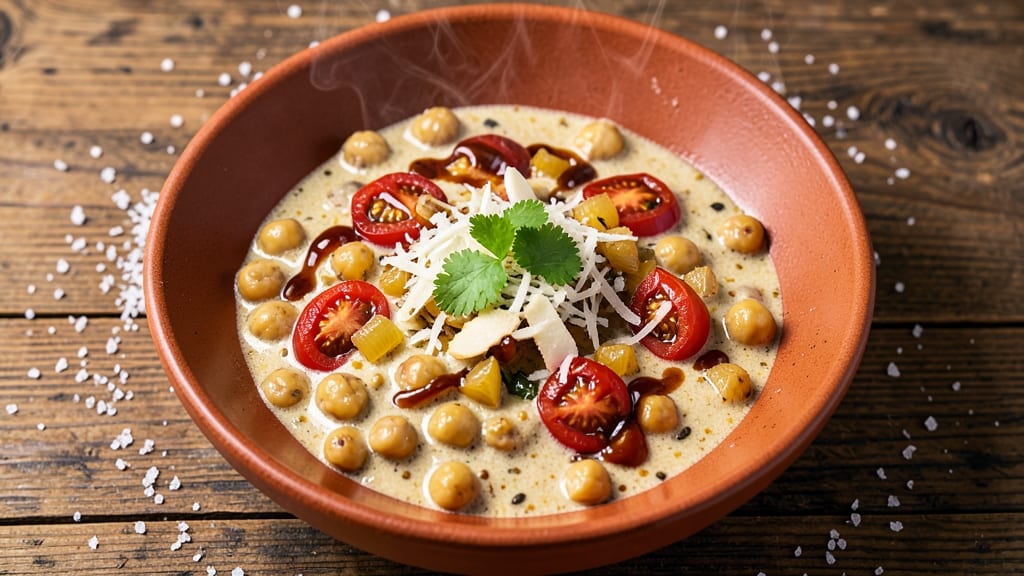
This Indian bean curry recipe transforms humble chickpeas into a fragrant, coconut-infused masterpiece that captures the soul of South Indian cuisine. The slow simmer develops deep, layered flavors—warm cumin, earthy turmeric, and a touch of tamarind—that make every bite unforgettable.
I first discovered this version while traveling in Kerala, where it’s a staple in home kitchens and temple offerings alike.
The magic lies in the spice blooming: whole spices toasted until aromatic, then gently simmered with tomatoes and ginger to create a rich, velvety base. Coconut milk adds creamy richness without overpowering the beans, while tamarind brings a subtle tang that balances the dish.
This vegetarian curry is naturally gluten-free and packed with plant-based protein, making it a hearty centerpiece for any meal.
By the time you serve it—steaming over basmati rice or paired with warm naan—you’ll taste the difference between store-bought curry and a dish made with intention. The beans soften just enough to soak up the spiced coconut gravy, while fresh cilantro and a squeeze of lemon brighten each spoonful.
It’s the kind of recipe that turns weeknight dinners into a taste of home.
Whether you’re feeding a family or meal prepping for the week, this curry holds up beautifully. The flavors deepen overnight, so leftovers taste even better the next day.
For an extra touch, garnish with toasted coconut flakes or a sprinkle of red chili powder—just don’t skip the lemon, which cuts through the richness and ties everything together.
Ingredients for bean curry recipe indian
These 15 ingredients capture Kerala’s soul—spiced, coconut-rich, and deeply comforting.
| Ingredient | Amount | Notes |
|---|---|---|
| Chickpeas 🌾 | 1 ½ cups | Drained and rinsed, cooked or canned |
| Coconut Milk 🥥 | 1 can | Full-fat, 13.5 oz can (not carton) |
| Fresh Ginger 🧄 | ½ inch | Peeled, roughly chopped (about 1 tbsp grated) |
| Tomatoes 🍅 | 2 medium | Ripe, roughly chopped or 1 cup diced |
| Yellow Onion 🧅 | 1 medium | Finely chopped, about 1 cup |
| Garlic Cloves 🧄 | 4 cloves | Peeled and minced |
| Fresh Cilantro 🌿 | ¼ cup | Chopped, for garnish |
| Fresh Lemon Juice 🍋 | 2 tbsp | Freshly squeezed |
| Ground Cumin 🌿 | 1 ½ tsp | Toasted for deeper flavor |
| Ground Turmeric 🌶️ | ½ tsp | Freshly ground preferred |
| Ground Coriander 🌿 | 1 tsp | Freshly ground if possible |
| Red Chili Powder 🌶️ | ½ tsp | Adjust to taste |
| Tamarind Paste 🍯 | 1 tbsp | Or 1 tsp lemon juice if unavailable |
| Ghee or Coconut Oil 🫒 | 2 tbsp | For sautéing spices |
| Salt 🧂 | 1 tsp | Adjust to taste |
The coconut milk is non-negotiable here—full-fat cans (like Aroy-D or Thai Kitchen) give the creamiest texture. Indian grocery stores carry these, but any Asian market will have them too. Look for cans labeled '100% coconut milk'—no watered-down versions. Fresh ginger is key for that bright, zesty kick; buy organic if possible, and grate it fresh right before cooking. The tamarind paste? Trader Joe's sells it in little jars, or you can find it in the international aisle at Whole Foods. If you can’t find tamarind, lemon juice works in a pinch—just add a splash more at the end for balance.
No fresh cilantro? Dried works at half the amount, but it won’t have that same fresh brightness. Running low on ghee? Coconut oil is a perfect swap—it’s what you’re already using in the curry anyway. The chickpeas can be canned (just rinse well) or cooked from dry. For extra depth, soak them overnight before cooking. The tomatoes? Roma or vine-ripened hold up best to chopping, but any ripe tomato will do. And if you’re feeling adventurous, swap half the chickpeas for black lentils—they soften beautifully and add earthy flavor.
This curry tastes even better the next day—make a double batch and freeze half for lazy nights. Store leftovers in an airtight container for up to 5 days in the fridge, or freeze for 3 months. To reheat, add a splash of water or coconut milk and simmer gently. The spices mellow over time, so it’s perfect for meal prep. Garnish with toasted coconut flakes or a sprinkle of red chili powder just before serving—don’t skip the lemon, though. That final squeeze of citrus is what ties everything together.
Why You'll Love This Recipe
- Pantry-Friendly Magic: I swear by this one—no fancy ingredients, just chickpeas and coconut milk doing the heavy lifting. The ginger and onion build that warm base, while the tomatoes add just enough tang to keep it bright. Honestly, I’ve made this with whatever was in my cupboard, and it still tastes like a restaurant dish.
- Creamy Without the Hassle: That rich coconut milk transforms everything—no heavy cream, no complicated reductions. The chickpeas soak up the flavors like a sponge, giving you that perfect balance of hearty and velvety. Between us, it’s the kind of curry that makes you want to eat it straight from the pot (no judgment here).
- Leftover Hero: This curry actually improves the next day. The flavors meld even better, and it reheats like a dream—just add a splash of water if it’s too thick. I keep a batch in the fridge for lazy nights or when friends drop by unexpectedly. It’s my go-to for “I don’t wanna cook” moments.
- Budget Meal, Big Impact: Chickpeas and onions are cheap, but they pack a punch. A can of tomatoes and a jar of coconut milk stretch this into four solid servings without breaking the bank. I’ll be real: my grocery bill stays low, but my dinner table stays full. Plus, it’s one of those dishes that makes you feel like you’re feeding a crowd even when it’s just you.
Step-by-step instructions for Indian bean curry
Here's how to create a rich, aromatic bean curry that balances spice and coconut cream perfectly.
Sauté Aromatics Until Fragrant
Heat the 2 tablespoons ghee or coconut oil in a heavy-bottomed pot over medium heat. Add the finely chopped yellow onion and cook for 5-6 minutes until softened and translucent. The onions should release their sweetness and begin to caramelize slightly at the edges.
Add the peeled and minced garlic cloves and roughly chopped fresh ginger (about 0.5 inch or 1 tablespoon grated). Sauté for 1-2 minutes until the garlic turns golden and the ginger becomes fragrant. This step is crucial—don't rush it. The aroma should fill your kitchen, signaling the spices are ready for the next phase.
Toast Spices for Depth of Flavor
Reduce heat to medium-low and add the 1.5 teaspoons ground cumin, 0.5 teaspoon ground turmeric, 1 teaspoon ground coriander, and 0.5 teaspoon red chili powder. Stir constantly for 1-2 minutes until the spices begin to sizzle and release their oils. You'll see the mixture darken slightly and smell earthy, warm, and slightly sweet.
This toasting process is what develops the complex, layered flavors in Indian curries. If the spices burn, you'll taste bitterness—keep a close eye on them. Once fragrant, add the 1 tablespoon tamarind paste and stir for 30 seconds to dissolve it into the oil.
Build the Curry Base
Increase heat to medium-high and add the roughly chopped tomatoes. Cook for 4-5 minutes until the tomatoes break down into a thick, jammy consistency. The mixture should reduce significantly, leaving behind a rich, tomatoey base that coats the back of a spoon.
Stir in the 1.5 cups drained and rinsed chickpeas and the 1 teaspoon salt. Pour in the 1 can full-fat coconut milk and bring the mixture to a gentle simmer. Here's the thing—don't stir constantly. Let the curry develop its own texture as it simmers.
Simmer Until Thick and Flavorful
Reduce heat to low and let the curry simmer uncovered for 20-25 minutes, stirring occasionally. The liquid should gradually thicken as the flavors meld together. You'll notice the chickpeas soften and absorb the spices, while the coconut milk creates a velvety texture.
Taste and adjust seasoning—add more salt if needed, or a pinch more chili powder for heat. The curry should be balanced: sweet from the tomatoes, tangy from the tamarind, and rich from the coconut. If it's too thick, add 2-3 tablespoons water to reach your desired consistency.
Finish with Fresh Herbs and Serve
Remove the pot from heat and stir in the 2 tablespoons fresh lemon juice. This brightens the flavors and cuts through the richness of the coconut. Finally, fold in the 0.25 cup chopped fresh cilantro, reserving a few sprigs for garnish. Let the curry sit for 5 minutes to allow the flavors to settle.
Serve the curry hot with steamed basmati rice or naan bread. The dish should be aromatic, with a perfect balance of spice, tang, and coconut cream. Each bite should deliver tender chickpeas, complex spices, and a velvety sauce that coats your palate. Garnish with the reserved cilantro and enjoy immediately while warm.
Pro Tips For Making Bean Curry Recipe Indian
- Sear the Onions: Cook your chopped yellow onion in oil until it’s deep golden—not just soft—before adding ginger or tomatoes. I learned this the hard way: skipping this step leaves the curry tasting raw and dull. Five minutes of patience here makes all the difference in flavor depth.
- Peel and Soak Chickpeas: Skip canned chickpeas—use dried, peeled, and soaked overnight. They hold up better in long simmering and absorb spices more evenly. (Yes, it’s extra work, but the texture and taste are worth it.)
- Simmer, Don’t Boil: After adding coconut milk, keep the heat low enough that tiny bubbles just break the surface—no rolling boil. Too much heat curdles the coconut milk, turning your creamy curry into a greasy mess.
- Blend Tomatoes Rough: Pulse your tomatoes in the blender until they’re chunky, not smooth. Whole spices like cumin and coriander need something to cling to, and rough tomato texture keeps the curry from tasting one-note. (No food processor? A fork works—just mash it well.)
Best sauces and condiments for this recipe
Coconut-Tamarind Gravy
This velvety sauce is the heart of your curry, where full-fat coconut milk (like Aroy-D) creates a rich, creamy base that balances the earthy spices.
The 1 tbsp tamarind paste adds a subtle tang that brightens the dish—if you can't find it, lemon juice works in a pinch, though tamarind gives a more complex flavor. I always simmer the sauce uncovered for 20-25 minutes to let the flavors meld and thicken naturally. The result?
A sauce that coats your rice perfectly without being gluey. 🥥
Spice Blooming Technique
Toast your cumin, turmeric, coriander, and red chili powder in the ghee until they sizzle and release their oils—this is where the magic happens. I reduce the heat to medium-low and stir constantly for 1-2 minutes to avoid burning.
The spices should darken slightly and fill your kitchen with an intoxicating aroma. This step is non-negotiable for depth of flavor. Pro tip: Use freshly ground spices if possible—they're more aromatic than pre-ground blends. 🌶️
Tomato Jam Base
Chop your tomatoes into rough chunks and cook them down into a thick, jammy consistency—this is the secret to a flavorful curry. I use Roma or vine-ripened tomatoes because they hold up better to chopping and release more juice.
Cook them for 4-5 minutes until they break down completely. This tomato base acts as a flavor bridge between the spices and coconut milk, creating a well-rounded sauce. 🍅
Fresh Cilantro Finish
Always finish your curry with fresh cilantro—it adds a bright, herbaceous note that cuts through the richness. I reserve a few sprigs to garnish on top for presentation.
A squeeze of lemon juice right before serving is also essential—it balances the coconut's creaminess and adds a final layer of brightness. Trust me, this step makes all the difference. 🌿
Optional Creamy Swaps
For extra richness, stir in 2 tbsp plain yogurt or 1 tbsp cashew butter at the end. Both add creaminess without altering the dish's core flavors. I also love a sprinkle of toasted coconut flakes on top for texture—it’s a nod to Kerala’s coastal influences.
These additions are purely optional but elevate the dish to restaurant-quality. ⚡
Heat Adjustments
If you prefer more heat, add ½ tsp cayenne pepper with the other spices or a pinch of Kashmiri red chili powder for color and mild heat.
For a smoky depth, stir in ½ tsp smoked paprika at the end. Always taste as you go—Indian curries are all about balance. 🔥
Nutrition facts
Frequently asked questions
Can I use dried chickpeas instead of canned?
Soak 1 cup dried chickpeas overnight, then simmer them for 1.5-2 hours in fresh water with a pinch of salt until tender. Drain well before adding to the curry. Dried chickpeas have a nuttier flavor that pairs beautifully with the coconut and spices.
What if I don't have tamarind paste?
No problem! Substitute with 2 tablespoons lemon juice or 1 tablespoon apple cider vinegar. These will provide the tangy brightness needed to balance the coconut's richness. For extra depth, add ½ teaspoon sugar to mimic tamarind's slight sweetness.
How can I make this curry spicier?
Add ½ teaspoon cayenne pepper when toasting the spices or stir in 1 teaspoon red chili powder at the end. For smoky heat, include ½ teaspoon smoked paprika. Always taste as you go—Indian curries are all about balance! Adjust gradually to avoid overwhelming the coconut flavor.
Can I make this curry in an Instant Pot?
Yes! Sauté the onions, garlic, and spices as directed, then add all remaining ingredients except cilantro and lemon. Seal the lid, cook on high pressure for 8 minutes, then quick-release. Finish with fresh herbs and lemon juice. The Instant Pot version cooks faster but may need 1-2 tablespoons water to reach ideal consistency.
What's the best way to store leftovers?
Let the curry cool completely, then transfer to an airtight container. It keeps for 5 days in the fridge or 3 months in the freezer. Reheat gently with a splash of water or coconut milk to restore creaminess. The flavors actually improve overnight!