
Main Courses
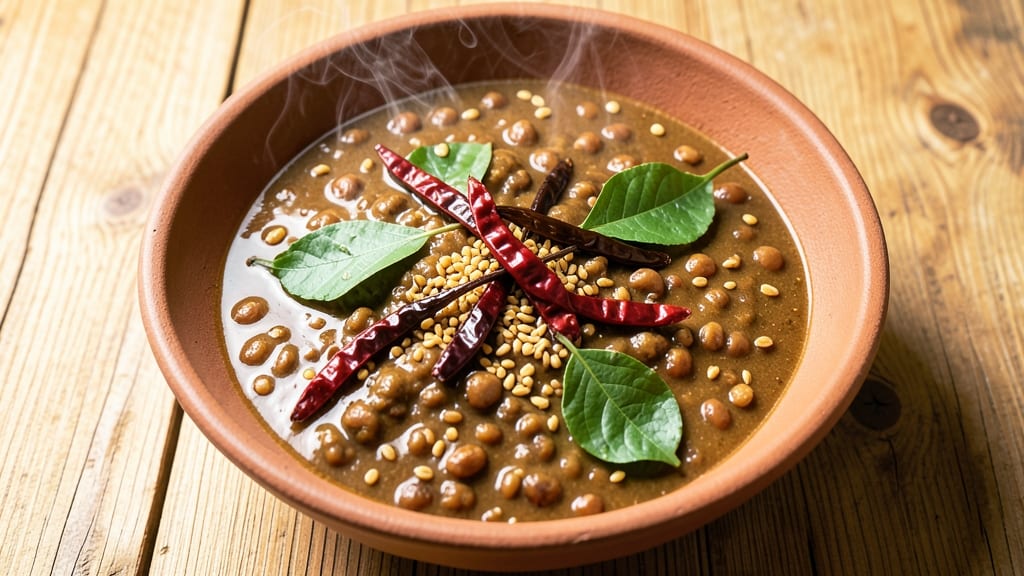
This Sri Lankan bean curry brings the rich, aromatic flavors of island cuisine to your kitchen with a perfect balance of coconut, tamarind, and carefully spiced lentils. The dish transforms simple ingredients—like red lentils, coconut milk, and mustard seeds—into a velvety, fragrant curry that pairs beautifully with rice or roti.
What sets this recipe apart is the layered depth of flavor, where tamarind adds a subtle tang, turmeric lends earthy warmth, and curry leaves infuse fresh, citrusy notes.
The foundation of this curry lies in the tempering—sautéing mustard seeds, curry leaves, and dried chilies in coconut oil until they release their aromatic oils. This step is crucial, as it builds the complex flavor profile that defines Sri Lankan cooking.
The lentils simmer until tender, absorbing the coconut milk and spices into a rich, slightly thickened sauce. The result is a dish that’s both comforting and vibrant, with a texture that’s creamy yet light.
What makes this recipe truly special is its versatility—it’s hearty enough to stand alone but also works as a side dish in a larger meal. The tamarind adds a bright contrast to the coconut’s richness, while the spices create a warm, inviting aroma that fills your home.
Whether you’re serving it with steamed rice, fluffy roti, or even as a filling for wraps, this curry delivers restaurant-quality flavors with minimal effort.
For those looking to adapt the recipe, reducing the tamarind slightly makes it more approachable for those unaccustomed to its tang, while adding a pinch of sugar balances the acidity.
The dish also freezes beautifully, making it a great option for meal prep. Let’s dive into the steps to create this flavorful, tradition-inspired curry.
Ingredients for bean curry recipe sri lanka
Simple ingredients transform into a fragrant, aromatic Sri Lankan bean curry with coconut and tamarind.
| Ingredient | Amount | Notes |
|---|---|---|
| Red Lentils 🌾 | 1 ½ cups | Rinsed before cooking |
| Full-Fat Coconut Milk 🥥 | 13 ½ oz | Canned, unsweetened |
| Tamarind Paste 🍯 | 2 tbsp | Adjust for tang preference |
| Curry Leaves 🌿 | ¼ cup | Fresh, packed |
| Mustard Seeds 🌶️ | 1 tbsp | Yellow or brown |
| Dried Red Chilies 🔥 | 4 whole | Kashmiri or cayenne |
| Coconut Oil 🫒 | ¼ cup | Unrefined preferred |
| Ground Turmeric 🌿 | 1 tsp | Freshly ground preferred |
| Ground Cumin 🌶️ | 1 tsp | Toasted for depth |
| Ginger Root 🧅 | 1 inch | Fresh, peeled, grated |
| Garlic Cloves 🧄 | 4 cloves | Peeled, minced |
| Onion 🧅 | 1 whole | Medium, finely chopped |
| Salt 🧂 | 1 tsp | Adjust to taste |
| Fresh Cilantro 🌿 | ¼ cup | Chopped, for garnish |
The coconut milk is non-negotiable—full-fat, unsweetened from a can like Thai Kitchen or Goya delivers the richest texture. Tamarind paste can be tricky to find; Asian markets or the international aisle at Whole Foods usually carry it. For curry leaves, frozen works in a pinch but fresh is ideal—they add that bright, citrusy aroma. Mustard seeds and dried chilies should be toasted in the coconut oil until they sizzle; this step unlocks their full flavor. Ginger and garlic are fresh here for maximum punch, but powdered versions work if you're short on time.
No tamarind paste? Lemon juice plus 1 tsp sugar mimics the tang, though it won’t be identical. Substitute curry leaves with extra bay leaves or a pinch of ground cardamom if needed. For extra heat, add fresh green chilies at the end. If your coconut milk separates, whisk vigorously before using—it’s normal! The red lentils should break down but stay intact; overcooking turns them mushy. For a quicker version, use pre-cooked canned lentils, drained and rinsed.
Store leftovers in an airtight container for 4-5 days in the fridge, or freeze for 3 months. The flavor actually deepens overnight, so plan ahead. Garnish with fresh cilantro right before serving—it brightens the dish. This curry reheats beautifully; add a splash of water or coconut milk if it thickens too much. For meal prep, portion into containers with rice—it keeps perfectly for 5 days in the fridge.
Why You'll Love This Recipe
- One-Pot Magic: The lentils soften while the spices bloom—no fancy techniques, just toss everything in one pot. Honestly, the only prep is cracking curry leaves and popping mustard seeds, and even that takes less time than waiting for takeout.
- Tamarind Tang Magic: That tamarind paste? It’s the secret weapon—bright, slightly sour, and so addictive you’ll want to drizzle it on everything. The coconut milk rounds it out, but the tamarind keeps it lively, not heavy.
- Leftover Goldmine: This curry tastes better the next day—yes, really. I make a big batch on Sundays, and by Wednesday, it’s the star of my lunchbox. The lentils hold up, the flavors deepen, and reheating takes two minutes.
- Budget-Friendly Feast: Red lentils and coconut milk stretch this into a full meal for four (or two very hungry people). Between us, I’ve fed my whole family for under $10 with this—plus, the spices last for ages, so it’s a win-win.
Step-by-step instructions for Sri Lankan bean curry
Here's how to build this vibrant curry with balanced spice and coconut richness.
Prepare the Spice Base
Heat the 0.25 cup coconut oil in a heavy-bottomed pot over medium heat. Add the 1 tbsp mustard seeds and let them sizzle for 30 seconds until they begin to pop. This is your signal to add the 4 whole dried red chilies and 0.25 cup curry leaves—they'll release their aromatic oils almost instantly.
Next, add the 1 whole onion, 1 inch ginger root, and 4 cloves garlic cloves. Cook for 5-6 minutes until the onions soften and turn translucent, and the raw garlic scent disappears completely. This foundational step develops the curry's depth—don't rush it. The onions should be completely caramelized by the end.
Build the Flavor Layers
Stir in the 1 tsp ground turmeric and 1 tsp ground cumin, toasting them for 30 seconds until fragrant. This activates their essential oils. Immediately add the 2 tbsp tamarind paste and 1 tsp salt, stirring vigorously to dissolve the tamarind completely. The mixture should become glossy and slightly sticky—this ensures proper flavor distribution.
Pour in the 13.5 oz full-fat coconut milk, stirring constantly to prevent curdling. Bring to a gentle simmer over medium-low heat, then add the 1.5 cups red lentils. The liquid should just cover the lentils—if it looks too thin, add ½ cup water. Let it simmer uncovered for 10 minutes, stirring occasionally to prevent sticking.
Simmer to Perfect Texture
Reduce heat to low and continue simmering for 20-25 minutes, stirring every 5 minutes. You're aiming for lentils that are tender but still hold their shape—they should break down slightly but not become mushy. The curry should thicken naturally as the lentils absorb liquid, creating a rich, velvety consistency.
Taste and adjust seasoning: if the tamarind needs more tang, add ½ tsp more tamarind paste; if the heat needs balance, add ½ tsp sugar. The curry should have a complex flavor profile—spicy, tangy, and coconut-forward without being overpowering. If it's too thick, whisk in 2 tbsp water to reach your preferred consistency.
Finish and Garnish
Remove from heat and let the curry rest for 5 minutes. This allows the flavors to meld completely. Stir in the 0.25 cup fresh cilantro, reserving a few sprigs for garnish. The cilantro should brighten the dish with its fresh herbal notes, cutting through the richness of the coconut.
Serve immediately with steamed rice or roti. The curry should be warm, aromatic, and visually appealing with its vibrant red hue from the chilies and green from the curry leaves. Each spoonful should deliver a perfect balance of spice, tang, and coconut creaminess—this is the hallmark of authentic Sri Lankan bean curry.
Pro Tips For Making Bean Curry Recipe Sri Lanka
- Bloom the Spices Slow: Let mustard seeds and curry leaves sizzle in oil for at least 30 seconds before adding onions or garlic—this unlocks their full aroma. I used to rush this step, and the curry just tasted flat; now I wait until the mustard pops audibly, which usually takes about 45 seconds.
- Soak Tamarind Properly: Dilute tamarind paste in warm water (about ¼ cup per 2 tablespoons paste) and strain out seeds/fibers—this prevents grainy texture in your curry. I learned this the hard way after serving a curry where someone had to fish out tamarind bits mid-bite.
- Simmer Lentils Gently: Once lentils hit the coconut milk, reduce heat to a bare simmer (just small bubbles at the edges) to avoid splitting them into mush. After burning three batches, I finally realized the coconut milk’s fat needs low heat to cook the lentils evenly.
- Toast Curry Leaves: Lightly fry curry leaves in oil for 10 seconds before adding them to the pot—they’ll release a fragrant oil that deepens the curry’s flavor. Sounds minor, but it’s the thing that makes your dish smell like a Sri Lankan kitchen instead of a generic curry.
Flavor customization for these flavors
Spice Level Control
Adjust heat to your preference by modifying the dried red chilies—use 2 chilies for mild, 4 chilies for medium, or 6 chilies for bold heat. For extra kick, add 1-2 fresh green chilies at the end.
If tamarind's tang feels overwhelming, balance it with ½ tsp sugar or a pinch of cardamom powder. 🌶️
Coconut Variations
Swap full-fat coconut milk for light coconut milk to reduce richness, though texture will be thinner. For a dairy-free twist, use cashew cream (blend 1 cup soaked cashews with ½ cup water)—it adds a nutty depth. Avoid watered-down versions; they lack the creamy body essential for authentic flavor.
Protein Swaps
Replace red lentils with chickpeas for a heartier texture—simmer them 10 minutes longer until tender. For a vegan-friendly option, add ½ cup coconut yogurt at the end to enhance creaminess. If using canned chickpeas, rinse thoroughly to remove excess sodium. 🥗
Vegetable Boosts
Add 1 cup diced sweet potatoes or ½ cup spinach for extra nutrients—they absorb flavors beautifully. Stir in sweet potatoes during the 10-minute simmer phase, and wilt spinach in the last 2 minutes. For a smoky twist, include ½ tsp smoked paprika with the turmeric and cumin.
Tamarind Alternatives
No tamarind? Mix 1 tbsp lemon juice with ½ tsp sugar for a close substitute, though the flavor won’t be identical. For a sweeter profile, add 1 tsp honey or agave syrup to balance the spices. Avoid vinegar—it adds harshness that tamarind’s natural sweetness softens. 🍯
Texture Adjustments
For a thicker curry, simmer uncovered for 5 extra minutes to reduce liquid. If too thick, whisk in 2 tbsp water or coconut milk. For a chunkier texture, use brown lentils instead of red—they hold their shape better.
Always taste as you go; adjustments should be gradual to maintain balance. ✨
Nutrition facts
Frequently asked questions
Can I use chickpeas instead of red lentils in this Sri Lankan curry?
Yes! Chickpeas work beautifully and add a heartier texture. Use 1.5 cups canned chickpeas (drained and rinsed) and simmer for 10-15 minutes longer until fully tender. For extra flavor, add them during the final 20-minute simmer phase. The curry will be thicker and more substantial, perfect with crusty bread or rice.
How do I make this curry less spicy?
Reduce the number of dried red chilies—use 2-3 chilies instead of 4 for a milder version. For extra smoothness, remove the seeds before adding them. If the heat is still too intense after cooking, stir in ½ tsp sugar or ½ cup coconut milk to balance the flavors. Avoid adding water, as it dilutes the richness.
What's the best way to store and reheat leftovers?
Store in an airtight container in the fridge for 4-5 days or freeze for 3 months. To reheat, warm gently on the stove over low heat with 1-2 tbsp water or coconut milk to restore creaminess. Avoid microwaving, as it can make the curry watery. The flavors actually improve overnight, so leftovers taste even better!
Can I make this curry without tamarind?
Yes! Mix 1 tbsp lemon juice with ½ tsp sugar as a substitute, though it won't be identical. For a sweeter profile, add 1 tsp honey or agave syrup to balance the spices. Avoid vinegar—it adds harshness that tamarind's natural sweetness softens. The curry will still be flavorful but with a brighter, citrusy note.
What sides pair best with this Sri Lankan bean curry?
This curry shines with steamed jasmine rice, fluffy roti, or naan bread. For a lighter option, serve with a simple cucumber salad or sliced mango. The coconut richness balances well with tangy sides like pickled onions or a squeeze of lime. In Sri Lanka, it's often served with hoppers (appa) or string hoppers for a traditional touch.