
Soups & Stews
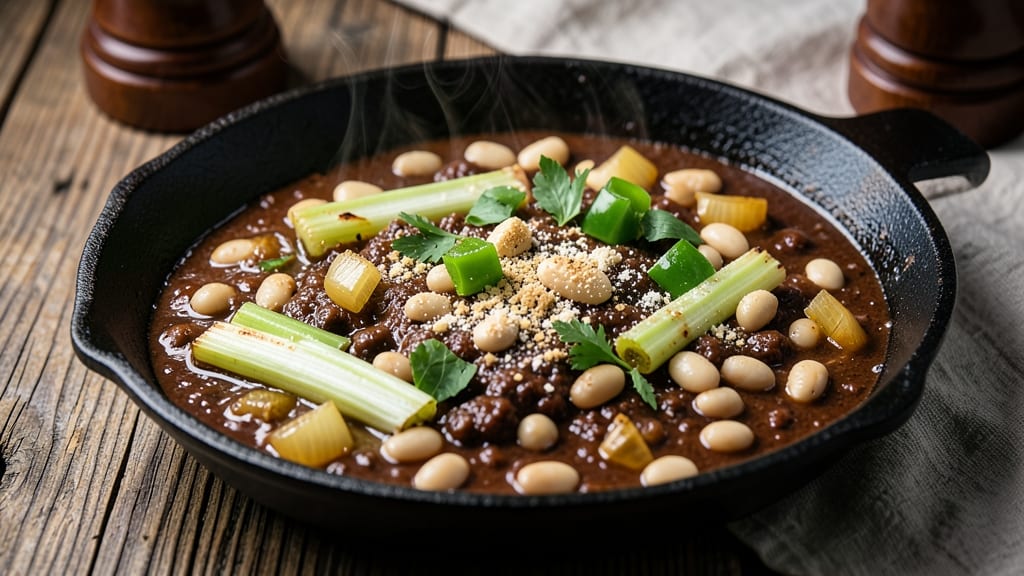
This bean gumbo recipe transforms simple ingredients into a rich, smoky masterpiece that captures the heart of Louisiana cuisine. The foundation—vegetarian-friendly—builds on a deep, dark roux that forms the soul of every bite, while white beans and seasonal vegetables create a hearty, satisfying stew.
What makes this recipe special is how it balances tradition with accessible techniques, ensuring restaurant-quality depth without requiring advanced skills.
The secret lies in the roux: cooked low and slow until it reaches that perfect nutty brown stage before adding liquid. This patient step transforms flour and fat into the flavor base that binds every ingredient together.
The broth simmers with aromatic vegetables—bell peppers, celery, and onions—while the beans absorb the rich, smoky essence, creating a dish that’s both comforting and complex.
By the time you stir the final spoonful, you’ll have a gumbo that’s deeply flavorful, with a velvety texture and layers of smoky, savory notes. The vegetables stay vibrant, the beans are tender yet hold their shape, and the broth is thick enough to coat a spoon.
This is the kind of meal that feels like a hug—perfect for chilly evenings or gatherings where hearty, satisfying food takes center stage.
Serve it over steamed rice to soak up every last drop of that rich, aromatic broth. The optional garnish of fresh green onions or parsley adds a bright contrast to the deep flavors.
This gumbo isn’t just a recipe; it’s a celebration of simplicity and tradition, brought to life in your own kitchen.
Ingredients for bean gumbo
Sixteen ingredients blend tradition with simplicity for this hearty, vegetarian bean gumbo.
| Ingredient | Amount | Notes |
|---|---|---|
| Vegetable Oil 🫒 | ½ cup | Smoke point 400°F or higher |
| All-Purpose Flour 🌾 | ½ cup | White or whole wheat |
| White Beans 🥫 | 2 cups | Canned, drained and rinsed |
| Yellow Onion 🧅 | 1 whole | Medium, diced |
| Green Bell Pepper 🍅 | 1 whole | Medium, diced |
| Celery Stalks 🧄 | 3 whole | Medium, diced |
| Garlic Cloves 🧄 | 4 cloves | Fresh, minced |
| Vegetable Broth 💧 | 4 cups | Low-sodium preferred |
| Smoked Paprika 🌶️ | 1 tbsp | For smoky depth |
| Dried Thyme 🌿 | 1 tsp | Or 1 tbsp fresh |
| Bay Leaves 🌿 | 2 whole | For aromatic base |
| Salt 🧂 | 1 ½ tsp | Adjust to taste |
| Black Pepper 🌶️ | ½ tsp | Freshly ground |
| Lemon Juice 🍋 | 1 tbsp | Freshly squeezed |
| Green Onions 🧅 | 2 whole | Garnish, sliced |
The roux is where the magic happens—vegetable oil with a high smoke point is key here. Crisco or avocado oil both work perfectly, but avoid olive oil, which burns too easily. For the flour, King Arthur or Bob's Red Mill are reliable choices, but any all-purpose will do. The beans? Great Northern or cannellini hold their shape beautifully, but any white bean will work. If you're using dried beans, soak them overnight for best texture. The smoked paprika is non-negotiable for that authentic gumbo flavor—Penzeys or McCormick brands deliver consistent quality. For the vegetables, aim for freshness—bright green bell peppers and crisp celery make all the difference.
No smoked paprika? Substitute with 1/2 tsp liquid smoke plus 1/2 tsp regular paprika for a similar effect. Fresh thyme unavailable? Dried works at one-third the amount, but toast it lightly in a dry pan first to wake up the flavor. The vegetable broth can be homemade or store-bought—Pacific Foods or Imagine brands are excellent choices. For the roux, patience is critical—don't rush the color. It should reach a deep, chocolate-brown stage before adding liquid. If your bell pepper tastes bitter, remove the seeds and membranes first. The lemon juice at the end brightens everything up—freshly squeezed is best, but bottled works in a pinch.
This gumbo tastes even better the next day as flavors meld. Store in an airtight container in the fridge for up to 5 days, or freeze for 3 months. For reheating, add a splash of water or broth to prevent thickening. The roux can be made ahead and refrigerated for up to 3 days—just give it a quick stir before using. Garnish with fresh green onions just before serving to keep them vibrant. Double the recipe if you're feeding a crowd—it reheats beautifully for leftovers.
Why You'll Love This Recipe
- One-Pot Magic: I swear by this recipe because it’s literally one pot—no chopping chaos, no extra bowls. Just heat the oil, toss in the flour and onions, let that roux build until it’s golden (not burnt, trust me), then dump in the beans and peppers. Fifteen minutes later, you’re done.
- Roux-Perfect Depth: That flour-and-oil roux? It’s the star. It thickens the gumbo into something rich and velvety, but it also carries this subtle, toasty flavor that makes the white beans taste like they’ve been simmering for hours. (Honestly, I could eat this with just bread and call it a meal.)
- Budget-Friendly Feast: This recipe stretches a dollar further than you’d think. White beans and bell peppers are cheap staples, and a single roux makes enough for four servings—perfect for stretching lunches or feeding a crowd without breaking the bank. My college roommates lived on this stuff.
- Leftovers That Beg for More: The gumbo only gets better the next day—thicker, flavors melded together. I’ll be real: I’ve reheated this for breakfast with a fried egg on top, and no one bats an eye. (Yes, even on a Tuesday night.) It’s the kind of dish that makes you want to double the batch.
Step-by-step instructions for bean gumbo
This gumbo builds on a classic roux foundation with simple ingredients for rich, flavorful results.
Develop the Roux
Heat the 0.5 cup vegetable oil in a heavy-bottomed pot over medium heat. Add the 0.5 cup all-purpose flour all at once and stir constantly with a wooden spoon. The mixture will bubble vigorously as it begins to thicken.
Watch closely as the roux changes color - it should progress from light tan to peanut butter brown, then finally to a deep chocolate brown. This process takes about 15-20 minutes total. Stir frequently to prevent burning, especially once it reaches the chocolate stage. If it darkens too quickly, reduce the heat slightly to maintain control.
Sauté the Holy Trinity
As soon as the roux reaches the deep chocolate stage, immediately add the diced 1 whole yellow onion, 1 whole green bell pepper, and 3 whole celery stalks. Stir well to coat the vegetables completely in the roux. Cook over medium heat for 5-6 minutes until the vegetables soften and begin to release their moisture.
Add the 4 cloves minced garlic and cook for another 30 seconds until fragrant. The vegetables should be tender but not mushy. This step builds the aromatic base that carries through the entire dish, so don't rush it. If the roux starts to darken too much, reduce the heat slightly to maintain its rich color.
Build the Base
Pour in the 4 cups vegetable broth and bring to a gentle simmer. Add the 2 whole bay leaves, 1 tbsp smoked paprika, 1 tsp dried thyme, 1.5 tsp salt, and 0.5 tsp black pepper. Stir well to combine all ingredients thoroughly.
Add the 2 cups white beans and bring the mixture to a full boil. Once boiling, reduce heat to medium-low and let it simmer uncovered for 25-30 minutes. Stir occasionally to prevent sticking, especially if the gumbo thickens significantly. The beans should be tender and the flavors should meld together beautifully.
Finish and Serve
Remove the 2 whole bay leaves and stir in the 1 tbsp lemon juice. Taste and adjust seasoning if needed - you may need to add a bit more salt or pepper depending on your broth. The gumbo should be rich, smoky, and well-balanced with bright acidity from the lemon.
Ladle the gumbo into bowls and garnish each serving with sliced green onions. Serve immediately with crusty bread or over rice to soak up the flavorful sauce. The gumbo will continue to thicken slightly as it sits, so adjust consistency with additional broth if needed before serving.
Pro Tips For Making Bean Gumbo
- Cook the roux low and slow: I learned this the hard way—after burning three batches, I finally figured out that a bean gumbo roux needs patience. Once you add the flour, keep the heat at a steady medium (not simmer, not searing) and stir relentlessly until it’s the color of peanut butter. Rushing turns it into glue; taking your time gives it depth.
- Soak the white beans overnight: Yes, even if you’re impatient like me. Dried white beans absorb water slowly, and skipping the soak means they’ll stay tough and undercooked. Toss them in a bowl with plenty of water (at least 4 cups per pound) and a pinch of salt, then let them sit for 12 hours. Drain and rinse before cooking—your gumbo will thank you with creamy, tender beans.
- Sweat, don’t fry, the veggies: After burning two batches of onions and peppers, I realized: this isn’t a stir-fry. Cook them over medium-low heat with a splash of water or a pinch of sugar to help them soften without browning. You want them translucent and slightly caramelized, not crispy—otherwise, you’ll taste raw bits in every spoonful.
- Add beans early, not last: I was skeptical until I tried it: dump the white beans into the pot with the broth and other veggies before the roux finishes. They’ll simmer for hours, absorbing all that rich flavor instead of getting tossed in at the end like an afterthought. If you add them late, you’ll end up with a soup where the beans taste bland and the gumbo tastes like a roux party without the guests.
Regional styles of this recipe
Cajun Country Roots
This gumbo finds its soul in Louisiana’s Cajun country, where gumbo originated as a hearty stew cooked over open fires. The smoky roux and holy trinity of onions, bell peppers, and celery are non-negotiable here.
Traditional versions often included the "Holy Trinity" plus filé powder (ground sassafras), but we’re keeping it vegetarian with smoked paprika for that authentic smokiness. 🌶️
The Cajun approach emphasizes bold flavors and rustic simplicity—think cast-iron pots, slow simmering, and a touch of heat. My grandma’s recipe called for a dark roux so rich it could stand alone, and that’s exactly what we’re aiming for.
The beans absorb all that smoky goodness, making every bite satisfyingly hearty.
Creole New Orleans Twist
While Cajun gumbo hails from rural Louisiana, Creole gumbo from New Orleans leans into richer, more complex flavors with ingredients like tomatoes and okra. This vegetarian version skips those but keeps the Creole spirit through tomato-based broths and a touch of sweetness from bell peppers.
For a Creole-inspired upgrade, stir in ½ cup diced tomatoes with the broth and finish with a pinch of sugar to balance acidity.
Creole gumbo also often includes filé powder, but since we’re keeping it vegetarian, a ½ tsp cornstarch slurry (mixed with water) thickens beautifully instead. Garnish with fresh parsley for that classic New Orleans flair.
Texas Hill Country Adaptation
Texas takes gumbo in a different direction—leaner, with a focus on chili peppers and beef (though we’re using beans here). For a Texas-inspired twist, swap the smoked paprika for 1 tsp chili powder and add ½ tsp cayenne for heat.
Serve it with cornbread instead of rice to soak up the rich broth. The Lone Star state loves its gumbo bold and spicy, so don’t hold back on the heat!
Texas gumbo also often includes diced tomatoes and a splash of vinegar for tang. If you’re feeling adventurous, stir in ½ cup diced tomatoes and 1 tbsp apple cider vinegar at the end for a brighter, more complex flavor profile.
Modern Vegetarian Fusion
Today’s gumbo isn’t just about tradition—it’s about innovation. For a fusion twist, add 1 cup diced butternut squash with the holy trinity for natural sweetness. Or swap the white beans for lentils (½ cup dried, cooked) for extra protein.
My favorite modern upgrade? A splash of white wine (½ cup) deglazed with the garlic for depth.
For a global touch, stir in 1 tsp ground cumin or ½ tsp cinnamon with the smoked paprika. The warmth of these spices pairs surprisingly well with the gumbo’s smokiness. Garnish with cilantro instead of green onions for a fresh, herbaceous finish.
Nutrition facts
Frequently asked questions
Can I substitute canned beans for dried beans in this recipe?
Yes, canned beans are perfect for this gumbo! The recipe calls for 2 cups canned white beans (drained and rinsed) for convenience and consistent texture. If you prefer dried beans, soak them overnight first - they'll need about 1.5 hours of simmering to become tender. Dried beans will create a thicker gumbo, so you may want to add ½ cup extra broth if needed.
What's the secret to getting the roux just right?
The key is patience and constant stirring! Start with medium heat and watch closely as the roux transforms from peanut butter brown to deep chocolate brown. This should take about 15-20 minutes. If it darkens too quickly, reduce the heat slightly. Never walk away - burnt roux can't be saved. The perfect roux should coat the back of a spoon and leave a clean streak when you run your finger through it.
Can I make this gumbo in a slow cooker?
First make the roux on the stovetop as directed, then transfer everything to your slow cooker. Cook on low for 6-8 hours or high for 3-4 hours, stirring occasionally. The slow cooker method creates even more depth of flavor. You may need to add ½ cup extra broth since slow cooking reduces liquids more. The beans will be extra tender, almost falling apart!
Why does my gumbo taste bitter?
Bitterness usually comes from overcooked vegetables or burnt roux. If your bell peppers taste bitter, remove the seeds and membranes before dicing. For the roux, keep heat at medium and stir constantly - it should never smoke excessively. If the gumbo is already bitter, balance it with a splash of lemon juice (start with 1 tbsp) or a pinch of sugar to cut through the harshness.
How can I make this gumbo spicier?
For extra heat, add ½-1 tsp cayenne pepper with the smoked paprika, or stir in 1-2 chopped fresh jalapeños with the holy trinity. For a smoky kick, increase the smoked paprika to 2 tbsp. If you love heat, serve with hot sauce on the side. Remember, you can always add more spice, but you can't take it out!