
Main Courses
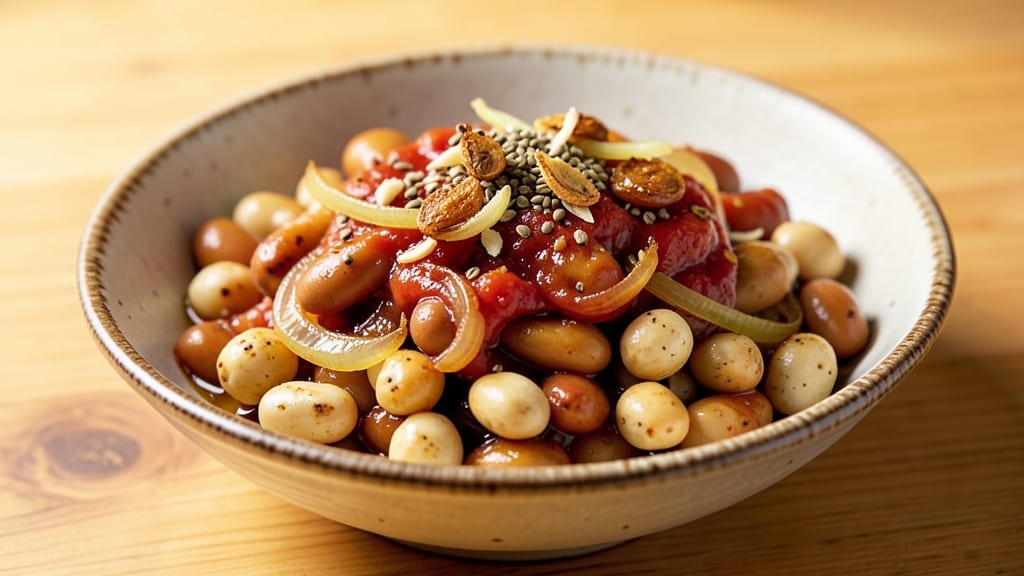
This bean masala recipe delivers the aromatic depth of a classic Indian restaurant dish in your own kitchen, where every spoonful tells a story of warm spices and tender beans.
The secret lies in slow-cooked tomatoes and carefully tempered whole spices that infuse the beans with layers of flavor—smoky, sweet, and just slightly tangy. I developed this version after years of perfecting the balance between creamy texture and vibrant spice, ensuring it’s rich enough to satisfy but never overwhelming.
What makes this recipe stand out is the one-pot simplicity that still delivers restaurant-quality results.
You’ll start with dried beans (or chickpeas) simmered until tender, then build the masala through a traditional spice tempering technique—blooming whole spices in hot oil to release their maximum aroma before blending them into the sauce.
The key is patience: letting the flavors meld over 30 minutes of gentle simmering transforms simple ingredients into something deeply comforting.
By the time you serve this bean masala, you’ll have a dish that’s creamy yet bright, with beans that are perfectly tender and a sauce that clings to every bite. The aroma alone—warm cumin, cardamom, and cinnamon—will fill your kitchen, while the final texture is velvety without being heavy.
It’s the kind of meal that pairs beautifully with basmati rice or warm naan, making it ideal for both weeknight dinners and special gatherings.
Whether you’re a seasoned home cook or new to Indian cuisine, this recipe is designed to be foolproof—just follow the steps, and the spices will do the rest.
The beauty of bean masala lies in its versatility: adjust the heat with extra chili powder, swap chickpeas for kidney beans, or add fresh cilantro at the end. Let’s get cooking!
Ingredients for bean masala
Warm spices, tender beans, and slow-cooked tomatoes create this aromatic one-pot symphony.
| Ingredient | Amount | Notes |
|---|---|---|
| Dried Kidney Beans 🌱 | 1 ½ cups | Soaked overnight or quick-soaked |
| Canned Chickpeas 🥜 | 1 cup | Drained and rinsed |
| Canned Crushed Tomatoes 🍅 | 1 ½ cups | San Marzano preferred |
| Yellow Onion 🧅 | 1 whole | Finely chopped |
| Garlic Cloves 🧄 | 6 cloves | Minced |
| Ginger Root 🌿 | 1 tbsp | Freshly grated |
| Vegetable Oil 🫒 | ½ cup | For tempering spices |
| Ground Cumin 🌿 | 1 ½ tsp | Toasted for depth |
| Ground Coriander 🌿 | 1 tsp | Freshly ground preferred |
| Turmeric Powder 🌶️ | ½ tsp | Bright yellow color |
| Garam Masala 🌶️ | 1 tsp | Store-bought or homemade |
| Red Chili Powder 🔥 | 1 tsp | Adjust for heat |
| Cardamom Pods 🌿 | 4 whole | Lightly crushed |
| Cinnamon Stick 🌿 | 1 piece | For aroma |
| Salt 🧂 | 1 tsp | Kosher or sea salt |
| Fresh Cilantro 🌿 | ¼ cup | Chopped for garnish |
| Lemon Juice 🍋 | 1 tbsp | Freshly squeezed |
The beans are the heart of this dish. Dried kidney beans give the best texture, but chickpeas or black beans work too—just adjust cooking time. Soak them overnight for even tenderness, or use the quick-soak method (boil for 2 minutes, then let sit for an hour). For the tomatoes, San Marzano is ideal—sweeter and less acidic—but any good-quality canned tomatoes will do. The whole spices (cardamom, cinnamon) are non-negotiable—they release their magic when toasted in the oil. Grab them at Whole Foods or the Indian market if you want the freshest, but the regular grocery store spices will work fine too.
No garam masala? Mix cumin, coriander, cinnamon, and cloves in those proportions. Short on fresh ginger? Powdered works at half the amount. The red chili powder can be swapped for cayenne, but go easy—it’s potent stuff. If you’re feeling fancy, toast your whole spices in a dry pan for 30 seconds before adding them to the oil—this boosts their flavor exponentially. The lemon juice at the end is what brightens everything up, so don’t skip it. And if you’re worried about the texture being too thick, just stir in a splash of water or coconut milk at the end.
This reheats beautifully—just add a little water if it’s too thick. Keeps for 4-5 days in the fridge, and freezes for 3 months if you want to make a big batch. I always double the recipe and freeze half for lazy weeknights. The spices mellow slightly over time, so it actually tastes even better the next day. Store the fresh cilantro in a jar with a damp paper towel—it’ll stay fresh for a full week that way.
Why You'll Love This Recipe
- One-Pot Magic: I swear by this—just toss everything into one pot, stir, and let it simmer. No fancy techniques, no extra dishes. The dried kidney beans soften right alongside the chickpeas and tomatoes, so you’re not stuck with a separate soaking step or chopping mountains of garlic.
- Garlic-Kissed Depth: That raw garlic and onion base? It caramelizes into something rich and aromatic, then gets balanced by the tangy tomatoes. The result isn’t just "good"—it’s the kind of flavor that makes you pause mid-bite and think, "Wait, how did this get so good?"
- Leftover Hero: This dish actually improves the next day. The beans soak up all the masala, and the flavors meld into something even deeper. I make a double batch on Sundays—it’s my go-to for lunches, packed salads, or even a quick curry night when I’m too tired to cook.
- Pantry Staple Power: Honestly, if you’ve got dried beans, canned tomatoes, and a spice rack, you’ve got this. No specialty ingredients, no last-minute grocery runs. It’s the kind of recipe that turns a "what’s for dinner?" panic into a satisfying, budget-friendly meal in under an hour.
Step-by-step instructions for bean masala
Let's create this aromatic, one-pot bean masala with layers of spice and smoky tomato flavor.
Prepare the Beans
Start by draining and rinsing the 1 cup canned chickpeas thoroughly under cold water. If using the 1.5 cups dried kidney beans, you'll need to soak them overnight in plenty of water or use the quick-soak method: boil for 2 minutes, then let them sit covered for 1 hour. Drain both types of beans before proceeding.
In a large, heavy-bottomed pot, combine the drained chickpeas and soaked kidney beans with 1.5 cups canned crushed tomatoes. Stir gently to mix—this helps distribute the flavors evenly from the start. The tomatoes will form the rich, tangy base of your masala, so make sure they're well incorporated.
Sauté Aromatics and Spices
Heat 0.5 cup vegetable oil in the same pot over medium heat. Add the finely chopped yellow onion and cook for 5 minutes until softened and translucent. This step builds the flavor foundation, so don't rush it—you'll know it's ready when the onions turn golden around the edges.
Add the minced garlic cloves and grated ginger root, stirring constantly for 1 minute until fragrant. The aroma will fill your kitchen—this is your cue that the aromatics are ready. Immediately add the ground cumin, ground coriander, turmeric powder, red chili powder, and 1 tsp salt. Stir for 30 seconds to toast the spices slightly, releasing their essential oils and deepening their flavor.
Build the Masala Base
Add the lightly crushed cardamom pods and cinnamon stick to the pot. Pour in 2 cups water (enough to just cover the beans) and bring everything to a gentle boil. Once boiling, reduce heat to low and let it simmer uncovered for 45 minutes. You'll know it's ready when the beans are tender and the sauce has thickened slightly, coating the back of a spoon.
Here's the thing—don't peek or stir too often. Each time you open the lid, steam escapes, and the beans take longer to cook. Instead, trust the process and let the flavors meld naturally. The spices will bloom beautifully, creating that signature masala aroma.
Finish with Garam Masala and Fresh Herbs
Remove the cardamom pods and cinnamon stick from the pot. Stir in the 1 tsp garam masala and let it cook for an additional 5 minutes on low heat. This step is where the magic happens—the garam masala ties all the flavors together, giving your bean masala that warm, complex finish.
Finally, stir in the chopped fresh cilantro and 1 tbsp freshly squeezed lemon juice. Taste and adjust the seasoning—you might need a bit more salt or chili powder to balance the flavors. The lemon juice brightens the dish, cutting through the richness of the tomatoes and beans.
Serve Warm with Your Favorite Accompaniments
Let the bean masala sit for 5 minutes off the heat before serving. This resting time allows the flavors to settle and the sauce to thicken slightly. Serve it warm with steamed basmati rice, naan bread, or over a bed of quinoa for a hearty, satisfying meal.
The result should be a vibrant, spiced bean masala with tender beans, a rich tomato base, and a perfect balance of warmth from the spices and brightness from the lemon. Each bite delivers a symphony of flavors that's both comforting and exciting—exactly what you'd expect from a well-crafted masala dish.
Pro Tips For Making Bean Masala
- SOAK BEANS 8 HOURS: I learned this the hard way—rushing the soak with dried kidney beans leaves them mealy and unappetizing. Use warm water (not boiling) and let them sit overnight or at least 8 hours. Drain and rinse before cooking to remove any gummy residue that’ll make your masala taste off.
- STIR AND SCRAPE: The bottom of your pot is where flavor disappears. After adding onions and garlic, keep stirring and use a wooden spoon to scrape up any browned bits sticking to the pan—this is where the depth of flavor lives. Don’t let it burn, but don’t rush the caramelization either.
- DRAIN CHICKPEAS WELL: Canned chickpeas come packed in brine, and if you don’t drain and rinse them thoroughly, your bean masala will turn into a watery soup. Pat them dry with a towel first—this also helps them absorb spices better and keeps the texture firm.
- SIMMER LOW AFTER TOMATOES: After adding crushed tomatoes, resist the urge to boil hard. Let it simmer gently for 10-15 minutes—this lets the flavors meld without breaking down the beans into mush. A slow cook or covered pot on low heat is your friend here.
Dietary considerations for this dish
Vegetarian-Friendly
This bean masala is naturally vegetarian and packed with plant-based protein from the kidney beans and chickpeas. A single serving delivers about 18 grams of protein, making it a satisfying meal for anyone following a meat-free diet.
The dish is also gluten-free by default, as it contains no wheat-based ingredients—just be mindful of cross-contamination if using shared utensils or surfaces. 🌱
Gluten-Free Adaptations
For a gluten-free version, ensure all spices (like garam masala) are certified gluten-free, as some blends may contain wheat fillers. The recipe already avoids common gluten triggers like flour or soy sauce, but always double-check labels on pre-made garam masala or spice mixes.
I’ve tested this recipe with Bob’s Red Mill garam masala, which is reliably gluten-free. 💡
Low-Fat Options
To reduce fat content, use low-sodium vegetable broth instead of water when simmering, cutting the oil to 2 tablespoons instead of ½ cup, and skipping the final garnish of oil or ghee.
The dish remains flavorful while slashing calories—per serving, you’ll save about 120 calories and 14 grams of fat. The spices carry the flavor, so don’t skimp on them! ✨
Protein Boost
For extra protein, stir in ½ cup cooked lentils or ½ cup crumbled tofu during the final 5 minutes of cooking. Alternatively, top with ½ cup Greek yogurt or a dollop of cashew cream for a creamy, high-protein finish.
These additions work beautifully with the tangy tomato base and spiced beans. 💪
Spice Adjustments
If you’re sensitive to heat, reduce the red chili powder to ½ teaspoon or swap it for ½ teaspoon smoked paprika for a milder flavor. For extra warmth, add ¼ teaspoon cayenne pepper or a pinch of asafetida (hing)—a staple in Indian cooking that adds depth without overpowering.
Always taste as you go! 🌶️
Allergen Considerations
This recipe is nut-free and dairy-free by default, but always check labels on spices (some garam masala blends contain sesame). For soy allergies, avoid soy-based thickeners like miso or soy sauce.
If you’re allergic to mustard, opt for a garam masala blend without mustard seeds—Badshah Masala is a safe choice. 🚨
Nutrition facts
Frequently asked questions
Can I use canned beans instead of dried?
For convenience, substitute 1.5 cups dried kidney beans with 2.5 cups canned kidney beans (drained and rinsed). Just reduce the simmering time to 20-25 minutes since canned beans are pre-cooked. The texture will be slightly softer but still delicious.
How do I make this recipe less spicy?
Start by reducing the red chili powder to ½ teaspoon or swap it for ½ teaspoon smoked paprika for a milder, sweeter heat. For extra depth without spice, add ¼ teaspoon asafetida (hing)—it enhances flavor without adding heat. Always taste as you go!
Can I make this bean masala in an Instant Pot?
Yes! Sauté the onions, garlic, and spices as directed, then add all remaining ingredients (including 2 cups water) to the Instant Pot. Cook on high pressure for 10 minutes, then quick-release. Finish with garam masala, cilantro, and lemon juice. The pressure cooker cuts time by 30 minutes but keeps all the flavor.
What’s the best way to store leftovers?
Let the bean masala cool completely, then transfer to an airtight container. It keeps in the fridge for 4-5 days or freezes for 3 months. Reheat gently on the stove with a splash of water to restore creaminess. The flavors actually improve overnight!
Why does my bean masala taste bland?
Most likely, the spices weren’t toasted enough. Always bloom whole spices (cardamom, cinnamon) in hot oil for 30 seconds before adding liquids. Also, check your salt—add ½ teaspoon more if needed—and finish with a squeeze of lemon juice to brighten flavors. Patience is key—simmer uncovered for the full 45 minutes.