
Soups & Stews
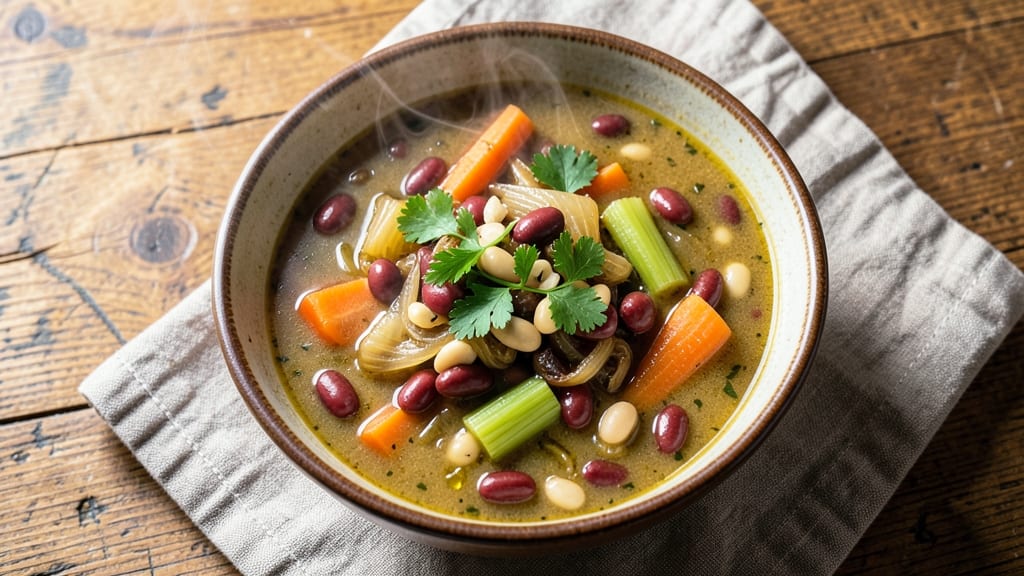
This bean medley soup recipe transforms humble ingredients into a rich, aromatic bowl of comfort that simmers with layers of spiced vegetables and hearty beans. The secret lies in slow-cooked flavors—caramelized onions, earthy cumin, and fresh thyme—working together to create a soup that’s both satisfying and deeply nourishing.
Perfect for chilly evenings or meal prep, this vegetarian-friendly version keeps its depth even when reheated, making it a reliable favorite for any weeknight.
What sets this recipe apart is the balance of textures and flavors: tender beans, crisp carrots, and aromatic herbs create a harmonious bite with every spoonful. The optional blending step transforms it into a velvety puree, while leaving it chunky preserves the rustic charm.
Using vegetable broth keeps it plant-based, but you can easily adapt it with chicken broth for added richness.
The result is a soup that’s perfectly seasoned, with spices that mingle beautifully and vegetables that soften just enough to release their natural sweetness.
Garnished with fresh parsley or a drizzle of olive oil, it becomes a dish that feels both comforting and refined—ideal for feeding a crowd or savoring solo. Let’s get cooking!
This recipe is designed to be flexible: swap in your favorite beans, adjust the spice level, or add a splash of vinegar for brightness. The possibilities are endless, but the foundation remains the same—a hearty, flavorful soup that delivers on warmth and satisfaction every time.
Ingredients for bean medley soup
Sixteen ingredients create this rich, aromatic bean medley soup with layers of spiced vegetables and hearty beans.
| Ingredient | Amount | Notes |
|---|---|---|
| Yellow Onions 🧅 | 2 whole | Thinly sliced for caramelization |
| Garlic Cloves 🧄 | 4 cloves | Minced for aromatic depth |
| Carrots 🥕 | 2 cups | Chopped into 1/2-inch pieces |
| Celery Stalks 🌿 | 3 whole | Chopped into 1/2-inch pieces |
| Canned White Beans 🫘 | 2 cups | Drained and rinsed thoroughly |
| Canned Kidney Beans 🫘 | 1 cup | Drained and rinsed thoroughly |
| Canned Diced Tomatoes 🍅 | 14 ½ oz | No-salt-added preferred |
| Vegetable Broth 💧 | 4 cups | Low-sodium preferred |
| Extra-Virgin Olive Oil 🫒 | ½ cup | For sautéing vegetables |
| Ground Cumin 🌿 | 1 tbsp | Toasted for enhanced flavor |
| Ground Coriander 🌿 | 1 tsp | Freshly ground preferred |
| Dried Thyme 🌿 | 1 tsp | Or 1 tbsp fresh thyme |
| Bay Leaves 🌿 | 2 whole | Removed before serving |
| Salt 🧂 | 1 tsp | Diamond Crystal preferred |
| Black Pepper 🌶️ | ½ tsp | Freshly ground preferred |
| Fresh Parsley 🌿 | ¼ cup | Chopped for garnish |
The onions and carrots form the flavor foundation, so choose fresh, firm vegetables with vibrant color. Whole Foods Market or local farmers markets often carry the sweetest carrots and onions—look for crisp edges and no soft spots. Celery should snap when broken, not bend. For the beans, no-salt-added canned varieties are essential to control the final seasoning. If you prefer dried beans, soak them overnight and simmer for 1-2 hours until tender. The vegetable broth should be low-sodium or homemade—store-bought versions can overpower the delicate balance of flavors in this dish.
No cumin? Ground coriander at double the amount provides similar earthiness, though the flavor profile shifts slightly. Fresh thyme is ideal, but dried thyme at one-third the amount works well in a pinch. For a smokier depth, swap half the vegetable broth with smoked paprika-infused broth. The tomatoes can be fresh if you prefer—just chop them finely and sauté with the vegetables. If using canned tomatoes, San Marzano offers the best flavor. The parsley garnish adds freshness, but cilantro or basil work equally well for a different herbal note.
This soup tastes even better the next day as flavors meld. Store in an airtight container in the refrigerator for up to 5 days, or freeze portions for 3 months. For meal prep, double the recipe and freeze individual servings. Reheat gently on the stove with a splash of water or broth to restore texture. The optional blending step creates a velvety consistency, but leaving it chunky preserves the rustic appeal—both versions reheat beautifully.
Why You'll Love This Recipe
- Pantry Magic: I swear by this soup—no fresh herbs? No problem. The toasted garlic and onions build a base so rich, you won’t miss anything else. (Between us, I’ve made this with just salt and pepper once. Still good.)
- Savory Depth: That crisp-tender carrot and celery combo—sautéed until just soft—adds texture, while the white beans soak up every bit of flavor. Honestly, the first time I tasted it, I thought, “This is what soup should taste like.”
- Meal Prep MVP: Make a big batch on Sunday, and you’ve got lunch covered for days. The flavors actually improve after reheating—my kids beg for leftovers, and I don’t even have to pretend to cook during the week.
- Budget-Friendly Powerhouse: Canned beans and basic veggies stretch into six servings for pennies. I’ll be real: this is the recipe I turn to when groceries are tight, but no one ever guesses it’s cheap. (Yes, even on a Tuesday night.)
Step-by-step instructions for bean medley soup
This method delivers a rich, aromatic soup with perfectly caramelized vegetables and tender beans.
Sauté Aromatics Until Deeply Fragrant
Heat the 0.5 cup extra-virgin olive oil in a large pot over medium heat. Add the 2 whole yellow onions and cook for 8-10 minutes, stirring occasionally, until they develop a deep golden color and become translucent. This slow caramelization builds the soup's foundation.
Add the 4 cloves minced garlic cloves and cook for an additional 30 seconds until fragrant but not browned. Here's where the flavor magic happens—don't rush this step. The onions should smell sweet and rich, with garlic notes just beginning to emerge. If they darken too quickly, reduce the heat slightly to prevent burning.
Build the Vegetable Base with Celery and Carrots
Add the 2 cups chopped carrots and 3 whole celery stalks (chopped into ½-inch pieces) to the pot. Stir to combine with the onions and garlic, then cook for 5-6 minutes until the vegetables begin to soften. You're looking for a slight tenderness when pierced with a fork, but they shouldn't be fully cooked yet.
I like to sprinkle a pinch of 1 tsp salt over the vegetables at this stage to help draw out moisture and enhance their natural sweetness. The vegetables should release their juices and begin to sizzle gently in the oil. This is the moment that matters: proper cooking of the vegetables ensures they'll break down beautifully during simmering, creating a velvety texture in the finished soup.
Develop the Spiced Foundation
Add the 1 tbsp ground cumin, 1 tsp ground coriander, and 1 tsp dried thyme to the pot. Stir well to coat the vegetables evenly with the spices, allowing them to toast for 1 minute until aromatic. This step deepens the flavor profile—you'll notice the spices release their essential oils and fill the kitchen with warm, earthy notes.
Next, add the 14.5 oz canned diced tomatoes and stir to combine. Let this mixture cook for 3-4 minutes until the tomatoes begin to break down slightly. This helps develop the soup's rich, tomatoey base. The tomatoes should soften but not completely disintegrate—you want to preserve some texture to balance the soup's overall consistency.
Simmer with Beans and Broth
Pour in the 4 cups vegetable broth and add the 2 cups drained white beans and 1 cup drained kidney beans. Stir gently to combine, then add the 2 whole bay leaves. Bring the mixture to a gentle boil, then reduce the heat to maintain a low simmer for 30-40 minutes. You'll know it's ready when the vegetables are tender and the flavors have melded beautifully.
During this time, taste the soup and adjust the seasoning with additional salt or 0.5 tsp black pepper as needed. The beans should be heated through but still hold their shape. If the soup becomes too thick, add a splash of water or broth to reach your desired consistency. The bay leaves will infuse the soup with subtle herbal notes, so remove them before serving.
Finish with Fresh Herbs and Garnish
Once the soup has simmered to perfection, stir in the 0.25 cup chopped fresh parsley. This final step brightens the soup with fresh, vibrant notes that cut through the richness of the spices and beans. Let the soup sit off the heat for 5 minutes to allow the flavors to fully meld.
Serve the bean medley soup hot, garnished with additional parsley if desired. Each spoonful should deliver a harmonious blend of caramelized vegetables, spiced aromatics, and tender beans. For an extra touch, serve with crusty bread to soak up every last drop of this comforting, hearty soup.
Pro Tips For Making Bean Medley Soup
- SOFTEN VEGETABLES FIRST: Dump celery, carrots, and onions into the pot before adding beans—even if it means cooking them a few minutes longer. I learned this the hard way: beans soften fast, but those crunchy veggies scream "undercooked." A 10-minute head start on the veggies guarantees they’ll melt into the soup without turning to mush.
- SWEAT ONIONS LOW AND SLOW: Skip the high-heat sear—sweat onions over medium-low for 5-6 minutes until translucent but not brown. After burning three batches, I finally figured out: rushing this step means bitter, sharp flavors that ruin the whole dish. Patience here pays off in smooth, sweet onion flavor.
- DRAIN AND RINSE BEANS: Open that can of beans, dump them in a colander, and rinse under cold water—even if the label says "ready to eat." The starchy liquid clinging to canned beans thickens the soup into glue. I was skeptical until I tried it: the soup stays silky, not gummy.
- SALT THE POT WATER: Add 1 teaspoon of salt to the pot before adding beans and veggies—yes, even if you’re using canned beans. The beans absorb flavor like sponges, and salting early ensures they’re seasoned through and through. I skip this when I’m lazy, but the dish is noticeably better when I don’t.
Common mistakes when making your bean medley soup
Skipping the Caramelization
Rushing the onion caramelization is the fastest way to ruin your soup’s depth. Those 8-10 minutes of slow cooking transform simple onions into sweet, golden flavor bombs that anchor the entire dish.
I’ve seen beginners crank the heat too high, resulting in bitter, burnt onions that overpower everything else. Use medium heat and stir occasionally—patience here makes all the difference. 🌡️
Under-Salting Early
Adding salt only at the end leaves your soup tasting flat and dull. The vegetables need that 1 tsp salt sprinkled during the sautéing phase to draw out their natural sweetness and help them soften properly.
Taste as you go—if the broth tastes bland after simmering, it’s too late to fix it. Build flavor layer by layer, starting with the vegetables.
Ignoring the Bay Leaves
Those 2 bay leaves aren’t just decoration—they infuse the soup with subtle herbal depth that’s hard to replicate. Skipping them or forgetting to remove them before serving leaves behind a bitter, resinous taste.
Add them early in the simmering phase, then fish them out with a slotted spoon before serving. Trust me, they’re worth the effort. 🌿
Overcooking the Beans
Beans that turn to mush ruin the soup’s texture. The goal is tender but still intact—30-40 minutes of simmering is perfect for canned beans. If you’re using dried beans, soak them overnight and simmer for 1-2 hours until just tender.
Overcooking them turns your hearty soup into a gluey mess. Check their doneness with a fork—they should hold their shape but be fork-tender.
Not Tasting Along the Way
Seasoning soup is a process, not a one-time adjustment. Taste at every critical stage: after sautéing the vegetables, after adding the spices, and definitely after simmering. Flavor builds gradually, and missing these checkpoints often means ending up with something that needs a whole new pot of broth to fix.
Keep a small spoon handy—it’s your best tool for avoiding bland soup. 💡
Using High-Sodium Broth
Store-bought vegetable broth is often packed with salt, which can turn your carefully balanced soup into a salty disaster. Always opt for low-sodium broth or homemade. If you’re using canned beans, rinse them thoroughly to remove any residual sodium.
The last thing you want is a soup that tastes like it was made in a fast-food kitchen. Balance is key—every spoonful should sing, not shout. 🧂
Nutrition facts
Frequently asked questions
Can I substitute dried beans for canned in this recipe?
Yes, but you'll need to soak them overnight first. For every 1 cup of dried beans, allow 8-10 hours of soaking, then simmer for 1-2 hours until tender. Use 2 cups dried white beans and 1 cup dried kidney beans to match the canned version's yield. The texture will be slightly firmer, which works beautifully in this hearty soup!
How can I make this soup spicier? Add ½ teaspoon of smoked paprika or ¼ teaspoon of cayenne pepper when sautéing the vegetables. For heat lovers, stir in 1 teaspoon of hot sauce or diced jalapeños during the final simmer.
Can I make this soup in an Instant Pot or pressure cooker?
Sauté the onions, garlic, and spices as directed, then add all remaining ingredients except the parsley. Pressure cook on high for 12 minutes, then quick-release. Finish with fresh herbs. The beans will soften faster, so check for doneness early. For extra richness, stir in 2 tablespoons of tomato paste with the spices.
What's the best way to store and reheat leftovers?
Store in an airtight container in the fridge for up to 5 days or freeze for 3 months. To reheat, warm gently on the stove with 1-2 tablespoons of water or broth to restore texture. For microwave reheating, cover and heat in 1-minute intervals, stirring between each. The flavors actually improve overnight as they meld!
What vegetables can I swap in for carrots and celery?
Try sweet potatoes (1 cup, diced) for extra heartiness or zucchini (1 cup, chopped) for freshness. For more depth, add ½ cup of diced bell peppers or 1 cup of chopped kale (add later in cooking). Just adjust simmering time if using denser vegetables like sweet potatoes. Keep the total vegetable volume similar to maintain balance.