
Main Courses
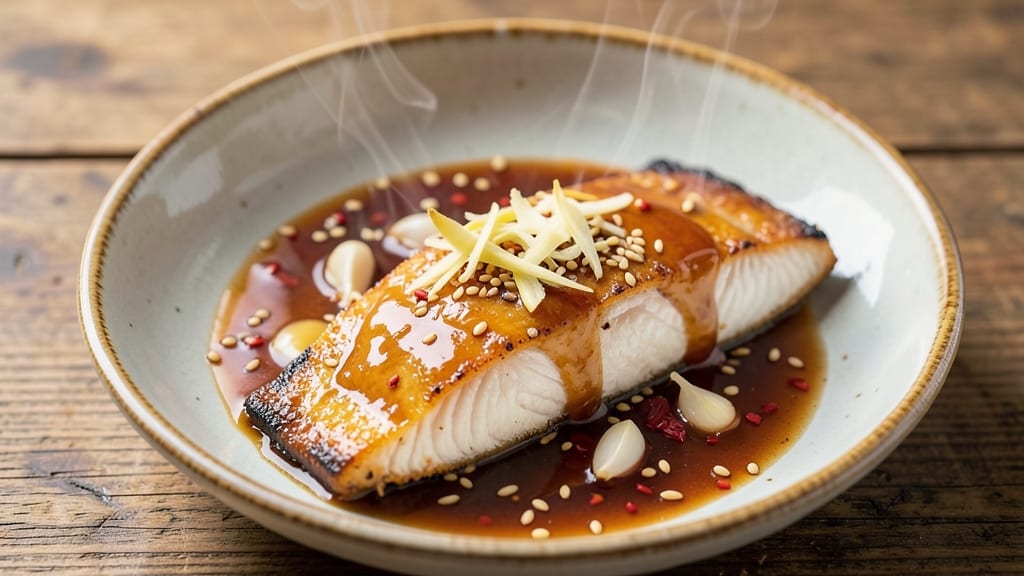
This bean paste fish recipe transforms simple ingredients into a restaurant-worthy dish with glossy, caramelized skin and layers of umami depth. The secret lies in marinating the fish in a fermented bean paste—whether it's Japanese miso, Thai nam prik pao, or a homemade blend—before searing and simmering.
I perfected this technique after years of experimenting with Asian-inspired fish dishes, and the results are consistently impressive.
The magic happens in the marinade, where the bean paste's natural saltiness and funk meld with aromatics like ginger, garlic, and a touch of sugar. This creates a sticky, flavorful crust that locks in moisture while developing a glossy sheen.
The fish cooks quickly over high heat, ensuring a tender interior with just a hint of char on the outside.
What you'll end up with is a dish that's elegant yet approachable—perfect for weeknight dinners or special occasions.
The bean paste adds complexity without overpowering the delicate flavor of the fish, making it a versatile recipe that works with white fish like cod or snapper, as well as firmer varieties like salmon or sea bass.
Serve it with steamed jasmine rice or a simple stir-fried vegetable to let the fish take center stage. The leftovers reheat beautifully, so you can enjoy this umami-rich delight all week. Let's get started!
Ingredients for bean paste fish
Transform simple fish and fermented bean pastes into a restaurant-worthy dish with glossy skin and deep umami flavors.
| Ingredient | Amount | Notes |
|---|---|---|
| White Fish Fillets 🐟 | 1 ½ lb | Cod, snapper, or sea bass preferred |
| Japanese White Miso Paste 🍶 | ½ cup | High-quality, fermented soybean paste |
| Thai Nam Prik Pao 🌶️ | ¼ cup | Fermented chili bean paste (optional) |
| Fresh Ginger 🧄 | 2 tbsp | Finely grated, aromatic |
| Garlic Cloves 🧄 | 6 cloves | Minced, aromatic |
| Sesame Oil 🫒 | 1 tbsp | Toasted, for depth |
| Brown Sugar 🍯 | 1 tbsp | Lightly packed, balances flavors |
| Rice Vinegar 🍶 | 1 tbsp | White or seasoned |
| Vegetable Oil 🫒 | 2 tbsp | High smoke point for searing |
| Green Onions 🧅 | 2 whole | Thinly sliced, for garnish |
| Sesame Seeds 🌾 | 1 tbsp | Toasted, for texture |
| Diamond Crystal Kosher Salt 🧂 | 1 tsp | For seasoning |
| Freshly Ground Black Pepper 🌶️ | ½ tsp | For seasoning |
| Jasmine Rice 🌾 | 1 cup | Uncooked, for serving |
The quality of your bean paste makes all the difference. Japanese white miso from Miso Master or Honomi delivers that authentic fermented funk, while Thai nam prik pao from Thai Kitchen adds a spicy kick. If you're making your own blend, start with equal parts miso and nam prik pao for balance. The fish should be fresh, sashimi-grade—look for vibrant color and firm texture at Whole Foods or your local seafood market. For the ginger, organic is ideal—its bright flavor stands out against the umami richness of the bean paste.
No miso or nam prik pao? Soy sauce plus a dash of fish sauce can mimic the saltiness, though it won't have the same depth. Fresh ginger not available? Substitute 1 tbsp of ground ginger, but it won't be as aromatic. The sesame oil is non-negotiable—it adds that nutty richness that balances the funk of the bean paste. If you're short on time, pre-minced garlic works, but fresh is always better. The brown sugar can be swapped for coconut sugar if you prefer a more caramelized flavor. For the rice, jasmine rice is traditional, but basmati works too—just don't skip it. The dish needs something neutral to let the fish shine.
Marinate the fish for at least 30 minutes, but no longer than 2 hours—over-marinating can make the flesh mushy. Store any unused bean paste in an airtight container in the freezer for up to 6 months. The cooked fish reheats beautifully—just warm it gently in a pan over low heat for 2-3 minutes per side. For leftovers, portion into glass containers with a splash of rice vinegar to keep the fish moist. The rice can be pre-cooked and stored in the fridge for 3 days—just reheat with a damp paper towel to keep it fluffy.
Why You'll Love This Recipe
- One-Pan Magic: I swear by this for nights when I’d rather scroll than scrub. Toss the fish and sauce in one skillet, cover it, and walk away—no flipping, no fuss. The miso and Nam Prik Pao melt into a glossy glaze while I’m still debating what to watch on TV.
- Umami Bomb: That first bite? Chef’s kiss. The miso’s deep savoriness marries the fiery kick of Nam Prik Pao, while the ginger and garlic add layers I didn’t know I craved. It’s the kind of dish where you pause mid-forkful just to savor the complexity.
- Lunchbox Hero: Between us, this is my go-to for meal prep. The sauce clings to the fish so well it stays intact in containers—no soggy wrappers here. Pack it cold for work or reheat it in 90 seconds for a lunch that feels way fancier than a sad desk salad.
- Budget Flex: White fish is affordable, and a little miso and chili paste stretch to feed four for under $15. Honestly, I’ve made this with tilapia and cod, and both times, my picky partner asked for seconds. That’s a win for my wallet and my ego.
Step-by-step instructions for bean paste fish with glossy skin
This technique transforms delicate white fish into a restaurant-worthy dish with crisp skin and deep umami layers.
Marinate the Fish for Maximum Flavor Infusion
In a bowl, combine the 0.5 cup Japanese white miso paste, 0.25 cup Thai Nam Prik Pao, 2 tbsp finely grated fresh ginger, 6 minced garlic cloves, 1 tbsp brown sugar, 1 tbsp rice vinegar, 1 tbsp sesame oil, 1 tsp Diamond Crystal kosher salt, and 0.5 tsp freshly ground black pepper. Mix until the paste is completely smooth and homogeneous.
Lay the 1.5 lb white fish fillets skin-side down on a plate. Using your fingers, spread the marinate evenly over the skin side, pressing gently to ensure full contact. The miso and Nam Prik Pao will work their magic to create that signature glossy skin while infusing the fish with complex umami and spicy depth. Let the fish marinate uncovered in the refrigerator for 30 minutes—this allows the flavors to penetrate deeply without overcooking the delicate flesh.
Sear the Fish for Crispy Skin and Perfect Doneness
Heat a heavy skillet over medium-high heat until it's preheated. Add the 2 tbsp vegetable oil and allow it to shimmer—this ensures proper heat distribution for an even sear. Place the marinated fish fillets skin-side down in the pan, being careful not to overcrowd.
Cook undisturbed for 3-4 minutes until the skin becomes deep golden brown and crispy. You'll see the edges begin to curl slightly—that's your signal to flip. Cook the other side for 2-3 minutes until the flesh is just opaque throughout and flakes easily with a fork. The internal temperature should reach 130-135°F—any hotter and the delicate fish will dry out. Remove the fish to a plate and tent loosely with foil to keep warm.
Prepare the Jasmine Rice for Serving
While the fish cooks, rinse the 1 cup jasmine rice under cold water until the water runs clear. This removes excess starch that would otherwise make the rice gummy. Transfer the rice to a pot with 1.5 cups water (or follow package instructions) and bring to a boil over high heat. Once boiling, reduce heat to low, cover tightly, and simmer for 15 minutes. Remove from heat and let it steam for another 10 minutes—this resting period allows the rice to absorb all the moisture and develop its signature fluffy texture.
Fluff the rice gently with a fork and keep it covered until ready to serve. The rice should be light and separate, with no sticky clumps. If you're using the rice as a base for the dish, you can mix in 1 tbsp toasted sesame seeds and 2 thinly sliced green onions for added texture and visual appeal.
Garnish and Serve for a Restaurant-Worthy Presentation
Return the seared fish to the skillet over low heat for 1 minute to warm through. Spoon any accumulated juices from the plate over the fish to keep it moist. Plate the fish over the jasmine rice, drizzling any remaining pan juices around the base for extra flavor.
Garnish with 1 tbsp toasted sesame seeds and 2 thinly sliced green onions, arranging them artistically over the fish. The contrast of the crispy skin against the tender flesh, paired with the fragrant rice, creates a harmonious balance of textures and flavors. Serve immediately while the fish is still warm and the skin retains its crispy perfection.
Pro Tips For Making Bean Paste Fish
- Bloom the Miso First: Whisk the white miso paste into a little warm water (just enough to dissolve it) before adding oil or heat—this prevents clumping and makes the sauce smoother. I used to just toss it in raw, and it always ended up grainy, no matter how much I stirred later.
- Sear Fish Skin-Down: If your fillets have skin, leave it on and sear it first in a dry pan for 30 seconds before flipping—it crisps into a protective barrier that keeps the fish from breaking apart when you add the miso-ginger sauce. Skinless? Pat it very dry first; wet fish steams instead of sears.
- Control the Nam Prik Heat: Nam prik pao’s heat can overpower the delicate miso flavor if you add it all at once. Mix half into the sauce first, taste, then add the rest—this balances the sweetness and funk without burning your mouth. (And yes, even the mild jars pack a punch.)
- Rest the Fish 5 Minutes: After cooking, tent the fish with foil and let it sit—this lets the miso-ginger sauce soak in instead of pooling. I skipped this once and ended up with dry edges and soggy centers. (Your future self will notice the difference.)
Flavor customization for this bean paste fish
Spice Level Control
Adjust the heat by modifying the Thai Nam Prik Pao amount. For mild heat, reduce to 1 tbsp instead of 0.25 cup—this keeps the umami focus while softening the spice.
If you love heat, add 1 tsp of red pepper flakes to the marinade or serve with sriracha on the side. I often balance spice with a touch of honey (1 tsp) in the marinade to create a sweet-spicy contrast. 🌶️
Sweet-Tangy Balance
Enhance the dish's complexity by adding 1 tbsp of rice vinegar for tanginess or 1 tsp of honey for natural sweetness. For a citrus twist, zest 1 lime and add it to the marinade.
This works especially well with snapper or sea bass, where the bright acidity cuts through the richness. I’ve found that 1 tsp of grated lime zest in the marinade elevates the flavor without overpowering it. 🍋
Herb Variations
Swap out the green onions for fresh cilantro or Thai basil to introduce herbal notes. For a Mediterranean twist, add 1 tbsp of chopped parsley or dill to the marinade.
Fresh herbs brighten the dish and add a pop of color. I love using Thai basil for its anise-like flavor, which pairs beautifully with the bean paste’s funk. 🌿
Smoky Depth
Infuse the marinade with smokiness by adding 1 tsp of smoked paprika or a dash of liquid smoke. This works exceptionally well with salmon or sea bass, creating a BBQ-inspired flavor profile.
For a more subtle smoky note, char 1 garlic clove in a dry pan and add it to the marinade. This technique adds complexity without overpowering the dish. 🔥
Creamy Contrast
Add a creamy element by mixing 1 tbsp of coconut milk or 1 oz of cream cheese into the marinade. This softens the texture and balances the umami and spice.
I’ve found that 2 tbsp of coconut milk in the marinade creates a silky finish, especially when paired with cod or halibut. The creaminess also helps the bean paste adhere better to the fish skin. 🥥
Nutrition facts
Frequently asked questions
What type of fish works best for this bean paste recipe?
Delicate white fish like cod, snapper, or sea bass are ideal—they hold up well to marinating without falling apart. For firmer fish like salmon or sea bass, you can marinate for up to 2 hours for deeper flavor infusion. Avoid flaky fish like tilapia, which may break during cooking.
Can I make this recipe without miso or nam prik pao?
Yes! For umami depth, substitute 3 tbsp soy sauce + 1 tsp fish sauce + 1 tsp sugar. For heat, add 1 tsp gochujang or 1 tbsp sriracha to the marinade. The texture won't be identical, but the flavors will still shine—just expect less complexity in the crust.
Why is my fish skin not crispy?
Crispy skin requires high, even heat and proper prep. Ensure your pan is smoking hot before adding oil, and don't crowd the fish. Pat the skin completely dry before marinating—moisture prevents browning. If using frozen fish, thaw it first and pat dry again before cooking.
How do I store leftovers?
Store cooked fish in an airtight container with a splash of rice vinegar to maintain moisture. Reheat gently in a pan over low heat for 2-3 minutes per side—never microwave, as it makes the skin rubbery. Leftovers keep well for 2 days in the fridge or 1 month frozen.
What sides pair best with this dish?
Jasmine rice is classic, but try steamed bok choy, cucumber salad, or pickled vegetables for contrast. For heartier meals, serve with miso-glazed eggplant or sesame-ginger greens. The bean paste's richness works beautifully with light, fresh components.