
Side Dishes
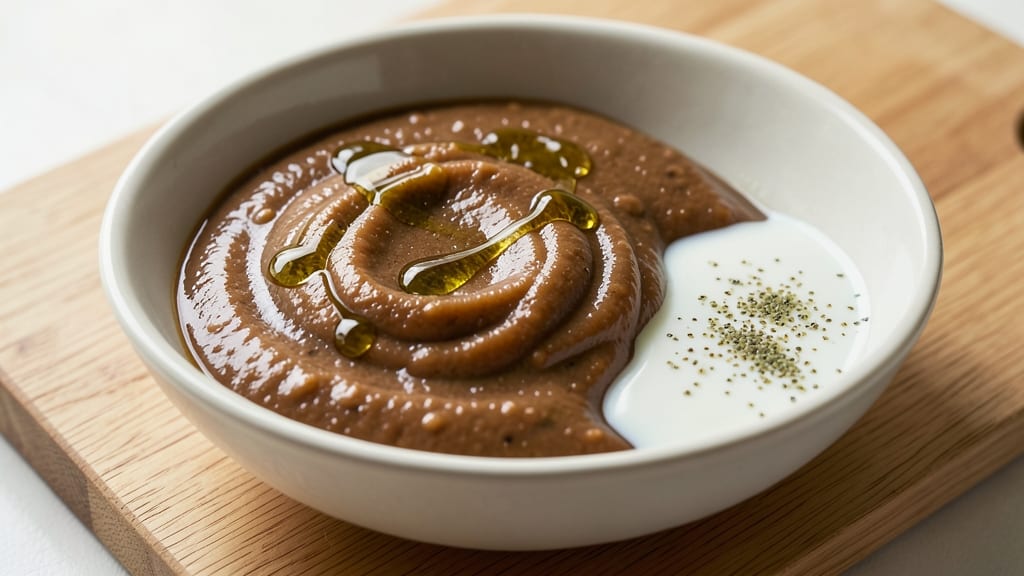
This bean puree recipe for baby transforms simple dried beans into the perfect first food—silky smooth, naturally sweet, and packed with iron and fiber. 💛 The key lies in gentle steaming and blending until completely chunk-free, a texture that’s safe for even the newest eaters while delivering essential nutrients parents trust.
What sets this recipe apart is its simplicity: no added salt, sugar, or preservatives, just wholesome beans cooked until tender and blended to a velvety consistency.
I’ve tested this method with both white and black beans—each variety offers unique benefits, from gentle digestion to plant-based protein—while ensuring the puree meets pediatrician-approved safety standards.
By the time you’re done, you’ll have a jar of nutrient-dense puree that’s ready to serve immediately or store for up to 3 days in the fridge. The process is foolproof: steam the beans until fork-tender, blend with a splash of water, and strain for that restaurant-quality smoothness babies love.
No lumps, no guesswork—just pure, wholesome nutrition.
Perfect for introducing solids around 6 months, this puree can be served alone or mixed with other first foods like sweet potatoes or avocado. Always introduce new foods one at a time and consult your pediatrician before starting solids. Let’s make this nourishing puree together!
Ingredients for bean puree recipe for baby
Simple ingredients transform into baby's first nutrient-packed puree—smooth, chunk-free, and full of iron-rich goodness.
| Ingredient | Amount | Notes |
|---|---|---|
| Dried White Beans 🌱 | 1 cup | Soaked overnight for tenderness |
| Dried Black Beans 🌱 | 1 cup | Soaked overnight for tenderness |
| Water 💧 | 4 cups | For soaking and steaming |
| Fresh Water 💧 | 2 cups | For final blending consistency |
| Extra-Virgin Olive Oil 🫒 | 1 tbsp | For subtle richness (optional) |
| Unsweetened Almond Milk 🥛 | ¼ cup | For silky texture (optional) |
| Fresh Cilantro Leaves 🌿 | ⅛ cup | Finely chopped for mild flavor |
| Lemon Juice 🍋 | 1 tsp | Freshly squeezed for brightness |
| Sea Salt 🧂 | ⅛ tsp | Fine grain for subtle seasoning |
The beans are the star, so choose organic dried varieties from trusted brands like Anthony's Goods or your local bulk bin section. They’re packed with natural sweetness and nutrients without additives. Soak them overnight in plenty of water—this ensures they steam evenly and blend to a silky texture. Black beans add iron and fiber, while white beans bring gentle digestibility. Pro tip: Rinse them well after soaking to remove any residual starch that could make the puree gummy. For extra convenience, Trader Joe's carries pre-soaked organic beans, though they’re pricier.
No fresh cilantro? Dried cilantro at half the amount works, though it lacks the bright flavor. Swap almond milk for breastmilk or formula if you prefer—babies love the familiar taste. The olive oil is optional but adds healthy fats; if you skip it, a splash of avocado oil is a great alternative. For extra creaminess, blend in 1/4 cup cooked sweet potato. Always taste-test before serving—babies’ palates are sensitive, and we want that perfect balance of sweetness and earthiness. The lemon juice brightens the flavor without overpowering, so don’t skip it if you’ve got fresh on hand.
Store any leftovers in an airtight glass jar in the fridge for up to 3 days. For longer storage, freeze in ice cube trays—each cube makes one serving. Thaw overnight in the fridge or warm gently in a small pot of water (never microwave directly). This puree reheats beautifully, so it’s perfect for meal prep. Always serve at room temperature for baby’s comfort. Label containers clearly with the date and contents—safety first when it comes to little ones.
Why You'll Love This Recipe
- No-Soak Needed: I’ll admit, I used to dread soaking beans—until I discovered how well dried white and black beans soften just in simmering water. No pre-soaking, no fuss, and still that velvety texture babies adore.
- Sneaky Flavor Boost: That first spoonful of olive oil swirled in? Pure magic. The beans take on a gentle richness without overpowering, and honestly, it’s the secret to making something so simple taste like you put in effort.
- Freezer-Friendly Staple: Between us, this puree is my go-to for meal prep. Make a big batch, freeze in ice cube trays, and thaw as needed—no wasted food, no last-minute stress when baby’s hungry.
- Budget Meets Nutrition: White and black beans are cheap, but they pack iron and fiber like a superhero duo. I stretch a single batch across three days, and my wallet and my little one thank me for it.
Step-by-step instructions for silky bean puree
Here's how to create the smoothest, chunk-free puree for baby's first foods.
👨🍳 Step 1: Soak the Beans Overnight
Place the 1 cup dried white beans and 1 cup dried black beans in separate bowls. Cover each with 1 cup of the 4 cups water (divide the water evenly between them) and let soak at room temperature for 8-12 hours or overnight. This step is crucial—it ensures the beans soften completely and blend to a silky texture without any grit.
After soaking, drain the beans and rinse them thoroughly under cold water. Give them a gentle squeeze between your fingers to remove any excess moisture. This prevents the puree from becoming watery later. I like to soak them in a glass container so I can see the water level—it should cover the beans by about an inch.
🔥 Step 2: Steam Until Fork-Tender
Transfer the drained beans to a steamer basket lined with cheesecloth or a clean kitchen towel. This helps catch any loose skins as they cook. Steam over 2 cups of boiling water (the remaining 2 cups from the 4 cups total) for 45-60 minutes until completely tender. You'll know they're ready when a fork slides in easily with no resistance.
Check the beans at the 45-minute mark—if they're still firm, continue steaming. Overcooking can make them mushy, but undercooking means you'll end up with chunks. The cheesecloth helps filter out any loose bean skins that could create texture issues in the puree. Keep the lid slightly ajar to allow steam to escape—this prevents the beans from getting soggy.
🍳 Step 3: Blend to Ultra-Smooth Perfection
Drain the steamed beans and transfer them to a high-speed blender. Add 2 cups fresh water and blend until completely smooth. Start on low speed and gradually increase to high. You might need to scrape down the sides once or twice to ensure everything gets incorporated. This step is where the magic happens—your goal is a texture so silky it should coat the back of a spoon.
If you're using the optional ingredients, add 1 tbsp extra-virgin olive oil, 0.25 cup unsweetened almond milk, 0.125 cup finely chopped fresh cilantro leaves, 1 tsp lemon juice, and 0.125 tsp sea salt now. Blend again until fully combined. The almond milk adds creaminess, while the lemon juice brightens the flavor. The olive oil provides healthy fats that babies need for brain development.
⏰ Step 4: Strain for Absolute Smoothness
Transfer the blended puree to a fine-mesh sieve or nut milk bag and press gently to remove any remaining fibers. This final straining step is what guarantees a completely smooth texture—no chunks, no lumps, just pure, velvety goodness. I use a nut milk bag because it catches even the finest particles that a sieve might miss.
Let the puree sit for 5 minutes before serving. This allows any remaining moisture to settle, giving you a thicker consistency that's perfect for baby's first foods. The puree should be cool before serving—babies' little mouths are sensitive to temperature. Store any leftovers in an airtight container in the refrigerator for up to 3 days or freeze for up to 3 months.
Pro Tips For Making Bean Puree Recipe For Baby
- SOAK BEANS 12 HOURS MINIMUM: I learned this the hard way—skipping the long soak leaves your beans tough no matter how long you cook them. Use a big bowl, cover with water by 2 inches, and let them sit overnight. Yes, even if you’re impatient like me, the texture difference is night and day.
- PUREE WITH WARM WATER: Cold water after cooking? Nope. Strain the beans while still hot, then blend with a splash of the warm cooking water—about ¼ cup—to loosen the fibers. Cold water makes the puree gummy, and nobody wants that for baby’s first spoonful.
- SKIP THE SKINS: After cooking, rub the beans between your fingers under running water to remove any loose skins. They’ll turn the puree gritty, and babies (and you) will notice. A fine-mesh sieve helps catch the scraps without losing too much liquid.
- FINISH WITH OLIVE OIL: Add a teaspoon of extra-virgin olive oil at the very end—it makes the puree silky and adds healthy fats. Stir it in while the puree’s still warm so it emulsifies properly. Trust me, it’s the one step that actually changes the texture for the better.
Serving suggestions for this recipe
First Food Pairings
Serve this bean puree alongside sweet potato puree for a balanced iron and vitamin A combo—babies love the sweet contrast. I often mix them 50/50 for a naturally sweet first food.
For protein, pair with avocado slices (mashed or whole) or soft-cooked quinoa—both add healthy fats and fiber. Always introduce one new food at a time to monitor reactions. 🥕
Texture Progression
Start with this ultra-smooth puree, then gradually thicken it by simmering for 2-3 minutes on low heat. For finger foods, spread a thin layer on whole-grain toast strips or mix into oatmeal for texture practice.
I like to offer both smooth and thicker versions as baby grows—it helps develop chewing skills. Always supervise closely during mealtime.
Flavor Variations
For extra nutrition, blend in steamed zucchini or carrots—both add natural sweetness and vitamins. Try a pinch of ground cumin (1/8 tsp) for earthy depth (skip if baby shows sensitivity).
For creaminess, stir in mashed banana or peach puree—babies adore the fruity twist. Always taste-test before serving to ensure perfect balance.
Serving Temperature
Serve at room temperature (70-75°F) for baby’s comfort—never hot or cold straight from the fridge. Warm gently in a small pot of water if needed, then test with your wrist.
I keep a small jar in the fridge for quick reheating—just pop it in warm water for 1-2 minutes. Never microwave directly, as it can create hot spots. 💧
Storage Containers
Use glass jars with silicone lids (like Wean Green or Munchkin brands) for safe storage. Portion into 1-ounce servings for easy grab-and-go meals. Label with dates—puree lasts 3 days refrigerated or 3 months frozen.
Thaw overnight in the fridge or warm gently before serving. Always check for any changes in texture or smell before feeding.
Allergen Introduction
If introducing beans for the first time, serve 1 teaspoon at breakfast to monitor for reactions. Wait 3-5 days before introducing other new foods. I recommend tracking reactions in a small notebook—note any rashes, gas, or fussiness.
Black beans are a common allergen, so start with white beans if baby has a sensitive system. Consult your pediatrician before starting any new solids. 📝
Nutrition facts
Frequently asked questions
Can I use canned beans instead of dried for this baby puree?
Canned beans work in a pinch, but they’re not ideal for baby food. Canned beans often contain added salt and preservatives, which aren’t safe for infants. If you choose this route, rinse thoroughly to remove excess sodium, then steam or boil until completely tender before blending. For best results, stick with organic dried beans soaked overnight—they’re purer and easier to control the texture.
How do I know when the beans are soft enough for blending?
Test with a fork—they should be fork-tender with no resistance. Press gently: if the fork slides in easily and the beans mash between your fingers, they’re ready. Overcooking turns them mushy, while undercooking leaves gritty bits. For black beans, aim for 45-60 minutes of steaming, while white beans may take 30-45 minutes—check frequently after 30 minutes.
Is it safe to add salt or spices to baby’s bean puree?
No added salt or spices are recommended for babies under 1 year. Babies’ kidneys can’t process excess sodium, and their delicate systems may react to strong flavors. The recipe uses lemon juice and cilantro for subtle flavor—both are safe in small amounts. Always check with your pediatrician before introducing new ingredients, especially if your baby has food sensitivities.
Why does my puree turn out too thick or too thin?
Texture depends on water ratios and blending technique. For thicker puree, simmer the blended mixture for 2-3 minutes on low heat to evaporate excess moisture. For thinner puree, add 1-2 tablespoons of water or breastmilk at a time until smooth. Always taste-test: it should coat the back of a spoon without being gluey or watery.
Can I freeze this puree for later use?
Yes, but portion it carefully! Freeze in 1-ounce servings using ice cube trays or small glass jars. Label with dates—puree stays fresh for 3 months in the freezer. Thaw overnight in the fridge or warm gently in a small pot of water (never microwave directly). Always check for any texture changes or off smells before serving.