
Main Courses
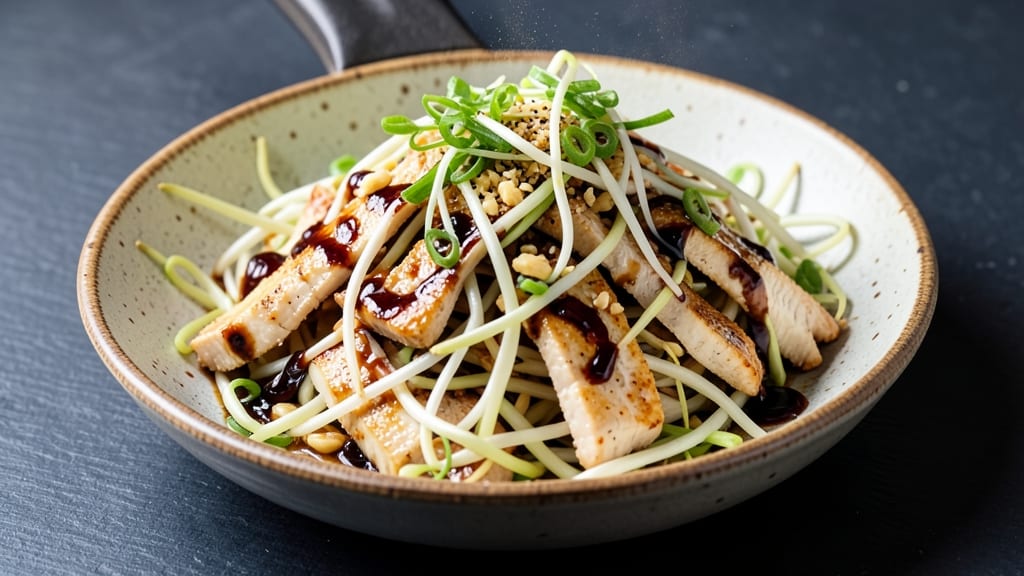
This bean sprout chop suey recipe delivers the perfect balance of crisp-tender texture and bold soy-ginger flavors in every bite. The star ingredient—fresh bean sprouts—absorbs the savory sauce while maintaining that signature crunch, making this dish both satisfying and light.
I developed this version to highlight the vegetable's natural freshness while keeping the traditional wok-fried technique that makes chop suey so beloved.
The secret to authentic flavor lies in proper stir-frying: high heat, quick cooking, and constant tossing to prevent soggy sprouts. This recipe uses simple pantry staples like soy sauce, ginger, and garlic, but the combination creates layers of umami that elevate even the most basic ingredients.
Whether you're serving it as a main course or pairing it with steamed rice, the result is a restaurant-quality dish that's surprisingly easy to recreate at home.
What makes this chop suey special is how the bean sprouts transform during cooking—starting crisp and fresh, then softening just enough to soak up the flavorful sauce while keeping that satisfying bite.
The sauce itself is a perfect harmony of salty, sweet, and aromatic, with just the right amount of heat to keep things interesting. Ready in under 20 minutes, this dish proves you don't need meat to create a hearty, flavorful meal.
For extra protein, consider adding tofu or shrimp, but the vegetarian version stands strong on its own. The dish pairs beautifully with egg rolls, dumplings, or a simple side of rice to soak up every last bit of that savory sauce. Let's get cooking!
Ingredients for bean sprout chop suey
Fresh bean sprouts and simple pantry staples create this restaurant-style vegetarian chop suey.
| Ingredient | Amount | Notes |
|---|---|---|
| Fresh Bean Sprouts 🌱 | 4 cups | Trimmed and rinsed |
| Green Onions 🧅 | ½ cup | White and green parts, sliced |
| Garlic Cloves 🧄 | 4 cloves | Minced for sauce |
| Fresh Ginger 🌿 | 1 tbsp | Grated finely |
| Soy Sauce 🥢 | ½ cup | Low-sodium preferred |
| Sesame Oil 🫒 | 1 tbsp | Toasted for aroma |
| Rice Vinegar 🍶 | 2 tbsp | White or seasoned |
| Cornstarch 🌾 | 1 tbsp | For thickening sauce |
| Vegetable Oil 🫒 | 3 tbsp | High smoke point |
| Red Pepper Flakes 🌶️ | ½ tsp | Adjust for heat |
| White Sugar 🍚 | 1 tbsp | Balances flavors |
| Salt 🧂 | ½ tsp | Kosher or sea salt |
| Steamed White Rice 🍚 | 2 cups | For serving (optional) |
The bean sprouts are non-negotiable here—they need to be fresh and crisp, not wilted or rubbery. Whole Foods or local Asian markets carry the best quality, but any grocery store's produce section works if you pick them the same day. Look for vibrant green sprouts with no yellowing. For the ginger, young, plump rhizomes grate best—older, dry ginger loses its punch. I always buy extra because it keeps for weeks in the freezer if wrapped tightly. The garlic should be firm with no sprouts, and green onions are best when the whites are crisp and the greens are bright.
No sesame oil? Toasted peanut oil works in a pinch, though it'll have a different flavor profile. Short on rice vinegar? Apple cider vinegar at half the amount adds tanginess, but you'll lose that subtle sweetness. The red pepper flakes can be swapped for Sichuan peppercorns (toasted and ground) if you want a numbing kick. For the soy sauce, low-sodium versions let you control the saltiness better. The cornstarch is crucial for that glossy sauce—don't skip it. And if you're using pre-minced garlic from a jar, rinse it first to remove excess oil.
Bean sprouts keep for 5-7 days in the fridge if stored in a paper towel-lined container with a loose lid. The sauce components (soy, vinegar, sesame oil) stay fresh for 3 months in the pantry, but the ginger and garlic will last longer if frozen. I make a double batch of sauce and freeze it in ice cube trays—perfect for quick stir-fries later. The rice? Day-old rice works best—it's drier and absorbs the sauce better. Store leftovers in airtight containers for 3-4 days or freeze for 2 months.
Why You'll Love This Recipe
- No-Chop Night Saved: I swear by this when I’m too tired to dice anything—just rinse the bean sprouts, slice the onions roughly (no one cares), and minced garlic/ginger take two minutes. That’s it. The sprouts stay crisp, the onions caramelize in one pan, and suddenly you’ve got dinner.
- Umami Bomb Combo: Between the soy sauce’s deep punch and fresh ginger’s zing, this isn’t just "veggie stir-fry"—it’s ridiculously flavorful. The garlic hits like a warm hug, and the green onions add that bright finish that makes me want to eat it straight from the wok. (Yes, even on a Tuesday night.)
- Leftover Goldmine: This keeps perfectly for days—better, even, the next day when the flavors meld. I’ll make a big batch on Sunday, toss it cold over rice for lunch, or reheat it with an egg for breakfast. Honestly, the only limit is your fridge space.
- Budget-Friendly Powerhouse: Fresh bean sprouts and green onions stretch this recipe into a full meal for pennies. A few cloves of garlic, a thumb of ginger, and a splash of soy sauce turn cheap staples into something that feels fancy. My college-self would’ve cried.
Step-by-step instructions for wok-fried bean sprout stir-fry
Master this quick stir-fry technique for vibrant, crunchy bean sprouts with bold soy-ginger flavors.
Prep All Ingredients for Quick Cooking
Start by thoroughly rinsing the 4 cups fresh bean sprouts in a colander under cold water, then drain well and pat dry with paper towels. Trim any wilted ends and discard. Next, slice the 0.5 cup green onions into ½-inch pieces, separating the white and green parts. Mince the 4 cloves garlic and finely grate the 1 tablespoon fresh ginger—these aromatics form the flavor base.
In a small bowl, whisk together the 0.5 cup soy sauce, 1 tablespoon white sugar, 0.5 teaspoon salt, 0.5 teaspoon red pepper flakes, and 2 tablespoons rice vinegar. This sauce will balance sweet, salty, and spicy notes perfectly. Keep all prepped ingredients within arm's reach—this dish cooks fast, and organization prevents overcrowding the wok.
Build the Sauce and Bloom the Aromatics
Heat a wok or large skillet over medium-high heat until smoking hot. Add the 3 tablespoons vegetable oil and swirl to coat the surface. Immediately add the minced garlic and ginger, stirring constantly for 30 seconds until fragrant but not browned—burnt aromatics turn bitter. Pour in the prepared sauce and let it simmer for 1 minute until slightly thickened.
Here's the thing—this step develops the sauce's depth. The high heat reduces the liquid quickly, concentrating flavors. If the sauce looks too thin, whisk in 1 teaspoon cornstarch mixed with 1 tablespoon water to thicken it. Keep the wok moving to prevent sticking, and resist the urge to walk away.
Stir-Fry the Bean Sprouts to Perfect Crisp-Tender Texture
Add the 4 cups bean sprouts to the wok in a single layer, spreading them evenly. Stir-fry for 2-3 minutes until they blanch slightly but still retain a vibrant green color. The goal is to achieve crisp-tender texture—sprouts should yield slightly when pierced with a fork but not be mushy.
Work quickly and keep the wok in constant motion. Overcrowding steams the sprouts instead of crisping them. If the wok gets too cool, add another ½ tablespoon vegetable oil to maintain high heat. The sprouts should look glossy from the sauce but still hold their shape.
Finish with Sesame Oil and Serve Immediately
Remove the wok from heat and drizzle in the 1 tablespoon sesame oil, tossing immediately to distribute evenly. This adds a nutty aroma and rich depth of flavor. Stir in the sliced green onions, reserving a few for garnish. Taste and adjust seasoning—add a pinch more salt or red pepper flakes if needed.
Serve the chop suey immediately over 2 cups steamed white rice, garnished with the reserved green onion tops. The contrast of warm rice and crisp-tender sprouts makes every bite satisfying. If saving leftovers, cool quickly and refrigerate—reheat gently over low heat with a splash of water to maintain texture.
Pro Tips For Making Bean Sprout Chop Suey
- STIR-FRY FAST, STOP SOAKING: High heat for 30 seconds—no more—after adding bean sprouts. They’ll wilt instantly if you linger; you want them crisp-tender, not mush. I used to let them sit in the wok too long, and the texture turned sad. Toss them in, then pull the pan off heat immediately if they’re just slightly softened.
- GINGER: GRATE, DON’T CHOP: Use a microplane or the largest holes of a box grater for ginger—no need to dice it into confetti. Finely grated ginger infuses flavor without clogging your stir-fry or leaving visible chunks. I learned this the hard way when I tried mincing it for a "fancy" look; it just turned into a paste.
- SOY SAUCE: ADD LAST, TWICE: Split your soy sauce into two batches: toss half in with the garlic and ginger first, then finish with the rest after everything’s cooked. This keeps the aromatics from over-browning and gives the sprouts a glossy, balanced coating. My first attempts used all the sauce upfront, and the dish tasted flat.
- UPGRADE: TOAST THE SPROUTS: Dry the rinsed bean sprouts thoroughly with a clean towel, then spread them on a baking sheet and broil for 2 minutes. The edges will turn golden—this adds depth and prevents them from turning soggy when stir-fried. Sounds weird, but it works: the texture stays crisp even after cooking.
Creative variations of bean sprout chop suey
Spicy Sichuan Twist
For a bold, numbing kick, swap the red pepper flakes for 1 teaspoon Sichuan peppercorns (toasted and ground) and add 1 tablespoon doubanjiang (fermented chili bean paste) to the sauce. The peppercorns bring that signature tingling sensation, while doubanjiang deepens the umami.
I like to finish with ½ teaspoon chili crisp for extra heat and texture. Serve with extra steamed jasmine rice to balance the intensity. 🌶️
Coconut Curry Fusion
Transform this dish into a Thai-inspired curry by adding ½ cup coconut milk to the sauce and stirring in 1 tablespoon red curry paste with the aromatics. Toss in 1 cup shredded carrots and ½ cup bell peppers along with the bean sprouts.
Garnish with fresh cilantro and crushed peanuts for crunch. This version pairs perfectly with jasmine rice or naan bread. 🥥
Miso-Glazed Umami Boost
Elevate the dish with a miso glaze by whisking 1 tablespoon white miso paste into the sauce along with the soy sauce. Add ½ cup shiitake mushrooms (sliced) to the wok for extra depth.
The miso adds a savory richness that complements the bean sprouts beautifully. For presentation, drizzle with a little extra sesame oil and sprinkle with toasted sesame seeds. 🍶
Peanut Butter Crunch
Add a sweet-savory twist by stirring 1 tablespoon creamy peanut butter into the sauce while it simmers. Toss in ½ cup crushed peanuts at the end for texture. The peanut butter mellows the heat while adding a creamy contrast to the crisp sprouts.
Garnish with extra green onions and serve with rice noodles for a gluten-free option. 🥜
Lemon-Ginger Zing
Brighten the flavors with a citrusy twist by adding 1 tablespoon freshly grated lemon zest and 1 tablespoon lemon juice to the sauce. The acidity cuts through the richness, making each bite refreshing.
I also add ½ teaspoon grated turmeric for a golden hue and earthy flavor. Serve with cucumber slices on the side for a light, refreshing contrast. 🍋
Protein-Packed Add-Ins
Boost nutrition by adding ½ cup firm tofu (pressed and cubed) or ½ cup shrimp (peeled and deveined) to the wok with the bean sprouts. For tofu, pan-fry it first until golden before adding to the stir-fry.
Shrimp cooks in just 2 minutes, so add them last. Both options keep the dish vegetarian-friendly or add protein for meat lovers. 💪
Nutrition facts
Frequently asked questions
Can I use canned bean sprouts instead of fresh?
Fresh bean sprouts are ideal for their crisp texture, but if you must use canned, drain them well and pat dry completely. The canned version will be softer and absorb more sauce, so reduce cooking time to 1-2 minutes instead of 2-3 minutes. For extra crunch, add a handful of fresh green onions at the end.
How do I prevent the bean sprouts from turning mushy?
High heat and constant stirring are key! Use a wok or large skillet over medium-high heat and cook in batches if needed. Never overcrowd the pan—sprouts should have space to sizzle and crisp. Add a splash of oil if the pan cools down, and work quickly to maintain that signature crunch.
Can I make this dish gluten-free?
Replace the soy sauce with tamari or coconut aminos (both gluten-free). Also, check your cornstarch for gluten-free certification. The rest of the ingredients are naturally gluten-free, so this version stays just as flavorful while being safe for celiac diets.
What's the best way to reheat leftovers?
Reheat gently in a skillet over low heat with 1 tablespoon water or oil to prevent drying. Stir constantly for 1-2 minutes until warmed through. Microwaving can make the sprouts soggy, so the stovetop method preserves texture better. Add a splash of sesame oil at the end for freshness.
How can I make this dish spicier?
Double the red pepper flakes to 1 teaspoon or add ½ teaspoon cayenne pepper to the sauce. For extra heat, stir in 1 teaspoon chili garlic sauce at the end. Balance with a squeeze of lime or extra green onions to keep flavors harmonious.