
Main Courses
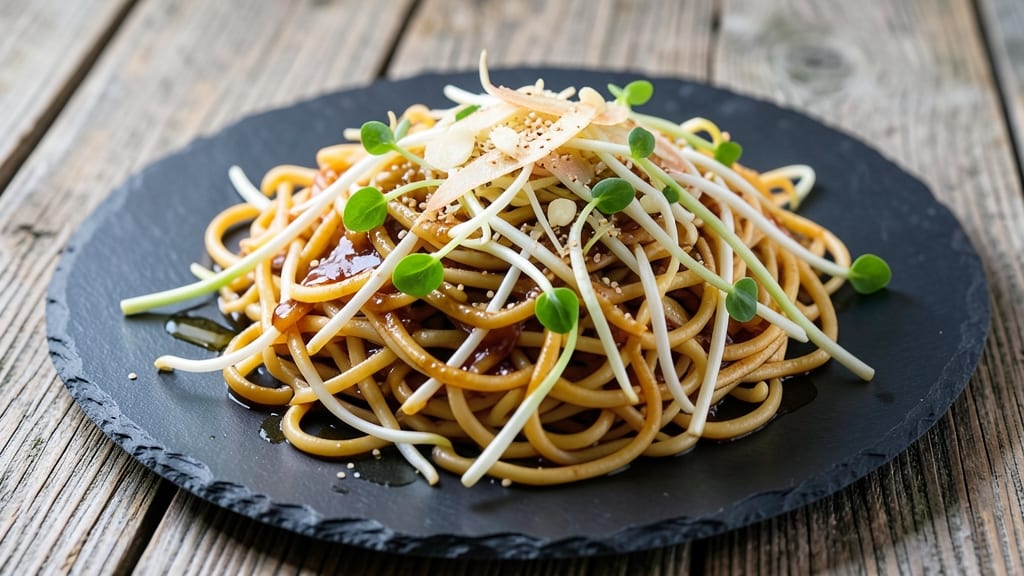
This bean sprout chow mein recipe delivers the perfect balance of crispy wok-fried noodles and fresh bean sprouts in a savory soy-ginger sauce. The secret lies in high-heat stir-frying—where the wok's signature smoky aroma (wok hei) transforms simple ingredients into a restaurant-quality dish.
I've refined this technique over years to ensure every bite delivers that satisfying crunch and umami depth.
The foundation starts with properly cooked noodles—al dente and tossed immediately after stir-frying to lock in crispiness. A homemade soy-ginger sauce (with optional oyster-free substitution) ties everything together, while bean sprouts add freshness and texture. This vegetarian-friendly version works equally well with tofu or shrimp for a pescatarian twist.
By the time you're done, you'll have golden, crispy noodles coated in a glossy sauce, fresh bean sprouts that pop with every bite, and that unmistakable wok aroma filling your kitchen. The sauce clings perfectly to the noodles, creating a harmonious blend of savory, slightly sweet, and aromatic flavors.
Whether you're serving this as a weeknight dinner or a takeout-style meal, the technique scales easily. The key is keeping everything moving in the wok—no overcrowding, no soggy noodles. Let's get cooking!
Ingredients for bean sprout chow mein
Crispy wok-fried noodles meet fresh bean sprouts in this savory soy-ginger sauce—restaurant-quality at home.
| Ingredient | Amount | Notes |
|---|---|---|
| Fresh Bean Sprouts 🌱 | 4 cups | Trimmed, rinsed thoroughly |
| Egg Noodles 🍜 | 8 oz | Fresh, uncooked, al dente preferred |
| Vegetable Oil 🫒 | ½ cup | High smoke point, neutral flavor |
| Sesame Oil 🫒 | 1 tbsp | Toasted, for aroma |
| Fresh Ginger 🌿 | 1 tbsp | Finely grated, fresh preferred |
| Garlic Cloves 🧄 | 4 cloves | Minced, fresh preferred |
| Soy Sauce 🥢 | ½ cup | High-quality, low-sodium preferred |
| Honey 🍯 | 1 tbsp | Pure, for balance |
| Rice Vinegar 🍶 | 1 tbsp | Seasoned preferred |
| Green Onions 🧅 | 4 whole | Thinly sliced, white and green parts |
| Sesame Seeds 🌾 | 1 tbsp | Toasted, for garnish |
| Red Bell Pepper 🌶️ | 1 whole | Thinly sliced, for crunch |
| Vegetarian Oyster Sauce 🍲 | 1 tbsp | For umami depth |
| Salt 🧂 | 1 tsp | Diamond Crystal preferred |
| White Pepper 🌶️ | ¼ tsp | Freshly ground |
The bean sprouts are non-negotiable for that signature crunch. Look for vibrant green sprouts with no yellowing at the base—Trader Joe's or Whole Foods carry the freshest in bulk bins. Trim the ends and rinse them well to remove any dirt. The egg noodles should be fresh, not dried—Martins or Barilla brands work exceptionally well for that al dente texture. Store both in the fridge until ready to use, but avoid overcrowding the container to prevent wilting. For the ginger and garlic, organic is ideal—the skin peels cleanly, and you can use the whole clove without scrubbing.
No sesame oil? Avocado oil at half the amount works in a pinch, though you'll lose that nutty aroma. The vegetarian oyster sauce can be tricky to find—Lee Kum Kee makes a great version, or use an extra tablespoon of soy sauce with a splash of vegetable bouillon for depth. Substituting honey? Maple syrup or agave works equally well, though the flavor profile will shift slightly. The red bell pepper adds a subtle sweetness—swap for shredded carrots if you prefer a milder crunch. Always toast your sesame seeds in a dry pan for 30 seconds before using; this intensifies their flavor dramatically.
Fresh bean sprouts stay crisp for 3-4 days in a sealed container with paper towels to absorb moisture. The uncooked noodles keep for up to 1 week in the fridge, but cook them within 2 days for optimal texture. The sauce components (soy, vinegar, honey) can be pre-mixed and stored for 5 days, though fresh is always better. For meal prep, cook the noodles and sauce separately, then toss just before serving—this preserves that signature wok-fried crunch. The dish reheats beautifully, though the texture will soften slightly; add a splash of water when reheating to restore crispiness.
Why You'll Love This Recipe
- I swear by this trick: just rinse the bean sprouts and toss them raw—no prep, no fuss. The crunch stays perfect, and honestly? It’s the one meal where I skip chopping entirely.
- No-Chop Needed: I swear by this trick: just rinse the bean sprouts and toss them raw—no prep, no fuss. The crunch stays perfect, and honestly? It’s the one meal where I skip chopping entirely.
- Ginger-Sesame Magic: That first hit of fresh ginger and sesame oil? It’s like a flavor punch. The noodles soak up the aroma while the sprouts stay bright—simple ingredients, but the combo is ridiculously good.
- Lunchbox Hero: Pack it cold for work or lunchboxes—no reheating needed. My kids grab it straight from the fridge, and between us? It’s the only takeout we actually miss when we make this at home.
Step-by-step instructions for bean sprout chow mein
Mastering this wok technique delivers restaurant-quality texture and flavor every time.
Prepare the Egg Noodles and Vegetables
Cook the 8 oz egg noodles according to package instructions in boiling water until al dente—about 3-4 minutes—then drain and rinse briefly under cold water. This stops the cooking process and prevents mushiness when stir-frying. While the noodles cook, trim the 4 cups fresh bean sprouts and slice the 1 whole red bell pepper into thin strips. Thinly slice the 4 whole green onions, separating the white and green parts.
Here's the thing—prepping everything before cooking is crucial. The noodles should be cool enough to handle when you toss them in the wok, and having all vegetables prepped means you won't miss any steps during the quick cooking process. I like to spread the bean sprouts and bell pepper on a clean kitchen towel to absorb any excess moisture, which helps them crisp up better during stir-frying.
Create the Soy-Ginger Sauce
In a small bowl, whisk together the 0.5 cup soy sauce, 1 tbsp honey, 1 tbsp rice vinegar, 1 tbsp vegetarian oyster sauce, 1 tbsp finely grated fresh ginger, and 4 minced garlic cloves. The sauce should be smooth and well combined. Taste and adjust seasoning with the 1 tsp salt and 0.25 tsp white pepper if needed—this is your flavor foundation.
I always make the sauce first because it needs time to meld. The ginger and garlic should infuse into the soy sauce, creating a complex umami-sweet balance. This sauce will coat every bite of your chow mein, so don't skimp on the quality of your soy sauce—low-sodium versions work better for flavor control.
Stir-Fry the Vegetables
Heat a wok or large skillet over high heat until smoking, then add the 0.5 cup vegetable oil. Once the oil shimmers, add the sliced red bell pepper and stir-fry for 1-2 minutes until just tender but still crisp. Remove the pepper and set aside. In the same wok, add the bean sprouts and stir-fry for 2-3 minutes until they begin to wilt slightly but remain bright green.
This high-heat technique is what creates that signature wok-fried texture. You want the vegetables to retain their crunch while developing a slight char. If your wok isn't hot enough, the oil will absorb into the vegetables instead of creating that beautiful sear we're after. The bean sprouts should look vibrant and slightly blistered at the edges when done.
Combine Noodles and Sauce
Return the red bell pepper to the wok and add the cooked egg noodles. Pour in the soy-ginger sauce and toss everything vigorously with tongs for 2-3 minutes until the noodles are evenly coated and heated through. The mixture should sizzle and steam as it combines. If the sauce seems too thick, add 1-2 tablespoons of water to loosen it.
This is where the magic happens—the sauce should cling to every strand of noodle and every piece of vegetable. The high heat and constant tossing prevent the noodles from sticking together. You'll notice the bean sprouts wilting slightly more as they absorb the sauce, which is perfect—they should be tender-crisp with a glossy coating.
Finish and Garnish
Remove the chow mein from heat and drizzle with the 1 tbsp sesame oil. Toss gently to distribute the oil evenly. Garnish with the sliced green onions and 1 tbsp toasted sesame seeds. Serve immediately while everything is hot and crisp.
The sesame oil adds a final aromatic punch and helps balance the savory flavors. The green onions provide a fresh contrast, while the sesame seeds add texture. Real talk: this dish doesn't wait. Chow mein is best served immediately when the noodles are still crisp-tender and the vegetables retain their crunch. If you need to hold it for a few minutes, cover loosely with a lid to retain heat.
Pro Tips For Making Bean Sprout Chow Mein
- STIR-FRY IN BATCHES: Bean sprouts release water like crazy when cooked—don’t overload the pan. Split them into two batches, stir-fry for 2-3 minutes each until just tender-crisp. Crowd them, and you’ll end up with a soggy mess.
- BLANCH SPROUTS FIRST: I learned this the hard way—raw bean sprouts taste bitter and chewy. Give them a quick 30-second blanch in boiling water, then shock in ice water before stir-frying. This kills bitterness and ensures they cook faster in the wok.
- USE GINGER PASTE: Fresh ginger adds depth, but grating it mid-recipe is a hassle. Make a small batch of ginger paste (grated ginger + a splash of water) ahead of time. It blends seamlessly into the sauce and saves you from peeling and grating while cooking.
- KEEP NOODLES AL DENTE: Egg noodles for chow mein should be firm, not mushy. Cook them 1-2 minutes less than package instructions, then rinse in cold water to stop cooking. Toss them in the wok for 30 seconds with the sauce—they’ll finish cooking from residual heat.
Storing and reheating your bean sprout chow mein
Fridge Storage Tips
Store your leftover chow mein in an airtight container for up to 3 days—I use glass Pyrex with snap-on lids to keep everything fresh. The noodles will soften slightly over time, but the bean sprouts stay crisp if you pat them dry before storing.
To maintain texture, separate the noodles and sauce components in two containers if possible. 🥢
Freezer-Friendly Prep
For longer storage, freeze the sauce and cooked noodles separately in quart-sized freezer bags. The sauce keeps well for 3 months, while the noodles hold up for 2 months—just thaw overnight in the fridge.
Bean sprouts don’t freeze well, so add them fresh when reheating. Label bags with dates to track freshness.
Stovetop Reheat Method
For best results, reheat on the stovetop over medium-high heat with 1 tbsp water or vegetable oil. Toss the noodles for 2-3 minutes until heated through and slightly crisp again. Add a splash of sesame oil at the end for that signature aroma. Avoid microwaving—it turns noodles mushy. 🔥
Crispiness Rescue
If reheated noodles lose their crunch, toss them in a hot, dry wok for 30 seconds to revive the texture. For extra crispiness, spread them on a baking sheet and broil for 1-2 minutes (watch closely!). The bean sprouts will crisp up too if you pat them dry before reheating.
Sauce Refresh Trick
If the sauce tastes flat after reheating, stir in ½ tsp soy sauce and ¼ tsp grated ginger to revive the flavor. A few drops of sesame oil also brightens up the dish. This works especially well if you’ve stored the sauce separately from the noodles.
Portion Control
Divide leftovers into single-serving containers before freezing or storing. This prevents overcrowding and makes reheating easier. I like to keep portions at 1 cup per serving—perfect for lunch boxes or quick meals. Store with a paper towel to absorb excess moisture and keep noodles from getting soggy. ✨
Nutrition facts
Frequently asked questions
Can I use dried bean sprouts instead of fresh?
Fresh bean sprouts are ideal for that signature crunch, but you can use dried sprouts in a pinch. Soak them in warm water for 30 minutes until tender, then drain and pat dry thoroughly. They'll be less crisp than fresh, but still add great texture. For best results, stir-fry them for just 1-2 minutes to avoid mushiness.
What's the best way to get crispy noodles?
The secret is cooking the noodles al dente (1 minute less than package instructions), draining well, and rinsing with cold water. Toss them immediately in the hot wok with high heat and toss constantly for 2-3 minutes after adding sauce. For extra crispiness, spread them on a baking sheet and broil for 1 minute before serving.
Can I make this recipe gluten-free?
Swap the egg noodles for rice noodles or gluten-free wheat noodles. Use tamari instead of soy sauce and check your oyster sauce is gluten-free. For extra umami, add 1 tsp gluten-free fish sauce or extra grated ginger. The technique remains the same—just monitor cooking times as rice noodles soften faster.
Why does my sauce taste too salty?
Low-sodium soy sauce concentrates more flavor when reduced. Balance it by adding 1 tsp honey or ½ tsp rice vinegar to cut the saltiness. If using regular soy sauce, reduce the amount to ¼ cup and add 1 tbsp water to the sauce. Taste as you go—adjust gradually to avoid overcorrecting.
Can I add protein to this recipe?
This is a great vegetarian base, but you can easily add protein! For pescatarian, stir-fry ½ lb shrimp with the bell pepper. For meat lovers, add ½ lb thinly sliced chicken breast or tofu cubes (press and pan-fry first). Cook proteins separately for 3-4 minutes before combining with noodles to avoid overcooking.