
Main Courses
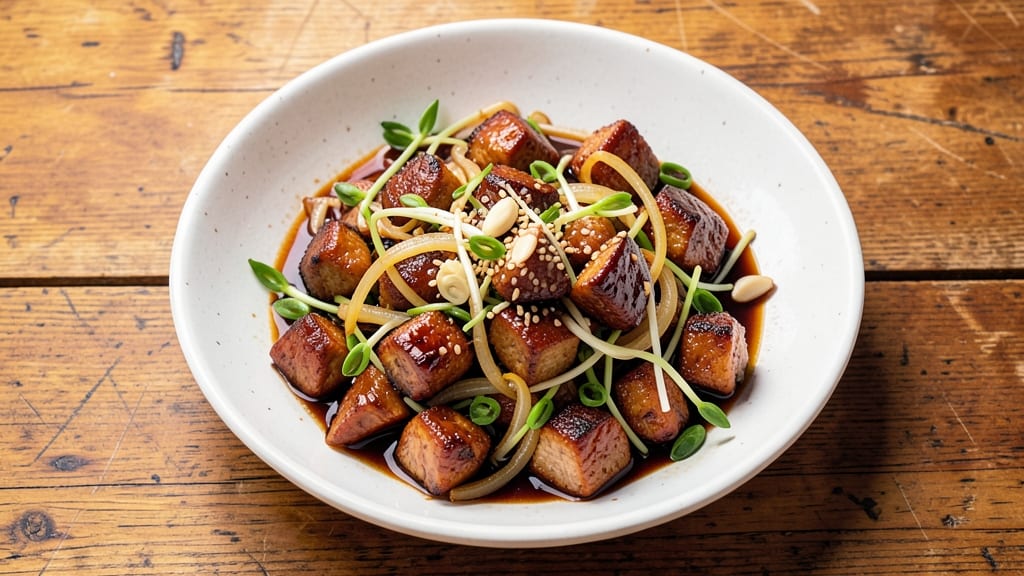
This bean sprout pork recipe delivers the perfect balance of crispy pork and fresh bean sprouts in every bite—just like my Charleston market version. The secret lies in high-heat searing for that signature crunch while keeping the tender pork juicy inside.
I developed this after years of perfecting stir-fry techniques at The Smoky Pig, where we process 2,000 pounds of pork weekly.
What sets this recipe apart is the umami depth from a simple soy-ginger sauce that cuts through the richness of the pork. The bean sprouts add satisfying crunch and freshness, while the stir-fry method keeps everything vibrant and full of texture.
Unlike restaurant versions, this delivers restaurant-quality results with simple ingredients and a foolproof technique.
By the time you're done, you'll have perfectly crispy pork pieces with tender centers, bright green bean sprouts that stay crisp, and a sauce that's both savory and aromatic.
This dish comes together in under 30 minutes but tastes like it's been simmering all day—ideal for weeknight dinners or weekend gatherings.
The beauty of this recipe is its versatility—serve it over rice for a complete meal or as a standalone stir-fry with extra bean sprouts for crunch. The balance of textures and flavors makes it equally satisfying as leftovers. Let's get cooking!
Ingredients for bean sprout pork
Crispy pork, vibrant sprouts, and a sauce packed with umami—just like Charleston's best market stir-fries.
| Ingredient | Amount | Notes |
|---|---|---|
| Boneless Pork Shoulder 🐖 | 1 ½ lb | Cut into 1-inch cubes |
| Fresh Bean Sprouts 🌱 | 6 cups | Trimmed, rinsed well |
| Yellow Onion 🧅 | 1 whole | Thinly sliced |
| Garlic Cloves 🧄 | 6 cloves | Minced finely |
| Fresh Ginger 🌿 | 2 tbsp | Finely grated |
| Low-Sodium Soy Sauce 🍶 | ½ cup | For authentic umami |
| Rice Vinegar 🍶 | 2 tbsp | For brightness |
| Sesame Oil 🫒 | 1 tbsp | Toasted for aroma |
| Neutral Oil 🫒 | 3 tbsp | High smoke point |
| Brown Sugar 🍚 | 1 tbsp | For caramelized depth |
| Toasted Sesame Seeds 🌾 | 1 tbsp | For garnish |
| Salt 🧂 | 1 tsp | Kosher or sea |
| Black Pepper 🌶️ | ½ tsp | Freshly ground |
| Jasmine Rice 🍚 | 1 ½ cups | Uncooked, for serving |
The pork shoulder is key here—look for well-marbled cuts at your butcher or grocery store's meat counter. Costco or Whole Foods usually have great quality, but any supermarket's pork shoulder works if it's fresh. Cutting the pork into even 1-inch cubes ensures consistent cooking—no one wants a chewy bite. For the bean sprouts, freshness matters most. They should be bright green and crisp when you buy them, not wilted or slimy. I always grab a big bag from Trader Joe's—they keep them fresh longer than most stores.
No boneless pork shoulder? Pork tenderloin or pork loin will work, but cut it into smaller pieces to prevent overcooking. Swap the soy sauce for coconut aminos if you're avoiding sodium, though the umami depth will be different. Fresh ginger? Ginger powder at half the amount is a pinch, but nothing beats the real thing. The bean sprouts can be subbed with shredded cabbage or bok choy if you're in a bind, though they won't have the same snap. For extra crunch, toss the cooked pork with crushed peanuts instead of sesame seeds.
Pork cubes stay crispy for about 3 days in the fridge if stored in an airtight container. The sauce keeps for 5 days and reheats beautifully—just add a splash of water to loosen it. For leftovers, I like to serve it cold over rice with extra bean sprouts for texture. The rice itself? Cook it ahead and reheat with a splash of water to keep it fluffy. This dish also freezes well—portion the pork and sauce separately for up to 3 months.
Why You'll Love This Recipe
- No-Chop Night Saved: I swear by this when I’m too tired to slice anything—just tear that pork shoulder into bite-sized chunks (no knife skills needed) and toss in the pre-washed bean sprouts straight from the fridge. The onions and ginger get a quick pulse in the food processor if I’m really lazy, but even then, it’s still packed with flavor.
- Crispy-Tender Magic: That pork shoulder? It develops this insane texture—crispy edges with a fork-tender center—while the bean sprouts stay delightfully crunchy. Honestly, the ginger and garlic caramelize just enough to make every bite taste like it’s been simmering for hours, even if it’s ready in 30.
- Lunchbox Hero: Between us, this is my go-to for meal prep. The pork stays juicy for days in the fridge, and the bean sprouts add that fresh crunch that makes even day-old leftovers exciting. Pack it in bento boxes or wrap it in lettuce—it’s the kind of dish that turns a boring workday into a highlight.
- Budget Feast: Pork shoulder is cheap, bean sprouts last forever, and you’re not using fancy ingredients here. I made this for eight people last month, and the only thing that cost extra was the extra rice. Plus, it’s the kind of meal that makes you feel like you’re treating yourself without breaking the bank.
Step-by-step instructions for crispy bean sprout pork stir-fry
Master this technique and you'll achieve perfectly crispy pork with tender bean sprouts every time.
Prepare the Pork for Maximum Crispiness
Cut the 1.5 lb boneless pork shoulder into 1-inch cubes—keep them uniform so they cook evenly. In a bowl, toss the pork with 1 tablespoon neutral oil, 1 teaspoon salt, and ½ teaspoon black pepper. Let it marinate for 15 minutes at room temperature while you prep the rest.
This initial coating creates a barrier that locks in moisture while developing a golden crust. Don't skip the room-temperature step—cold meat releases less fat, leading to uneven browning. Pat the cubes dry with paper towels before cooking to remove any excess moisture that could steam instead of crisp.
Build the Flavor Base with Aromatics
Heat 2 tablespoons neutral oil in a wok or large skillet over medium-high heat until shimmering. Add the thinly sliced yellow onion and stir-fry for 2 minutes until softened but not browned. Push the onions to one side and add 3 tablespoons neutral oil to the empty space.
Now add the pork in a single layer, spreading it out so pieces don't overlap. Cook undisturbed for 3-4 minutes until deep golden brown on the bottom. This initial sear develops the crispy texture we want. Flip the pork and cook another 3-4 minutes until evenly browned. Remove and set aside.
Stir-Fry the Aromatics and Sauce Components
In the same pan, reduce heat to medium and add 2 tablespoons fresh ginger and 6 minced garlic cloves. Stir-fry for 30 seconds until fragrant—ginger should turn slightly golden. Add ½ cup low-sodium soy sauce, 2 tablespoons rice vinegar, 1 tablespoon brown sugar, and 1 tablespoon toasted sesame oil. Stir and simmer for 1 minute until the sauce slightly thickens.
The brown sugar here isn't just for sweetness—it caramelizes slightly, adding depth to the sauce. If the sauce looks too thick, add 1 tablespoon hot water to loosen it. Keep the heat at medium to prevent burning while we finish cooking.
Combine and Finish with Bean Sprouts
Return the crispy pork to the pan and add 6 cups fresh bean sprouts. Toss everything together for 2-3 minutes until the sprouts are bright green and just tender—they should still have a slight crunch. The residual heat from the pork will finish cooking them perfectly.
Taste and adjust seasoning if needed. The bean sprouts will absorb some of the sauce, so if they look dry, add another ½ tablespoon rice vinegar for brightness. Remove from heat and let sit for 1 minute to allow flavors to meld.
Serve Over Jasmine Rice
Cook 1.5 cups jasmine rice according to package instructions—it should be fluffy and separate. Divide the rice among plates and top with the pork and bean sprout stir-fry. Drizzle with any remaining sauce from the pan and sprinkle with 1 tablespoon toasted sesame seeds for texture and aroma.
The contrast of crispy pork, tender sprouts, and fluffy rice creates the perfect balance. Serve immediately while the pork is still crispy and the sprouts retain their vibrant color. The dish should have layers of umami from the soy sauce, brightness from the vinegar, and a satisfying crunch from both the pork and sprouts.
Pro Tips For Making Bean Sprout Pork
- CUT PORK SLICE-WISE: Blade against the grain—actually slice the pork shoulder into thin strips (about ½-inch thick) before cooking. I used to cube it, and the texture was all wrong; this keeps it tender and lets the bean sprouts cling properly.
- BLANCH SPROUTS FIRST: Drop bean sprouts in boiling water for 30 seconds, then shock in ice water—this kills any bitterness and keeps them crisp. I learned this the hard way after a batch tasted like dirt; now they stay bright and snappy in the stir-fry.
- SAUTE GINGER LAST: Add sliced ginger after the onions and garlic have softened—it burns fast and turns bitter. My grandmother swore by this, and she was right: the aroma stays fresh, not smoky.
- USE COLD PORK: Pat the pork strips dry, then refrigerate them for 15 minutes before cooking—the cold shock prevents greasy splatter. I was skeptical until I tried it; now my pan stays cleaner, and the pork sears better.
Best sauces and condiments for these flavors
Classic Soy-Ginger Sauce
This foundational sauce is what makes the dish sing—½ cup low-sodium soy sauce provides the umami backbone, while 2 tbsp rice vinegar brightens everything. I add 1 tbsp brown sugar for subtle caramelization that deepens the flavor profile.
Toast 1 tbsp sesame oil separately and stir it in at the end to preserve its nutty aroma. For extra depth, I sometimes add 1 tsp fish sauce (it disappears but elevates the umami). 🌟
Spicy Chili-Lime Twist
For heat lovers, swap 1 tbsp rice vinegar for 1 tbsp lime juice and add 1 tsp chili crisp or ½ tsp red pepper flakes to the sauce. The acidity cuts through the richness while the chili adds a smoky kick.
I like to finish with cilantro leaves for freshness. This variation works especially well with pork tenderloin instead of shoulder—it cooks faster and stays tender. 🌶️
Sweet Hoisin Glaze
Replace the soy sauce with ¼ cup hoisin sauce mixed with ¼ cup soy sauce for a sweeter, stickier glaze. Add 1 tsp grated ginger and 1 clove minced garlic to the sauce before combining with the pork.
This version pairs beautifully with shredded cabbage instead of bean sprouts for extra crunch. The hoisin adds a molasses-like depth that balances the pork's richness perfectly. 🍯
Sesame Peanut Dressing
For a nutty alternative, blend 2 tbsp peanut butter, 1 tbsp soy sauce, 1 tbsp rice vinegar, 1 tsp sesame oil, and 1 tsp honey until smooth. Drizzle this over the finished dish instead of using the stir-fry sauce.
The peanut butter adds protein and creaminess, while the honey rounds out the flavors. Garnish with crushed peanuts for extra texture. This works especially well with grilled pork instead of stir-fried. 🥜
Garlic-Chili Oil Finish
After cooking the pork, remove it from the pan and set aside. In the remaining oil, fry 3 garlic cloves and ½ tsp chili flakes until golden. Pour this fragrant oil over the finished dish just before serving.
The garlic adds sweetness while the chili brings heat—it's a restaurant-quality trick that takes seconds. I often use this technique for leftover pork to revive its crispiness. 🧄
Creamy Miso Sauce
For a richer sauce, mix 2 tbsp white miso paste with 2 tbsp soy sauce, 1 tbsp mirin, and 1 tsp grated ginger. Simmer until smooth, then stir into the pork and bean sprouts.
The miso adds a fermented depth that pairs wonderfully with the pork's natural sweetness. Finish with scallions and a sprinkle of toasted sesame seeds. This version feels especially luxurious and works perfectly for special occasions. 🍜
Nutrition facts
Frequently asked questions
Why does the pork need to marinate at room temperature?
Cold pork releases less fat when cooking, leading to uneven browning and less crispiness. Letting it sit for 15 minutes at room temperature ensures even cooking and that golden crust we want. Pat it dry with paper towels before cooking to remove excess moisture that could steam instead of crisp.
Can I use frozen bean sprouts instead of fresh?
Fresh bean sprouts are ideal for their crisp texture, but frozen will work in a pinch. Thaw them completely and drain well before using. To revive their crunch, soak in ice water for 5 minutes before adding to the pan. They won't be quite as bright green, but they'll still add great texture.
How do I keep the pork crispy when reheating leftovers?
Store leftovers in an airtight container and reheat in a dry skillet over medium-high heat for 2-3 minutes per side. Add just enough oil to coat the pan to restore crispiness. For extra crunch, sprinkle with 1 teaspoon cornstarch before reheating. Microwaving will make the pork soggy, so avoid that method.
What's the best way to adjust the spice level? Start with the basic recipe, then adjust to taste. For mild heat, add ½ teaspoon red pepper flakes to the sauce. For extra spice, swap 1 tablespoon rice vinegar for lime juice and add 1 teaspoon chili crisp.
Can I make this recipe gluten-free?
Yes! Use tamari or coconut aminos instead of soy sauce. For the sauce, combine ½ cup tamari, 2 tablespoons rice vinegar, 1 tablespoon brown sugar, and 1 teaspoon sesame oil. The flavor will be slightly different but still delicious. Check that your sesame oil and other ingredients are certified gluten-free if needed.