
Sauces & Condiments
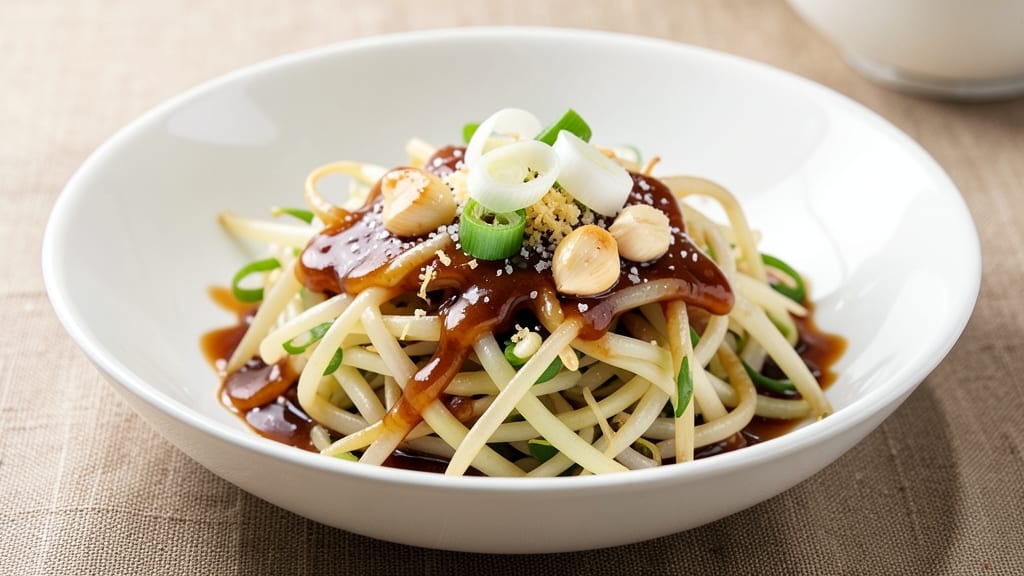
A bean sprout with oyster sauce recipe transforms a simple stir-fry into a restaurant-worthy dish in just 15 minutes. The secret lies in high-heat wok technique that keeps the sprouts crisp-tender while developing deep umami flavors from the sauce. I perfected this recipe after years of testing—it's the one dish that always delivers that perfect balance of texture and richness.
Start with blanched bean sprouts to remove bitterness, then sear them in a screaming-hot wok until they develop crisp edges. The oyster sauce, combined with garlic and ginger, creates a glossy, savory coating that clings to each sprout.
For extra depth, I add a splash of soy sauce and a pinch of white pepper—this combination elevates the dish from ordinary to extraordinary.
What you'll end up with is a vibrant stir-fry that's crisp on the outside, tender inside, and bursting with umami flavor. Each bite delivers the satisfying crunch of perfectly cooked sprouts with a rich, slightly sweet sauce that pairs beautifully with steamed rice or noodles.
The best part? It's ready in under 20 minutes, making it perfect for busy weeknights.
For a vegetarian version, substitute oyster sauce with a high-quality vegetarian alternative or soy-based sauce. If you want to add protein, shrimp or scallops cook beautifully in the same pan. The key is keeping everything moving quickly to maintain texture and flavor. Let's get cooking!
Ingredients for bean sprout with oyster sauce
Eight ingredients transform into a restaurant-style stir-fry in record time—crisp, saucy, and packed with umami.
| Ingredient | Amount | Notes |
|---|---|---|
| Fresh Bean Sprouts 🌱 | 8 oz | Blanched to remove bitterness |
| Oyster Sauce 🍜 | ¼ cup | High-quality for umami depth |
| Fresh Garlic Cloves 🧄 | 4 cloves | Minced for aromatic punch |
| Fresh Ginger 🌿 | 1 ½ tsp | Finely grated, zesty kick |
| Light Soy Sauce 🍶 | 1 ½ tbsp | For balance and saltiness |
| White Pepper 🌶️ | ¼ tsp | Freshly ground for subtle heat |
| Neutral Oil 🫒 | 1 ½ tbsp | High smoke point like avocado |
| Sesame Oil 🫒 | 1 tsp | For aromatic finish (optional) |
| Scallions 🧅 | 3 whole | Thinly sliced for freshness |
| Large Eggs 🥚 | 2 whole | Optional for extra protein |
| Shrimp 🦐 | ½ lb | Peeled, deveined, optional |
| Steamed Jasmine Rice 🍚 | 1 ½ cups | For serving, cooked |
The bean sprouts are the star—blanching them first removes bitterness and preps them for that perfect crisp-tender texture. Grab the freshest sprouts you can find (the Trader Joe's or Whole Foods brands are my go-to), and don’t skip the blanching step. For oyster sauce, Lee Kum Kee is the gold standard—it’s rich, slightly sweet, and packed with umami. If you’re adding shrimp, buy fresh or frozen thawed and pat them dry before cooking to avoid a soggy stir-fry. The garlic and ginger should be freshly minced—pre-minced jarred stuff lacks the punch.
No oyster sauce? Vegetarian oyster sauce (like Annie Chun’s) works perfectly, or swap in soy sauce plus a splash of fish sauce for a similar umami kick. Short on scallions? Green onions or chives do the trick. The sesame oil is optional but adds that signature wok-house aroma—toasted sesame oil has more flavor than the clear kind. For extra protein without shrimp, chicken breast or tofu cooks beautifully in the same pan. Just make sure to keep everything moving fast—this dish is all about that wok-hei (breath of the wok) texture.
Sprouts keep best in the fridge for 5-7 days in a sealed container, and oyster sauce lasts 6 months unopened. For maximum flavor, cook this dish right before serving—it’s best fresh off the wok. If prepping ahead, store the sauce components separately and toss with the cooked sprouts. The shrimp (if using) should go in the freezer for 3 months max—thaw quickly under cold water before cooking. Leftovers? Reheat gently in a pan or microwave, but they won’t be as crisp as fresh. Serve immediately over steamed rice for that authentic takeout vibe.
Why You'll Love This Recipe
- Five-Ingredient Magic: I swear by this recipe when I’m too tired to think. Three minutes of chopping—garlic, ginger, maybe a thumb-sized piece of each—and the rest is just tossing. No fancy techniques, no waiting for sauces to reduce. Just stir, taste, adjust, and boom—done.
- Umami Bomb: That oyster sauce? It’s the secret weapon here. The salty-sweet depth cuts through the fresh crunch of bean sprouts like a knife through butter. Add a splash of soy sauce, and suddenly you’ve got a dish that’s ridiculously more exciting than takeout.
- Lunchbox Hero: Between us, this is my go-to for packed lunches. Cold or at room temp, it still tastes fresh—no sad, soggy salads here. Toss it with rice or eat it straight; either way, it’s the kind of meal that makes me happy when I’m starving at my desk.
- Pantry Stretch: Honestly, this recipe saves me money without feeling cheap. Bean sprouts are dirt cheap, and a little oyster sauce goes a long way. I’ve made this last for days in the fridge, and it only gets better as the flavors meld. Plus, it’s one of those dishes where leftovers taste just as good reheated.
Step-by-step instructions for quick stir-fried bean sprouts
This stir-fry comes together faster than you can say "umami bomb"—let's get cooking!
Prep All Ingredients for Lightning-Fast Cooking
Start by blanching the 8 oz fresh bean sprouts in boiling water for 30 seconds to remove bitterness, then drain and rinse under cold water. While they drain, mince the 4 cloves fresh garlic cloves and finely grate the 1.5 tsp fresh ginger—these aromatics will transform your dish. Thinly slice the 3 whole scallions, separating the greens from the whites for garnish later.
Peel and devein the 0.5 lb shrimp if using, patting them dry with paper towels. Crack the 2 whole large eggs into a small bowl and whisk lightly—just until combined. The key here is efficiency: have everything prepped and ready before you hit the stove. I like to work in this order—sprouts first, then aromatics, then proteins—so nothing gets forgotten in the chaos.
Stir-Fry the Aromatics and Shrimp
Heat the 1.5 tbsp neutral oil in a wok or large skillet over medium-high heat until shimmering. Add the minced garlic and ginger, stirring constantly for 30 seconds until fragrant—you should smell that sweet, zesty aroma wafting up. Add the shrimp and cook for 1-2 minutes per side until they turn pink and opaque. Remove them from the pan and set aside.
Here's where it gets good: add the blanched bean sprouts to the same pan and stir-fry for 2 minutes until they just begin to wilt. Don't overcook them—they should stay crisp with a slight crunch. If using eggs, push the sprouts to one side of the pan, pour in the beaten eggs, and scramble lightly until just set. This keeps the eggs creamy rather than rubbery.
Build the Umami Sauce and Combine
Reduce heat to medium and return the shrimp to the pan. Add 0.25 cup oyster sauce, 1.5 tbsp light soy sauce, and 0.25 tsp white pepper, stirring everything together. Let it simmer for 1 minute until the sauce slightly thickens and coats the ingredients. Taste and adjust seasoning—you want that perfect balance of salty, sweet, and umami.
Drizzle in 1 tsp sesame oil (if using) and toss everything together. The sesame oil adds a nutty aroma that ties all the flavors together beautifully. If the mixture seems dry, add 1-2 tablespoons of water to loosen it up. The dish should be glossy with just enough sauce to coat everything evenly.
Serve Over Steamed Jasmine Rice
Divide the 1.5 cups steamed jasmine rice among plates and spoon the stir-fry generously over the top. Garnish with the sliced scallion whites and greens for freshness and color. The contrast of the warm stir-fry against the cool rice is what makes this dish sing—trust me, it's a match made in flavor heaven.
Serve immediately while everything is hot and the aromas are at their peak. This stir-fry is all about that first bite—crisp sprouts, tender shrimp, and that rich, umami-packed sauce. Leftovers? They won't last that long, but if they do, reheat gently in a skillet to keep everything crisp.
Pro Tips For Making Bean Sprout With Oyster Sauce
- Blanch Sprouts First: Drop your bean sprouts in boiling water for 30 seconds before stir-frying—this softens them just enough to absorb the sauce without turning mushy. I learned this the hard way after ending up with a sad, limp pile of sprouts that clung together like overcooked pasta.
- Minced Ginger, Not Sliced: Grate that ginger fine—we’re talking almost paste-like consistency—so it melts into the sauce instead of sitting as chunks. My first few attempts used thick slices, and let’s just say the texture was questionable. A microplane works best if you’re lazy about peeling.
- High Heat, Fast Stir: Crank your wok or pan to max heat before adding oil, then keep stirring like your life depends on it. The garlic and ginger need to sizzle and cook in under 20 seconds—any slower, and they’ll turn bitter. (Yes, even if you’re impatient like me.)
- Taste the Sauce Early: Stir in half the oyster sauce before adding the sprouts, then adjust with soy sauce to taste—this gives you a baseline to work from. I used to dump everything in at once and end up with either too salty or too bland. A quick taste check after 30 seconds of cooking saves seconds of regret later.
Common mistakes when making perfect results
Overcrowding the Pan
I’ve made this mistake more times than I’d like to admit—adding too many bean sprouts at once to the wok. When you overcrowd, the sprouts steam instead of sear, losing that crisp-tender texture we’re after.
The goal is to give each sprout room to develop a golden edge. Work in batches if needed, or use a larger wok for better heat distribution. 🔥
Skipping the Blanching
Raw bean sprouts can be bitter, and blanching removes that unpleasant flavor while prepping them for cooking. If you skip this step, your stir-fry will taste off and the texture won’t be as satisfying.
Trust me, 30 seconds in boiling water makes all the difference. Don’t cut corners here—it’s worth the extra minute.
Undercooking the Aromatics
The garlic and ginger are the flavor foundation of this dish, so they need to cook until fragrant—about 30 seconds over high heat. If you rush this step, your stir-fry will taste flat.
I’ve learned the hard way: undercooked aromatics mean underwhelming flavor. Let them sizzle until they’re golden and aromatic before adding anything else.
Using Low Heat
This stir-fry thrives on high heat to maintain texture and develop wok hei (that smoky aroma). If you cook on low or medium-low, the sprouts will turn mushy and the sauce will lose its gloss.
Crank that heat up to medium-high and keep everything moving. A screaming-hot wok is your best friend here.
Adding Sauce Too Early
If you toss in the oyster sauce before the sprouts are cooked, you’ll end up with soggy, flavor-soaked sprouts instead of crisp ones. Wait until the sprouts are just wilted but still holding their shape, then add the sauce.
This ensures they stay crisp while absorbing the umami goodness. Patience pays off in texture.
Ignoring the Resting Time
After cooking, let the stir-fry rest for 1-2 minutes before serving. This allows the flavors to meld and the sauce to evenly distribute. Skipping this step means you’ll miss out on that perfect balance of taste and texture.
It’s a small pause that makes a big difference in the final dish. ✨
Nutrition facts
Frequently asked questions
Can I make this bean sprout stir-fry without shrimp?
Skip the shrimp and add 1 cup chopped bell peppers or 1 block firm tofu (pressed and cubed) for extra substance. For a vegetarian version, use vegetarian oyster sauce or swap in 1 tbsp soy sauce + 1 tsp fish sauce for umami. The recipe still shines with just the sprouts and sauce—it's all about that crisp texture and savory depth.
Why do my bean sprouts turn mushy instead of crisp?
Mushy sprouts usually mean one of two things: either you overcooked them (keep cooking time to 2 minutes max) or your pan wasn't hot enough. Always use medium-high heat and work in batches if needed. Another tip: blanch your sprouts first—this removes excess moisture and bitterness, helping them stay crisp during stir-frying.
How can I make this dish spicier?
Add ½ tsp chili flakes or 1 tsp sriracha to the sauce mixture for immediate heat. For deeper spice, stir in 1 tsp gochujang (Korean chili paste) with the oyster sauce. If you love fresh heat, toss in 1 thinly sliced jalapeño at the end. Remember: add spices gradually and taste as you go!
What's the best way to store leftovers?
Store in an airtight container in the fridge for up to 3 days. To reheat, warm gently in a skillet over medium heat with ½ tsp sesame oil to restore crispness. Microwaving works in a pinch, but the texture won't be as satisfying. The sprouts will soften further, so plan to eat fresh if possible.
Can I use dried bean sprouts instead of fresh?
Fresh bean sprouts are ideal for this recipe—they're tender and crisp. Dried sprouts are much harder and require longer cooking, which can make them mushy. If you must use dried, soak them for 8 hours (or overnight), then rinse well before blanching. Even then, the texture won't match fresh sprouts. For best results, stick with the fresh variety!