
Side Dishes
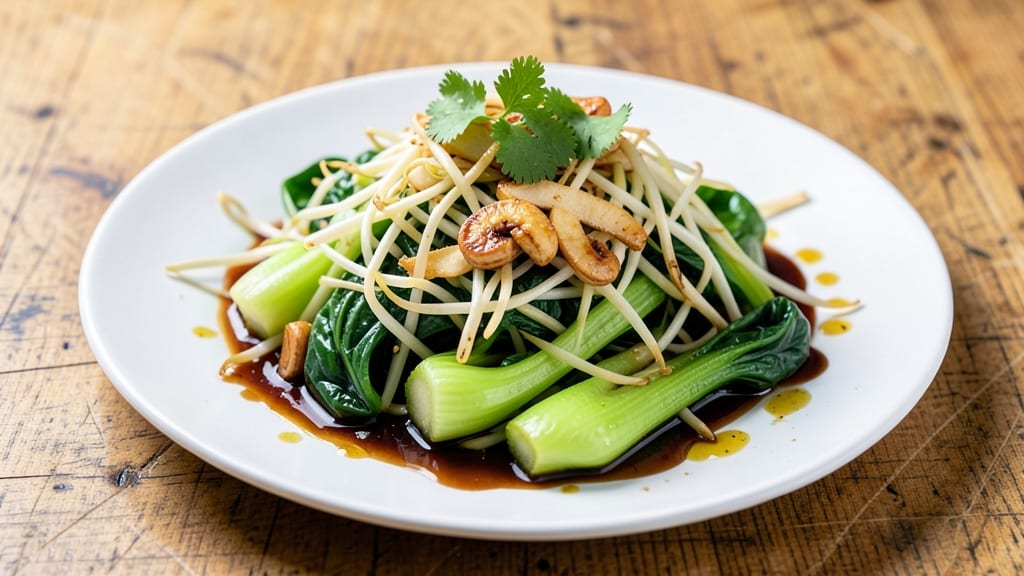
This bean sprouts and bok choy recipe transforms humble vegetables into a vibrant, quick stir-fry with bold garlic-ginger flavor that delivers restaurant-quality results in under 20 minutes.
The secret lies in high-heat wok technique and precise timing—crisp-tender bok choy and fresh bean sprouts become the stars of this dish, their natural sweetness amplified by the aromatic sauce.
I developed this recipe during a particularly busy week when I needed a side dish that could be on the table faster than takeout arrives.
The foundation of this stir-fry is a simple yet powerful sauce—garlic, ginger, soy sauce, and a touch of sesame oil—that coats every bite with umami depth.
Bok choy's crisp stems and tender leaves pair beautifully with bean sprouts' delicate crunch, while a final sprinkle of toasted sesame seeds adds nutty texture.
What makes this recipe truly special is its versatility: serve it as a side alongside grilled meats or fish, or pile it into bowls for a complete vegetarian meal with rice or noodles.
What you'll achieve is a dish that's foolproof yet impressive—bright, flavorful, and packed with fresh ingredients. The bok choy wilts just enough to soften while maintaining its signature crunch, while the bean sprouts stay crisp and vibrant.
The sauce clings perfectly to each bite, creating a balance of savory, spicy, and slightly sweet that's impossible to resist. This stir-fry proves that quick doesn't mean lacking in flavor.
For best results, use fresh bok choy with tightly wrapped leaves and crisp stems—they're the key to that perfect texture. If you're short on time, this dish can be prepped ahead and quickly finished in the wok.
Garnish with sliced green onions or a drizzle of chili oil for extra heat. Here's everything you need to make it happen.
Ingredients for bean sprouts and bok choy
Fresh vegetables and simple pantry staples create this vibrant, restaurant-style stir-fry.
| Ingredient | Amount | Notes |
|---|---|---|
| Fresh Bean Sprouts 🌱 | 4 cups | Rinsed and drained thoroughly |
| Bok Choy 🥬 | 1 lb | Baby or regular, stems separated |
| Garlic Cloves 🧄 | 4 cloves | Minced finely for aromatic base |
| Fresh Ginger 🌿 | 1 tbsp | Grated finely, peeled |
| Tamari or Soy Sauce 🥢 | 3 tbsp | Gluten-free tamari preferred |
| Sesame Oil 🫒 | 1 tbsp | Toasted for nutty aroma |
| Maple Syrup 🍯 | 1 tbsp | For subtle sweetness balance |
| Rice Vinegar 🍶 | 1 tbsp | White vinegar substitute works |
| Toasted Sesame Seeds 🥜 | 1 tbsp | For garnish and texture |
| Green Onions 🧅 | 2 whole | Sliced thin for garnish |
| Vegetable Oil 🫒 | 2 tbsp | High smoke point for stir-frying |
| Red Chili Flakes 🌶️ | ½ tsp | Adjust for heat preference |
| Sea Salt 🧂 | ½ tsp | Fine grain preferred |
| White Pepper 🌶️ | ¼ tsp | Freshly ground preferred |
Bok choy is the star here—look for heads with tightly wrapped leaves and crisp stems. Whole Foods or Asian markets usually carry the best quality, but any grocery store's produce section will have decent options. If you can't find baby bok choy, regular bok choy works just as well—just separate the stems and leaves for even cooking. Bean sprouts should be plump and fresh, not wilted or yellowing. Rinse them thoroughly before using to remove any dirt. For the garlic and ginger, fresh is non-negotiable—powdered versions won't give you that authentic aroma. If you're short on time, pre-minced garlic works, but freshly minced makes all the difference.
No tamari? Regular soy sauce works fine, but be aware it contains wheat. For extra umami without soy, mushroom sauce or coconut aminos are great substitutes. Sesame oil can be swapped for neutral oil if you're avoiding its strong flavor, but you'll lose that nutty depth. The maple syrup adds just a touch of sweetness—if you prefer it sweeter, add another half tablespoon. For heat, sriracha or gochujang can replace chili flakes. The green onions are purely decorative unless you want to add more freshness—just leave them out if you're not a fan. And if you're prepping ahead, store the sauce separately until ready to cook to keep your ingredients crisp.
This stir-fry comes together in minutes but tastes even better the next day—make extra for leftovers. Store components separately in the fridge for up to 3 days, then quickly reheat in a hot wok. For longer storage, freeze the cooked stir-fry for up to 3 months. I like to portion mine into containers with rice for easy grab-and-go meals. The sesame seeds and green onions can be added fresh right before serving to maintain their crunch. And if you're using a nonstick pan, a little extra oil prevents sticking—just don't overcrowd the pan or you'll steam instead of stir-fry.
Why You'll Love This Recipe
- No-Chop Night Ready: I swear, this dish is my go-to when I’m staring at a fridge full of veggies but zero energy. Just toss in the sprouts and bok choy whole—no fancy slicing, no peeling. The garlic and ginger get minced in seconds, and the tamari ties it all together without fuss. Honestly, it’s the kind of recipe that makes me feel like a home chef, even when I’m in pajamas.
- Umami Bomb Combo: That crisp-tender bok choy paired with fresh bean sprouts? It’s a textural dream. But the real magic? The garlic and ginger sizzled in tamari—it’s salty, sweet, and just a little funky. I’ll be real: the first time I tasted it, I immediately grabbed another bowl. (Yes, even on a Tuesday night.)
- Lunchbox Hero: This dish doubles as my ultimate meal prep side. Pack it cold in containers for work lunches, or reheat it in seconds for dinner. The sprouts stay crisp, the bok choy softens just right, and it pairs perfectly with rice, noodles, or even grilled fish. My kids used to complain about veggies—now they ask for seconds.
- Budget Crunch Winner: Fresh sprouts and bok choy are about as affordable as it gets, and they stretch further than you’d think. A single batch feeds four, with leftovers that taste just as good the next day. Between us, this is my secret weapon for stretching groceries without sacrificing flavor. Not the prettiest, but the taste makes up for it every time.
Step-by-step instructions for quick stir-fried bean sprouts and bok choy
This stir-fry comes together in minutes with bold flavors and crisp-tender textures.
Prepare Your Ingredients for Perfect Texture
Start by rinsing the 4 cups fresh bean sprouts thoroughly under cold water, then drain completely in a colander. Shake gently to remove excess moisture—this ensures they stay crisp during cooking. Separate the 1 lb bok choy into stems and leaves, cutting the stems into ½-inch pieces and leaving the leaves whole. This separation lets you cook the denser stems first while keeping the delicate leaves intact.
Finely mince the 4 cloves garlic cloves and grate the 1 tbsp fresh ginger using a microplane or fine grater. The goal is a paste-like consistency that will quickly infuse flavor into the oil. Keep these aromatics ready—they'll form the flavor base of your stir-fry. I like to press the grated ginger through a fine-mesh sieve to remove any fibrous bits that could burn.
Create the Flavor Base with High Heat
Heat a large wok or skillet over high heat until it's smoking hot. Add the 2 tbsp vegetable oil and swirl to coat the surface evenly. When the oil shimmers, add the minced garlic and grated ginger. Cook for 30-45 seconds until the garlic turns golden and the ginger becomes fragrant—this prevents them from burning while building deep flavor. Here's the thing—if you smell burning, your heat is too high. Reduce slightly if needed.
Immediately add the 0.5 tsp red chili flakes and 0.5 tsp sea salt, stirring constantly for 10 seconds to distribute the spices evenly. This quick cooking step preserves the natural heat of the chili flakes without letting them overpower the dish. The salt at this stage helps draw out moisture from the vegetables as they cook.
Stir-Fry the Bok Choy Stems First
Working quickly, add the bok choy stems to the wok. Stir-fry for 2-3 minutes until they begin to soften but still maintain a slight crispness. The stems should look vibrant green and slightly blistered in spots. This is where timing matters—overcooking turns them mushy, while undercooking leaves them tough. Push the stems to one side of the wok and add the 2 tbsp vegetable oil if needed to prevent sticking.
After the stems are tender-crisp, add the bok choy leaves and toss everything together for 1-2 minutes until the leaves just begin to wilt. Remove the vegetables from the wok and set aside on a plate. You want them hot but not fully cooked—they'll continue cooking when mixed with the bean sprouts. Don't walk away during this step; high heat means things happen fast.
Cook the Bean Sprouts to Crisp Perfection
Increase the heat to maximum and add the 4 cups fresh bean sprouts to the wok in a single layer. Stir-fry continuously for 2-3 minutes until they turn bright green and develop crisp edges. The sprouts should look vibrant and slightly charred in spots—this is your signal they're ready. If they start to brown too quickly, reduce heat slightly and cook for an additional 30 seconds. Too much heat turns them rubbery.
Return the bok choy to the wok with the bean sprouts. Add the 3 tbsp tamari or soy sauce, 1 tbsp sesame oil, 1 tbsp maple syrup, and 1 tbsp rice vinegar. Toss everything together vigorously for 1-2 minutes until the sauce coats the vegetables evenly. The maple syrup and rice vinegar create a perfect balance of sweet and tangy that complements the umami from the tamari. Taste and adjust seasoning if needed—you might want to add a pinch more salt.
Finish and Garnish for Restaurant-Quality Presentation
Remove the stir-fry from heat and transfer to serving plates. Sprinkle with 1 tbsp toasted sesame seeds and thinly sliced 2 whole green onions. The sesame seeds add a nutty crunch and visual appeal, while the green onions provide a fresh contrast. For extra depth, finish with a pinch of 0.25 tsp white pepper—it enhances the overall flavor without overpowering.
Serve immediately while the vegetables are still crisp-tender. Each bite should deliver a perfect balance of textures: crisp bean sprouts, tender bok choy, and a glossy sauce that ties everything together. This dish keeps well for 2-3 days in the refrigerator, making it perfect for meal prep—just reheat gently to maintain crispness.
Pro Tips For Making Bean Sprouts And Bok Choy
- Blanch Sprouts First: Toss bean sprouts in boiling water for 30 seconds before stir-frying—this kills any lingering bitterness and keeps them crisp. I learned this the hard way when a batch tasted muddy, no matter how much garlic I added.
- Trim Bok Choy Properly: Cut off the thick white base and slice the leaves into 1-inch ribbons, not random chunks. Uneven pieces burn faster, and you’ll end up with a sad, half-cooked mess instead of tender-crisp greens.
- Avoid Overcrowding the Pan: Cook in batches if needed—packing too many sprouts and bok choy steams them instead of searing. A crowded pan makes the dish soggy, and nobody wants mushy greens, no matter how good the sauce.
- Toast Ginger and Garlic: Sauté minced ginger and garlic in oil for 30 seconds until fragrant before adding everything else. This builds flavor depth—skipping it means your dish will taste like a missed opportunity.
Storing and reheating this bean sprouts and bok choy
Refrigerator Storage
Store your cooked stir-fry in an airtight container with a tight-sealing lid to maintain freshness. I recommend using glass containers for up to 3 days—they preserve flavors better than plastic. Keep it refrigerated at 40°F or below to prevent bacterial growth.
The bok choy and bean sprouts will soften further but remain safe to eat. For best texture, reheat within 2 days to avoid mushiness. 🥬
Freezer Prep Tips
For longer storage, freeze the stir-fry in single-serving portions using silicone molds or freezer bags. Lay the vegetables flat to save space and remove as much air as possible to prevent freezer burn.
Label with the date—this dish stays good for up to 3 months. When ready to eat, thaw overnight in the fridge before reheating. Never microwave directly from frozen to preserve crispness. ❄️
Reheating for Crisp-Tender Texture
For stovetop reheating, use a nonstick skillet over medium-high heat with 1 tsp vegetable oil. Add the stir-fry and toss for 2-3 minutes until heated through. The high heat helps restore some crispness to the bean sprouts.
Avoid covering the pan—steam makes everything soggy. For microwave reheating, use 50% power for 1-2 minutes, then stir and add 1 tsp water to revive texture. 🔥
Sauce Separation Fix
If the sauce separates after storage, simply stir in 1 tsp rice vinegar or 1 tsp water to re-emulsify. The maple syrup and sesame oil can sometimes split, but this quick fix restores balance.
For extra flavor, add a splash of fresh ginger juice or a pinch of white pepper when reheating. This trick works like magic for restaurant-quality results at home. ✨
Garnish Before Serving
Always add toasted sesame seeds and green onions fresh after reheating to maintain their crunch. These toppings elevate the dish visually and texturally. If you're short on time, a sprinkle of crushed peanuts adds protein and extra crunch.
The contrast of warm, crisp garnishes against the reheated vegetables makes all the difference. 🥜
Meal Prep Strategy
Prep the sauce separately and store it in a small jar in the fridge. Keep the vegetables raw until ready to cook—this ensures maximum freshness. When meal prepping, cook only what you'll eat immediately, then store the rest separately.
I like to portion the stir-fry into bento boxes with rice for easy grab-and-go lunches. This approach keeps everything fresh and ready to reheat in seconds. 📅
Nutrition facts
Frequently asked questions
Can I substitute regular cabbage for bok choy in this recipe?
You can try, but the texture and flavor will differ significantly. Bok choy's tender stems and delicate leaves cook much faster than cabbage's dense structure. For best results, use Napa cabbage—it's closer in texture and holds up well to stir-frying. If you must use regular cabbage, thinly slice it and reduce cooking time to 1-2 minutes to avoid mushiness.
How do I prevent the bean sprouts from turning rubbery?
Rubbery sprouts happen when overcooked or when too much moisture remains. First, drain them thoroughly after rinsing and shake gently in a colander. Use maximum heat and cook for only 2-3 minutes—they should stay bright green with slight charring. Avoid overcrowding the pan, and add a bit more oil if needed to create a nonstick surface.
Is this recipe suitable for a raw food diet?
Not as prepared here, but you can easily adapt it! Skip the stir-frying and create a fresh salad by combining raw bean sprouts, thinly sliced bok choy, and a dressing of 1 tbsp sesame oil, 1 tbsp rice vinegar, and 1 tsp maple syrup. Add toasted sesame seeds and sliced green onions for texture. The flavors will be lighter but still vibrant.
Can I make this dish spicier?
For extra heat, add 1-2 tsp sriracha or 1 tsp gochujang to the sauce, or sprinkle with ½ tsp cayenne pepper when tossing. If you love fresh heat, stir in 1 tbsp chopped Thai chili or jalapeño at the end. Remember, chili flakes burn quickly, so add them last to preserve their intensity.
What's the best way to serve this stir-fry?
This versatile dish works perfectly as a side, main, or topping! Serve it over steamed jasmine rice or rice noodles for a complete meal. For extra protein, top with tofu, tempeh, or grilled chicken**. Pair with miso soup or edamame for a full Asian-inspired spread. The leftovers also make excellent fillings for spring rolls or lettuce wraps.