
Main Courses
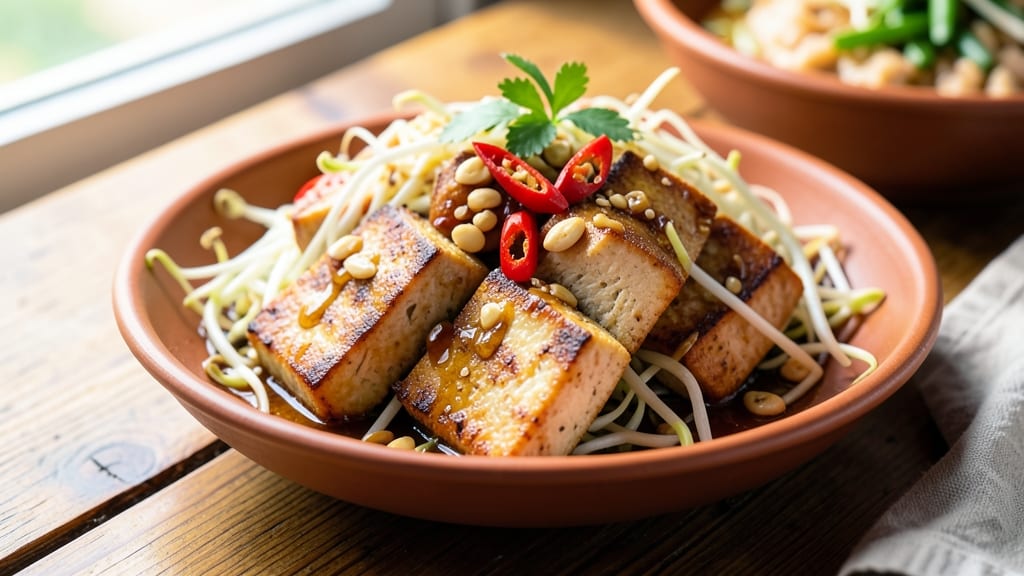
This Filipino bean sprouts and tofu recipe delivers bold, umami-packed flavors in a single pan—no chopping, no fuss, just restaurant-quality depth. 🔥 The secret lies in balancing salty soy, tangy vinegar, and fiery siling labuyo (Filipino chili) to create a glaze that caramelizes beautifully on crispy tofu and fresh bean sprouts.
I developed this dish after craving the hearty, protein-rich comfort of Filipino home cooking without the meat, and it's become a staple in my meal rotation.
The beauty of this recipe is its simplicity: just a handful of ingredients—extra-firm tofu, bean sprouts, garlic, soy sauce, and vinegar—come together in one-pot magic.
The tofu gets a double crisp, first in the pan and again after tossing in the sticky-sauce, while the bean sprouts wilt just enough to soak up all that garlicky, savory goodness. It's the kind of dish that transforms a quick weeknight into a flavor-packed celebration of Filipino home cooking.
What you'll end up with is a vibrant, protein-rich dish that's perfect over steamed rice or as a standalone bowl. The sauce is tangy, slightly sweet, and just spicy enough to linger on your palate, while the tofu stays tender-crisp and the bean sprouts add a satisfying crunch.
This recipe proves that plant-based meals can be just as hearty and flavorful as the original.
Serve it alongside ginataang (coconut milk-braised) vegetables or a side of sinigang-style broth for a full Filipino-inspired feast. The leftovers reheat beautifully, making it ideal for meal prep. Let's get cooking!
Ingredients for bean sprouts and tofu recipe filipino
Nine essential ingredients transform into a restaurant-quality Filipino one-pot dish.
| Ingredient | Amount | Notes |
|---|---|---|
| Extra-Firm Tofu 🍲 | 14 oz | Pressed and cubed into 1-inch pieces |
| Bean Sprouts 🌱 | 4 cups | Fresh, trimmed and rinsed |
| Garlic Cloves 🧄 | 6 cloves | Minced finely for aromatic depth |
| Soy Sauce 🍶 | ½ cup | High-quality, preferably Filipino-style |
| Cane Vinegar 🍯 | ¼ cup | White or apple cider vinegar substitute |
| Siling Labuyo 🌶️ | 1 whole | Filipino chili, chopped (adjust for heat) |
| Sesame Oil 🫒 | 1 tbsp | Toasted for nutty aroma |
| Brown Sugar 🍚 | 1 ½ tbsp | Light or dark preferred |
| Cornstarch 🌾 | 1 tbsp | For crispy tofu coating |
| Vegetable Oil 🫒 | 2 tbsp | High smoke point for frying |
| Green Onions 🧅 | 3 whole | Sliced thin for garnish |
| Toasted Sesame Seeds 🌰 | 1 tbsp | Optional for texture |
| Diamond Crystal Kosher Salt 🧂 | ½ tsp | For seasoning |
| Freshly Ground Black Pepper 🌶️ | ¼ tsp | For balanced seasoning |
The tofu is the foundation—extra-firm ensures it holds its shape through double-crisping. Press it for 20 minutes with a heavy weight to remove excess moisture; this prevents soggy tofu. For authentic Filipino flavor, siling labuyo is non-negotiable, though fresh Thai bird's eye chili works in a pinch. Bean sprouts should be bright green and crisp—avoid wilted ones. If you can't find Filipino-style soy sauce like Silver Swan, Japanese tamari is a solid substitute. The garlic needs to be minced finely for maximum aromatic release during the quick fry.
No siling labuyo? Substitute with 1/2 teaspoon of cayenne pepper plus 1/4 teaspoon of smoked paprika for depth. Running short on sesame oil? Toast 1/2 teaspoon of sesame seeds in a dry pan until fragrant, then grind into a paste with 1/2 teaspoon of water. The cornstarch coating is crucial—don't skip it if you want that signature crisp. For a sweeter glaze, increase brown sugar to 2 tablespoons. The green onions are purely decorative but add a bright, fresh finish—skip if you prefer minimal garnish. Store-bought bean sprouts? Rinse them thoroughly to remove any grit before using.
This dish reheats beautifully—best served the next day when flavors meld. Store leftovers in an airtight container for up to 4 days in the fridge. For meal prep, portion into individual containers with a side of steamed rice. The sauce thickens as it cools, so add 1 teaspoon of water when reheating if it becomes too stiff. Freezes for 3 months—thaw overnight in the fridge before reheating. The tofu stays crispy when reheated gently in a dry skillet for 2-3 minutes per side.
Why You'll Love This Recipe
- One-Pan Magic: I swear by this for nights when I’d rather scroll TikTok than scrub pots—just sear the tofu, toss in the sprouts and garlic, and let the vinegar do its tangy work. The pan’s done before my coffee’s cold.
- Garlic-Soy Kiss: That moment when the garlic hits the hot pan? Pure umami gold. The soy sauce caramelizes just enough to coat the tofu in this addictive, salty-sweet glaze—crispy outside, still chewy inside. My husband steals bites straight from the pan.
- Lunchbox Hero: Pack this cold or at room temp—it’s the same great taste. I meal prep it on Sundays and toss it into rice bowls all week, or even stuff it into wraps when I’m in a hurry. Honestly, it’s my go-to for “I have nothing” Wednesdays.
- Pocketbook Friendly: Tofu’s cheap, sprouts last forever, and a head of garlic? You’ll use half for this and save the rest for everything else. I make this for two and still have leftovers—no waste, no guilt, just flavor for days. (Yes, even on a Tuesday night.)
Step-by-step instructions for Filipino bean sprouts and tofu
Here's the method for creating a perfectly balanced one-pot dish with crispy tofu and tender sprouts.
🔥 Step 1: Press and Prepare the Tofu for Crispy Texture
Begin by pressing the 14 oz extra-firm tofu to remove excess water. Wrap it tightly in a clean kitchen towel and place a heavy object on top for 15-20 minutes. This step is crucial—it ensures your tofu will develop that satisfying crispy exterior instead of absorbing oil.
After pressing, cut the tofu into 1-inch cubes using a sharp knife. In a small bowl, whisk together 1 tbsp cornstarch, 0.5 tsp diamond crystal kosher salt, and 0.25 tsp freshly ground black pepper. Toss the tofu cubes in this mixture until evenly coated. The cornstarch creates a light, crispy crust when fried, while the salt and pepper enhance the flavor profile.
🍳 Step 2: Fry the Tofu Until Golden Brown
Heat 2 tbsp vegetable oil in a large skillet over medium-high heat until shimmering. Add the coated tofu cubes in a single layer, being careful not to overcrowd the pan. Cook for 4-5 minutes per side until golden brown and crispy. You'll know it's ready when the edges turn a deep golden color and the tofu releases easily from the pan.
Remove the fried tofu and set it aside on a paper towel-lined plate to drain excess oil. Keep the heat on for the next step—you'll want to use that same skillet for maximum flavor extraction.
👨🍳 Step 3: Build the Garlicky Soy-Glazed Base
In the same skillet, add 1 tbsp sesame oil and swirl to coat the bottom. Add the 6 cloves minced garlic and sauté for 30 seconds until fragrant. Be careful not to let the garlic burn—it should smell sweet and nutty, not bitter.
Pour in the 0.5 cup soy sauce and 0.25 cup cane vinegar, scraping up any browned bits from the bottom of the pan. Add the 1.5 tbsp brown sugar and 1 whole chopped siling labuyo, stirring to combine. Let the mixture simmer for 2-3 minutes until slightly thickened and reduced by about half. This creates the flavorful base for your dish.
🥘 Step 4: Combine Tofu, Sprouts, and Sauce
Return the crispy tofu to the skillet and stir to coat evenly in the sauce. Add the 4 cups trimmed bean sprouts and toss gently to wilt them slightly while still keeping them vibrant. Cook for 2-3 minutes until the sprouts are tender-crisp and the sauce has thickened slightly to coat everything.
Taste and adjust seasoning if needed—you might want to add a splash more soy sauce for saltiness or a touch of vinegar for acidity. The dish should have a perfect balance of savory, slightly sweet, and spicy flavors with a hint of tanginess from the vinegar.
🍽️ Step 5: Garnish and Serve Immediately
Transfer the bean sprouts and tofu to serving plates. Garnish with 3 sliced green onions and 1 tbsp toasted sesame seeds for added texture and visual appeal. Serve immediately while hot—this dish is best enjoyed fresh when the tofu is still crispy and the flavors are at their peak.
The one-pot method keeps everything simple while delivering maximum flavor. Each bite should offer a satisfying contrast of crispy tofu, tender sprouts, and that rich, garlicky soy glaze. Perfect for a quick protein-packed meal that's ready in under 30 minutes!
Pro Tips For Making Bean Sprouts And Tofu Recipe Filipino
- CRISP THE TOFU FIRST: Toss pressed tofu cubes in 1 tablespoon cornstarch before frying—this isn’t just for texture, it’s for that satisfying crunch you’ll lose if you skip it. I used to fry them plain and wondered why they turned soggy by the time the sprouts were done. High heat for 3-4 minutes per side, or until golden. No need to overcrowd the pan, or they’ll steam instead of sear.
- GARLIC: MINCE SMALL: Those big, uneven slices? They’ll turn to mush before the sprouts are tender. Finely mince the garlic—almost like a paste—so it dissolves into the sauce without leaving chewy bits. I learned this the hard way when I used a food processor and ended up with garlic-flavored sludge. A sharp knife and patience work better.
- VINEGAR LAST, NOT FIRST: Add cane vinegar right at the end, just before serving, or it’ll cook off and leave your dish tasting flat. The acidity brightens the soy sauce and balances the tofu’s earthiness, but heat kills its punch. Stir it in after the pan’s off the heat—your taste buds will notice the difference immediately.
- SPROUTS: RINSE AND DRY: Give those bean sprouts a quick rinse and spin them in a salad spinner (or a clean towel) before tossing them in. Wet sprouts release too much water when cooked, turning your stir-fry into a sad, soupy mess. Dry them well, and they’ll crisp up in under 2 minutes—no soggy aftermath.
Wine and beer pairings for this bean sprouts and tofu recipe filipino
Filipino-Inspired Whites
For this dish's bright, garlicky flavors, a crisp Filipino-style white wine like Petilla or Lambayec from the Philippines works beautifully. These wines have a clean acidity that cuts through the soy's saltiness while complementing the vinegar's tang.
If you can't find Filipino wine, look for a dry Riesling or Sauvignon Blanc—their citrus notes pair perfectly with the dish's aromatic garlic and chili. 🍷
Light-Bodied Reds
A Pinot Noir from the Philippines (like Bodega de San Benito) or a light Italian Chianti offers enough fruitiness to stand up to the soy glaze without overpowering it. The red fruit notes in these wines mirror the brown sugar's caramelized depth, while their acidity balances the dish's richness.
Avoid heavy reds like Cabernet—they'll clash with the delicate bean sprouts.
Local Beer Pairings
Filipino San Miguel Light or Red Horse beers are fantastic choices—their mild hop bitterness cleanses your palate between bites of crispy tofu. For craft options, a Belgian witbier (like Hoegaarden) adds a refreshing citrus contrast to the dish's umami flavors.
Avoid heavy IPAs or stouts, which would dominate the meal's delicate balance. 🍺
Non-Alcoholic Options
For a refreshing non-alcoholic pairing, try calamansi soda—this Filipino citrus drink's tartness mirrors the vinegar in the recipe. Alternatively, a ginger beer with lime adds a spicy-sweet contrast that enhances the dish's garlicky depth. Sparkling water with a squeeze of lime works too for a lighter option.
Regional Filipino Pairings
In the Philippines, this dish would traditionally be served with steamed jasmine rice and a side of ginataang gulay (coconut milk-braised vegetables). For a beverage pairing, barong-barong (a Filipino herbal tea) or tsokolate (Filipino hot chocolate) would complement the meal's savory-sweet profile perfectly.
Nutrition facts
Frequently asked questions
Can I use regular tofu instead of extra-firm?
Regular or firm tofu won't hold up as well during frying—it'll turn soggy instead of crispy. Stick with extra-firm tofu (or super-firm if available) and press it thoroughly for 20 minutes before cooking. If you only have soft tofu, freeze it first to firm it up, then thaw and press.
What if I can't find siling labuyo chili?
No problem! Substitute with 1/2 teaspoon cayenne pepper plus 1/4 teaspoon smoked paprika for depth. For milder heat, use 1/4 teaspoon red pepper flakes—just remember Filipino chili has a unique fruity kick that's hard to replicate.
How do I make this dish spicier?
Double the chopped siling labuyo or add 1 teaspoon of gochujang (Korean chili paste) to the sauce. For extra heat, toss in 1/2 teaspoon of ground black pepper after cooking. Remember, Filipino flavors balance heat with sweetness—add 1 extra tablespoon brown sugar if you increase spice.
Can I make this ahead of time?
This dish actually tastes better the next day as flavors meld. Store in an airtight container for up to 4 days. Reheat gently in a skillet for 2-3 minutes to restore crispiness. For meal prep, portion with rice in individual containers.
What's the best way to serve this?
Traditionally, Filipinos serve this with steamed jasmine rice and a side of ginataang gulay (coconut milk-braised vegetables). For extra authenticity, add a squeeze of calamansi (Filipino lime) or serve with sinigang-style broth on the side for dipping.