
Soups & Stews
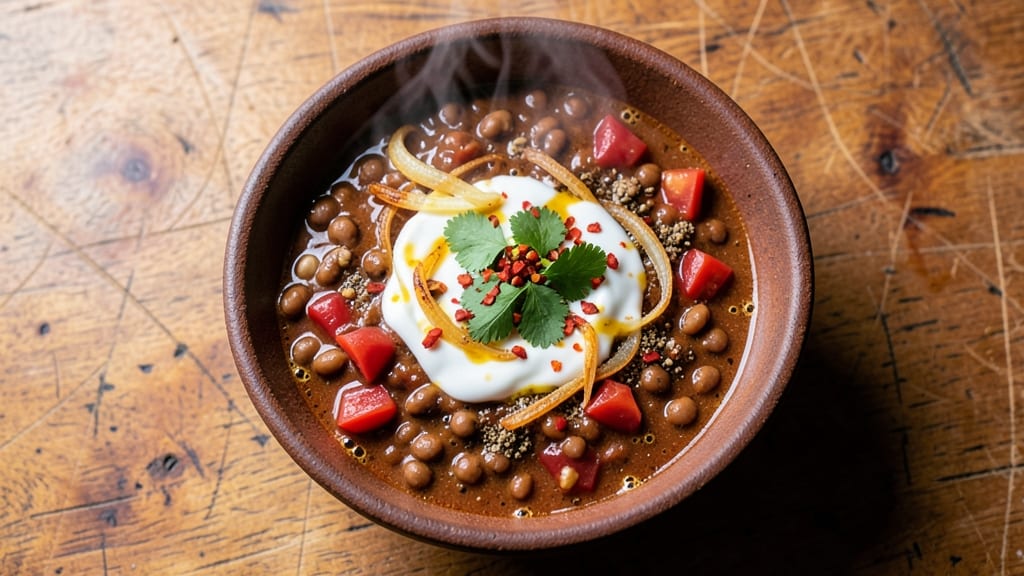
This bean stew recipe Kenya brings the hearty, smoky flavors of East African kitchens to your table, where tender beans simmer with tomatoes, onions, and aromatic spices until rich and deeply satisfying. 🌟 The secret lies in balancing sweet tomatoes with earthy cumin and a touch of chili, creating a dish that’s both comforting and full of character—perfect for weeknight dinners or family gatherings.
The beauty of this recipe is its flexibility—whether you use dried beans, canned beans, or even chickpeas, the technique remains the same.
Traditional Kenyan stews often include optional meat like goat or beef, but this version shines just as brightly as a vegetarian dish, proving that bold flavors don’t require animal protein. The slow simmering transforms tough beans into melt-in-your-mouth tenderness while building layers of depth from toasted spices.
What makes this stew truly special is its versatility. Serve it with crusty bread to soak up every last drop of the savory broth, or pair it with steamed rice for a heartier meal. The aroma alone—warm, spiced, and slightly smoky—will have everyone at the table anticipating the first bite.
This is the kind of dish that tastes even better the next day, making it ideal for meal prep.
The key to success is patience: letting the flavors meld over time and adjusting the spice to your preference. Whether you’re recreating a classic Kenyan meal or adapting it to your own tastes, this stew delivers warmth, tradition, and a taste of home in every spoonful. Let’s get cooking!
Ingredients for bean stew recipe kenya
Pantry staples and a few specialty spices bring East African warmth to your pot.
| Ingredient | Amount | Notes |
|---|---|---|
| Dried Brown Lentils 🌾 | 1 ½ cups | Rinsed thoroughly before cooking |
| Onions 🧅 | 1 whole | Yellow or red, chopped fine |
| Garlic Cloves 🧄 | 4 cloves | Minced or finely chopped |
| Tomatoes 🍅 | 2 cups | San Marzano canned or fresh diced |
| Tomato Paste 🍅 | ¼ cup | Smooth, not chunky |
| Ground Cumin 🌿 | 1 ½ tbsp | Toasted for deeper flavor |
| Ground Coriander 🌿 | 1 tbsp | Freshly ground preferred |
| Smoked Paprika 🌶️ | 1 tsp | For authentic smoky flavor |
| Cayenne Pepper 🔥 | ½ tsp | Adjust to taste for heat |
| Vegetable Oil 🫒 | ¼ cup | Light or canola preferred |
| Vegetable Broth 💧 | 3 cups | Low-sodium preferred |
| Fresh Ginger 🌿 | 1 tbsp | Grated, or 1 tsp ground ginger |
| Salt 🧂 | 1 ½ tsp | Diamond Crystal preferred |
| Fresh Cilantro 🌿 | ¼ cup | Chopped, for garnish (optional) |
| Lemon Juice 🍋 | 1 tbsp | Freshly squeezed |
The lentils are the heart of this stew—dried brown lentils hold their shape beautifully, but green or black lentils work too if that's what you've got. For the spices, Penzeys or bulk bins at Whole Foods are great for quality, but the regular grocery store stuff works fine. Toast your cumin and coriander in a dry pan for 30 seconds before adding to the pot—that's what makes the difference. Fresh ginger is ideal, but if you're in a pinch, ground ginger works (use half the amount). The tomatoes? San Marzano canned are the gold standard, but any good-quality canned tomatoes will do.
No smoked paprika? Regular paprika plus a pinch of liquid smoke gets you close. Short on fresh cilantro? Fresh parsley or basil works in a pinch, though it changes the flavor slightly. The broth is crucial—low-sodium vegetable broth keeps the dish from getting too salty. If you're using dried beans, soak them overnight for the best texture. Canned beans? Drain and rinse them well to cut down on sodium. Want more depth? Add a bay leaf while simmering and remove before serving.
This stew tastes even better the next day as the flavors meld. Store in an airtight container in the fridge for up to 5 days. For freezing, portion into containers and it keeps for 3 months. I always make a double batch—one for dinner, one for lunches. The broth thickens as it cools, so add a splash of water or broth when reheating. Garnish with fresh cilantro and a squeeze of lemon right before serving—that's where the magic happens.
Why You'll Love This Recipe
- Pantry Magic: I swear by this stew—no fresh herbs, no fancy prep. Just dried lentils that soften into perfect bite-sized pieces, onions caramelizing on low heat while you chop garlic (or just buy pre-minced, no judgment). That tomato paste? It’s the secret—thickens the stew into something rich without extra fat.
- Umami Bomb: Between us, the garlic and tomato paste combo is next-level. The lentils soak up all the deep, savory flavor, and when you let it simmer, that slow caramelization turns the onions into something almost sweet. Honestly, the first time I made it, I kept tasting it to believe it.
- Leftovers That Shine: This stew tastes better the next day—yes, really. I make a big batch on Sundays, and by Wednesday, it’s transformed into something even more flavorful. Add a splash of water, heat through, and suddenly you’ve got dinner with zero effort. (My kids don’t even realize it’s reheated.)
- Budget Hero: Dried lentils and onions? That’s about $3 for a week’s worth of meals. No fancy ingredients, no waste—just pure, filling satisfaction. I’ll be real: I’ve served this at potlucks, family gatherings, and even my own birthday dinner. It’s the kind of dish that makes you look like a star without breaking the bank.
Step-by-step instructions for smoky cumin bean stew
This rich, tomato-infused stew delivers deep East African flavors with minimal fuss.
🍳 Step 1: Sauté Aromatics Until Fragrant
Heat the 0.25 cup vegetable oil in a heavy pot over medium heat. Add the 1 whole onions (chopped fine) and cook for 5 minutes until soft and translucent. Here's the thing—don't rush this step. You want those onions to turn a lovely golden color before moving on.
Add the 4 cloves garlic cloves (minced) and 1 tbsp fresh ginger (grated) and cook for another 1 minute until the garlic is fragrant and just beginning to color. This is where the foundation flavors develop. If you smell anything burning, reduce the heat slightly—you want aroma, not smoke.
🍳 Step 2: Toast Spices for Maximum Flavor
Stir in the 1.5 tbsp ground cumin, 1 tbsp ground coriander, 1 tsp smoked paprika, and 0.5 tsp cayenne pepper. Toast the spices for 30 seconds while stirring constantly—you'll see them release their essential oils and fill your kitchen with that irresistible smoky aroma.
I press down gently with a wooden spoon to ensure even distribution. This prevents any spice from burning while maximizing their flavor. After 30 seconds, immediately add the 0.25 cup tomato paste and stir vigorously to create a smooth paste. Let this cook for 2 minutes until it darkens slightly and loses its raw taste.
🍳 Step 3: Build the Tomato Base
Add the 2 cups tomatoes and 3 cups vegetable broth, scraping up any browned bits from the bottom of the pot. These bits are pure flavor—don't let them go to waste. Bring the mixture to a gentle boil, then reduce heat to medium-low and let it simmer for 10 minutes until the tomatoes break down and the sauce thickens slightly.
Taste the sauce at this point. You should detect the warm cumin, earthy coriander, and subtle heat from the cayenne. If it needs more depth, add another 0.5 tsp salt now—this is your chance to adjust before adding the lentils.
🥘 Step 4: Cook Lentils to Perfect Tenderness
Add the 1.5 cups dried brown lentils (rinsed thoroughly) and the 1.5 tsp salt. Stir well to distribute the lentils evenly throughout the liquid. Bring the mixture back to a gentle boil, then immediately reduce heat to low and cover the pot.
Simmer for 25-30 minutes until the lentils are tender but still hold their shape. Here's the critical part: don't lift the lid during cooking. Every time you peek, you lose heat and extend the cooking time. You'll know they're done when a lentil splits easily when pierced with a fork but doesn't fall apart.
⏰ Step 5: Finish and Garnish
Once the lentils are tender, stir in the 1 tbsp lemon juice. This brightens the dish and cuts through the richness of the tomatoes and spices. Taste again and adjust seasoning if needed—you might need a touch more salt or cayenne to balance the flavors.
Remove from heat and let the stew sit for 5 minutes to allow the flavors to meld. Garnish with 0.25 cup fresh cilantro (chopped) just before serving. The acidity of the lemon and freshness of the cilantro elevate the dish to restaurant-quality. Serve warm with crusty bread or over steamed rice to soak up every last bit of that smoky, spiced stew.
Pro Tips For Making Bean Stew Recipe Kenya
- SOAK LENTILS 4 HOURS: I learned this the hard way—skipping the soak means lentils stay rock-hard no matter how long you simmer. Rinse them first, then cover with water for at least 4 hours (overnight works too). This cuts cooking time by half and keeps them tender without mushiness.
- FRY ONIONS UNTIL GOLDEN: Don’t rush the onions—cook them on medium heat until they’re deep golden, not just soft. This builds flavor that cuts through the earthiness of lentils. I used to walk away; now I set a timer for 8-10 minutes and stir often.
- SIMMER LOW AND COVERED: After adding tomatoes and paste, drop the heat to a gentle simmer and keep the lid on. Too-high heat makes lentils split and stew turn gluey. My grandmother swore by this, and she was right: patience here makes all the difference.
- TOAST GARLIC IN PASTE: Sounds weird, but it works: after frying onions, add minced garlic directly to the tomato paste (no oil) and cook for 2 minutes until it darkens. This locks in aroma and prevents that raw-garlic bite that ruins the stew.
Regional styles of this recipe
Kenyan Githeri Style
This classic Kenyan dish replaces lentils with a mix of dried beans (like kidney or pinto) and cowpeas for a heartier texture. Traditionally cooked with maize (corn) instead of rice, Githeri uses the same aromatic spices but adds a pinch of nutmeg for warmth.
I often use 2 cups dried beans and 1 cup dried cowpeas, soaking them overnight for even tenderness. The dish is typically served with ugali (maize porridge) or chapati (flatbread) for dipping. 🌾
Coastal Swahili Twist
Along Kenya’s coast, stews incorporate coconut milk and fresh coconut for a creamy, tropical profile. Swap the vegetable broth for 1 cup coconut milk and add ½ cup grated fresh coconut at the end. This version pairs beautifully with coconut rice or tropical fruit like mango slices.
The smoked paprika is often replaced with fenugreek seeds (toasted) for a nuttier depth. The heat level is milder here, focusing on bright, citrusy flavors. 🥥
Highland Maize Stew
In Kenya’s highlands, stews frequently feature maize meal (cornmeal) as a thickener, creating a porridge-like consistency. Stir in ½ cup maize meal during the final 10 minutes of simmering to achieve a thicker, more substantial texture.
This version often includes potatoes (diced) and carrots for extra heartiness. The spices remain similar, but black pepper is added for a sharper kick. Serve with boiled eggs or fried plantains for a complete meal. ⛰️
Modern Urban Adaptation
For a contemporary take, I’ve seen chefs blend this stew with roasted sweet potatoes and kale for a nutrient-packed twist. The smoked paprika is enhanced with a dash of liquid smoke, and chickpeas replace lentils for added protein.
Garnish with toasted pumpkin seeds and avocado slices for a restaurant-worthy presentation. This version works brilliantly as a vegan main course or soup base for grain bowls. 🌿
Spice Variations
Adjust the heat to your preference: For mild, reduce cayenne to ¼ tsp and add ½ tsp cinnamon for sweetness. For medium, keep the ½ tsp cayenne but add ½ tsp allspice.
For spicy, double the cayenne and add ½ tsp berbere spice (Ethiopian blend). Each variation transforms the stew’s character while keeping the core flavors intact. 🌶️
Protein Additions
Traditionally, this stew includes goat meat or beef, but modern versions use tofu, tempeh, or chickpeas. For meat lovers, brown ½ lb ground beef or diced chicken thighs with the onions, then proceed as directed.
Vegetarians can add 1 cup crumbled tofu during the final 10 minutes of cooking. The protein absorbs the flavors beautifully, making it a complete meal. 🍗
Nutrition facts
Frequently asked questions
Can I use canned beans instead of dried lentils?
For a quicker version, substitute 1.5 cups dried lentils with 2.5 cups canned beans (drained and rinsed). Use kidney beans, chickpeas, or black beans—they all work beautifully. Just reduce the cooking time by 15-20 minutes since canned beans are pre-cooked. The texture will be slightly softer but still delicious.
What’s the best way to adjust the spice level?
The recipe uses ½ tsp cayenne pepper for medium heat, but you can easily tweak it. For mild, reduce to ¼ tsp and add ½ tsp cinnamon for warmth. For spicy, double the cayenne or add ½ tsp berbere spice (Ethiopian blend). Taste the sauce before adding lentils—this is your last chance to adjust!
How do I make this stew thicker or thinner?
For a thicker stew, simmer uncovered for 5-10 extra minutes to reduce the liquid. For a thinner broth, add ½ cup vegetable broth at the end. If using maize meal (highland style), stir in ½ cup during the last 10 minutes of cooking. The key is patience—never rush the thickening process.
Can I prepare this ahead of time?
This stew tastes even better the next day! Store in an airtight container in the fridge for up to 5 days. For freezing, portion into containers and keep for 3 months. Reheat gently on the stove with a splash of water or broth to restore texture. The flavors deepen overnight, making it perfect for meal prep.
What’s the best way to serve it?
Traditionally, it pairs with ugali (maize porridge) or chapati (flatbread). For a modern twist, serve with crusty bread or steamed rice. Garnish with fresh cilantro and a squeeze of lemon right before serving—this adds brightness and makes it restaurant-quality.