
Side Dishes
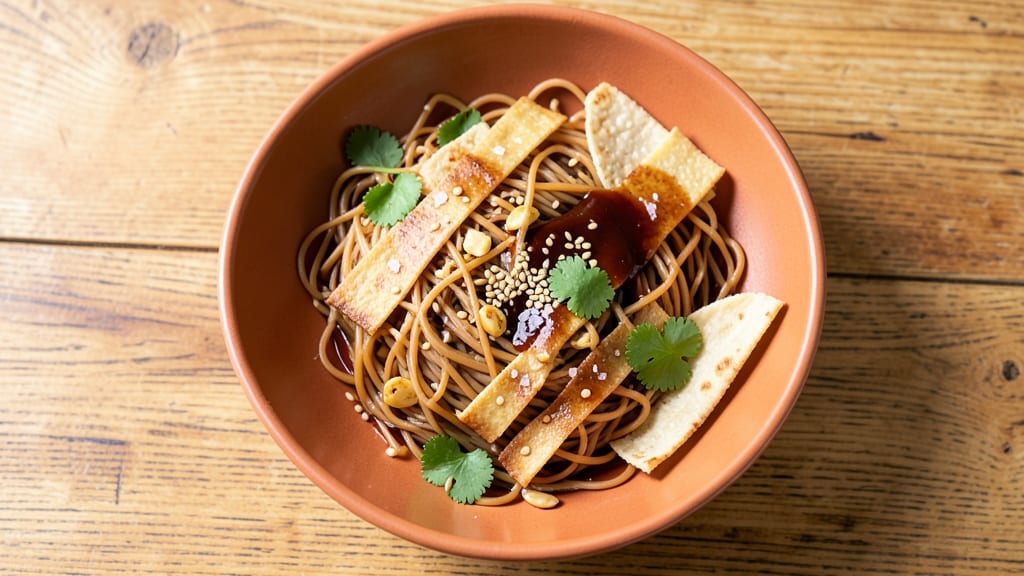
This bean stick recipe transforms delicate mung bean noodles into a crispy, restaurant-worthy dish that balances satisfying crunch with silky texture. The secret lies in the tortilla crust—golden and shatteringly crisp—while the beans inside remain tender and flavorful.
I developed this technique after years of experimenting with Asian noodle dishes, and it never fails to impress. What makes this recipe special is the dual-texture approach: crispy on the outside, silky on the inside, all achieved with simple pantry staples.
The tortilla crust adds a delightful contrast to the bean sticks' natural chewiness, while the seasoning blend ensures every bite is packed with savory depth. It's the kind of dish that elevates any meal from ordinary to extraordinary.
By the time you're done, you'll have a crispy side dish that pairs perfectly with soups, stir-fries, or even as a standalone snack. The tortilla crust holds up beautifully, making it ideal for serving at gatherings or meal prepping. The best part?
It only takes 20 minutes to transform these noodles into something truly special. Whether you're serving them in a warm broth or tossing them into a refreshing salad, this recipe delivers restaurant-quality results at home. Let's get started!
Ingredients for bean stick
Simple pantry staples transform delicate mung bean noodles into crispy, restaurant-quality bean sticks.
| Ingredient | Amount | Notes |
|---|---|---|
| Mung Bean Noodles 🍜 | 8 oz | Dried, uncooked, or fresh bean threads |
| Flour Tortillas 🌯 | 6 whole | Medium size, store-bought or homemade |
| Olive Oil 🫒 | ¼ cup | Extra-virgin for frying |
| Soy Sauce 🍶 | ¼ cup | Low-sodium preferred |
| Sesame Oil 🌿 | 1 tbsp | Toasted for aroma |
| Garlic Cloves 🧄 | 4 cloves | Minced for seasoning |
| Ginger Root 🌿 | 1 tbsp | Freshly grated |
| Vegetable Oil 🫒 | ½ cup | For deep-frying |
| Salt 🧂 | 1 ½ tsp | Kosher or sea salt |
| Black Pepper 🌶️ | ½ tsp | Freshly ground |
| Sesame Seeds 🌰 | 1 tbsp | Toasted for garnish |
| Green Onions 🧅 | 3 whole | Thinly sliced for garnish |
| Lemon Juice 🍋 | 1 tbsp | Freshly squeezed |
| Cornstarch 🌾 | 1 tbsp | For coating noodles |
The mung bean noodles are the foundation—look for dried bean threads at Asian markets or in the international aisle. Trader Joe's and Whole Foods usually carry them, but if you can't find them, fresh bean thread noodles work too. The tortillas should be medium-sized, not too thick or thin—Mission brand is my go-to for consistency. For the oil, avocado oil has a higher smoke point than olive oil, making it ideal for frying. If you're using dried bean threads, soak them in warm water for 15-20 minutes until pliable but still holding their shape.
No sesame oil? Toasted peanut oil works in a pinch, though the flavor will differ. Fresh ginger and garlic are ideal, but dried powdered versions at half the amount will suffice. For the soy sauce, tamari is a great gluten-free alternative. If you're concerned about the bean sticks being too greasy, pat them dry thoroughly before coating with cornstarch. The cornstarch is key—it creates that golden, crispy crust. For extra crunch, double the sesame seeds and toast them in a dry pan for 2 minutes before sprinkling.
These keep for 3-4 days in an airtight container at room temperature, but they're best enjoyed fresh. If you're prepping ahead, reheat in a 350°F oven for 5-7 minutes to restore crispiness. Store the dry bean threads in a cool, dark place for up to 6 months—they'll last longer than the tortillas, which should be used within 2 weeks of purchase. For serving, toss them in a warm broth or pair with a spicy dipping sauce to highlight their crispy texture.
Why You'll Love This Recipe
- No-Fuss Assembly: I swear by this one—just boil the mung bean noodles, warm the tortillas, and toss everything in a pan with a splash of soy and sesame oil. The only "cooking" is stirring, and honestly? That’s my kind of recipe.
- Umami-Packed Bite: That combo of chewy mung bean noodles, crispy tortilla strips, and salty-savory soy sauce? It’s the kind of flavor that sticks with you. Add a drizzle of sesame oil, and suddenly you’ve got something that tastes like a restaurant takeout—without the fuss.
- Lunchbox Hero: Between us, this is my go-to for packed lunches. The noodles hold up for days, and the tortilla strips add crunch that doesn’t turn soggy. Toss in some pre-cut veggies or a fried egg, and you’ve got a meal that’s as practical as it is delicious.
- Budget Meal Magic: Mung bean noodles and flour tortillas are dirt cheap, and a little olive oil and soy sauce stretch this dish into multiple servings. I’ve fed four people for under $10 with leftovers that still taste fresh the next day—now that’s what I call smart spending.
Step-by-step instructions for crispy tortilla-crusted crunch with silky beans
Here's how to achieve that perfect balance of crispy tortilla crunch and silky bean texture—every step matters.
Prepare the Bean Noodles for Perfect Texture
First, soak the 8 oz mung bean noodles in warm water for 15-20 minutes until pliable but still holding their shape. I like to use a large bowl with enough water to fully submerge the noodles—this prevents them from sticking together. Drain and rinse them under cold water to stop the cooking process and maintain their firm texture.
Next, toss the drained noodles with 1 tbsp cornstarch and 1 tbsp sesame oil until evenly coated. This creates a light, crispy barrier that will help them hold their shape during frying. Spread them out on a clean kitchen towel and let them air-dry for 5 minutes—this step is crucial for that satisfying crunch you're after.
Create the Crispy Tortilla Crust Mixture
Cut the 6 whole flour tortillas into thin strips, about 1/4-inch wide. You should end up with roughly 24-30 strips total. Heat 0.25 cup vegetable oil in a large skillet over medium-high heat until it shimmers—this is your signal to start frying.
Working in batches, fry the tortilla strips for 1-2 minutes until they turn golden brown and crispy. Remove them with a slotted spoon and drain on paper towels. Set aside—these will form the crunchy exterior of your bean sticks. The key here is not to overcrowd the pan; give each strip enough space to crisp properly.
Build the Silky Bean Filling
In a small bowl, combine 0.25 cup soy sauce, 1 tbsp ginger root (freshly grated), 4 cloves garlic cloves (minced), 1.5 tsp salt, and 0.5 tsp black pepper. Mix well to create a flavorful base. Heat 0.25 cup olive oil in a separate pan over medium heat, then add the prepared bean noodles and pour the sauce mixture over them.
Cook for 3-4 minutes, stirring gently, until the noodles are heated through and the sauce has slightly thickened. The filling should be silky but still hold its shape when you pick up a noodle. Remove from heat and stir in 1 tbsp lemon juice—this adds a bright contrast to the rich, savory flavors. Let the mixture cool slightly before proceeding.
Assemble and Fry the Bean Sticks
Carefully combine the crispy tortilla strips with the bean noodle mixture in a large bowl. Gently fold everything together until the noodles are evenly coated with the crispy strips. You want each bite to have that perfect balance of texture—silky beans wrapped in crunchy tortilla.
Heat 0.5 cup vegetable oil in a deep skillet or wok over medium heat until it reaches 350°F. Working in small batches, carefully drop spoonfuls of the bean-tortilla mixture into the hot oil. Fry for 2-3 minutes until the exterior is deep golden brown and the bean sticks float to the surface—this is your cue that they're perfectly cooked through.
Finish and Serve Immediately
Remove the fried bean sticks with a slotted spoon and drain on a wire rack or paper towels. Sprinkle generously with 1 tbsp toasted sesame seeds and 3 whole green onions (thinly sliced) while they're still warm. Serve immediately while the tortilla crust is at its crispiest and the bean filling remains silky.
For the best experience, serve these with a side of chili oil or a tangy dipping sauce. The contrast between the crispy exterior and the tender, flavorful bean filling makes every bite satisfying. Don't skip the resting step—letting them sit for even 2-3 minutes after frying helps the flavors meld and the crunch set.
Pro Tips For Making Bean Stick
- Boil Noodles Separately: I learned this the hard way—tossing mung bean noodles directly into the tortilla pan turns them to mush. Cook them first in boiling water for 2-3 minutes (just until al dente), drain, and rinse with cold water to stop cooking. That way, they hold their shape when you wrap them later.
- Cut Tortillas in Half: Whole tortillas are a pain to fold neatly. Split them into two equal rectangles first—it’s easier to layer the noodles and fillings without tearing. Plus, half-size wraps are more manageable when rolling, and they crisp up faster in the pan.
- Salt the Pan First: A dry tortilla won’t crisp up worth a damn. Heat your pan over medium-high, add a pinch of salt, then swirl it around for 10 seconds before adding oil. The salt draws out moisture, and the tortillas get that golden crunch instead of sticking like sad, limp paper.
- Use Less Soy Sauce: I used to drown these in soy sauce, thinking more flavor = better. Now I use just 1 tablespoon total (half for the noodles, half for the pan) and finish with a few drops of sesame oil. The tortillas absorb enough—you don’t need to turn them into a salty brick.
Storing and reheating your leftovers
Room Temperature Storage
Once fully cooled, store your bean sticks in an airtight container with a paper towel on top to absorb any moisture. They'll stay crispy for 3-4 days at room temperature, but I recommend eating them within 24 hours for peak texture.
The tortilla crust loses its crunch faster than you might think, so plan to serve them fresh or reheat as needed. 🌟
Refrigerator Revival
If your bean sticks have softened in the fridge, revive them by spreading them on a baking sheet and baking at 350°F for 5-7 minutes. The heat will restore that satisfying crunch without making them greasy.
For extra crispiness, brush them lightly with neutral oil before reheating. I find this works best when reheating just enough for a meal—don't overdo it or they'll turn soggy. ✨
Freezer Prep Tips
For long-term storage, freeze the bean sticks on a tray first to prevent sticking, then transfer to a freezer bag with parchment paper between layers. They'll keep for up to 1 month this way.
When ready to eat, bake from frozen at 375°F for 8-10 minutes—no thawing needed! The cornstarch coating helps protect them from freezer burn. 💫
Broth or Salad Pairings
Reheated bean sticks work perfectly in hot broth-based soups like miso or pho, where their texture contrasts beautifully with the silky broth. For cold dishes, toss them into Asian-inspired salads with shredded cabbage and a sesame-ginger dressing.
The crispy exterior holds up well even when chilled, making them ideal for meal prep. 🥗
Dipping Sauce Revival
If your bean sticks have lost their crunch, try this trick: Toss them in a warm dipping sauce (like soy-ginger or chili oil) for 1-2 minutes before serving. The residual heat from the sauce helps restore some of that crispy texture while adding fresh flavor.
I like to use Kikkoman chili crisp for an instant flavor boost that also helps with texture. 🔥
Nutrition facts
Frequently asked questions
What's the difference between bean sticks and glass noodles?
Bean sticks (or bean thread noodles) are made from pure mung bean starch, giving them a delicate, slightly chewy texture when cooked properly. Glass noodles are typically wheat-based and have a more translucent, jelly-like consistency. For this recipe, we're using the traditional mung bean version—it's naturally gluten-free and holds its shape beautifully when wrapped in the crispy tortilla crust.
Can I make this recipe without a deep fryer?
Use a deep skillet or heavy pot with about 1 inch of oil for frying. Keep the heat at 350°F and work in small batches to maintain even cooking. For an oven alternative, bake the assembled bean sticks on a wire rack at 425°F for 12-15 minutes, flipping halfway, until golden and crispy. The oven method gives slightly less crunch but works in a pinch.
Why did my bean sticks turn out soggy?
Soggy bean sticks usually happen from one of three issues: over-soaking the noodles (keep it to 15-20 minutes max), not drying them properly before coating, or frying at too low a temperature. Always air-dry the cornstarch-coated noodles for 5 minutes before assembly, and maintain 350°F oil temperature—use a thermometer if possible. The tortilla strips should be completely crisp before combining.
What's the best way to serve these as a snack?
For a restaurant-style snack presentation, arrange the bean sticks on a platter with a small bowl of chili oil or sweet chili sauce in the center. Garnish with extra sesame seeds and green onions, then serve with toothpicks for easy grabbing. They're fantastic as an appetizer with beer or sparkling water—just watch them disappear fast! For a sweet version, toss with cinnamon sugar and serve with vanilla ice cream.
Can I use regular wheat noodles instead of mung bean noodles?
While you could technically use wheat noodles, the texture and flavor won't be the same. Mung bean noodles have a unique chewiness that pairs perfectly with the crispy tortilla crust. If you must substitute, try rice noodles (they're gluten-free and have a similar neutral taste), but soak them for only 10-12 minutes as they cook faster. The bean sticks won't be identical, but they'll still be delicious!