
Main Courses
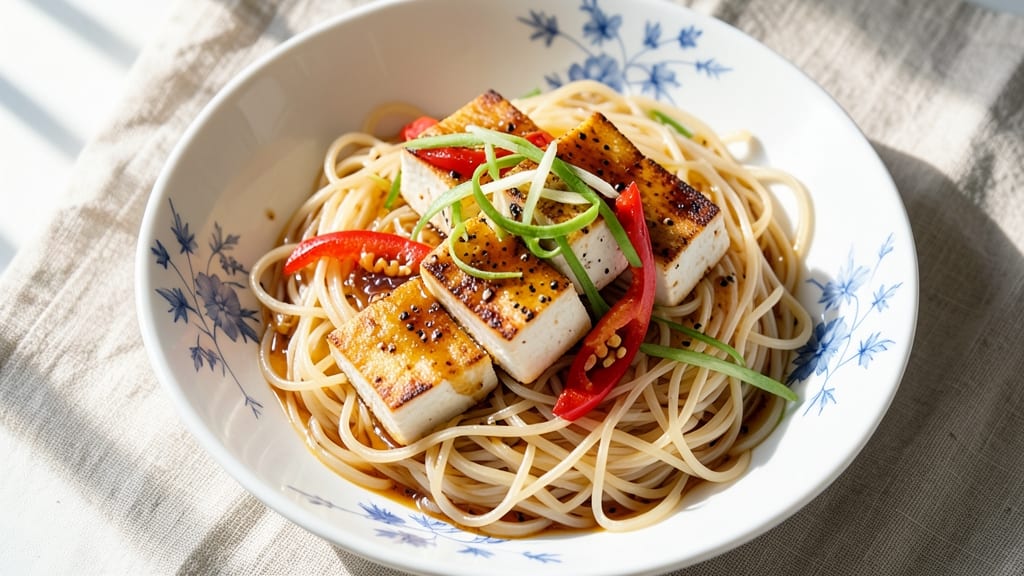
This vegetarian bean thread noodles recipe transforms delicate glass noodles into a silky, garlicky masterpiece that rivals any restaurant dish. The secret lies in proper soaking and a balanced sauce that enhances their natural chewiness without overpowering it.
I developed this method after years of experimenting with different textures and seasonings to create the perfect harmony of flavors.
What makes these noodles special is their versatility—they work equally well in hot stir-fries, chilled salads, or comforting soups. The key is achieving that signature glass-like texture while keeping them tender enough to absorb flavors beautifully.
We'll use a simple garlicky ginger sauce that complements their delicate nature perfectly, with optional vegetarian protein additions like tofu or mushrooms for extra substance.
By the end, you'll have perfectly silky noodles with a subtle chew, coated in a fragrant sauce that balances sweet, savory, and umami notes. The dish serves as both an elegant meal and a comforting staple, proving that vegetarian dishes can be just as satisfying as their meat-based counterparts.
Let's create this dish together.
Whether you're serving this as a light lunch or a sophisticated dinner, the presentation is just as important as the flavor. Garnish with fresh herbs, toasted sesame seeds, or crisp vegetables to elevate the dish to restaurant-quality standards. The technique is straightforward, but the results are anything but basic.
Ingredients for bean thread noodles recipe vegetarian
Silky bean thread noodles with a garlicky ginger sauce—just 14 ingredients for restaurant-quality texture.
| Ingredient | Amount | Notes |
|---|---|---|
| Bean Thread Noodles (Mung Bean Noodles) 🍜 | 8 oz | Dried, uncooked, high-quality brand |
| Extra-Firm Tofu 🧀 | 1 lb | Pressed, cubed for protein |
| Fresh Ginger Root 🌿 | 2 tbsp | Finely grated, aromatic |
| Garlic Cloves 🧄 | 6 cloves | Minced, fresh preferred |
| Sesame Oil 🫒 | 1 tbsp | Toasted, for aroma |
| Low-Sodium Soy Sauce 🥫 | 3 tbsp | Kikkoman preferred |
| Rice Vinegar 🍶 | 2 tbsp | Seasoned, for tang |
| Sesame Seeds 🌰 | 1 tbsp | Toasted, for garnish |
| Green Onions 🧅 | 3 whole | Thinly sliced, for garnish |
| Vegetable Oil 🫒 | 2 tbsp | High smoke point |
| Brown Sugar 🍚 | 1 tbsp | Light, for subtle sweetness |
| Red Chili Flakes 🌶️ | ½ tsp | Adjust to taste |
| Salt 🧂 | 1 tsp | Diamond Crystal preferred |
| Black Pepper 🌶️ | ¼ tsp | Freshly ground |
The noodles are non-negotiable here. Look for premium brands at Asian markets—they hold their texture better than the cheap stuff. I always grab Mama Fu's or Golden Mountain from Trader Joe's; they're reliable and affordable. The tofu? Extra-firm is a must—it holds up to stir-frying without falling apart. Press it for 20 minutes before cubing to remove excess water. Fresh ginger and garlic are worth the splurge too—organic from the farmer's market has the most punch. If you're short on time, jarred minced garlic works, but fresh is always better.
No sesame oil? Toasted peanut oil gives a similar nutty depth. Short on tofu? Shiitake mushrooms or king oyster mushrooms add umami without overpowering. The sauce can be prepped ahead—store it in a jar for up to 5 days in the fridge. For extra richness, stir in 1 tbsp tahini when tossing with noodles. The brown sugar balances the ginger's heat, so don't skip it—coconut sugar works too. If you're sensitive to spice, reduce the chili flakes to a quarter teaspoon or omit entirely.
These noodles are best served immediately after cooking, but they reheat beautifully. Portion into containers with sauce for easy grab-and-go lunches—they'll keep for 3 days in the fridge. For longer storage, freeze cooked noodles in a single layer before transferring to a bag; they'll last 2 months. Garnish with toasted sesame seeds and green onions right before serving—they add crunch and freshness that disappears fast. The sauce thickens when chilled, so thin it with a splash of water if needed before tossing.
Why You'll Love This Recipe
- No-Fuss Prep: I swear by this recipe because it’s the kind of dish that lets you skip the chopping marathon. Tofu cubes, a few ginger slivers, and minced garlic—seriously, that’s it for the hard part. The noodles just need a quick soak and rinse, and boom, you’re halfway there.
- Umami Bomb: Between the toasted sesame oil hitting your pan and that crispy-savory tofu, this dish is ridiculously flavorful without needing 10 ingredients. The bean thread noodles soak up the garlic-ginger-sesame magic like a sponge, and honestly? Every bite tastes like a little hug for your taste buds.
- Leftover Hero: This recipe doubles as my lazy Sunday lunch because it reheats like a dream—no soggy noodles, no sad tofu. I’ll make a big batch, toss it in the fridge, and pull it out for lunch the next day with zero fuss. (Yes, even on a Tuesday night.)
- Budget Flex: Extra-firm tofu and mung bean noodles are my wallet’s best friends—cheap, filling, and packed with protein. I can feed four people for the cost of one sad takeout order, and the leftovers? Pure gold for when I’m too tired to cook.
Step-by-step instructions for silky glass noodles with garlicky ginger kiss
Here's how to transform delicate bean thread noodles into a restaurant-worthy dish with perfect texture and bold flavors.
Prepare the Bean Thread Noodles for Cooking
Start by soaking the 8 oz bean thread noodles in a large bowl of cold water for 15 minutes. These delicate noodles need gentle handling—they should separate completely into silky strands. Drain them immediately after soaking and rinse under cold water to stop the cooking process. The noodles should be flexible but still slightly firm to the touch.
Here's the thing—don't over-soak. If they become mushy, you'll lose that signature glass noodle texture. I like to divide them into two portions for easier cooking later. Keep them covered with a damp towel to prevent drying while you prep the rest of the ingredients.
Press and Cube the Extra-Firm Tofu
Wrap the 1 lb extra-firm tofu in a clean kitchen towel and place a heavy object on top for 15 minutes to press out excess water. This step is crucial for crispy edges when we cook the tofu later. After pressing, cut the tofu into ½-inch cubes—uniform size ensures even cooking.
While the tofu presses, you can prep the aromatics. Mince the 6 cloves garlic and finely grate the 2 tbsp fresh ginger root using a microplane. The fresh ginger adds that bright, zesty kick that sets this dish apart from basic stir-fries. Taste the grated ginger—it should be vibrant and aromatic, not bitter.
Create the Garlicky Ginger Sauce
Heat 2 tbsp vegetable oil in a large wok or skillet over medium-high heat until shimmering. Add the minced garlic and grated ginger, cooking for 1-2 minutes until fragrant but not browned. This quick cooking preserves their bright flavors rather than letting them turn bitter.
Next, add 1 tbsp brown sugar, 0.5 tsp red chili flakes, 1 tsp salt, and 0.25 tsp black pepper, stirring constantly for 30 seconds to toast the spices. The sugar helps caramelize the aromatics slightly, deepening their flavor. Pour in 3 tbsp low-sodium soy sauce and 2 tbsp rice vinegar, then immediately remove from heat. This sauce will form the flavor base for your noodles.
Cook the Tofu and Combine Ingredients
In the same wok (no need to clean it—the fond adds flavor), add 1 tbsp sesame oil and heat over medium heat. Add the pressed tofu cubes in a single layer, cooking undisturbed for 3-4 minutes until golden brown on one side. Flip carefully and cook another 3-4 minutes until evenly crispy. Remove tofu and set aside.
Return the wok to medium heat and add the drained bean thread noodles. Pour the garlicky ginger sauce over the noodles and toss vigorously with tongs for 2-3 minutes until everything is well-coated and the noodles are heated through. The sauce should cling beautifully to the silky strands, creating that signature glossy finish.
Finish and Garnish for Maximum Impact
Return the crispy tofu to the wok and toss everything together for 1 minute to heat through. The contrast between the silky noodles, crispy tofu, and aromatic sauce is what makes this dish special. Taste and adjust seasoning if needed—you might want to add a splash more rice vinegar for brightness or a pinch of salt for balance.
To serve, divide the noodles among bowls and garnish with 1 tbsp sesame seeds and thinly sliced green onions. The sesame seeds add a nutty crunch while the green onions provide a fresh finish. Each bite should deliver that perfect combination of textures—silky noodles, crispy tofu, and a flavorful sauce that dances on your palate.
Pro Tips For Making Bean Thread Noodles Recipe Vegetarian
- Soak Noodles Properly: Bean thread noodles need a 30-minute soak in warm (not boiling) water—cold water makes them tough as boot leather. Drain and rinse twice with cold water after soaking to stop cooking and keep them silky. (Yes, even if you’re impatient like me, resist the urge to skip this.)
- Press Tofu Hard: Extra-firm tofu still holds water—wrap it in a towel, place a heavy pan on top, and let it sit for 10 minutes before cutting. This guarantees crispy edges when stir-frying, not a soggy mess. (I learned this the hard way after frying mushy tofu for three dinners in a row.)
- Stir-Fry in Batches: Bean thread noodles burn faster than you think—cook them in two batches over medium-high heat with just a splash of water to keep them from sticking. If they darken too quickly, you’re going too hot. (Your future self will thank you when the noodles aren’t carbonized.)
- Toast Garlic Ginger: Sauté minced garlic and ginger in sesame oil for 30 seconds until fragrant but not browned—this builds flavor without bitterness. Skip this, and your dish tastes like it’s missing something. (Sounds weird, but it works: the aroma is half the battle.)
Best sauces and condiments for this bean thread noodles recipe vegetarian
Classic Garlicky Ginger Sauce
The foundation of this dish is the garlicky ginger sauce, where 6 minced garlic cloves and 2 tbsp grated fresh ginger sizzle in 2 tbsp vegetable oil until fragrant. I always toast the spices with 1 tbsp brown sugar for just 30 seconds—this caramelization deepens the flavor profile significantly.
The sauce ties everything together with 3 tbsp low-sodium soy sauce and 2 tbsp rice vinegar, creating that perfect balance of sweet, salty, and tangy notes that complement the delicate noodles. 🌶️
For extra depth, I sometimes add 1 tsp grated lemon zest to the sauce when tossing with noodles—it brightens the dish beautifully without overpowering. If you prefer a smoother texture, blend the sauce ingredients (except oil) until silky before combining with noodles.
The key is to keep the sauce thin enough to coat the noodles evenly without making them soggy.
Spicy Sesame Dressing
For a bold twist, swap the garlicky ginger sauce for a spicy sesame dressing by whisking together 2 tbsp toasted sesame oil, 2 tbsp rice vinegar, 1 tbsp soy sauce, 1 tbsp honey, 1 tsp sriracha, and 1 minced garlic clove.
This version adds a nutty, spicy kick that pairs perfectly with the noodles' natural chewiness. I like to drizzle this over cold noodles for a refreshing summer dish—just toss with ½ cup shredded carrots and ¼ cup chopped cilantro for extra freshness. 🌿
To make it extra creamy, stir in 1 tbsp tahini or ½ avocado mashed into the dressing. The tahini adds a rich, nutty flavor that complements the spice beautifully, while avocado keeps it light and fresh.
This dressing works equally well with warm or chilled noodles, making it incredibly versatile for any meal.
Sweet Chili Glaze
A sweet chili glaze transforms these noodles into a vibrant, slightly sweet dish that's perfect for lunch or dinner.
Simmer 3 tbsp rice vinegar, 2 tbsp soy sauce, 1 tbsp brown sugar, 1 tbsp chili garlic sauce, and 1 tsp grated ginger in a small saucepan over medium heat for 5 minutes until slightly thickened.
This glaze adds a perfect balance of sweet and spicy that enhances the noodles' delicate flavor without overpowering them. 🍯
For a smoky twist, add ½ tsp smoked paprika to the glaze while simmering. This version pairs exceptionally well with grilled tofu or mushrooms, adding another layer of depth to the dish.
The glaze can be made ahead and stored in the fridge for up to 1 week, making it a great option for meal prep. Simply reheat gently before tossing with noodles.
Creamy Peanut Sauce
For a rich, nutty alternative, blend 3 tbsp creamy peanut butter, 2 tbsp soy sauce, 1 tbsp rice vinegar, 1 tbsp honey, 1 tsp grated ginger, 1 clove garlic, and 2 tbsp warm water until smooth.
This sauce adds a luxurious texture that contrasts beautifully with the silky noodles. I often sprinkle crushed peanuts and chopped cilantro on top for extra crunch and freshness. 🥜
To make it spicier, add ½ tsp chili flakes or 1 tsp sriracha to the sauce. This version works exceptionally well with steamed broccoli or bell peppers for a complete meal.
The peanut sauce is also fantastic for cold noodle salads—just chill the sauce before tossing to let the flavors meld together perfectly.
Nutrition facts
Frequently asked questions
How do I get bean thread noodles to be perfectly silky instead of mushy?
Soak them for exactly 15 minutes in cold water, then drain immediately and rinse with cold water to stop cooking. The key is gentle handling—never over-soak or use hot water, which breaks down their delicate structure. Store them in a damp towel while prepping other ingredients to prevent drying.
Can I make this recipe without tofu? What are good vegetarian protein alternatives?
Try shiitake mushrooms (sliced thick for meaty texture), king oyster mushrooms (grilled whole), or crispy baked tempeh. For extra protein, add edamame or chickpeas—they hold up well in stir-fries and add a satisfying bite.
Why does my bean thread noodle sauce turn out too thick or clumpy?
Sauce thickens when chilled, so thin it with 1-2 tsp water before tossing. For silky texture, blend the sauce ingredients (except oil) until smooth. Avoid high heat when combining sauce and noodles—medium heat prevents clumping while coating evenly.
How can I make this dish gluten-free?
Use tamari or coconut aminos instead of soy sauce, and ensure your sesame oil is certified gluten-free. The original recipe is naturally gluten-free except for these ingredients. Check tofu packaging too—some brands process in shared facilities.
Can I prepare the sauce ahead of time?
Yes! Store the sauce in an airtight container in the fridge for up to 5 days. Give it a quick stir before using, as it may thicken slightly. For extra flavor, reheat gently with 1 tsp water before tossing with noodles to restore its silky consistency.