
Soups & Stews
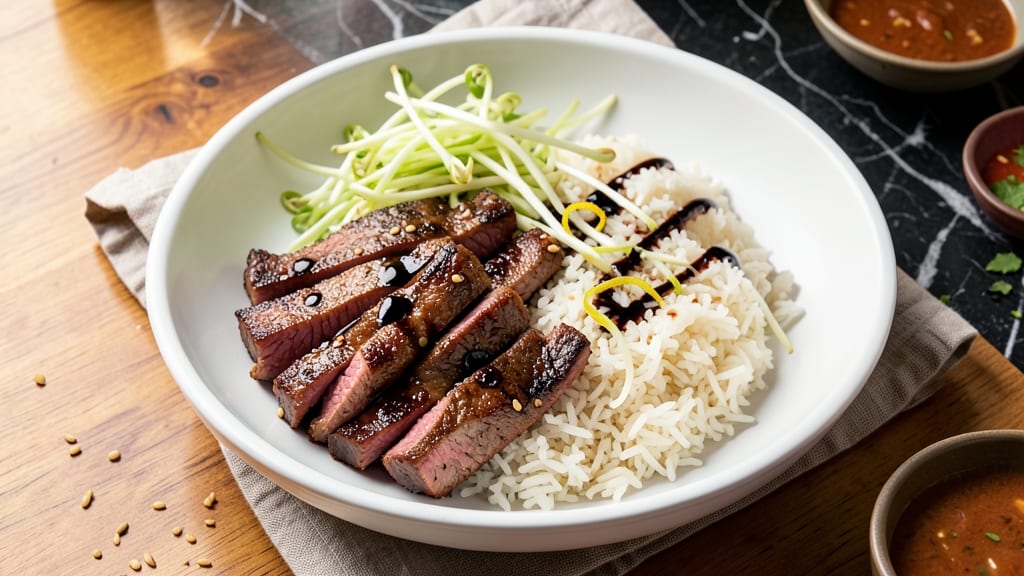
This wok-fried beef and bean sprouts recipe delivers restaurant-quality crunch and savory depth in under 20 minutes. The secret lies in high-heat stir-frying that keeps bean sprouts crisp-tender while searing thinly sliced beef to perfect doneness.
I developed this dish after years of experimenting with quick weeknight meals that still feel special—no complicated techniques, just bold flavors and satisfying textures.
The star of this recipe is the umami-packed sauce, where soy sauce, garlic, and ginger create a sticky glaze that coats every bite. Thinly sliced flank steak or sirloin delivers maximum tenderness, while fresh bean sprouts provide that signature crunch.
The dish balances protein and vegetables perfectly, making it both filling and nutritious—ideal for busy weeknights when you crave something hearty but don't have hours to spend in the kitchen.
What sets this recipe apart is the two-stage cooking process: first searing the beef until just done, then tossing in the bean sprouts at the last minute to preserve their crisp texture.
The result is a dish that's bold in flavor but simple to execute, with each component playing its part—tender beef, vibrant sprouts, and a sauce that ties everything together with perfect balance.
Serve this over steamed rice for a complete meal, or pair with noodles for extra heartiness. The leftovers reheat beautifully, making it perfect for meal prep. Whether you're feeding a family or treating yourself to a quick but satisfying dinner, this recipe delivers restaurant-quality results without the fuss.
Ingredients for beef and bean sprouts
Bold flavors and crisp textures come together in this wok-fried masterpiece.
| Ingredient | Amount | Notes |
|---|---|---|
| Flank Steak 🥩 | 1 lb | Thinly sliced against the grain |
| Bean Sprouts 🌱 | 4 cups | Fresh, crisp, rinsed well |
| Long-Grain White Rice 🍚 | 1 cup | Uncooked, for serving |
| Vegetable Oil 🫒 | 3 tbsp | High smoke point preferred |
| Light Soy Sauce 🥢 | 3 tbsp | Kikkoman preferred |
| Dark Soy Sauce 🥢 | 1 tbsp | For deeper color |
| Garlic Cloves 🧄 | 4 cloves | Minced, fresh preferred |
| Fresh Ginger 🌿 | 1 tbsp | Finely grated, peel removed |
| Sesame Oil 🫒 | 1 tbsp | Toasted, for aroma |
| Cornstarch 🌾 | 1 tbsp | For tenderizing beef |
| Green Onions 🧅 | 3 whole | Sliced, for garnish |
| Sesame Seeds 🌾 | 1 tsp | Toasted, for crunch |
| Salt 🧂 | ½ tsp | Kosher or sea salt |
| Black Pepper 🌶️ | ¼ tsp | Freshly ground |
The beef is non-negotiable—flank steak or sirloin sliced paper-thin against the grain ensures maximum tenderness. Costco or Whole Foods carry pre-sliced versions, but slicing yourself (freeze for 30 minutes first) makes all the difference. Bean sprouts? Trader Joe's has the freshest, but any vibrant green pack works—just rinse well to remove dirt. The rice? Jasmine or basmati steamed to perfection is ideal, but any long-grain will do. For the sauce, Kikkoman soy sauce delivers that signature umami punch—don't skimp on quality here.
No flank steak? Sirloin or ribeye sliced thinly works beautifully. Swap bean sprouts for bok choy or snow peas if needed, but the crunch is key—don't overcook. The cornstarch isn't just for thickening; it tenderizes the beef when marinated for 15-20 minutes. Short on sesame oil? A dash of toasted peanut oil adds depth. The garlic and ginger can be pre-minced (store-bought is fine) to save time. For extra heat, add a pinch of red pepper flakes to the sauce. The green onions? Fresh is best, but dried works in a pinch—just double the amount.
Prep ahead: Marinate the beef and rice first—they keep well in the fridge for 24 hours. Bean sprouts stay crisp for 3 days wrapped in a damp towel. The sauce can be made a day ahead—store in a jar in the fridge. Reheat everything separately and wok-fry together for that signature crisp-tender texture. Leftovers? 3-4 days in the fridge, but they're so good you'll probably eat it all the first night.
Why You'll Love This Recipe
- Few Ingredients, Big Payoff: I swear by this recipe because it’s one of those rare dishes where the ingredient list feels too short—just steak, sprouts, rice, and a splash of soy. No clutter, no stress, and honestly, I’ve made it with whatever was in my fridge without sacrificing flavor.
- Savory-Sweet Balance: That light soy sauce? It’s the secret weapon here. It tenderizes the flank steak while giving the bean sprouts a glossy, umami-rich bite—like a little Asian-inspired hug for your taste buds. (Yes, even on a Tuesday night.)
- Lunchbox Hero: Between us, this is my go-to for meal prep because it reheats like a dream. Pack the rice and steak separately, toss in some fresh sprouts when you’re ready, and boom—you’ve got a lunch that feels fancy but costs pennies. My kids fight over it.
- Steak Night Without the Fuss: Flank steak usually demands marinating and careful slicing, but here? A quick sear in the pan, a splash of soy, and you’re done. No fancy techniques, no stress—just reliable, satisfying beef that doesn’t break the bank. Leftovers? Even better cold.
Step-by-step instructions for wok-fried beef with crisp bean sprouts
Here's how to deliver that perfect balance of tender beef, crisp bean sprouts, and savory soy zing every time.
Prepare the Flank Steak for Maximum Tenderization
First, slice the 1 lb flank steak thinly against the grain into ¼-inch strips. This is crucial—cutting against the grain shortens the muscle fibers, making each bite more tender. Place the sliced steak in a bowl and sprinkle with 1 tbsp cornstarch, 0.5 tsp salt, and 0.25 tsp black pepper. Toss gently to coat evenly, ensuring each piece gets that tenderizing dusting.
Let the steak marinate for 15-20 minutes while you prep the rest. The cornstarch creates a delicate crust that keeps the beef juicy while adding texture. If you're short on time, even 10 minutes of marinating will help, but don't skip this step entirely—it makes a noticeable difference in tenderness.
Cook the Rice to Perfect Al Dente Texture
Rinse 1 cup long-grain white rice thoroughly under cold water until the water runs clear. This removes excess starch that can make the rice gummy. Combine the rice with 1½ cups water (or follow package instructions) in a small pot and bring to a boil over medium-high heat. Once boiling, reduce heat to low, cover tightly, and simmer for 15 minutes.
Resist the urge to peek! The steam needs to build properly. After 15 minutes, turn off the heat and let the rice sit covered for 10 minutes. Fluff with a fork before serving—this ensures each grain stays separate and light. The rice should be tender but still have a slight bite, not mushy. This is your base canvas for soaking up all that delicious wok-fried flavor.
Sauté Aromatics and Prepare the Soy Sauce Mixture
Heat 2 tbsp vegetable oil in a wok or large skillet over medium-high heat until shimmering. Add the 4 minced garlic cloves and 1 tbsp finely grated fresh ginger, stirring constantly for 30 seconds until fragrant. Here's where it gets good—the aroma should fill your kitchen, signaling the base of your sauce is ready.
In a small bowl, whisk together 3 tbsp light soy sauce, 1 tbsp dark soy sauce, and 1 tbsp sesame oil. The dark soy sauce adds that signature deep color while maintaining the savory punch. Keep this mixture nearby—you'll add it in the next step. The aromatics should sizzle without burning; if they darken too quickly, reduce the heat slightly.
Wok-Fry the Beef and Bean Sprouts to Crisp Perfection
Working in batches if needed, add the cornstarch-coated steak to the hot wok in a single layer. Let it sear undisturbed for 1-2 minutes until the edges turn deep golden brown. This creates that beautiful caramelized crust we're after. Stir-fry for another 1-2 minutes until the beef is 80% cooked—it'll finish in the sauce.
Push the beef to one side of the wok and add the remaining 1 tbsp vegetable oil. Toss in the 4 cups rinsed bean sprouts and stir-fry for 2-3 minutes until they're bright green and just beginning to wilt—they should still have that satisfying crunch. Pour the soy sauce mixture over the beef and toss everything together for 1-2 minutes until the sauce coats the beef and bean sprouts evenly.
Finish with Garnishes and Serve Immediately
Remove the wok from heat and stir in 3 sliced green onions and 1 tsp toasted sesame seeds. These final touches add freshness and texture that elevate the dish from good to spectacular. The green onions should be distributed evenly throughout, while the sesame seeds provide that nutty crunch in every bite.
Serve the beef and bean sprouts immediately over the perfectly cooked rice, making sure each serving gets a generous helping of that glossy soy sauce. The contrast of tender beef, crisp bean sprouts, and fluffy rice creates a symphony of textures and flavors that's impossible to resist. Leftovers? They won't last that long—this dish is best enjoyed fresh while everything is hot and vibrant.
Pro Tips For Making Beef And Bean Sprouts
- Slice Against the Grain: Flank steak’s tough fibers run diagonally—cutting perpendicular to the grain turns each bite into tender, fork-friendly strips. I used to fight this and end up with chewy, frustrating mouthfuls. Trust the grain lines, even if it means extra prep time.
- Blanch Sprouts First: Give those bean sprouts a quick 30-second dip in boiling water before stir-frying. This softens their crunch just enough to prevent a bitter, overcooked mess while keeping them from turning to mush. (Yes, even if you’re impatient like me.)
- High Heat, Low Crowd: Crank the wok or pan to screaming hot before adding the beef—you want those sear marks, not steamed gray meat. Then don’t toss in all the sprouts at once; work in batches so they sizzle, not steam. After burning three batches, I finally learned: space matters.
- Rice Ready First: Cook the rice before you start the stir-fry—it takes longer than you think, and nothing kills the vibe like waiting for grains to finish while your beef turns into shoe leather. Pro move: use a rice cooker and set it running while you prep the steak. (Your future self will thank you.)
Troubleshooting your beef and bean sprouts
Overcooked Bean Sprouts
Bean sprouts turn mushy when overcooked—this happens when they sit in the wok too long after the beef is done. The fix? Toss them in just 2-3 minutes until they're bright green and just beginning to wilt.
If you notice them losing their crunch, remove them immediately and set aside. Reheat them separately in a dry pan for 30 seconds to restore some crispness. 🌱
Tough Beef
Tough beef usually means the steak wasn't sliced thinly enough or wasn't cooked at high enough heat. Always slice ¼-inch strips against the grain, and use a wok or skillet on medium-high heat.
If your beef turns out tough, try marinating it in 1 tbsp soy sauce + 1 tbsp cornstarch for 30 minutes before cooking. For extra tenderness, slice it even thinner—⅛-inch works if you're patient. 🥩
Sauce Too Thin
If your sauce is too thin, it’s likely because the cornstarch didn’t thicken properly. Next time, mix 1 tbsp cornstarch with 1 tbsp cold water to create a slurry, then stir it into the sauce at the very end of cooking.
This slurry will thicken instantly when exposed to heat. For an immediate fix, simmer the sauce uncovered for 1-2 minutes to reduce excess moisture. 🍜
Uneven Cooking
Uneven cooking happens when the wok isn’t hot enough or the beef is overcrowded. Work in small batches—no more than ½ lb of beef at a time—and ensure your wok is screaming hot before adding the steak.
If your stove runs hot spots, rotate the pan halfway through cooking. A cast-iron wok retains heat better, so consider upgrading if you struggle with consistency. 🔥
Burnt Aromatics
Burnt garlic or ginger ruins the dish’s delicate balance. Keep your heat at medium-high and stir constantly for the first 30 seconds after adding them. If they start to darken too quickly, reduce the heat slightly or remove the pan from the burner for a moment.
Freshly minced garlic burns faster than pre-minced, so adjust accordingly. 🧄
Dry Rice
Dry rice usually means the water-to-rice ratio was off or the rice wasn’t rested long enough. For 1 cup rice, use 1½ cups water and let it sit covered for 10 minutes after cooking.
If your rice turns out dry, fluff it with a fork and add 1-2 tbsp hot water, then cover again for 5 minutes to steam. 🍚
Nutrition facts
Frequently asked questions
Can I use ground beef instead of flank steak?
Ground beef works but changes the texture dramatically. For the same quick-cooking, tender result, use lean ground beef (90% lean or higher) and brown it thoroughly first. Cook it in batches to avoid steaming, and drain excess fat before adding the sauce. The dish will be heartier but less elegant—great for a quick weeknight meal!
How do I keep bean sprouts crisp?
Rinse them thoroughly before using to remove dirt, then pat completely dry with a clean towel. Cook them for only 2-3 minutes at the very end—add them after the beef is nearly done. For extra crunch, toss them with ½ tsp cornstarch before cooking. Never overcrowd the pan, or they'll steam instead of crisp.
What's the best way to make this gluten-free?
Replace soy sauce with tamari or coconut aminos (use 3 tbsp total for similar flavor). For thickness, use 1 tbsp cornstarch + 1 tbsp water as a slurry instead of relying on soy sauce. Check your sesame oil label—some brands process in gluten-free facilities. The dish will still be delicious with these swaps!
Can I make this ahead of time?
Marinate the beef and prep the sauce 24 hours ahead—they keep well in the fridge. Cook the rice separately and store it covered. On serving day, wok-fry the beef and bean sprouts fresh (they're best hot). Reheat leftovers gently in a skillet with a splash of water to restore moisture. The flavors actually improve overnight!
What other proteins work well?
Try chicken breast (slice thinly), shrimp (peeled and deveined), or tofu (extra-firm, pressed and cubed). For pork, use lean pork tenderloin sliced against the grain. Adjust cooking times—seafood cooks in 1 minute while chicken needs 3-4 minutes. Keep the bean sprouts cooking time the same for crispness.