
Sauces & Condiments
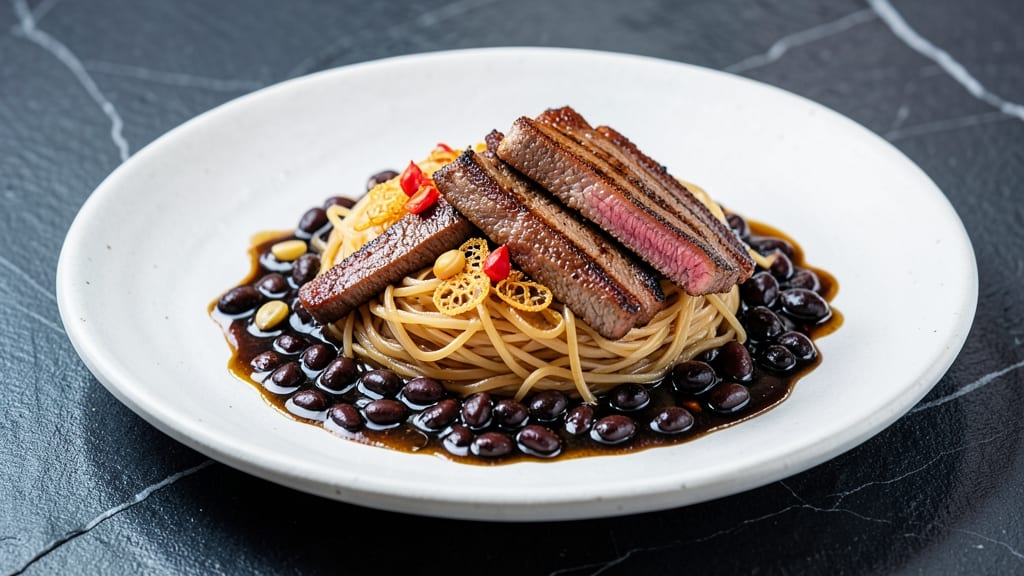
This beef black bean sauce rice noodle recipe delivers the perfect balance of silky noodles, tender beef, and deep umami crunch—a dish that transforms simple ingredients into something restaurant-worthy. 💛 The secret lies in the sauce: fermented black beans and soy sauce create that signature rich, savory flavor without needing complicated techniques.
I developed this after craving something hearty yet quick, and it's become a weeknight staple that even picky eaters request seconds of.
The beauty of this recipe is its flexibility—whether you're using pre-cooked rice noodles or fresh, the method stays simple. You'll start with a quick sear on the beef for texture, then build the sauce layer by layer, letting the black beans and aromatics develop their deep, complex flavors.
The result is a dish that's comforting yet sophisticated, with each bite offering a satisfying contrast between the chewy noodles and the bold, slightly sticky sauce.
What makes this recipe truly special is how it comes together in under 30 minutes without sacrificing depth of flavor. The black bean sauce adds a crunchy texture and intense umami that elevates even the most basic rice noodles, while the beef stays tender and flavorful.
This is the kind of dish that feels indulgent but is actually simple enough for any weeknight—perfect for when you want something satisfying without spending hours in the kitchen.
Serve it with quick-pickled vegetables for brightness or a sprinkle of fresh cilantro for freshness, and pair it with a cold beer or jasmine tea to complement the rich, savory flavors.
The leftovers reheat beautifully too, making it ideal for meal prep. Let's get cooking—this dish is about to become your new favorite quick weeknight meal.
Ingredients for beef black bean sauce rice noodle
Quick grocery run for these 15 ingredients—silky noodles, tender beef, and that signature umami crunch.
| Ingredient | Amount | Notes |
|---|---|---|
| Flank Steak 🥩 | 1 lb | Thinly sliced against grain |
| Fermented Black Beans 🫘 | ½ cup | Rinsed, crunchy texture preserved |
| Rice Noodles 🍜 | 8 oz | Fresh or pre-cooked, wide or thin |
| Light Soy Sauce 🥄 | ⅓ cup | Kikkoman preferred for balance |
| Dark Soy Sauce 🥄 | 1 tbsp | For deep color and richness |
| Garlic Cloves 🧄 | 4 cloves | Minced, aromatic base |
| Fresh Ginger 🌿 | 1 tbsp | Finely grated, zesty kick |
| Sesame Oil 🫒 | 1 tbsp | Toasted, for nutty aroma |
| Green Onions 🧅 | 3 whole | Thinly sliced, fresh finish |
| Vegetable Oil 🫒 | 2 tbsp | High smoke point for searing |
| Brown Sugar 🍚 | 1 tbsp | Balances umami flavors |
| Red Chili Flakes 🌶️ | ½ tsp | Adjust for heat preference |
| Salt 🧂 | 1 tsp | Diamond Crystal preferred |
| Black Pepper 🌶️ | ½ tsp | Freshly cracked for heat |
| Lime 🍋 | 1 whole | Juiced, bright acidity |
The fermented black beans are the game-changer here—Asian markets or the international aisle at Whole Foods carry the best brands. Look for ones labeled 'crunchy' or 'fermented'—those are the ones packed with texture. If you can't find them, dried black beans soaked overnight work in a pinch, but they won't have that signature crunch. The flank steak should be center-cut for tenderness, and slice it thinly against the grain. I buy mine pre-sliced at Costco when I'm making a big batch, but slicing it yourself makes all the difference for texture. Fresh ginger and garlic? Don't use powdered—the fresh versions have way more punch.
No fermented black beans? Dried black beans soaked overnight plus a splash of vinegar mimics the tang, though texture will differ. Running low on soy sauces? Substitute with 1/4 cup soy sauce plus 1 tsp molasses for that caramelized depth. The rice noodles can be fresh or pre-cooked—Thai Kitchen brand is my go-to for pre-cooked, but fresh ones from the Asian market section are ideal if you've got time. No sesame oil? Toasted sesame seeds at double the amount add a similar nutty note. And if you're avoiding chili flakes, a pinch of cayenne works just as well.
This dish reheats like a dream—honestly tastes better the next day as flavors meld. Keeps for 4-5 days in the fridge, and freezes beautifully for 3 months. I always make extra because it's perfect for meal prep. Store the sauce and noodles separately if prepping ahead—the sauce will stay vibrant longer. When reheating, add a splash of water to prevent drying out. Garnish with fresh cilantro or lime wedges right before serving to keep everything bright.
Why You'll Love This Recipe
- Here’s what sold me: this keeps perfectly for days, and I mean perfectly. Pack it cold for work or reheat it with a splash of water—no mushy noodles, no sad leftovers. My kid actually asks for it, and that’s saying something after the third time I made it.
- Foolproof Prep: Between us, this dish is that rare recipe where prep feels like a warm hug. You slice the flank steak thin, toss in the fermented black beans (no soaking, no fuss), and let the soy sauces do the heavy lifting while you stir. Honestly, I’ve made it twice while chatting on the phone—no stress, just flavor.
- Umami Bomb: That fermented black bean sauce? It’s where the magic happens. The funky, salty depth of the beans pairs with the dark soy’s caramelized richness, and the light soy keeps it bright. The steak stays tender but grips the noodles like it’s been friends with them forever—no dry bites here.
- Lunchbox Hero: Here’s what sold me: this keeps perfectly for days, and I mean perfectly. Pack it cold for work or reheat it with a splash of water—no mushy noodles, no sad leftovers. My kid actually asks for it, and that’s saying something after the third time I made it.
Step-by-step instructions for beef black bean sauce rice noodles
Here's how to balance bold umami flavors with silky noodles—every bite delivers that perfect crunch and depth.
🔥 Step 1: Sear the Flank Steak for Maximum Flavor
Heat 2 tablespoons vegetable oil in a large skillet over high heat until shimmering. Add the 1 lb flank steak (sliced thin against the grain) in a single layer, being careful not to overcrowd the pan. Let it sear undisturbed for 1-2 minutes per side until deeply browned and slightly charred—this builds the foundation for rich flavor.
Watch for golden-brown crust formation before flipping. Once cooked to medium-rare (about 125°F internal temp), remove the steak and set aside. You'll slice it later, so don't overcook it now. The residual heat will finish it perfectly when combined with the sauce.
🍳 Step 2: Build the Umami-Packed Sauce Base
In the same skillet (no need to clean it—the browned bits are flavor gold), reduce heat to medium and add 4 cloves minced garlic and 1 tablespoon finely grated fresh ginger. Sauté for 30 seconds until fragrant—you should smell that aromatic punch. Add 0.5 cup rinsed fermented black beans and cook for another 1 minute until they're heated through.
Pour in 0.33 cup light soy sauce, 1 tablespoon dark soy sauce, and 1 tablespoon brown sugar. Stir vigorously and let it simmer for 2-3 minutes until slightly reduced. The sauce should coat the back of a spoon with a glossy sheen—this is where the deep umami magic happens.
🥘 Step 3: Finish with Aromatics and Noodles
Return the sliced flank steak to the skillet along with any accumulated juices. Add 1 tablespoon toasted sesame oil, 0.5 teaspoon red chili flakes, 1 teaspoon salt, and 0.5 teaspoon black pepper. Toss everything together and cook for 1 minute to meld the flavors. The chili flakes should infuse just enough heat without overpowering.
Meanwhile, prepare the 8 oz rice noodles according to package instructions (usually 5-7 minutes in boiling water). Drain and rinse briefly under cold water to stop the cooking process. Add the noodles to the skillet and toss gently to coat evenly with the sauce. The noodles should absorb just enough to become silky without turning mushy.
🍽️ Step 4: Garnish and Serve Immediately
Transfer the noodles to serving bowls and top with 3 whole green onions (thinly sliced) and the juice of 1 whole lime. The acidity from the lime brightens all the rich flavors and cuts through the umami intensity. Garnish with additional green onion slices if desired—this adds freshness and visual appeal.
Serve immediately while the noodles are still hot and the sauce is glossy. Each bite should deliver tender beef, crunchy black beans, silky noodles, and layers of savory, sweet, and slightly spicy flavors. The lime juice ensures the dish doesn't feel too heavy, balancing everything perfectly.
Pro Tips For Making Beef Black Bean Sauce Rice Noodle
- Slice Thin, Sear Fast: Flank steak is stubborn—cut it against the grain into ¼-inch slices, then sear in batches over screaming-high heat for 30 seconds per side. I used to overcrowd the pan, and the beef turned out chewy; now it stays tender and caramelizes like it’s supposed to.
- Rinse Those Black Beans: Fermented black beans smell pungent and pack a salty punch. Rinse them twice in cold water before crushing or frying—this cuts the funk and balances the sauce. Trust me, your nose (and your dish) will thank you.
- Noodles Need Hot Water: Rice noodles clump like glue if you soak them in tepid water. Boil a pot of water, add the noodles, and stir immediately—they’ll soften in 2–3 minutes, not 10. Overcooking turns them mushy, and nobody wants that.
- Dark Soy Last: Add dark soy sauce after the beef and black bean paste are cooked, not before. It’s for color—if you toss it in early, the sauce turns muddy instead of glossy. A splash at the end makes all the difference.
Storing and reheating your leftovers
Fridge Storage Tips
Let your beef black bean noodles cool completely before storing—this prevents condensation that can make noodles soggy. Transfer to an airtight container (I love these glass Pyrex bowls) and refrigerate for up to 4 days.
The flavors actually deepen overnight as the black beans and soy sauce meld together. Store the sauce and noodles separately if prepping ahead—the sauce stays vibrant longer this way. 💛
Freezer-Friendly Prep
This dish freezes beautifully for 3 months without losing texture. Portion into quart-sized freezer bags (remove excess air to prevent freezer burn) or airtight containers. I always label with the date—trust me, you'll forget!
When reheating from frozen, add 2 tablespoons water to the skillet to prevent drying out. The noodles will be slightly softer after freezing, but the sauce remains rich and flavorful.
Stovetop Reheating
My preferred method is stovetop because it revives the dish's texture perfectly. Heat 1 tablespoon vegetable oil in a skillet over medium heat, then add the noodles and sauce. Toss for 3-4 minutes until heated through, adding 1-2 tablespoons water if needed to loosen the sauce.
The residual heat will finish the beef while keeping the noodles silky. Finish with fresh lime juice and green onions right before serving—this brightens everything up. ✨
Microwave Shortcut
For quick lunches, microwave individual portions covered with a damp paper towel (this prevents drying). Heat on 50% power for 2 minutes, stir, then continue in 30-second intervals until reaching 165°F.
Add a splash of water or broth if the sauce looks too thick. Garnish immediately with lime and cilantro—this adds freshness that microwave reheating can't provide. 💡
Sauce Separation Fix
If the sauce separates after reheating (common with soy-based sauces), simply stir in 1 teaspoon rice vinegar or lime juice to re-emulsify. The acidity helps bring everything back together beautifully.
For extra richness, add a drizzle of toasted sesame oil just before serving—this adds a nutty aroma that cuts through any reheating dryness. The black beans will still provide that satisfying crunch you love. 🌶️
Nutrition facts
Frequently asked questions
Can I substitute flank steak with another cut?
Flank steak is ideal for its tenderness when sliced thin, but you can use sirloin or ribeye instead. For leaner options, try chuck roast (sliced thin after cooking) or even chicken thighs for a lighter version. Just ensure it's sliced against the grain for that signature tender bite.
What if I can't find fermented black beans?
No problem! Soak ½ cup dried black beans overnight, then simmer for 20 minutes until tender. For extra tang, add 1 teaspoon vinegar to mimic fermentation. The texture won't be as crunchy, but the flavor will still shine.
How do I make this dish spicier?
Boost the heat by doubling the red chili flakes or adding ½ teaspoon cayenne to the sauce. For a smoky kick, stir in ½ teaspoon smoked paprika while building the sauce. Fresh Thai chilies (minced) also work beautifully!
Can I use this sauce for other dishes?
Yes! This versatile sauce works perfectly with grilled shrimp, tofu, or even as a dipping sauce for spring rolls. Simmer it longer (5-7 minutes) to thicken it further for stir-fries. Just adjust seasoning to taste—it's a flavor powerhouse!
Why do my noodles turn mushy when cooking?
Overcooking is the usual culprit! Rice noodles cook fast—5-7 minutes max in boiling water. Rinse them with cold water immediately after draining to stop cooking. Also, avoid adding noodles to the skillet too early—they should hit a hot pan to seal their texture.