
Soups & Stews
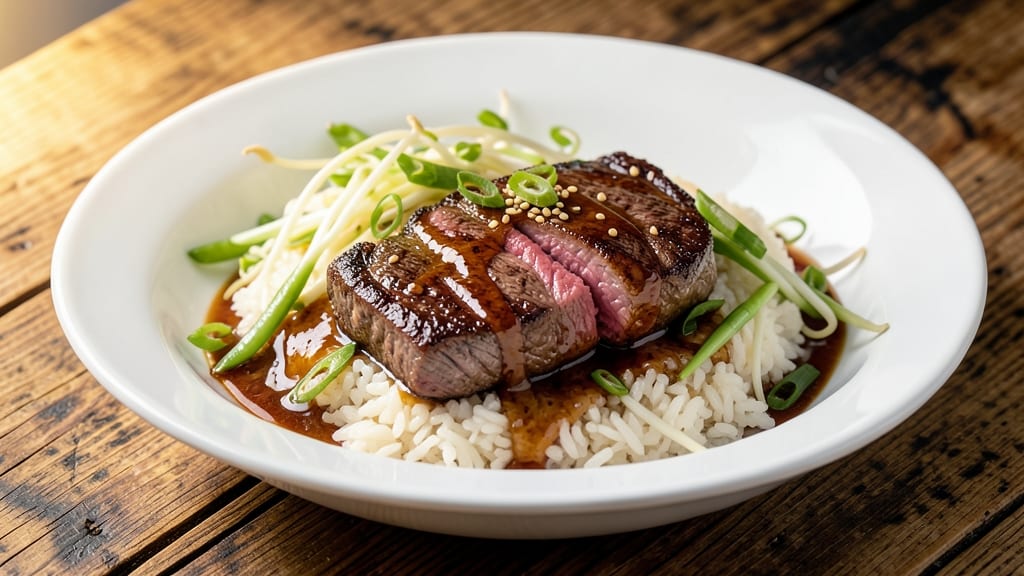
This beef teriyaki with bean sprouts recipe delivers restaurant-quality results with a perfect balance of caramelized beef and crisp-tender sprouts. The secret lies in marinating the beef overnight, then searing it to lock in juices before glazing with a rich, homemade teriyaki sauce.
I've perfected this dish over years of testing—it's foolproof yet impressive enough for dinner guests.
The teriyaki sauce combines traditional Japanese flavors with a modern twist, using a blend of soy sauce, mirin, and honey for depth and sweetness without being overly cloying. Meanwhile, the bean sprouts get a quick stir-fry to maintain their signature crunch while absorbing just enough sauce to complement the beef.
This method ensures every bite delivers both texture contrast and bold flavor.
What sets this dish apart is the caramelized crust on the beef—achieved through high-heat searing—and the way the teriyaki sauce clings to both the meat and sprouts, creating a harmonious bite.
Serve it over steamed rice for a complete meal, or pair with noodles for extra heartiness. The dish comes together in under an hour, making it ideal for weeknight dinners.
For an extra touch, garnish with toasted sesame seeds and sliced green onions right before serving. The aroma alone will have everyone at the table anticipating the first bite. Here's how to bring this dish to life in your kitchen.
Ingredients for beef teriyaki with bean sprouts
Restaurant-quality beef teriyaki relies on marbling, fresh sprouts, and balanced teriyaki sauce.
| Ingredient | Amount | Notes |
|---|---|---|
| Ribeye Steak 🥩 | 1 ½ lb | Thinly sliced against grain |
| Bean Sprouts 🌱 | 8 oz | Fresh, rinsed and drained |
| White Rice 🍚 | 1 ½ cups | Uncooked, long-grain preferred |
| Soy Sauce 🍶 | ½ cup | Low-sodium preferred |
| Mirin 🍶 | ¼ cup | Sweet cooking wine |
| Honey 🍯 | ¼ cup | Pure, light variety |
| Garlic Cloves 🧄 | 4 cloves | Minced for teriyaki sauce |
| Fresh Ginger 🌿 | 1 tbsp | Grated, finely chopped |
| Sesame Oil 🫒 | 1 tbsp | Toasted for aroma |
| Green Onions 🧅 | 4 whole | Sliced for garnish |
| Toasted Sesame Seeds 🌰 | 1 tbsp | For garnish |
| Vegetable Oil 🫒 | 2 tbsp | High smoke point |
| Salt 🧂 | 1 tsp | Kosher or sea salt |
| Black Pepper 🌶️ | ½ tsp | Freshly ground |
The ribeye is non-negotiable here—look for well-marbled cuts at your butcher or grocery store's meat counter. Costco or Whole Foods often have excellent pre-sliced options, but if buying whole, slice against the grain for tenderness. Bean sprouts should be bright and crisp—avoid wilted or yellowing ones. For the teriyaki sauce, Japanese-style mirin (not the sweetened kind) adds authentic depth, but dry sherry works in a pinch. Honey should be light to avoid overpowering the soy notes. Fresh ginger and garlic are essential for that authentic umami punch, so don't substitute with powders unless absolutely necessary.
No mirin? Substitute with 1 tbsp sugar plus 1 tbsp water—it won't be identical, but it'll work. Running short on soy sauce? Coconut aminos (like coconut secret) are a great 1:1 swap. The teriyaki sauce can be made a day ahead—store it in the fridge and stir well before using. For the sprouts, if you can't find fresh, frozen sprouts work (thaw and drain well first). The sesame oil is purely for aroma—don't cook with it—add it at the very end. And if you're feeling adventurous, swap the ribeye for flank steak or sirloin, but slice it extra thin.
Marinate the beef overnight for maximum flavor, but no longer than 24 hours—longer marinating can make the meat mushy. The teriyaki sauce keeps well in the fridge for 5-7 days, but the best flavor comes fresh. Bean sprouts stay crisp for 3-4 days in the fridge, but use them within 2 days for peak texture. If prepping ahead, cook the rice and store separately—it reheats beautifully. For leftovers, store everything in airtight containers with parchment paper between layers to prevent sogginess. The dish reheats well, though the sprouts may lose some crunch—best enjoyed fresh.
Why You'll Love This Recipe
- One-Pan Magic: That’s right—just one pan for the steak and sprouts, then rice in the same pot. No dishwasher pileup, no stress. The teriyaki sauce caramelizes right on the pan while the rice steams, so you’re basically doing the work of three dishes with one spatula.
- Sweet-Savory Fix: The ribeye stays juicy while the mirin and soy sauce create this glossy, slightly sticky glaze—like a hug for your taste buds. Bean sprouts add that crisp crunch, so you’ve got texture, depth, and that just-right sweetness without overpowering the beef.
- Lunchbox Hero: Pack it cold or reheat it—this holds up perfectly for leftovers. I’ve sent it in bento boxes, thrown it in lunchboxes, and even made it for date night (yes, it’s that good). The rice stays fluffy, the steak stays tender, and the sprouts? Still crisp enough to make you smile.
- Budget Boost: Ribeye might sound fancy, but you’re not buying a whole cut—just one steak for two meals. Stretch it further by slicing leftovers thin over rice for stir-fries or wraps. Honestly, it’s my go-to when I need a restaurant-quality meal without breaking the bank.
Step-by-step instructions for glazed caramelized beef with bean sprouts
Here's the method for perfectly tender ribeye strips coated in a rich teriyaki glaze, served over crisp bean sprouts.
Prepare the Teriyaki Sauce
In a small saucepan, combine the 0.5 cup soy sauce, 0.25 cup mirin, 0.25 cup honey, 4 cloves minced garlic cloves, and 1 tbsp finely grated fresh ginger. Bring to a gentle simmer over medium heat and cook for 5-6 minutes until the mixture reduces by about half and thickens slightly.
Real talk: You'll notice the sauce darken and develop a glossy sheen—this means the sugars are caramelizing, creating depth of flavor. Remove from heat and stir in 1 tbsp sesame oil to enhance aroma. Keep the sauce warm while you prepare the beef.
Cook the White Rice
Rinse the 1.5 cups white rice thoroughly under cold water until the water runs clear. This removes excess starch that can make the rice gummy. Combine the rice with 3 cups water in a pot and bring to a boil over high heat. Once boiling, reduce heat to low, cover, and simmer for 15 minutes without lifting the lid.
The rice should absorb all the water and become tender but still slightly firm to the bite. If any water remains, continue cooking for another 2-3 minutes. Remove from heat and let it steam covered for 5 minutes before fluffing with a fork. This resting period ensures even texture.
Sear and Glaze the Ribeye
Heat 2 tbsp vegetable oil in a large skillet over high heat until shimmering. Add the 1.5 lb thinly sliced ribeye steak in a single layer, being careful not to overcrowd the pan. Sear for 1-2 minutes per side until the edges are deep golden brown and the steak reaches medium-rare (about 130°F internally).
Remove the beef and set aside. Pour the prepared teriyaki sauce into the same skillet and bring to a simmer. Return the beef to the pan, spooning the sauce over it to coat completely. Cook for another 1-2 minutes until the sauce thickens and clings to the beef. Season with 1 tsp salt and 0.5 tsp black pepper.
Blanch and Assemble the Bean Sprouts
In a separate skillet, heat 1 tbsp vegetable oil over medium heat. Add the 8 oz rinsed bean sprouts and stir-fry for 2-3 minutes until they turn bright green and slightly wilted but still retain their crunch. Season with a pinch of salt and black pepper.
To assemble, divide the cooked white rice evenly among four plates. Top each serving with the glazed ribeye strips and blanched bean sprouts. Garnish with 4 sliced green onions and 1 tbsp toasted sesame seeds for added texture and aroma.
Serve Immediately
This dish is best served fresh while the beef is still warm and the bean sprouts retain their crispness. The teriyaki glaze should be glossy and sticky, clinging beautifully to each slice of beef. The contrast of the caramelized beef, tender rice, and crunchy sprouts makes every bite satisfying.
For extra flavor, drizzle any remaining teriyaki sauce from the pan over the top before serving. The combination of sweet, savory, and umami flavors in this dish is what makes it truly special.
Pro Tips For Making Beef Teriyaki With Bean Sprouts
- Cut Steak Against the Grain: Ribeye’s muscle fibers run long—slicing perpendicular to them makes every bite tender. Use a sharp knife and cut after resting the steak (yes, even if you’re impatient like me). Thin slices also absorb teriyaki better, so don’t skip this step unless you want chewy surprises.
- Blanch Sprouts First: Raw bean sprouts soak up teriyaki like a sponge, turning mushy. Give them a 30-second blanch in boiling water, then shock in ice water—this crisps them up and keeps their texture bright. Pro move: Toss them with a pinch of sugar afterward to balance the sauce’s saltiness.
- Reduce Teriyaki Slowly: After simmering soy sauce, mirin, and sugar, resist the urge to crank the heat. Low and steady for 8–10 minutes thickens the sauce without burning it. I learned this the hard way—once I rushed it and ended up with a gloppy mess instead of a glossy glaze.
- Rest the Steak Before Slicing: Ribeye needs 5–10 minutes under foil to redistribute juices. Skipping this means losing flavor and moisture to the cutting board. While it rests, prep the rice—double-check the water ratio (1:1.25 rice-to-water) so it’s fluffy and ready to soak up the teriyaki drippings.
Essential equipment for this recipe
Skillet Essentials
Your 12-inch cast iron skillet (like the Lodge Pre-Seasoned) is non-negotiable for this dish. The heavy material retains heat perfectly for searing the beef to that deep golden crust. I use mine daily—it develops a natural nonstick patina over time that makes future cooking even easier.
For the bean sprouts, a 10-inch nonstick skillet works well to prevent sticking while maintaining their crunch. 🔥
Sauce Simmering Setup
A small heavy-bottomed saucepan (I love my All-Clad Stainless Steel) is ideal for reducing the teriyaki sauce without burning the garlic or ginger. The wide base distributes heat evenly, preventing hot spots that could scorch your sauce.
If you don’t have one, a medium stainless steel saucepan works—but stir constantly to avoid sticking. A wooden spoon is perfect for stirring the sauce without scratching your pan.
Rice Cooking Tools
For perfect rice every time, I recommend either a dedicated rice cooker (like the Zojirushi) or a heavy-bottomed pot with tight-fitting lid. The rice cooker takes the guesswork out of timing and heat control, while the pot method gives you more control over the simmer.
If using a pot, a fine-mesh strainer helps rinse the rice thoroughly before cooking, removing excess starch that can make it gummy.
Knife and Cutting Board
A sharp 8-inch chef’s knife (I use Wüsthof) is essential for thinly slicing the ribeye against the grain—this ensures tender bites. Pair it with a cutting board (I prefer bamboo for its gentle surface).
For the bean sprouts, a small paring knife works well to trim any wilted ends before rinsing. A microplane comes in handy for finely grating the fresh ginger without pulping it.
Heat Control Must-Haves
Invest in a high-quality thermometer (like the ThermoWorks Thermapen) to monitor both the beef’s internal temperature and your skillet’s heat. This prevents overcooking the beef while ensuring the sprouts cook just enough to soften without losing crunch.
A kitchen timer (I use my phone’s, but a physical one works too) helps track the 5-6 minute sauce reduction and 15 minute rice cook time precisely.
Nutrition facts
Frequently asked questions
Can I substitute ribeye with another cut of beef?
Yes! Flank steak or sirloin work beautifully—just slice them thinly against the grain for maximum tenderness. For leaner cuts like chicken thigh, marinate for at least 2 hours instead of overnight to prevent drying. Avoid tough cuts like chuck roast, as they won't caramelize properly.
How do I keep the bean sprouts crispy?
Blanch them for just 2-3 minutes in a dry skillet over medium heat—no water needed! Stir constantly and season with a pinch of salt immediately. For extra crunch, add them to the dish right before serving. Pro tip: Rinse them thoroughly before cooking to remove excess moisture.
Can I make the teriyaki sauce ahead of time?
Store it in an airtight container in the fridge for up to 5 days or freeze for 3 months. Stir well before using—it thickens as it cools. For a quicker version, substitute with store-bought teriyaki sauce, but add 1 extra tbsp honey to balance the flavors.
What's the best way to reheat leftovers?
Reheat the beef and sauce together in a skillet over low heat for 2-3 minutes until warm. Keep the sprouts separate and warm in the microwave for 30 seconds to maintain their texture. Avoid reheating rice directly—it turns mushy. Store components separately in airtight containers.
Why did my teriyaki sauce turn too thick?
This happens when reducing too long or using too much honey. Thin with 1 tsp water or mirin while reheating. For next time, reduce the sauce for only 5 minutes and stir frequently. If it's still too thick, add ½ tsp cornstarch mixed with water as a last resort.