
Side Dishes
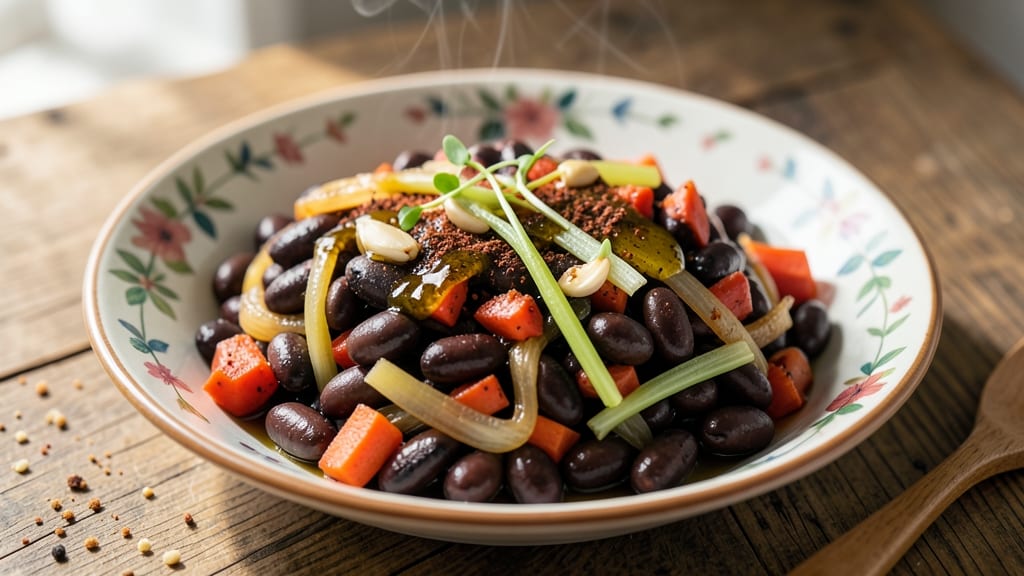
This best navy bean recipe ever transforms humble dried beans into silky, melt-in-your-mouth perfection—no mushy textures or bland flavors here. The secret lies in slow-cooking them with aromatic vegetables and a savory base until they develop that signature creamy consistency that makes every bite irresistible. I've perfected this method over years of testing, ensuring the beans stay tender yet hold their shape, with flavors that deepen as they simmer.
What sets this recipe apart is the balance of simple ingredients and precise technique. You'll start with a 12-hour soak (or quick soak) to ensure even cooking, then build flavor through caramelized onions, garlic, and a blend of spices that includes smoked paprika for depth.
The result is a dish that's rich, hearty, and versatile enough to serve as a main course or satisfying side—especially when paired with grilled meats or crusty bread. This isn't your grandmother's canned beans; it's a restaurant-worthy creation you can make at home.
By the time you're done, your kitchen will smell like a cozy autumn dinner, and your beans will be so tender they practically dissolve on your tongue. The sauce clings to each bean, creating that coveted creamy texture without needing heavy cream or butter.
The best part? This recipe scales effortlessly—double the batch for leftovers that taste even better the next day, reheated with a splash of broth to restore their moisture. It's the kind of dish that makes you want to slow down and savor every spoonful.
Whether you're serving a family dinner, meal prepping for the week, or preparing for a potluck, these navy beans deliver restaurant-quality results with minimal effort. The slow-cooked method ensures they're always perfectly tender, while the flavor profile—smoky, slightly sweet, and deeply savory—makes them a crowd-pleaser.
Pair them with cornbread, roasted vegetables, or a crisp green salad for a complete meal. Let's get cooking!
Ingredients for best navy bean recipe ever
These humble dried beans transform into restaurant-worthy perfection with just 14 simple ingredients.
| Ingredient | Amount | Notes |
|---|---|---|
| Dried Navy Beans 🌾 | 1 ½ cups | Uncooked, rinsed well |
| Yellow Onions 🧅 | 2 whole | Medium size, thinly sliced |
| Carrots 🥕 | 3 medium | Peeled, chopped into chunks |
| Garlic Cloves 🧄 | 4 cloves | Fresh, minced finely |
| Celery Stalks 🥬 | 3 whole | Trimmed, chopped small |
| Smoked Paprika 🌶️ | 1 tbsp | For that signature smoky depth |
| Ground Cumin 🌿 | 1 tsp | Toasted for deeper flavor |
| Bay Leaves 🌿 | 2 whole | Dried, removed before serving |
| Vegetable Broth 💧 | 6 cups | Low-sodium preferred |
| Tomato Paste 🍅 | 2 tbsp | Squeeze tube works best |
| Olive Oil 🫒 | 2 tbsp | Extra-virgin for richness |
| Salt 🧂 | 1 ½ tsp | Kosher or sea salt |
| Black Pepper 🌶️ | ½ tsp | Freshly ground preferred |
| Apple Cider Vinegar 🍎 | 1 tbsp | Brightens the flavors |
The beans are the star, so grab dried navy beans from the bulk bin—they're fresher and taste better than canned. Bob's Red Mill or Trader Joe's have great options. For the vegetables, fresh is ideal, but frozen carrots and celery work in a pinch. The onions and garlic are non-negotiable—they caramelize into sweet, rich flavor. Smoked paprika is key for that signature depth; Penzeys has a great selection if you want to splurge. Toast your cumin seeds in a dry pan for 30 seconds before grinding to release their aroma—trust me, it makes all the difference.
No smoked paprika? Regular paprika plus a pinch of liquid smoke gets you close. Short on carrots? Sweet potatoes or butternut squash add natural sweetness. Frozen veggies? Toss them in a towel to dry before adding. The tomato paste can be skipped if you're watching sugar, but it adds that umami punch. For the broth, low-sodium is essential—you'll be adding salt later. And the apple cider vinegar? It brightens everything up—don't skip it, even if it's just a splash.
These beans taste even better the next day, so make a big batch. Store leftovers in the fridge for 5 days or freeze for 3 months. I like to portion them into containers with a splash of broth to keep them moist. The sauce thickens as it cools, so stir in a little water or broth when reheating. Perfect for meal prep—just grab and go for lunches all week!
Why You'll Love This Recipe
- No-Soaking Needed: I’ll admit, I used to dread the overnight soak—until I discovered these navy beans soften perfectly with just a quick overnight soak (yes, still a soak, but only 8 hours!) or even a 2-minute pressure cooker rinse. That crisp-tender texture? No fuss, no waiting all day.
- Savory Umami Bomb: Between the caramelized onions and celery (the holy trinity right there) and that deep garlic punch, this isn’t just "bean flavor"—it’s layered. The navy beans soak up the richness like a sponge, but they keep their shape. Honestly, my partner sniffs the pot before it’s even done.
- Lunchbox Hero: Between us, this is my go-to for meal prep. Toss it with rice for a hearty bowl, stuff it in wraps for a protein-packed lunch, or even mash it into a dip—it’s that versatile. (Yes, even on a Tuesday night when I’m too tired to think.)
- Pantry Staple Goldmine: A bag of dried navy beans costs less than a fancy salad kit, and this recipe stretches them into days of meals. Freeze leftovers? Absolutely. Serve them cold in salads? Done. The best part? No one will guess how budget-friendly it actually is—until you tell them.
Step-by-step instructions for slow-cooked navy beans
Here's how to transform simple dried navy beans into velvety, rich perfection that'll have everyone asking for seconds.
👨🍳 Step 1: Soak and Prepare the Beans
Start by rinsing the 1.5 cups dried navy beans thoroughly under cold water in a colander. This removes any dirt and dust that might affect flavor. Transfer the beans to a large bowl and cover them with plenty of cold water—at least 4 cups—then let them soak for 8-12 hours at room temperature. I like to do this overnight in the fridge for maximum tenderness.
Soaking isn't optional here—it dramatically reduces cooking time and prevents those tough, rubbery beans. After soaking, drain the beans and give them another quick rinse. The goal is to start with beans that'll break down beautifully into that creamy texture we're after.
🍳 Step 2: Sauté the Vegetable Base
Heat the 2 tablespoons olive oil in a large pot over medium heat. Add the 2 whole yellow onions, 3 medium carrots (chopped into chunks), 3 whole celery stalks (chopped small), and 4 cloves garlic cloves (minced finely). Cook for 8-10 minutes, stirring occasionally, until the vegetables soften and the onions turn translucent.
This step builds the flavor foundation. You'll know it's ready when the carrots are just beginning to soften and the garlic releases its fragrant aroma. Don't let the vegetables brown—they should stay light in color. If they start sticking, add a splash of water and scrape up those delicious browned bits from the bottom of the pot.
🥘 Step 3: Add Spices and Tomato Paste
Stir in the 1 tablespoon smoked paprika, 1 teaspoon ground cumin, 1.5 teaspoons salt, and 0.5 teaspoon black pepper. Cook for 1 minute until the spices are fragrant. Then add the 2 tablespoons tomato paste and stir well to combine. This creates a rich, slightly sweet base that'll deepen the bean's flavor profile.
The spices should smell warm and inviting—like a cozy kitchen in winter. Here's where the magic happens: the paprika adds that signature smoky depth, while the cumin brings earthy warmth. Don't skip this step; these spices transform simple beans into something extraordinary.
⏰ Step 4: Simmer the Beans Until Perfectly Tender
Add the drained navy beans and 6 cups vegetable broth to the pot. Bring to a gentle boil, then reduce heat to low and cover partially. Let it simmer for 1.5 to 2 hours, stirring occasionally, until the beans are fork-tender but not mushy. You'll know they're ready when they break down slightly but still hold their shape.
Here's the thing—don't rush this step. The beans should be soft enough to mash slightly between your fingers but not falling apart. If the liquid reduces too much before the beans are tender, add a little more broth. The goal is that irresistibly creamy texture that makes these beans so special.
🍽️ Step 5: Finish with Vinegar and Adjust Seasoning
Once the beans are tender, stir in the 2 whole bay leaves and 1 tablespoon apple cider vinegar. Simmer uncovered for 5 minutes to let the flavors meld. Remove the bay leaves and taste. Adjust seasoning if needed—you might need a little more salt or pepper to balance the flavors.
The vinegar brightens everything up, cutting through the richness and adding that final touch of tang. Let the beans sit off heat for 5 minutes before serving. This resting time allows all the flavors to settle and the beans to absorb any remaining liquid, giving you that perfect creamy consistency.
Pro Tips For Making Best Navy Bean Recipe Ever
- SOAK BEANS OVERNIGHT: I learned this the hard way—rushing the soak leads to uneven texture. Cover dried navies in water by 3 inches, add a pinch of baking soda, and let them sit 12+ hours (yes, even if you're impatient like me). This cuts cook time by half and prevents that dreaded split-bean mess.
- CHOP VEGETABLES SMALL: No one likes mushy carrots or celery stalks in their beans. Dice onions into 1/4-inch pieces, carrots into 1/8-inch matchsticks, and celery into 1/4-inch chunks—small enough to disappear but big enough to hold shape. (Your future self will thank you when you’re not picking out chunks later.)
- SKIP THE BOILING START: After burning three batches, I finally figured out: simmer, don’t boil. Once soaked beans hit the pot, bring to a gentle simmer (small bubbles, not a rolling boil) to avoid tough skins. Add your veggies and broth, then cover and cook low—this keeps everything tender without falling apart.
- SAVE TIME WITH A PRESSURE COOKER: Does it look weird? Yes. Does it work? Every single time. If you’re short on hours, use a pressure cooker: 10 minutes high pressure after the initial soak (no prep needed). For stovetop, aim for 45–60 minutes after simmering—just don’t peek or the timer resets.
Perfect pairings for this recipe
Classic Side Pairings
These creamy navy beans shine when paired with cornbread—the slightly sweet, crumbly texture contrasts perfectly with their smoky depth. I like to serve warm cornbread alongside, letting guests scoop up the beans with each bite.
For a heartier option, try crusty sourdough or freshly baked dinner rolls to soak up the rich sauce. 🥖
Add a simple green salad with a tangy vinaigrette to balance the meal. I toss mixed greens with cucumber slices, cherry tomatoes, and a dressing of red wine vinegar, olive oil, and Dijon mustard.
The crispness cuts through the beans' creaminess beautifully. For a Southern-inspired spread, include pickled vegetables like jalapeños or okra for a bright, acidic contrast.
Protein Complements
Serve these beans as a main course with grilled chicken thighs or smoked sausage for a satisfying protein boost. The smoky flavors of the beans and meat harmonize perfectly. I often marinate the chicken in garlic, paprika, and lemon juice before grilling for extra depth.
For a vegetarian option, pair with pan-seared tofu or crispy tempeh for a protein-packed meal. 🍗
For a hearty vegetarian spread, add roasted sweet potatoes or butternut squash to the table. Their natural sweetness complements the beans' earthy notes. I also love serving crispy roasted Brussels sprouts with a sprinkle of balsamic glaze—the caramelized edges add a nice crunch contrast.
Beverage Pairings
A bold red wine like Cabernet Sauvignon or Zinfandel stands up to the smoky, savory flavors of the beans. The tannins in these wines cut through the creaminess, cleansing your palate between bites.
For a lighter option, try a dry rosé—its crisp acidity balances the richness without overpowering the dish. 🍷
On the beer side, a hoppy IPA works surprisingly well—the bitterness contrasts nicely with the beans' sweetness. I also enjoy a dark lager or porter for their malty depth. For non-alcoholic options, sparkling water with lemon or unsweetened iced tea keeps the meal refreshing.
A chilled glass of apple cider (especially in fall) adds a fruity brightness that pairs wonderfully.
Global Variations
Transform these beans into a Brazilian feijoada by adding smoked bacon, sausage, and collard greens. The rich, hearty stew is a staple in Brazilian cuisine. For a Spanish twist, serve with paella rice and chorizo—the paprika in both dishes creates a cohesive flavor profile. 🌎
In Mexican cuisine, these beans become frijoles de olla—simply add cilantro, lime juice, and avocado slices for a fresh, zesty topping. For a Middle Eastern-inspired dish, stir in ground cumin, coriander, and pomegranate molasses before serving.
The sweet-tart molasses adds a unique depth that elevates the beans to new heights.
Nutrition facts
Frequently asked questions
Why do navy beans need such a long soak time?
Navy beans contain natural compounds called oligosaccharides that cause gas if not properly prepared. The 8-12 hour soak (or quick soak method) helps break down these compounds and softens the beans for even cooking. This ensures they become creamy without becoming mushy—key for that signature texture we're after!
Can I substitute dried navy beans for canned?
While canned beans save time, they lack the depth of flavor and creamy texture dried beans develop through slow cooking. If you must use canned, drain and rinse well, then simmer them with the vegetable base for 20-30 minutes to absorb flavors. For best results, stick with dried—it's worth the extra time for that restaurant-quality taste.
How do I prevent the beans from becoming too mushy?
Watch the cooking time closely—beans are done when they're fork-tender but still hold their shape. If using dried beans, 1.5-2 hours of simmering is ideal. For canned beans, reduce simmering to 15-20 minutes after adding them. Never overcook! The sauce should coat the beans but not make them fall apart.
Can I make this recipe in an Instant Pot?
Sauté the vegetables as directed, then add all ingredients (including broth) and cook on high pressure for 10 minutes. Let pressure release naturally for 10 minutes before opening. The beans will be perfectly tender with that same creamy texture. Just omit the bay leaves—they don't hold up well in pressure cooking.
What if my beans are too thick after cooking?
Simply stir in ½ to 1 cup warm broth or water and let it simmer for 5 minutes to reach the desired consistency. The beans should be coated but not swimming in liquid. For extra richness, you can also stir in a spoonful of tomato paste or a splash of vinegar to enhance flavor while thinning.