
Side Dishes
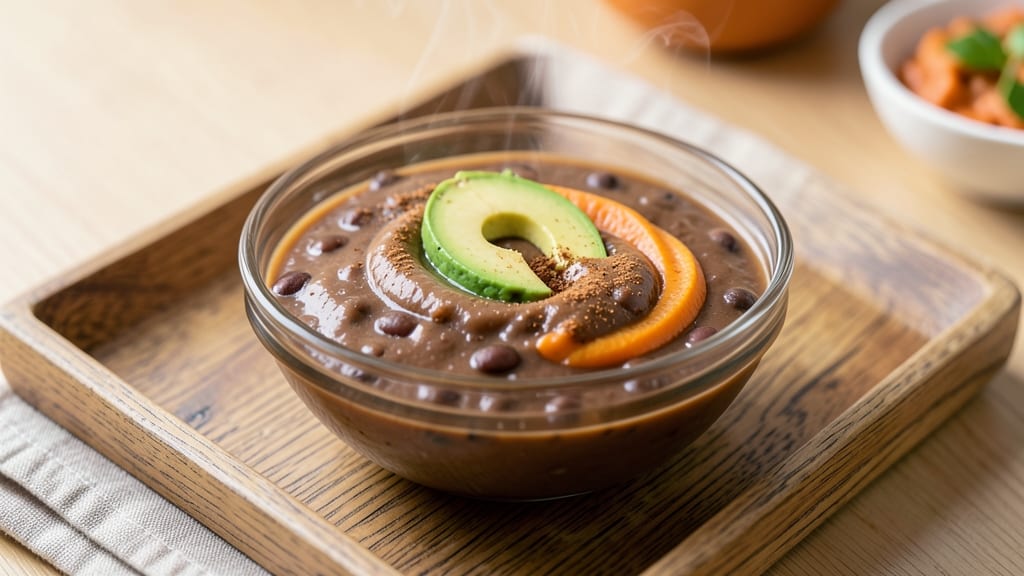
This black bean baby food recipe delivers a nutrient-packed, iron-rich puree in just 5 minutes—perfect for introducing babies (6+ months) to plant-based protein. Steaming preserves all the vitamins while creating a smooth, safe texture without added salt or sugar.
The simplicity makes it ideal for busy parents who prioritize wholesome, store-friendly meals.
What sets this recipe apart is its focus on gentle cooking methods that maintain both nutrition and safety. Black beans are steamed until tender, then blended into a velvety puree with just a splash of water or breastmilk for smoothness.
No special equipment is needed—just a pot, steamer basket, and blender. The result is a soft, easy-to-digest first food packed with fiber, iron, and plant-based protein.
This puree can be served immediately or stored in ice cube trays for 3-day portions, making it perfect for meal prep. The texture is ideal for spoon-feeding, and the mild flavor introduces babies to legumes without overwhelming them.
For variety, mix in sweet potato or avocado for extra nutrients. Safety first: always cool before serving and avoid honey for infants under 1 year.
Whether you're building a baby food pantry or testing new flavors, this recipe ensures quick, healthy, and fuss-free meals. The process is foolproof—no complicated steps, just wholesome nutrition. Let’s get started with a puree that’s as good for baby’s growth as it is for busy parents.
Ingredients for black bean baby food
Seven simple ingredients for a nutrient-dense puree—gentle on digestion, rich in iron.
| Ingredient | Amount | Notes |
|---|---|---|
| Dried Black Beans 🌱 | ½ cup | Rinsed thoroughly before steaming |
| Water 💧 | 2 cups | For steaming beans |
| Breastmilk or Water 💧 | ¼ cup | For blending smoothness |
| Sweet Potato (optional) 🍠 | ¼ cup | Diced small for variety |
| Avocado (optional) 🥑 | ¼ cup | Pitted and scooped |
| Organic Cinnamon 🌿 | ⅛ tsp | Optional for subtle flavor |
| Olive Oil 🫒 | ¼ tsp | For moisture retention |
Start with organic black beans—they're higher in antioxidants and easier to digest. Trader Joe's or Whole Foods carry excellent brands like 365 Organic or Dr. McDougall's. Rinse them thoroughly before steaming to remove any residual anti-nutrients. For the sweet potato or avocado additions, organic is ideal to avoid pesticide exposure. The optional cinnamon adds warmth without overpowering the mild flavor—stick to organic to avoid additives. If you're using breastmilk, ensure it's freshly expressed and cooled to room temperature before blending.
No sweet potato? Steamed carrot or pear work equally well for variety. Avocado too soft? Substitute mashed banana for creaminess, though it lacks the healthy fats. The olive oil is optional but helps retain moisture in storage. For a thicker puree, reduce the breastmilk or water to 0.125 cup—babies vary in preference. If you're concerned about texture, blend longer or add a splash more liquid until silky smooth. Always taste-test the temperature before serving—it should be lukewarm, not hot.
Store the puree in small portions—ice cube trays are perfect for single servings. Keeps fresh for 3 days in the fridge or 3 months in the freezer. Label with dates to track freshness. For reheating, warm gently in a small pot or microwave with a splash of water. Never reheat in a sealed container. If adding sweet potato or avocado, prepare them separately and blend only after cooling to prevent browning. This puree is ideal for 6+ month olds—introduce one new food at a time to monitor for allergies.
Why You'll Love This Recipe
- No-Fuss Overnight Soak: Soak the dried beans while you sleep—no last-minute prep, just wake up to prepped ingredients. I swear by this trick: toss them in water the night before, and by morning, they’re ready to simmer into silky baby food without the fuss of long soaking.
- Sweet Creamy Magic: That first spoonful of mashed black beans with a touch of breastmilk or water? Pure satisfaction. Add a bit of roasted sweet potato for natural sweetness, and suddenly, you’ve got a texture that’s velvety smooth—no gums or weird aftertastes.
- Budget Baby Food: A single batch of dried beans stretches into days of meals, and you’re not drowning in jars of overpriced store-bought purees. Honestly, I’ve fed my little one this for weeks, and the grocery bill hasn’t flinched—just beans, water, and maybe an avocado if I’m feeling fancy.
- Grows With Them: Start with just beans and water for the tiniest eaters, then level up with avocado or sweet potato as they get older. It’s the one recipe that adapts—no need to reinvent the wheel every few months. (Yes, even on a Tuesday night.)
Step-by-step instructions for nutrient-packed black bean baby puree
Transform simple ingredients into a smooth, iron-rich puree perfect for baby's first foods.
Prepare and Steam the Black Beans
Begin by rinsing the 0.5 cup dried black beans thoroughly under cold water to remove any debris. This step is crucial—it prevents gritty texture in the final puree. Transfer the rinsed beans to a small pot and cover with the 2 cups water. Bring to a boil over medium-high heat, then immediately reduce to low heat and simmer for 45-50 minutes until the beans are fork-tender.
Here's the thing—black beans need gentle heat to soften properly without breaking apart. You'll know they're ready when they mash easily between your fingers but still hold some shape. Drain any remaining water through a fine-mesh strainer, reserving the cooking liquid if needed for blending.
Cook the Sweet Potato (If Using)
While the beans steam, prepare the 0.25 cup diced sweet potato by placing it in a small microwave-safe bowl. Cover with a damp paper towel and microwave on high for 3-4 minutes until fork-tender. The sweet potato should collapse easily when pierced with a fork—this ensures a smooth texture in the final puree.
Watch the microwave closely after the first 2 minutes to prevent overcooking, which can make the puree too watery. If you're short on time, you could also steam the sweet potato alongside the beans, but microwaving gives you more control over the cooking time.
Blend Ingredients to Silky Smoothness
Transfer the cooked beans and sweet potato (if using) to a high-speed blender or food processor. Add the 0.25 cup breastmilk or water and the 0.25 tsp olive oil. The olive oil isn't just for flavor—it helps create a velvety texture and provides healthy fats for baby's development. Blend on high speed for 1-2 minutes until completely smooth.
If the mixture is too thick, add small amounts of breastmilk or water 1 tablespoon at a time until you reach a consistency that's easy for baby to swallow. For a thicker puree suitable for older babies, reduce the liquid slightly. The goal is a texture that coats the back of a spoon but isn't too runny.
Add Optional Flavor Enhancements
For babies over 6 months, stir in the 0.125 tsp organic cinnamon and 0.25 cup avocado (optional) if using. The cinnamon adds warmth without overpowering, while the avocado contributes healthy fats and a naturally sweet flavor. If using avocado, add it after blending the main ingredients and pulse briefly to incorporate—this prevents the puree from becoming too thick.
Real talk: the avocado should be ripe but not overly soft. Scoop it directly from the pit using a spoon to avoid adding excess seed or skin. For babies under 6 months, it's best to skip the cinnamon and stick with just the black beans, sweet potato, and olive oil for a gentler introduction.
Test Temperature and Store Properly
Before serving, always test the temperature by placing a small amount on your wrist—it should feel warm but not hot. This puree will keep in an airtight container in the refrigerator for up to 3 days or can be frozen in ice cube trays for up to 3 months. When reheating, warm gently in a small saucepan over low heat or in the microwave for 10-15 seconds, stirring well to prevent hot spots.
Your oven might run hot, so start checking at the 20-minute mark. The puree should be completely reheated to 165°F before serving. For babies starting solids, this puree provides a great source of plant-based protein, fiber, and iron—all essential nutrients for growth and development.
Pro Tips For Making Black Bean Baby Food
- SOAK BEANS OVERNIGHT: I learned this the hard way—rushing the soak with hot water just makes them tough. Use cold water, cover, and let them sit 12+ hours. No peeling or weird textures later, and they’ll mash smoother than if you tried to speed it up.
- STEAM SWEET POTATO FIRST: Skip the boiling—steam the sweet potato until fork-tender (about 15 minutes), then mash it directly into the beans. This keeps it creamy without adding extra water, and you avoid that sad, watery puree texture.
- MASH BEFORE ADDING LIQUID: After cooking, drain and mash the beans completely with a fork or potato masher before stirring in breastmilk or water. This prevents clumps and gives you control over the consistency—no lumpy surprises when you’re in a rush.
- HOLD OFF ON AVOCADO: Add avocado last, right before serving. It turns brown fast, and if you mix it in early, you’ll end up with a weird, mushy texture. Just mash a small amount in at the end for that fresh flavor.
Perfect pairings for this dish
Mild Flavor Boosters
Start with a pinch of organic cinnamon—just ¼ teaspoon—to add warmth without overpowering the natural earthiness of black beans. This spice is safe for babies over 6 months and introduces subtle flavors while masking any bitterness.
For a sweeter touch, blend in ¼ cup ripe avocado for healthy fats and creaminess. The avocado should be scooped directly from the pit to avoid adding excess seed or skin. 🥑
Texture Adjustments
For babies 6-8 months, aim for a smooth, spoonable consistency—like thick yogurt. If your puree is too thick, thin it with 1 tablespoon breastmilk or water at a time until it reaches the perfect texture.
For older babies (8+ months), you can leave it slightly chunkier or even mash it lightly for better texture exploration. Always test the temperature on your wrist before serving—it should feel lukewarm, not hot.
Nutrient-Packed Mix-Ins
Boost iron and vitamin A by adding ¼ cup steamed sweet potato or ¼ cup steamed carrot. These veggies blend seamlessly into the puree and add natural sweetness. For extra protein, stir in 1 tablespoon mashed white beans or 1 tablespoon cooked quinoa.
These additions keep the puree balanced and introduce variety without altering the mild flavor profile. 🌱
Storage-Friendly Additions
To prevent browning and maintain freshness, add ¼ teaspoon olive oil before storing. This helps preserve moisture and adds healthy fats for baby’s brain development. For longer storage, freeze the puree in ice cube trays—each cube makes a perfect single serving.
Label with dates and thaw overnight in the fridge before reheating. Avoid adding honey or salt, as these are unsafe for infants under 1 year old.
Serving Suggestions
Serve this puree as a standalone meal or mix it with mashed banana for natural sweetness. For a heartier option, pair it with steamed apple slices or whole-grain baby cereal.
If introducing solids, start with 1-2 teaspoons and gradually increase as baby gets comfortable. Always monitor for any signs of allergies, especially when introducing new ingredients like cinnamon or avocado. 💛
Reheating Tips
Reheat puree gently in a small saucepan over low heat or in the microwave for 10-15 seconds, stirring well to avoid hot spots. Never reheat in a sealed container, as moisture can build up and create an unsafe environment.
If the puree thickens upon reheating, add a splash of breastmilk or water to restore the ideal consistency. Always check the temperature before serving—it should reach 165°F to ensure safety. 🔥
Nutrition facts
Frequently asked questions
Can I use canned black beans instead of dried for baby food?
Yes, but with important adjustments! Canned beans are more convenient, but they contain added sodium and preservatives. Rinse thoroughly with cold water for 5 minutes to remove excess salt, then drain completely. Use 0.5 cup drained canned beans (about 1 cup before draining) to match the dried bean quantity. The texture will be slightly softer, so you may need 1-2 tablespoons less liquid when blending.
How do I know when black beans are soft enough for baby?
Beans should be fork-tender but not mushy—press one between your fingers. It should mash easily but still hold some shape. For dried beans, this takes 45-50 minutes of simmering. If using canned beans, they'll be ready after rinsing. Overcooking can make the puree too watery and harder to digest.
Is this puree safe for babies with reflux?
Yes, this recipe is gentle for reflux-prone babies because it avoids common triggers like citrus, tomatoes, or onions. The mild flavor and smooth texture are easy to digest. For extra caution, skip the cinnamon and avocado initially. Serve small portions (1-2 teaspoons) and wait 2-3 hours before offering more to monitor tolerance.
Can I make this puree ahead and freeze it?
Freeze in ice cube trays for perfect single servings. Let the puree cool completely before freezing, then transfer cubes to a labeled freezer bag. Thaw overnight in the fridge and reheat gently to 165°F. The texture may thicken slightly after freezing—just add a splash of breastmilk or water when reheating. Portions keep for 3 months in the freezer.
What if my baby rejects the texture?
Try these adjustments: For thicker textures, blend with less liquid or add 1 tablespoon mashed banana for creaminess. For chunkier versions, mash lightly instead of blending completely. Introduce new flavors gradually—start with just black beans before adding sweet potato or avocado. Some babies prefer warmer temperatures, so try serving slightly warmer than room temp.