
Soups & Stews
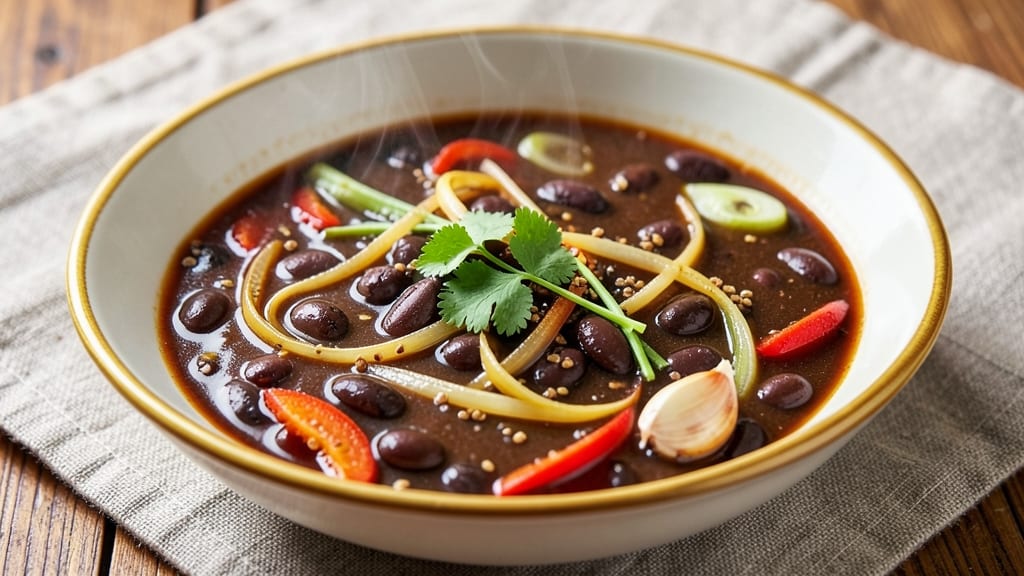
This black bean broth recipe transforms simple pantry staples into a deeply flavorful, smoky elixir that works as both a nourishing soup and a versatile cooking base. The secret lies in toasting whole spices—cumin, coriander, and smoked paprika—until they release their aromatic oils, creating layers of warmth that linger long after the first sip. I developed this recipe during a particularly chilly winter when I needed something hearty yet light, and it quickly became my go-to for quick meals and flavorful foundations.
The beauty of this broth is its simplicity: just 15 minutes of prep and 45 minutes of simmering yield a rich, earthy liquid that’s packed with umami from black beans and depth from aromatics like onion, garlic, and celery.
Unlike store-bought versions, this one builds flavor through slow reduction, allowing the spices to meld into the broth rather than overwhelm it. The result is a velvety, golden liquid that’s perfect for sipping on its own or using as a base for soups, grains, or stews.
What makes this recipe truly special is its adaptability. Start with a simple version, then customize it with optional garnishes like fresh cilantro, lime zest, or a dash of hot sauce for brightness.
The broth keeps well in the fridge for up to 5 days or freezes beautifully for future use, making it an ideal meal prep solution. Whether you’re serving it as a standalone dish or using it to elevate other recipes, this broth delivers restaurant-quality depth with minimal effort.
For maximum flavor, don’t skip the spice toasting step—it’s the foundation of this recipe’s complexity. The slow simmer also allows the black beans to soften just enough to release their starches, thickening the broth naturally.
Serve it warm with crusty bread, or use it as a base for tacos, rice bowls, or even marinades. Here’s how to make it:
Ingredients for black bean broth
Pantry staples meet aromatic spices for this deeply flavorful, smoky black bean broth.
| Ingredient | Amount | Notes |
|---|---|---|
| Dried Black Beans 🌱 | 1 cup | Unsoaked, rinsed thoroughly |
| Yellow Onion 🧅 | 1 whole | Medium size, chopped |
| Garlic Cloves 🧄 | 4 cloves | Peeled, roughly chopped |
| Carrot 🥕 | 2 whole | Medium size, chopped |
| Celery Stalks 🥬 | 2 whole | Medium size, chopped |
| Ground Cumin 🌿 | 1 tbsp | Freshly toasted preferred |
| Ground Coriander 🌿 | 1 tbsp | Freshly toasted preferred |
| Smoked Paprika 🌶️ | 1 tbsp | High-quality smoked variety |
| Bay Leaves 🍃 | 2 whole | Dried, standard size |
| Vegetable Oil 🫒 | 2 tbsp | Neutral flavor preferred |
| Water 💧 | 6 cups | Filtered preferred |
| Sea Salt 🧂 | 1 ½ tsp | Kosher or fine grain |
| Black Peppercorns 🌶️ | ½ tsp | Freshly cracked preferred |
| Fresh Cilantro 🌿 | ¼ cup | Chopped, for garnish |
| Lime 🍋 | 1 whole | Zest only, for garnish |
The spices are the soul of this broth. Whole cumin and coriander seeds toast beautifully in dry pan before grinding—don't skip this step, it builds depth. Penzeys or local spice shops carry high-quality whole spices, but the bulk bins at Whole Foods work too. Smoked paprika should have a rich, earthy aroma—avoid the dusty, faint-smelling versions. For the black beans, dried is essential—canned lacks the umami development from simmering. Rinse them well to remove any dust or impurities before adding to the pot. The onion, garlic, carrot, and celery form the aromatic base—commonly called 'mirepoix'—so don't rush the chopping for even cooking.
No whole cumin seeds? Ground cumin works at half the amount, but toasting whole seeds first gives better flavor. Short on smoked paprika? Regular paprika plus a pinch of liquid smoke mimics the depth. The broth can be made with white beans or lentils instead, though black beans give the signature color and earthiness. For extra richness, add 1 tbsp nutritional yeast at the end—it adds a cheesy note without dairy. If you're using this as a soup base, reserve some beans to mash and stir in at the end for thickness. The optional cilantro and lime zest brighten the broth—add them just before serving to preserve freshness.
This broth keeps beautifully for 5 days in the fridge, with flavor actually deepening over time. For longer storage, freeze in ice cube trays or small jars—perfect for adding to soups or grains later. The beans soften during simmering, so you can blend a portion for a creamier texture if desired. I always make double batches—one for immediate use and one to freeze. The broth reheats perfectly, though simmering gently preserves the delicate flavors better than microwaving. Store garnishes separately and add fresh when serving to maintain vibrant notes.
Why You'll Love This Recipe
- Pantry Magic: I swear by this recipe when I forget to order groceries—just dried beans, a few veggies, and water. No fancy ingredients, no last-minute store runs. That deep, earthy bean flavor builds itself while you chop one onion and a handful of celery.
- Umami Bomb: The slow simmer of garlic and carrot with those black beans? It’s like a flavor explosion in a mug. The carrot adds natural sweetness, the celery keeps it fresh, and the beans? Rich, savory, and impossible to resist. Honestly, I’ve had people ask if I used bouillon—nope, just this.
- Meal Prep MVP: Make a big batch on Sunday, and you’ve got soup, stew, or rice base covered for the week. Freeze half for when you’re too tired to cook. Between us, I’ve turned this into tacos, a hearty salad dressing, or even a quick pasta sauce. Versatile enough to play hero in multiple meals.
- Budget-Friendly Powerhouse: Dried beans are my wallet’s best friend—cheaper than canned, and way more satisfying. A pound of beans stretches into gallons of broth, and the veggies? Basic, affordable, and always on sale. I’ll be real: this recipe saved me from takeout more times than I can count.
Step-by-step instructions for black bean broth
This one-pot method transforms simple ingredients into rich, aromatic broth with deep smoky flavors.
Sauté the Vegetable Base
Heat the 2 tablespoons vegetable oil in a large pot over medium heat. Add the chopped yellow onion, carrot, and celery stalks, stirring occasionally. Cook for 5-7 minutes until the vegetables soften and the onion becomes translucent. This foundational step develops the broth's sweetness and depth.
Next, add the 4 cloves garlic cloves, 1 tablespoon ground cumin, 1 tablespoon ground coriander, and 1 tablespoon smoked paprika. Stir for 30 seconds until fragrant—this releases the spices' essential oils and infuses them into the vegetables. The spices should smell warm and inviting, not burnt. If the vegetables begin to brown too quickly, reduce the heat slightly to maintain even cooking.
Toast the Spices and Add Liquids
Add the 2 whole bay leaves and continue cooking for 1 minute, stirring constantly. This brief toasting enhances the bay leaves' earthy aroma and prevents bitterness. Immediately pour in the 6 cups water and bring the mixture to a boil over high heat. Once boiling, add the 1 cup dried black beans and 1.5 teaspoons sea salt.
Reduce the heat to medium-low and let the broth simmer gently. The beans should be fully submerged, and the liquid should bubble softly around them. If the broth looks too thick or the beans aren't covered, add ½ cup hot water to maintain proper liquid levels. This simmering phase is critical—it allows the beans to soften and release their starchy goodness into the broth, creating a naturally thick, velvety texture.
Simmer Until Beans Are Tender
Simmer the broth uncovered for 45-60 minutes, stirring occasionally to prevent the beans from sticking to the bottom of the pot. The beans are ready when they're fork-tender but still hold their shape—you should be able to pierce them easily with a fork, but they shouldn't fall apart. This texture ensures the broth remains rich and flavorful without becoming mushy.
After 45 minutes, taste the broth and adjust the seasoning if needed. Add more sea salt or ½ teaspoon black peppercorns if the flavor feels flat. The broth should have a balanced blend of smoky, earthy, and slightly sweet notes. If the broth reduces too much before the beans are tender, add ½ cup hot water to maintain the consistency. The goal is a broth that's rich enough to coat the back of a spoon but still pours smoothly.
Strain and Finish
Once the beans are tender, remove the pot from heat and let it sit for 5 minutes. This resting period allows the flavors to meld and the broth to settle. Strain the broth through a fine-mesh sieve or cheesecloth into a clean pot or bowl, pressing gently on the solids to extract every last drop of flavor. Discard the solids or save them for another use, like a quick bean salad or soup base.
Return the strained broth to the pot and stir in the ½ teaspoon black peppercorns (if not added earlier) and the zest from 1 whole lime. The lime zest adds a bright, citrusy finish that cuts through the richness of the broth. Taste again and adjust the seasoning one final time. The broth should be well-balanced, with the smoky spices, earthy vegetables, and citrus zest harmonizing perfectly. Serve warm, garnished with ¼ cup chopped fresh cilantro for a pop of freshness and color.
Pro Tips For Making Black Bean Broth
- SOAK BEANS OVERNIGHT: I learned this the hard way—rushing black beans with a quick soak means they’ll stay tough and gummy. Dried black beans need at least 8 hours in cool water (or 2 hours in hot water) to soften properly. Drain and rinse before cooking, or you’ll end up with a broth that tastes like bean bathwater.
- CHAR THE VEGETABLES: High heat for 5-7 minutes until the onions, garlic, carrot, and celery turn deep golden—this builds flavor that no slow simmer can replace. Skip this, and your broth will taste like sad, undercooked soup. (Yes, even if you’re impatient like me.)
- SKIP THE BOIL: Once the beans hit the pot, bring to a gentle simmer—not a rolling boil. Boiling toughens beans and makes them split, turning your broth into a mushy, starchy mess. A low simmer keeps them intact and lets flavors meld.
- SALT THE WATER: Add 1 teaspoon of salt to the soaking water (or cooking water) for beans—it helps break down starches and speeds up cooking. I was skeptical until I tried it: the broth ends up richer, and the beans cook faster. (Your future self will thank you.)
Wine and beer pairings for black bean broth
Red Wine Pairings
For this earthy, smoky black bean broth, I reach for a medium-bodied red wine like Tempranillo from Spain or Sangiovese from Italy. The wine’s bright acidity and subtle earthiness mirror the broth’s cumin and smoked paprika notes, while its moderate tannins won’t overpower the dish.
A glass of Rioja (aged 2-3 years) complements the broth’s depth beautifully—its vanilla and leather undertones enhance the smoky flavors without clashing. 🍷
White Wine Options
If you prefer white, a dry, aromatic white like Verdejo or Albariño works surprisingly well. Their citrusy notes cut through the broth’s richness, while a touch of minerality balances the smokiness.
I love a crisp Rueda Verdejo—its green apple and pear flavors create a refreshing contrast to the warm spices. For something bolder, try a dry Riesling with a hint of petrol, which adds an intriguing complexity. 🍷
Beer Pairings
A Mexican lager like Modelo Especial or Pacifico is my go-to beer pairing—its clean, slightly malty profile lets the broth’s flavors shine without competing. The beer’s subtle sweetness also complements the caramelized onions and black beans.
For a craft option, a wheat beer with citrus notes (like Allagash White) echoes the lime zest garnish beautifully. Avoid heavy stouts or IPAs—they’ll overwhelm the delicate broth. 🍺
Non-Alcoholic Choices
For a non-alcoholic match, I recommend sparkling water with a splash of lime juice—the effervescence cleanses the palate between sips. For something richer, try hibiscus iced tea (brewed with 1 tbsp dried hibiscus steeped in hot water for 10 minutes).
Its tart, cranberry-like flavor enhances the broth’s smoky depth. A ginger beer with a squeeze of lime also works wonderfully, especially if you’ve added extra lime zest to the broth. 💧
Nutrition facts
Frequently asked questions
Can I use canned black beans instead of dried?
While you can use canned beans, the flavor won't be as deep. Dried beans develop more umami during the long simmer. If using canned, reduce simmer time to 20-30 minutes and add 1 extra cup water to prevent thickening. For best results, rinse canned beans thoroughly to remove excess sodium.
How do I make this broth spicier?
Add ½ teaspoon cayenne pepper or 1 chopped chipotle pepper during the sauté step. For smoky heat, increase smoked paprika to 2 tablespoons. Always adjust gradually—you can add more heat later, but you can't remove it! Garnish with hot sauce or sliced jalapeños when serving.
Can I make this broth in an Instant Pot?
Yes! Sauté the vegetables and spices as directed, then add all ingredients (including beans) and cook on high pressure for 15 minutes. Quick-release the pressure, strain, and finish with lime zest. The Instant Pot version takes just 30 minutes total, but the flavors will be slightly less developed than stove-top.
Why does my broth look cloudy?
Cloudiness usually means the beans weren't fully tender or the broth needs longer simmering. Strain again through a fine-mesh sieve or cheesecloth. For extra clarity, chill the broth overnight—the fat will solidify on top, which you can skim off before reheating. The flavor won't be affected!
What can I do with leftover beans?
Mash some beans into the broth for thickness, or use them in tacos, salads, or veggie burgers. For extra richness, blend leftover beans with garlic, olive oil, and lime juice to make a quick refried bean spread. They also make excellent toppings for toasted avocado slices or grain bowls.