
Main Courses
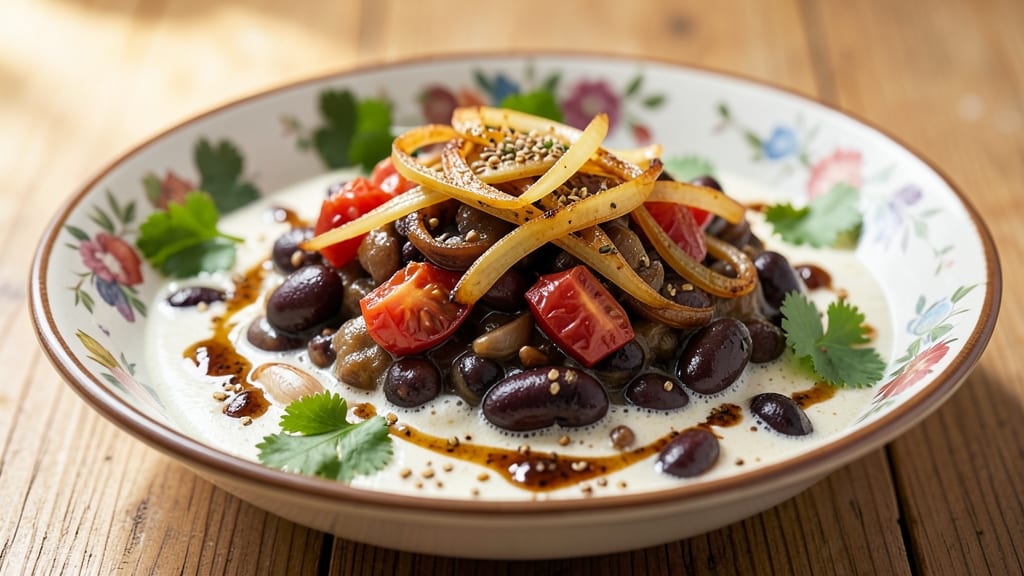
This black bean dahl recipe transforms simple ingredients into a velvety, spice-infused masterpiece that rivals traditional lentil dahls. The secret lies in slow-simmered tomatoes and coconut cream, creating a rich, creamy texture that balances earthy black beans and aromatic spices.
I developed this version after years of perfecting Indian-inspired dishes, ensuring every spoonful delivers depth without being overly heavy.
The foundation begins with tempering whole spices in hot oil—a technique that unlocks their full potential. Cumin seeds, bay leaves, and mustard seeds sizzle until fragrant before meeting the tomatoes, which break down into a jammy base.
Black beans add hearty protein and texture, while coconut cream lends a luxurious creaminess without dairy. The result is a dish that's both comforting and sophisticated, perfect for serving over basmati rice or with warm naan.
What sets this recipe apart is its versatility—serve it as a main course with rice, or as a side with grilled meats or roasted vegetables. The tamarind paste adds a subtle tang that brightens the dish, while fresh cilantro and toasted cumin garnishes elevate the presentation.
Each bite offers a harmonious blend of spice, creaminess, and earthy bean flavor, making it a standout addition to any meal.
Ready in about 45 minutes, this dahl requires minimal hands-on time but delivers maximum flavor. The slow simmer allows spices to meld and develop, creating a depth that's impossible to rush.
Whether you're a seasoned home cook or new to Indian cuisine, this recipe delivers restaurant-quality results with simple techniques. Let's create this flavorful centerpiece for your table.
Ingredients for black bean dahl
Simple pantry staples and aromatic spices create this velvety black bean dahl masterpiece.
| Ingredient | Amount | Notes |
|---|---|---|
| Black Beans 🫘 | 1 ½ cups | Cooked or canned, drained |
| Coconut Cream 🥥 | 1 cup | Full-fat for richness |
| Canned Crushed Tomatoes 🍅 | 15 oz | San Marzano preferred |
| Tamarind Paste 🍋 | 1 tbsp | Adjust for tang preference |
| Yellow Onion 🧅 | 1 whole | Diced, medium size |
| Garlic Cloves 🧄 | 4 cloves | Minced for even distribution |
| Ginger Root 🌿 | 1 tbsp | Freshly grated |
| Cumin Seeds 🌶️ | 1 tbsp | Toasted until fragrant |
| Mustard Seeds 🌶️ | ½ tbsp | Whole, for tempering |
| Bay Leaves 🍃 | 2 whole | Fresh preferred |
| Ground Coriander 🌿 | 1 tbsp | For earthy depth |
| Turmeric Powder 🌶️ | 1 tsp | Freshly ground preferred |
| Garam Masala 🌶️ | 1 tsp | Homemade or quality blend |
| Fresh Cilantro 🌿 | ¼ cup | Chopped, for garnish |
| Extra-Virgin Olive Oil 🫒 | ½ cup | For tempering spices |
| Salt 🧂 | 1 ½ tsp | Adjust to taste |
The coconut cream is non-negotiable here—full-fat canned versions like Goya or Thai Kitchen deliver the best texture. Black beans should be rinsed if canned to remove excess sodium. For tamarind paste, Trader Joe's or Indian markets have the best quality—avoid the powdered versions. The crushed tomatoes? San Marzano is ideal, but any good-quality canned tomatoes work. Toast your whole spices in a dry pan until fragrant before adding oil—this unlocks their full flavor potential. If you can't find whole cumin or mustard seeds, ground versions work in a pinch, but the texture and aroma won't be identical.
No tamarind paste? Lemon juice at half the amount mimics the tang, though it won't be identical. Running short on coconut cream? Substitute with cashew cream (soak 1 cup cashews overnight, blend with water) or even a splash of coconut milk plus a spoonful of cornstarch slurry. Fresh ginger is best, but ground ginger at one-third the amount works if you're in a hurry. The garam masala blend matters—Madras or Everest brands are reliable. For a quicker version, use pre-ground spices, but toast them first to revive their flavors. The cilantro can be swapped for parsley if you prefer a milder taste, though it loses that signature Indian brightness.
This dahl tastes even better the next day as flavors meld. Store in an airtight container in the fridge for up to 5 days. For longer storage, freeze portions for 3 months. I like to make a double batch—one for immediate meals and one to freeze. When reheating, add a splash of water or coconut milk to restore creaminess. Garnish with extra cilantro and a sprinkle of toasted cumin seeds before serving for that restaurant-quality finish. The spices lose potency after opening, so store them in a cool, dark place and replace every 6 months for optimal flavor.
Why You'll Love This Recipe
- Pantry Powerhouse: I swear by this recipe when I’ve got nothing but a few cans and spices. Black beans, crushed tomatoes, and coconut cream? That’s my go-to when I’m too tired to shop but still want something rich and satisfying. The tamarind paste adds that tangy depth without extra effort—just stir it in and let the flavors meld.
- Tamarind Tang Magic: Between us, tamarind is underrated. That little paste transforms this dish into something complex and addictive—sweet, sour, and just a little funky. It’s the secret weapon that makes this black bean dahl taste like a restaurant dish, not a weeknight hack. (Yes, even on a Tuesday night.)
- Meal Prep MVP: This dahl keeps like a champ in the fridge for four days, and the flavors only get better. I double the batch on Sundays, freeze half, and boom—homemade dinner on busy nights. The coconut cream keeps it creamy even after reheating, and the beans hold their shape. No sad, mushy leftovers here.
- Budget-Friendly Luxe: Honestly, this recipe costs me about $3 for a full pot. Canned beans, crushed tomatoes, and coconut cream stretch far, and tamarind paste lasts forever. It’s the kind of dish that makes me feel fancy without breaking the bank—especially when paired with rice or naan. My wallet and taste buds both win.
Step-by-step instructions for black bean dahl
Here's how to create a velvety, spice-infused black bean dahl with perfect balance and depth.
Temper the Spices in Olive Oil
Heat the 0.5 cup extra-virgin olive oil in a heavy-bottomed pot over medium-low heat. Add the 1 tbsp cumin seeds and 0.5 tbsp mustard seeds, stirring constantly for 1-2 minutes until the cumin seeds begin to sizzle and release their aroma. This is where the foundation of flavor develops—watch for the seeds to darken slightly and pop.
Immediately add the 1 tbsp ground coriander, 1 tsp turmeric powder, and 1 whole yellow onion that's been diced into even ¼-inch pieces. Stir for 3-4 minutes until the onions soften and become translucent. The spices should now be fragrant and evenly distributed throughout the oil, creating a rich base for the dahl.
Build the Flavor Base with Aromatics
Add the 4 cloves garlic cloves that have been minced and the 1 tbsp ginger root that's been freshly grated. Cook for 1-2 minutes until the garlic turns golden and the ginger loses its raw bite. This is critical—overcooking will make them bitter. Next, stir in the 2 whole bay leaves and cook for an additional 30 seconds to infuse their earthy notes.
Pour in the 15 oz canned crushed tomatoes and 1 tbsp tamarind paste, stirring well to combine. Bring the mixture to a gentle simmer over medium heat, then reduce the heat to low. Let it cook uncovered for 10 minutes, stirring occasionally, until the tomatoes break down and the mixture thickens slightly. This step develops the tangy, complex base that defines the dahl.
Incorporate Black Beans and Simmer
Add the 1.5 cups black beans (cooked or canned and drained) and 1.5 tsp salt to the tomato mixture. Stir gently to combine, then pour in the 1 cup coconut cream. The mixture will appear thin at first, but don't worry—it will thicken as it simmers. Bring the dahl to a gentle simmer over medium heat, then reduce the heat to low.
Let the dahl cook uncovered for 15-20 minutes, stirring occasionally, until it reaches your desired consistency. You're looking for a thick, creamy texture that coats the back of a spoon. If it's too thick, add 2-3 tablespoons of water to loosen it. The beans should be tender but still hold their shape, and the flavors should meld into a harmonious blend.
Finish with Garam Masala and Rest
Remove the pot from heat and stir in the 1 tsp garam masala. This final spice blend adds warmth and complexity to the dahl. Let it sit off the heat for 5 minutes to allow the flavors to fully integrate. The garam masala should dissolve completely, and the dahl should have a rich, aromatic scent that fills your kitchen.
Taste and adjust the seasoning if needed, adding more salt or tamarind paste as necessary. The dahl should be well-balanced, with the tanginess of the tamarind complementing the richness of the coconut cream and the earthy spices. Remove the bay leaves before serving, as they can be quite bitter.
Garnish and Serve
Transfer the black bean dahl to a serving bowl and let it rest for 5 minutes to allow any remaining flavors to meld. Garnish with the 0.25 cup fresh cilantro that's been chopped into fine pieces. The cilantro adds a bright, fresh contrast to the rich, spiced dahl and enhances its visual appeal.
Serve the dahl hot with steamed basmati rice, warm naan bread, or over a bed of quinoa. Each spoonful should deliver a perfect balance of creamy coconut, tangy tamarind, and earthy spices, with the black beans adding hearty texture. The dahl should be smooth, velvety, and deeply flavorful, making it a satisfying and comforting dish.
Pro Tips For Making Black Bean Dahl
- Sauté Onions Until Golden: The onion’s job isn’t just to flavor—it’s to build depth. Cook the diced yellow onion in oil over medium heat until it’s not just soft but golden brown, about 8-10 minutes. I used to rush this and end up with a dish that tasted flat; patience here makes all the difference when paired with the tamarind’s tang.
- Soak Beans for 2 Hours: Drain and rinse the black beans, then soak them in warm water for at least 2 hours before cooking. This cuts down on the simmering time later and keeps the beans from breaking apart into mush—especially important when you’re blending them into a creamy dahl. (Yes, even if you’re impatient like me.)
- Dilute Tamarind Paste First: Tamarind paste is thick and stubborn. Instead of scraping it directly into the pot and struggling to dissolve, mix it with a splash of warm water first—about 2 tablespoons per 1 tablespoon of paste. Stir it into the tomatoes early so it blends smoothly; otherwise, you’ll end up with clumpy, bitter pockets.
- Simmer Low and Slow: After adding the coconut cream, resist the urge to crank the heat. Let the dahl simmer at a gentle bubble for at least 20 minutes—this lets the flavors meld without curdling the cream. I learned this the hard way when my first batch separated like a sad salad dressing.
Pro cooking tips for this recipe
Spice Tempering Secrets
Start by toasting whole spices in 0.5 cup extra-virgin olive oil over medium-low heat until they sizzle and pop—this unlocks their full aroma. I use a heavy-bottomed pot (like All-Clad) to prevent burning.
Add 1 tbsp cumin seeds first, then 0.5 tbsp mustard seeds—they should darken slightly before adding other spices. This step takes just 1-2 minutes but builds the foundation of flavor. 🌶️
Tomato Breakdown Trick
For that jammy tomato base, simmer 15 oz crushed tomatoes with 1 tbsp tamarind paste uncovered for 10 minutes on low heat. The acidity from tamarind helps break down the tomatoes faster while balancing sweetness.
Stir occasionally to prevent sticking—this is where the dahl’s depth develops. Skipping this step makes the sauce taste flat.
Creamy Texture Control
When adding 1 cup coconut cream, stir gently to avoid curdling. Simmer uncovered for 15-20 minutes on low heat—this lets excess moisture evaporate naturally. If it thickens too much, add 2 tbsp water gradually.
For extra richness, whisk in 1 tbsp cashew butter at the end (trust me, it’s a game-changer).
Garam Masala Timing
Always add 1 tsp garam masala off the heat to preserve its delicate flavors. Let it steep for 5 minutes—this allows the spices to bloom without burning. If you add it too early, the heat can turn it bitter.
Pro tip: Toast the garam masala in a dry pan for 30 seconds before adding to intensify its aroma. ✨
Bean Texture Mastery
Use canned black beans (drained and rinsed) for convenience, but dried beans (soaked overnight) add better texture. For chunkier dahl, leave beans whole; for smoother, mash ¼ cup lightly with a fork. Overcooking turns them mushy—aim for tender but firm. A quick taste test ensures perfect doneness.
Garnish Like a Pro
Finish with 0.25 cup chopped cilantro and a sprinkle of toasted cumin seeds for color and crunch. For extra flair, drizzle with 1 tsp chili oil or a swirl of yogurt** (if not vegan).
Garnishes should complement, not overpower—they’re the final touch that makes your dahl look (and taste) restaurant-worthy. 💫
Nutrition facts
Frequently asked questions
Can I make this black bean dahl without coconut cream?
Yes! For a lighter version, substitute with ½ cup cashew cream (blend soaked cashews with water) or ¼ cup Greek yogurt (if not vegan). For extra richness, blend ½ cup cooked white beans with water for a neutral-tasting thickener. The texture will be slightly different but still delicious.
How do I adjust the spice level for sensitive eaters?
Reduce the cumin and mustard seeds to ½ tbsp each, and omit the garam masala initially. Add it back only if needed, starting with ½ tsp. For heat, add ¼ tsp cayenne at the end instead of increasing other spices. Taste as you go—you can always add more, but you can't remove excess spice.
What's the best way to store leftovers?
Let the dahl cool completely, then transfer to an airtight container. It keeps in the fridge for 5 days, or freeze for 3 months. Reheat gently on low heat with 1-2 tbsp water to restore creaminess. The flavors actually improve overnight as spices meld!
Can I use other beans instead of black beans?
Try kidney beans (for earthy flavor) or chickpeas (for creamier texture). For lighter dahl, use white beans or lentils. Adjust cooking time—beans need 15-20 minutes to soften, while lentils cook faster (10 minutes). Drain and rinse canned beans first to reduce sodium.
Why did my dahl turn out too thin?
This usually happens from one of three things: not enough simmering time, too much liquid added, or using low-fat coconut milk. Fix it by simmering uncovered for 10-15 extra minutes to reduce, or stir in 1 tbsp cornstarch mixed with 2 tbsp water until thickened. For prevention, use full-fat coconut cream and simmer longer next time.