
Sauces & Condiments
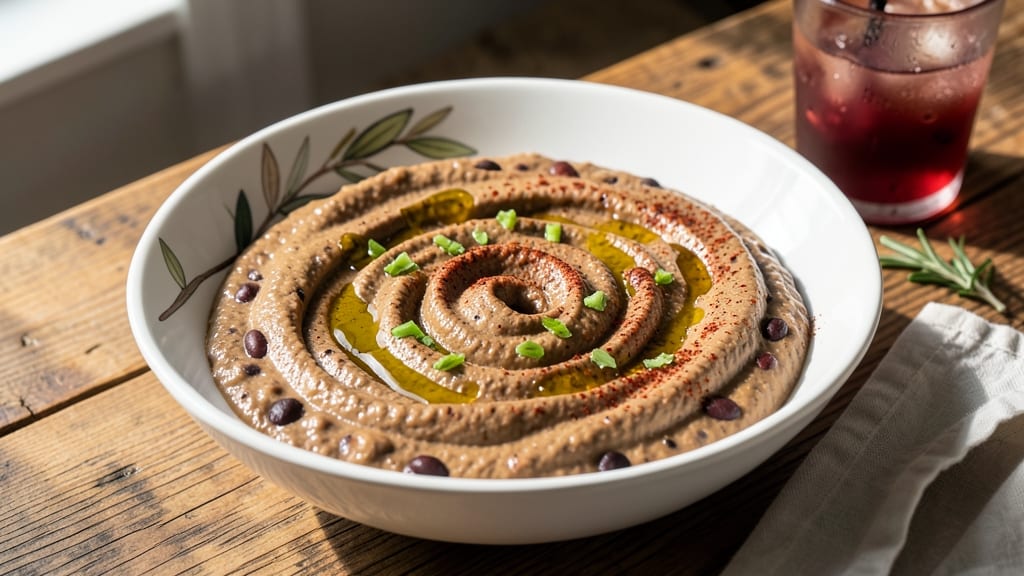
This vegan black bean hummus transforms simple pantry staples into a smoky, creamy dip that’s packed with protein and texture in just 10 minutes.
The secret lies in balancing black beans, tahini, and lime zest—creating a spread that’s rich, slightly tangy, and perfect for everything from veggie platters to sandwiches.
I developed this recipe after realizing how much I missed hummus when plant-based options felt limited, and it’s become a staple in my kitchen for its depth of flavor without any compromise.
The beauty of this recipe is its foolproof texture—no graininess, no separation, just a smooth, spreadable consistency that clings beautifully to crackers or bread. Smoked paprika and cumin add warmth, while lime zest brightens every bite, making it a versatile condiment for any meal.
Unlike traditional chickpea hummus, the black beans bring a heartier, earthier base that stands up to bold flavors without overpowering them.
What makes this hummus truly special is how it elevates simple ingredients into something restaurant-worthy. The tahini adds creaminess, olive oil ensures richness, and a touch of garlic keeps it vibrant.
It’s the kind of recipe that proves vegan doesn’t mean boring—just look at how it transforms a basic snack into a bold, satisfying experience. Plus, it stores beautifully in the fridge for up to a week, so you’ll always have a flavorful option on hand.
Whether you’re hosting a gathering, prepping for meal prep, or just craving a quick, flavorful snack, this hummus delivers. The 10-minute prep time makes it perfect for weeknights, while the adaptable flavor profile lets you customize it with your favorite herbs or spices.
Let’s get started—your taste buds (and leftovers) will thank you.
Ingredients for black bean hummus recipe vegan
Here's what transforms simple pantry staples into a restaurant-worthy vegan black bean hummus.
| Ingredient | Amount | Notes |
|---|---|---|
| Black Beans 🫘 | 1 ½ cups | Cooked or canned, drained and rinsed |
| Tahini 🥜 | ½ cup | Sesame paste, high-quality preferred |
| Extra-Virgin Olive Oil 🫒 | ⅓ cup | Lightly fruity for balance |
| Lemon Juice 🍋 | 3 tbsp | Freshly squeezed, seeds removed |
| Lime Zest 🍈 | 1 tbsp | Bright, finely grated |
| Smoked Paprika 🌶️ | 1 tsp | For deep smoky flavor |
| Ground Cumin 🌿 | ½ tsp | Toasted for warmth |
| Garlic Cloves 🧄 | 2 cloves | Roasted for mellow sweetness |
| Sea Salt 🧂 | ½ tsp | Fine grain for balance |
| Water 💧 | ¼ cup | For ideal consistency |
The black beans are the heart of this recipe—canned is fine, but if you can find dried, soak them overnight for deeper flavor. Trader Joe's and Whole Foods carry high-quality tahini that makes all the difference (the stuff in tiny jars at regular grocery stores works too, but lacks richness). For the lime zest, grab organic limes if possible—they're brighter and more aromatic. The smoked paprika? Penzeys is my go-to for quality, but any good brand will do. Toast your cumin seeds lightly in a dry pan before grinding for an extra layer of warmth.
No tahini? Substitute with peanut butter at the same amount, though the flavor will shift slightly. Short on lime zest? Lemon zest works in a pinch, but it won't have that same citrusy punch. The garlic can be raw, but roasting it first (400°F for 10 minutes) gives it a sweet, mellow flavor that blends beautifully. For extra crunch, add toasted pine nuts or pumpkin seeds at the end—just 2 tablespoons will do. If your hummus turns out too thick, add water 1 teaspoon at a time until it reaches that perfect spreadable consistency.
This hummus keeps beautifully in an airtight container in the fridge for up to 7 days. For maximum freshness, press plastic wrap directly onto the surface before sealing. Freezes well too—portion into ice cube trays for perfect single-serving amounts. The flavor actually improves over time as the spices meld together. Store any extra olive oil separately in a small jar to preserve its freshness. When ready to serve, give it a quick whisk with a fork to restore that silky texture—no lumps, no graininess, just pure creamy goodness.
Why You'll Love This Recipe
- No Blender Hassle: I’ll be real—this hummus only needs a fork and a bowl. Mash those black beans right in the can, stir in tahini and olive oil, and boom—creamy texture without the cleanup. (Yes, even on a Tuesday night.)
- Tahini-Lime Magic: That bright citrus hit from the lime zest and lemon juice cuts through the earthiness of the beans, while the tahini adds this nutty richness. It’s not sweet, not bland—just ridiculously good with every bite.
- Party in a Bowl: Serve it as a dip, smear it on sandwiches, or dollop it over tacos—this stuff works everywhere. Honestly, I’ve even used it as a vegan mayo sub in burgers, and no one ever questions it.
- Budget Meets Protein: A single can of black beans and a jar of tahini stretch this recipe for days. Store leftovers in the fridge for up to five days, and trust me—you’ll find reasons to eat it all week. (Protein-packed, too.)
Step-by-step instructions for black bean hummus
Here's how to blend these ingredients into a velvety, smoky-sweet hummus that's rich, tangy, and packed with texture.
Roast the Garlic for Sweet Depth
Preheat your oven to 375°F. Wrap the 2 cloves garlic cloves tightly in a small piece of aluminum foil, then place them directly on the oven rack. Roast for 15-20 minutes until golden and fragrant—their sweetness will mellow into the hummus instead of overpowering it with raw bite.
This roasting step transforms the garlic from sharp to caramelized, creating a subtle sweetness that balances the smoky spices. If you're short on time, you can sauté the garlic in 1 tablespoon of the extra-virgin olive oil over low heat for 5 minutes instead, but roasting delivers the best flavor.
Blend the Base Ingredients
In a food processor, combine the 1.5 cups black beans, 0.5 cup tahini, 0.33 cup extra-virgin olive oil, 3 tablespoons lemon juice, and 0.5 teaspoon sea salt. Process on high speed for 2-3 minutes, scraping down the sides as needed, until completely smooth. The mixture should look like thick, creamy yogurt with no visible bean chunks.
This step is where the magic happens—the tahini and olive oil emulsify with the beans to create that signature hummus texture. If the mixture feels too thick, add 1-2 tablespoons of water to loosen it slightly. The goal is a smooth, spreadable consistency that still holds its shape when served.
Add Aromatics and Spices
Once the base is smooth, add the roasted garlic cloves (peeled), 1 tablespoon lime zest, 1 teaspoon smoked paprika, and 0.5 teaspoon ground cumin. Pulse the food processor 3-4 times to incorporate these ingredients without over-blending. The lime zest will add a bright citrus crunch, while the smoked paprika and cumin deepen the earthy, smoky flavor profile.
Taste at this stage and adjust seasoning if needed. You might want to add a pinch more salt or a splash of lemon juice to balance the flavors. The hummus should be tangy, slightly sweet, and deeply aromatic—like a cross between a classic hummus and a smoky, zesty dip.
Adjust Consistency and Serve
If the hummus is too thick after adding all the spices, thin it with the remaining 0.25 cup water, 1 tablespoon at a time, until it reaches a spreadable consistency. It should coat the back of a spoon but still hold its shape when dolloped. For extra texture, you can fold in 1-2 tablespoons of toasted chickpeas or crushed red pepper flakes at the end.
Transfer the hummus to a serving bowl and let it rest for 10 minutes before serving. This resting time allows the flavors to meld and the texture to set slightly, making it easier to scoop and serve. Garnish with an extra sprinkle of lime zest and a drizzle of olive oil for a beautiful finish. Serve with warm pita, fresh vegetables, or as a dip for crispy chips.
Pro Tips For Making Black Bean Hummus Recipe Vegan
- Drain. Rinse. Repeat.: Black beans straight from a can taste like a tin can—no matter how good the rest of your hummus is. Drain them, then rinse under cold water twice to strip away that metallic taste. I learned this the hard way after making a batch where the beans dominated the flavor like a bad roommate.
- Toast the beans first: Dry toast your drained black beans in a skillet over medium heat for 5-7 minutes until they smell nutty and darken slightly. This step adds depth that raw beans can’t match—like the difference between a flat soda and one with fizz. Skip it, and your hummus will taste underwhelming.
- Whisk tahini like your life depends on it: Tahini clumps like a stubborn child refusing to share. Before adding it to the food processor, whisk it vigorously with a splash of hot water (about 2 tablespoons) until completely smooth. This ensures your hummus blends into velvet, not a lumpy mess.
- Zest lime before juicing: Grate that lime zest fresh and add it before blending—don’t just sprinkle it on top like an afterthought. The zest’s bright oils mingle better with the tahini and beans, giving your hummus a zingier finish. (Yes, even if you’re impatient like me.)
Common mistakes when making great black bean hummus recipe vegan
Over-Blending the Base
I’ve made this mistake more times than I’d like to admit—pushing that food processor button for too long turns your creamy hummus into a sad, grainy paste. The black beans start breaking down into a thick, glue-like texture that’s impossible to fix.
Stop blending as soon as it’s smooth (about 2-3 minutes), and resist the urge to keep going just because it’s there. The tahini and olive oil need to emulsify with the beans, not turn them into a paste. 💫
Skipping the Resting Time
Rushing to serve hummus right after blending is a classic mistake. The flavors need 10 minutes to meld together, and the texture will firm up slightly—this makes it easier to scoop and serve without it sliding off your plate.
I’ve learned the hard way that impatiently digging in too soon results in a runny, uneven consistency. Trust the process, and your hummus will reward you with that perfect spreadable texture.
Using Low-Quality Tahini
Not all tahini is created equal. Cheap, store-brand tahini often contains fillers or separated oil, which can make your hummus grainy or oily. I always reach for high-quality tahini like Whole Foods 365 or Trader Joe’s—they’re worth the extra few dollars.
If you’re using a budget option, strain it through a fine-mesh sieve first to remove any impurities. The creaminess of your hummus depends on this step!
Ignoring the Water Ratio
Adding water too quickly or not at all is a surefire way to mess up your hummus. Too little water means a thick, unspreadable blob, while too much turns it into a thin, soupy dip.
Start with the ¼ cup water called for in the recipe, then adjust 1 tablespoon at a time. The hummus should coat the back of a spoon but still hold its shape when dolloped.
I’ve had to start over more than once because I got impatient and dumped in too much water all at once.
Not Adjusting Seasoning Mid-Blend
Tasting your hummus only at the end is a missed opportunity. After blending the base ingredients, take a moment to taste and adjust seasoning—this is when you can fix any imbalances before adding the spices. If it needs more acidity, add a splash of lemon juice.
If it’s bland, a pinch of salt or extra smoked paprika can save it. Trust me, this small step makes all the difference in the final flavor. 🔥
Using Raw Garlic Without Roasting
Raw garlic can overpower your hummus with its sharp, pungent bite. Roasting the garlic cloves first mellows their flavor, adding a sweet, caramelized depth instead. If you’re in a hurry, sautéing them in olive oil works, but roasting is the secret to that perfect balance.
I’ve had hummus turn out too harsh and bitter because I skipped this step—don’t make the same mistake!
Nutrition facts
Frequently asked questions
Can I make this black bean hummus without tahini?
Yes, but the texture will change slightly. Substitute with ½ cup smooth peanut butter (unsweetened) or ¼ cup olive oil plus 1 tablespoon ground flaxseed for creaminess. The flavor will be nuttier, but it'll still hold together beautifully. For extra richness, add 1 tablespoon nutritional yeast to mimic tahini's depth.
How do I fix hummus that's too thick or too thin?
For thick hummus, add water 1 tablespoon at a time while blending until smooth. If it's too thin, blend in 1 tablespoon tahini or olive oil to thicken. The key is patience—adjust gradually! Too much water at once can make it unfixable, while too much tahini can make it grainy.
Can I use this hummus as a sandwich spread?
This hummus spreads beautifully on sandwiches, especially when paired with avocado or roasted veggies. For extra hold, chill the hummus for 30 minutes before spreading—it'll firm up nicely. Try it with toasted sourdough and sliced cucumbers for a refreshing lunch. The smoky cumin adds great depth to bread-based meals!
What's the best way to store leftover hummus?
Transfer to an airtight container and press plastic wrap directly on the surface to prevent oxidation. It keeps for 5-7 days in the fridge. For longer storage, freeze in ice cube trays—thaw overnight in the fridge and whisk to restore texture. The lime zest may darken slightly over time, but flavor stays vibrant!
Can I make this hummus spicier?
Definitely! Add ½ teaspoon cayenne pepper or 1 teaspoon hot sauce while blending. For smoky heat, swap smoked paprika for ½ teaspoon chipotle powder. For extra crunch, fold in 1 tablespoon toasted red pepper flakes**> at the end. Start with small amounts—you can always add more!