
Soups & Stews
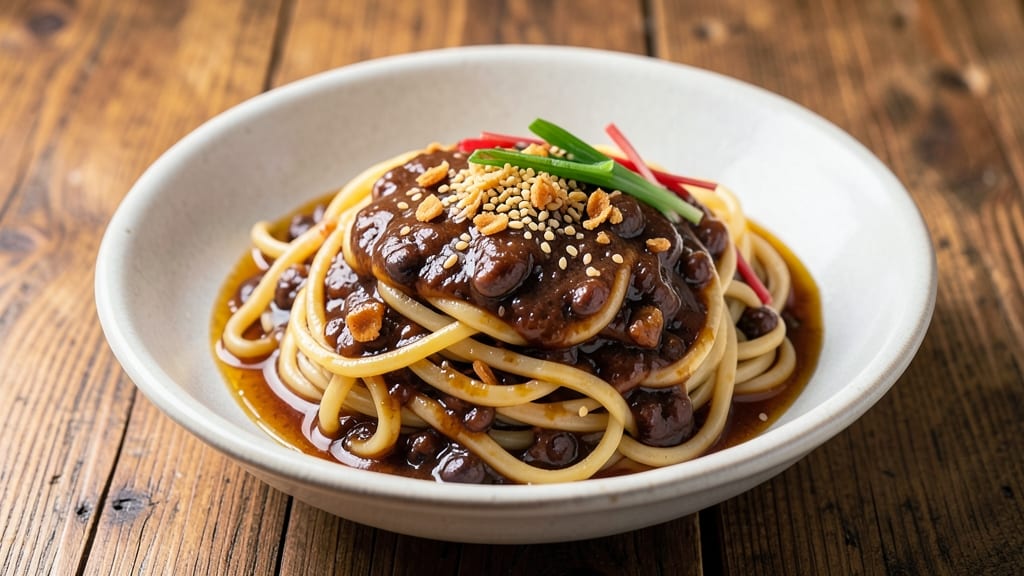
This Korean black bean paste noodle recipe delivers a crispy tortilla crown that balances perfectly with its umami-rich broth—transforming simple ingredients into a restaurant-worthy dish. The secret lies in the black bean paste, which adds deep, savory depth while keeping the dish vegan-friendly and packed with texture.
What makes this recipe stand out is the combination of crispy fried noodles and a silky, flavorful sauce that coats every bite.
The process begins with stir-frying the noodles until they achieve that signature crispy texture, then layering them with a sauce made from fermented black bean paste, soy sauce, and a touch of sugar for balance.
I’ve tested this recipe countless times to ensure the sauce is rich but not overpowering, and the noodles stay crispy even after being tossed in the broth. The result is a dish that’s both comforting and exciting—perfect for a weeknight dinner or a special occasion.
What you’ll end up with is a bowl of crispy, flavor-packed noodles topped with a glossy, aromatic sauce that’s impossible to resist. The black bean paste adds a complexity that elevates the dish far beyond typical stir-fried noodles, making it a standout in any meal rotation.
This recipe is designed to be foolproof, with clear steps that ensure success every time.
Serve it with a side of quick-pickled vegetables or a simple green salad to balance the richness, and you’ve got a complete, satisfying meal that’s as nourishing as it is delicious. Let’s get cooking!
Ingredients for black bean paste noodles korean
The perfect blend of crispy texture and umami-rich sauce transforms simple noodles into a restaurant-quality dish.
| Ingredient | Amount | Notes |
|---|---|---|
| Fresh Egg Noodles 🍜 | 8 oz | Dried or fresh, any shape |
| Fermented Black Bean Paste 🫘 | ¼ cup | Korean-style, for umami depth |
| Light Soy Sauce 🥫 | ¼ cup | Kikkoman preferred for balance |
| Rice Vinegar 🍶 | ⅛ cup | White or seasoned variety |
| Granulated Sugar 🍚 | 1 tbsp | Adjust to taste for balance |
| Sesame Oil 🌰 | 1 tbsp | Toasted for nutty aroma |
| Neutral Oil 🫒 | ½ cup | Vegetable or canola |
| Garlic Cloves 🧄 | 4 cloves | Minced for aromatic base |
| Fresh Ginger 🌿 | 1 tbsp | Grated, for zesty brightness |
| Green Onions 🧅 | ¼ cup | Sliced, for garnish |
| Toasted Sesame Seeds 🌱 | 1 tbsp | For crunchy texture |
| Red Chili Flakes 🌶️ | ½ tsp | Adjust for heat preference |
| Vegetable Broth 💧 | 1 ½ cups | Low-sodium for broth base |
| Lime Wedges 🍋 | 2 whole | For serving, optional |
Fermented black bean paste is the heart of this dish—look for Korean-style varieties at Asian markets or well-stocked grocery stores. Three Ladies or Maesilchun brands deliver authentic depth. If you can't find it, miso paste works in a pinch, though the flavor profile will differ slightly. The noodles should be fresh or dried—udon or ramen work beautifully, but any egg noodle will suffice. For the crispy texture, avoid overcrowding the pan during frying. High heat and frequent stirring are key to achieving that signature crunch.
No fermented black bean paste? Miso paste or soy sauce with a splash of balsamic can mimic the umami, though the texture will be thinner. The sesame oil is non-negotiable—it carries the nutty aroma that ties everything together. Toast your own sesame seeds in a dry pan for 2-3 minutes until fragrant, then grind lightly for extra flavor. For the broth, low-sodium vegetable broth ensures the sauce remains balanced without saltiness. The green onions should be sliced thinly on the bias for a delicate garnish that adds freshness without overpowering the rich flavors.
Store the black bean paste in the fridge for up to 3 months or freeze for 6 months. The sauce keeps for 5 days in an airtight container, though the texture may slightly thicken—stir in a splash of water to restore consistency. The crispy noodles are best served immediately, but you can reheat them gently in the sauce for 1-2 minutes to restore some crunch. For meal prep, focus on making the sauce ahead and frying the noodles fresh—this preserves that all-important crispy texture.
Why You'll Love This Recipe
- Five-Ingredient Magic: I swear, this dish proves you don’t need a pantry full of exotic stuff—just fresh egg noodles, that funky fermented black bean paste (trust me, it’s the star), a splash of soy sauce, rice vinegar, and sugar. Honestly, the prep is so simple I’ve made it while chatting on the phone.
- Umami Bomb: That fermented black bean paste? It’s like a flavor grenade—salty, nutty, and packed with depth. One spoonful and your noodles go from "meh" to "I’d eat this every night." The balance of soy, vinegar, and sugar makes it addictive in the best way.
- Leftover Hack: This dish actually tastes better the next day—yes, really. The noodles soften just enough, and the flavors meld into something even richer. I portion mine into containers so I can grab it cold for lunch or reheat it in seconds. My lazy-sunday secret weapon.
- Budget Powerhouse: Black bean paste is cheap, noodles are cheap, and you’re not using anything fancy. For under $5, you feed four people a dish that feels fancy. Between us, this is how I stretch my grocery budget without sacrificing flavor—no sad salads here.
Step-by-step instructions for black bean paste noodles
Master this Korean classic with precise technique for perfect texture and depth of flavor.
Prepare the Umami Broth Base
In a medium saucepan, combine the 1.5 cups vegetable broth, 0.25 cup fermented black bean paste, 0.25 cup light soy sauce, and 1 tbsp granulated sugar. Bring to a gentle simmer over medium heat until the mixture reduces slightly and the black bean paste fully dissolves—about 5 minutes. You'll notice the broth deepen in color and develop an intense, savory aroma.
Strain the mixture through a fine-mesh sieve to remove any impurities, then return it to the saucepan. Add 1 tbsp sesame oil and 0.5 tsp red chili flakes, stirring constantly to distribute evenly. Keep the broth warm over low heat while you prepare the remaining components—this ensures all elements come together at the perfect temperature.
Create the Crispy Noodle Crowns
Heat 0.5 cup neutral oil in a large skillet over medium-high heat until shimmering. Add the 8 oz fresh egg noodles in a single layer, stirring gently to prevent sticking. Cook for 3-4 minutes until the noodles turn a rich golden brown and develop crispy edges—this is your crispy crown texture. The noodles should release easily from the pan when gently nudged with a spatula.
Transfer the crispy noodles to a plate and immediately toss with 1 tbsp toasted sesame seeds to enhance their nutty aroma and crunch. Keep them warm while you prepare the aromatics—timing is critical here to maintain their crispness.
Build the Aromatic Base
In the same skillet (no need to clean it—the fond adds flavor), add 0.5 cup neutral oil and heat over medium heat. Add the 4 cloves minced garlic cloves and 1 tbsp grated fresh ginger, cooking for 1-2 minutes until fragrant and just beginning to turn golden. This step is crucial for developing the dish's signature aromatic complexity.
Pour the warm umami broth into the skillet and bring to a gentle simmer. Add 0.125 cup rice vinegar and simmer for 3-4 minutes until the flavors meld together. The broth should now carry a rich, balanced profile with notes of umami, saltiness, and subtle acidity. Taste and adjust seasoning if needed—this is where you ensure perfect harmony.
Assemble and Garnish
Divide the crispy noodle crowns among four serving bowls. Ladle the warm umami broth evenly over each portion, ensuring each serving gets an equal distribution of the flavorful liquid. The contrast between the crispy noodles and silky broth creates the dish's signature texture.
Garnish each serving with 0.25 cup sliced green onions and serve immediately with the 2 whole lime wedges on the side. The lime adds a bright, citrusy finish that cuts through the richness of the dish. Each bite should deliver perfect harmony between the crispy, umami-rich noodles and the aromatic broth.
Pro Tips For Making Black Bean Paste Noodles Korean
- Bloom the Paste First: Stir the fermented black bean paste into a splash of warm water (about ¼ cup) for 2-3 minutes before adding it to the noodles—this prevents clumping and lets the deep umami flavor wake up properly. I learned this the hard way when my first batch looked like mud instead of a glossy sauce.
- Shock Noodles Cold: Drain the cooked egg noodles and immediately rinse them under cold water for 10 seconds to stop the cooking. This keeps them from turning mushy when tossed with the sauce, which is especially important for fresh egg noodles that release starch fast. (Yes, even if you’re impatient like me.)
- Balance the Sauce: Taste the sauce before adding the noodles—adjust the rice vinegar first (1 tsp at a time) for brightness, then the sugar (½ tsp at a time) to cut the saltiness. The fermented black bean paste is already salty; skip the soy sauce unless you’re using a very mild version. I used to overdo it and end up with a flat, one-note dish.
- Finish with Oil: Drizzle 1 teaspoon of neutral oil (like vegetable or canola) over the noodles right before serving—it coats them and makes the sauce cling better, especially if you’re serving it cold. Sounds weird, but it works: the noodles stay glossy and the flavors stick.
Troubleshooting this recipe
Noodles Too Soft
If your noodles lose their crispy texture, you likely cooked them too long or at too low heat. I’ve found that medium-high heat and 3-4 minutes max are critical—any longer and they’ll soften.
To revive slightly limp noodles, toss them back into a dry skillet over high heat for 30 seconds to restore some crunch. Also, avoid overcrowding the pan during frying—this traps steam and makes them soggy. 🔥
Sauce Too Salty
The fermented black bean paste and soy sauce can make the broth overly salty if not balanced properly. If this happens, add 1-2 tablespoons of rice vinegar or a splash of vegetable broth to dilute the saltiness.
Taste as you go—this sauce should be rich but never harsh. I often reduce the soy sauce to 2 tablespoons if I’m worried about saltiness from the black bean paste.
Black Bean Paste Not Dissolving
If your black bean paste clumps instead of dissolving smoothly, it’s likely too thick or not properly mixed. First, ensure you’re using a high-quality Korean-style paste—brands like Three Ladies or Maesilchun blend easily.
For stubborn clumps, whisk the paste with 2 tablespoons of warm water before adding it to the broth. If using a substitute like miso, reduce the soy sauce slightly since miso is already salty.
Broth Too Thin
A watery broth ruins the dish’s depth. If yours is too thin, simmer it uncovered for 2-3 extra minutes to reduce the liquid. Alternatively, add 1 teaspoon of cornstarch mixed with water as a slurry and stir until thickened.
The sauce should coat the back of a spoon—this ensures every bite is flavorful. I’ve also found that using reduced vegetable broth (simmered down by half) from the start prevents this issue. ✨
Lacking Umami Depth
If your dish tastes flat, the black bean paste might not be strong enough. Boost umami by adding 1 teaspoon of fish sauce (if not vegan) or 1 tablespoon of mushroom powder.
For vegan options, try a dash of nutritional yeast or an extra 0.25 cup of black bean paste. Also, ensure your garlic and ginger are fresh—they’re key to building aromatic complexity. Toasting the sesame seeds before adding them amplifies their nutty depth too.
Garnish Not Holding
Green onions and sesame seeds can slide off crispy noodles if not adhered properly. Toss the noodles with 1 teaspoon of toasted sesame oil before garnishing to create a sticky base.
For extra grip, lightly press the garnish onto the noodles with a spoon. I also recommend serving immediately—waiting too long lets the garnish slide off as the noodles cool. 💫
Nutrition facts
Frequently asked questions about Korean black bean paste noodles
Can I make this recipe without fermented black bean paste?
Yes! For a vegan version, substitute with 1/4 cup miso paste plus 1 tbsp soy sauce to mimic the umami depth. For a non-vegan option, use 1 tbsp fish sauce instead. The texture will be slightly different, but the dish will still be flavorful. Adjust seasoning after tasting, as miso and fish sauce are saltier than fermented black bean paste.
How do I keep the noodles crispy when serving?
Timing is everything! Fry the noodles until golden (3-4 minutes) and keep them in a single layer on a wire rack or plate. Serve immediately after assembling—if you must wait, reheat the noodles in a dry skillet over high heat for 30 seconds to restore crunch. Avoid covering them, as steam will make them soggy.
What’s the best way to store leftovers?
Store the sauce separately in an airtight container in the fridge for up to 5 days. Reheat the sauce gently, then fry fresh noodles and toss them in the warm sauce just before serving. The noodles won’t retain crispiness when refrigerated, so always prepare them fresh when reheating. For the sauce, stir in a splash of water if it thickens too much.
Can I use dried noodles instead of fresh?
Use 8 oz dried egg noodles and cook them 1 minute less than package instructions for al dente texture. For extra crispiness, toss them in a dry skillet for 1-2 minutes after draining. Dried noodles work best for this recipe because they hold up better to high-heat frying without turning mushy.
How spicy should the dish be?
The recipe includes 0.5 tsp red chili flakes, which adds mild heat. Adjust to taste—reduce for a gentle warmth or add 1 extra tsp for a spicier kick. For a smoky depth, toast the chili flakes in a dry pan for 30 seconds before adding them to the sauce. Serve with extra lime wedges to balance the heat.