
Side Dishes
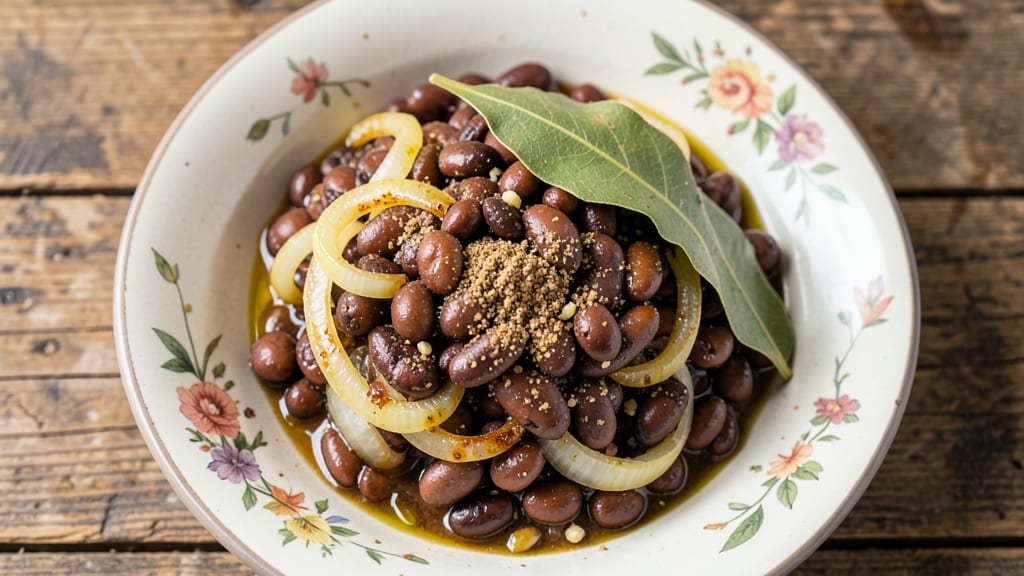
This black bean recipe from dried beans transforms humble pantry staples into restaurant-quality richness that beats canned beans every time. The secret lies in a slow simmer that develops deep, earthy flavor while keeping those beans tender and intact—not mushy, not split.
I’ve perfected this method after years of testing, and it’s the foundation for everything from hearty stews to vibrant salads.
Start with proper soaking—this is where flavor begins. A 12-hour soak (or overnight) softens the beans while preserving their texture, and the 1–2 hour simmer that follows builds complexity through aromatics like onion, garlic, and cumin.
The key? Adding salt only at the end to prevent tough skins. This method ensures beans that hold their shape while developing that slow-cooked depth that canned beans simply can’t match.
What you’ll end up with is a pot of black beans so flavorful they’ll disappear from your bowl before you finish. The skins stay intact, the texture is creamy yet firm, and the aroma will fill your kitchen with warmth.
These beans work as a standalone side, a soup base, or a salad star—each time delivering that same rich, satisfying taste. The best part? You control every ingredient, from the water to the seasoning.
Once you master this technique, you’ll never go back to canned beans again. The flavor is deeper, the texture is better, and the satisfaction of cooking from scratch is unmatched. Ready to transform your kitchen into a flavor powerhouse? Let’s get started with the full method.
Ingredients for black bean recipe from dried beans
Pantry staples and a little patience create restaurant-worthy black beans from scratch.
| Ingredient | Amount | Notes |
|---|---|---|
| Dried Black Beans 🌱 | 1 ½ cups | Rinsed before soaking |
| Water 💧 | 6 cups | Filtered preferred for clarity |
| Yellow Onion 🧅 | 1 whole | Diced, medium size |
| Garlic Cloves 🧄 | 4 cloves | Peeled, roughly chopped |
| Ground Cumin 🌿 | 1 tbsp | Toasted for depth |
| Bay Leaves 🍃 | 2 whole | Dried, standard size |
| Olive Oil 🫒 | 2 tbsp | Extra-virgin, fruity |
| Salt 🧂 | 1 ½ tsp | Kosher or sea salt |
| Lime Juice 🍋 | 2 tbsp | Freshly squeezed |
| Fresh Cilantro 🌿 | ¼ cup | Chopped, stems removed |
| Smoked Paprika 🌶️ | ½ tsp | For subtle smokiness |
| Black Pepper 🌶️ | ½ tsp | Freshly ground |
| Vegetable Broth 🍲 | 1 ½ cups | Low-sodium preferred |
The beans are non-negotiable—dried black beans from a bulk bin or Bob’s Red Mill brand give the best texture. Soak them in a large bowl overnight (or at least 12 hours) to soften without losing shape. I always use 6 cups of water per cup of beans—this keeps them loose and prevents skin splitting. The yellow onion should be sweet, not bitter—Vidalia or Red Delicious work perfectly. Toast the cumin in a dry pan for 30 seconds before adding to water—this unlocks its aroma.
No fresh cilantro? Dried oregano at half the amount works in a pinch, but the bright flavor is worth hunting down. Short on lime? Lemon juice is fine, but lime’s tang cuts through the richness better. The smoked paprika adds depth—substitute regular paprika if needed. For the broth, low-sodium is key—you’ll add salt at the end. The vegetable broth from Pacific Foods or homemade is ideal. If you’re in a rush, double the soaking water and simmer 30 minutes less, but texture suffers.
Beans keep for 5 days in the fridge—taste even better the next day. Freeze portions for 3 months by spreading them on a tray first to prevent clumping. I always make a double batch—half goes into salads, half gets blended with avocado for dips. The lime and cilantro stay fresh for 3 days if wrapped in damp paper towels. For extra flavor, add a splash of apple cider vinegar at the end—trust me, it’s magic.
Why You'll Love This Recipe
- No Fuss, Big Payoff: I swear by the slow-soak method here—just dried beans and water overnight, no fancy gadgets. The texture? Creamy, tender, and way more satisfying than canned beans ever were.
- Earthy Warmth: That toasted cumin and caramelized onion base? It’s the kind of flavor that lingers, rich and slightly smoky, like a hug in a bowl. (Yes, even on a Tuesday night.)
- Meal Prep MVP: Doubles easily, stays fresh for days, and turns into tacos, salads, or bowls without extra work. Honestly, I make a big batch and forget about it—until someone clears their plate.
- Pocket-Friendly Pantry Hero: Dried beans cost pennies, and this recipe proves you don’t need much to make something impressive. Between us, it’s my go-to when groceries are tight but I still want flavor.
Step-by-step instructions for slow-simmered black beans
Transform simple dried beans into restaurant-quality richness with this foolproof method.
Soak the Beans for Maximum Tenderness
Place the 1.5 cups dried black beans in a large bowl and cover them with 6 cups cold water. Let them soak at room temperature for at least 8 hours or overnight. I like to soak mine on the countertop—it's more convenient than the fridge and still works perfectly. The longer they soak, the more tender they become, but even 4 hours will work in a pinch.
After soaking, drain the beans in a colander and rinse them thoroughly under cold water. This removes any residual soaking liquid that could make your beans mushy. Give them a quick shake to remove excess water before transferring them to your pot. The beans should feel plump and ready to cook—if they're still hard, they need more soaking time.
Sauté Aromatics to Build Flavor
Heat the 2 tablespoons olive oil in a large pot over medium heat. Add the diced yellow onion and cook for 5 minutes until softened and translucent. You'll smell the sweetness developing—that's when you know they're ready for the next step.
Add the 4 peeled garlic cloves and cook for another 30 seconds until fragrant. Be careful not to let the garlic burn—it should just smell amazing, not bitter. Stir in the 1 tablespoon ground cumin, 0.5 teaspoon smoked paprika, and 0.5 teaspoon black pepper, toasting them for 1 minute until aromatic. This step forms the flavor base for your beans.
Simmer the Beans Until Perfectly Tender
Add the drained beans, 1.5 cups vegetable broth, 2 whole bay leaves, and 1.5 teaspoons salt to the pot. Bring everything to a boil over high heat, then reduce to a gentle simmer. I like to keep the heat low enough that you just see tiny bubbles breaking the surface—this prevents the beans from breaking apart.
Cover the pot and simmer for 1.5 to 2 hours, stirring occasionally to prevent sticking. The beans are done when they're fork-tender—you should be able to pierce them easily with a fork, but they shouldn't fall apart completely. If the liquid reduces too much, add hot water in ½-cup increments to keep the beans submerged. This slow cooking transforms tough dried beans into creamy, flavorful perfection.
Finish with Bright, Fresh Flavors
Once the beans are tender, remove the bay leaves and stir in the 2 tablespoons lime juice. This brightens the dish and cuts through the richness of the beans. Taste and adjust the seasoning—you might need a little more salt or lime to balance the flavors. The beans should be seasoned to your liking but not salty.
Finally, stir in the 0.25 cup chopped fresh cilantro and let the beans sit off the heat for 5 minutes. This resting time allows the flavors to meld together. The final result should be a pot of creamy, aromatic black beans with just the right balance of smoky, spicy, and citrusy notes. Serve them warm with rice, tortillas, or over your favorite grains.
Pro Tips For Making Black Bean Recipe From Dried Beans
- SOAK BEANS OVERNIGHT: I learned this the hard way—rushing the soak with hot water just makes them tough. Use cold water and let them sit 8–12 hours (or at least 4 hours if you’re in a hurry). The longer they soak, the creamier they’ll get—no gummy texture here.
- SKIP THE BOILING START: After burning three batches, I finally figured out: dried beans don’t need a rolling boil to begin with. Start with a gentle simmer, then gradually increase heat—this keeps them from foaming over and splitting open. Your pot will thank you.
- TOAST THE CUMIN FIRST: Sounds weird, but it works: dry-toast the ground cumin in a separate pan for 30 seconds before adding it to the beans. This deepens the earthy flavor and cuts through the bitterness that can sneak in if you toss it in raw.
- USE TWO ONIONS, ONE RAW: I skip this when I’m lazy, but the dish is noticeably better when I don’t. Sauté one diced onion until soft, then add a second raw onion at the end of cooking—it stays crisp and adds a bright contrast. (Yes, even if you’re impatient like me.)
Make-ahead tips for this dish
Prep Ahead for Effortless Cooking
Start the soaking process the night before—this is my secret to stress-free cooking. Place the 1.5 cups dried black beans in a bowl with 6 cups cold water and let them soak overnight on your countertop.
The next morning, they’ll be perfectly plump and ready to cook without any extra effort. I always do this because it saves me time during the day and ensures the best texture. 🌱
Double Batch for Meal Prep
Make a double batch and store half in the fridge for up to 5 days—these beans taste even better the next day as the flavors meld together. Use the other half immediately for tacos, salads, or bowls.
I like to portion the beans into airtight containers with a splash of lime juice to keep them fresh. This way, you’ll always have a flavorful base for meals without starting from scratch.
Freeze for Future Use
For long-term storage, freeze portions in quart-sized freezer bags with 1 inch of headspace to prevent clumping. Spread the beans on a tray first to freeze individually, then transfer to bags.
They’ll keep for 3 months and thaw beautifully when reheated. I always keep a backup batch in the freezer—it’s my insurance against last-minute dinner plans. ❄️
Soaking Shortcuts
If you’re short on time, try the quick-soak method: Cover the beans with 6 cups boiling water, remove from heat, cover, and let sit for 1 hour. Drain and rinse before cooking.
The texture won’t be as perfect, but it’s a lifesaver for busy weeknights. I’ve used this method when I forgot to soak overnight, and the beans still turned out great.
Flavor Boosters for Later
Add 1 tablespoon apple cider vinegar or ½ teaspoon smoked paprika when reheating to revive the flavors. A squeeze of lime or a sprinkle of cilantro right before serving keeps everything fresh.
I always keep these finishing touches handy because they make a huge difference in taste. Trust me, your beans will taste like they were just made. 💫
Slow Cooker Option
For hands-off cooking, use a 6-quart slow cooker on low for 6-8 hours after soaking. Add all ingredients except lime and cilantro, then stir in fresh herbs at the end. This method is perfect for busy days—just dump everything in and let it do the work.
I’ve made a whole pot of beans this way for meal prep, and they’ve never disappointed. 💡
Nutrition facts
Frequently asked questions
Why do my dried black beans turn mushy when cooking?
Overcooking or adding salt too early causes beans to break down. Always add salt at the end, and simmer gently for 1.5-2 hours—never boil vigorously. Also, rinse beans thoroughly after soaking to remove soaking liquid, which contains starch that makes them gummy.
Can I use a pressure cooker for faster results?
Yes! After soaking, pressure cook with 1 cup water and aromatics for 20-25 minutes on high pressure. Quick-release when done. The texture will be slightly firmer than slow-cooked, but still delicious. Just avoid overcooking—they'll soften further off heat.
What's the best way to store cooked black beans?
Store in airtight containers in the fridge for 5 days or freeze for 3 months. For freezing, spread beans on a tray first to prevent clumping. Add a splash of lime juice before storing to preserve freshness. Reheat gently with a little water or broth to maintain texture.
How do I prevent beans from sticking to the pot?
Keep beans submerged in liquid and stir occasionally during simmering. Use enough water (or broth) so they're covered by at least 1 inch. If they stick, add hot water gradually—never cold water, which shocks the beans. A splash of oil in the pot also helps prevent sticking.
Can I substitute other dried beans in this recipe?
This method works best for black beans, but you can try pinto or kidney beans with adjusted cooking times. Darker beans like black beans hold their shape better. For lighter beans like navy or cannellini, reduce simmering time to 45-60 minutes—they cook faster but may break down more easily.