
Sauces & Condiments
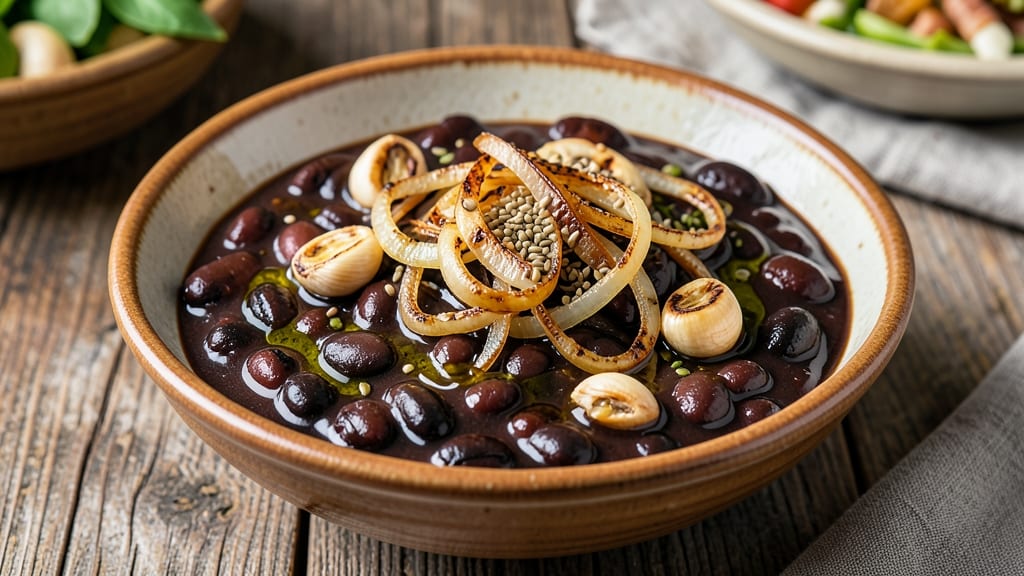
This black bean sauce recipe from scratch transforms humble ingredients into a velvety, umami-packed condiment that elevates everything from stir-fries to tacos. The secret lies in slow-roasting garlic and onions until caramelized, then blending them with black beans, soy sauce, and a touch of vinegar for balance.
I developed this sauce after craving something rich, smoky, and deeply flavorful without the complexity of traditional sauces.
The beauty of this recipe is its versatility—use it as a dipping sauce for spring rolls, a marinade for grilled meats, or a stir-fry base that adds depth in minutes.
Unlike store-bought versions, this sauce builds flavor through slow simmering and blending, ensuring every spoonful delivers a perfect harmony of smoky, garlicky, and slightly sweet notes. The texture is smooth yet clingy, coating ingredients like a dream.
What makes this sauce truly special is how it transforms simple dishes into restaurant-quality meals. The black beans provide natural thickness, while the roasted aromatics create a deep umami richness that lingers.
No fancy equipment is needed—just a blender and a pot for simmering. Once you taste the difference, you’ll never go back to bottled sauces again.
Perfect for meal prep, gifting, or keeping on hand for quick weeknight cooking. Let’s get started—your taste buds will thank you.
Ingredients for black bean sauce recipe from scratch
Eight aromatic ingredients turn into this velvety, smoky black bean sauce that’s better than anything bottled.
| Ingredient | Amount | Notes |
|---|---|---|
| Black Beans 🫘 | 1 ½ cups | Drained and rinsed, cooked or canned |
| Yellow Onions 🧅 | 1 whole | Thinly sliced, yellow or red |
| Garlic Cloves 🧄 | 8 cloves | Unpeeled, roasted whole |
| Extra-Virgin Olive Oil 🫒 | ¼ cup | High quality, fruity |
| Tamari or Soy Sauce 🍶 | ¼ cup | Gluten-free tamari preferred |
| Apple Cider Vinegar 🍎 | 1 tbsp | For brightness and balance |
| Smoked Paprika 🌶️ | 1 tbsp | For deep smoky flavor |
| Ground Cumin 🌿 | 1 tsp | Toasted for warmth |
| Maple Syrup 🍯 | 1 tbsp | For subtle sweetness |
| Fresh Ginger Root 🌿 | 1 tbsp | Grated, fresh preferred |
| Water 💧 | ½ cup | For blending consistency |
| Salt 🧂 | ½ tsp | Diamond Crystal preferred |
| Black Pepper 🌶️ | ¼ tsp | Freshly ground |
The garlic and onions are the flavor anchors here—roast them until caramelized for that deep, smoky sweetness. Trader Joe's sells pre-sliced onions that save time, but fresh is always better. For the garlic, Costco's bulk cloves are my go-to—they stay fresh longer. The black beans? Canned is fine, but if you're cooking from dry, soak them overnight for creamier texture. Smoked paprika is a must—Penzeys or McCormick are reliable brands, but check the label for no added sugar.
No tamari? Regular soy sauce works, but it’s not gluten-free. Short on maple syrup? Agave nectar or date syrup are great swaps. Fresh ginger is ideal, but powdered at half the amount gets you close. The sauce can be made with or without vinegar—skip it if you prefer less tang. For extra richness, add 1 tbsp tahini when blending. If the sauce is too thick after blending, thin with water or veggie broth. Store-bought black beans? Rinse them well to remove excess sodium.
This sauce keeps beautifully—1 week in the fridge or 3 months frozen. I like to freeze it in ice cube trays for easy portioning. For best flavor, let it sit at room temperature for 10 minutes before serving. It thickens as it cools, so thin with water if needed. The sauce improves overnight as the flavors meld. Double the batch—it disappears fast, especially when paired with grilled meats or noodles.
Why You'll Love This Recipe
- I use this on everything: eggs, toast, grilled fish, even as a dip. (Yes, even on a Tuesday night.) It’s my go-to when I don’t want to think too hard about dinner.
- Pantry Magic: I swear by this sauce because it’s made from what I already have—no special trips to the store. Just beans, onions, garlic, a splash of tamari, and olive oil. That’s it. No fancy ingredients, no stress.
- Umami Bomb: The tamari and caramelized onions hit different—deep, salty, slightly sweet. Honestly, the first time I tasted it, I nearly burned the kitchen. It’s that good.
- Weeknight Hero: I use this on everything: eggs, toast, grilled fish, even as a dip. (Yes, even on a Tuesday night.) It’s my go-to when I don’t want to think too hard about dinner.
Step-by-step instructions for black bean sauce from scratch
Here's how to build this smoky, umami-rich sauce layer by layer—no shortcuts, just deep flavor.
Roast the Garlic and Onions for Sweet Depth
Preheat your oven to 400°F. Peel the 8 cloves garlic but leave them whole, then place them on a parchment-lined baking sheet. Toss the 1 whole yellow onion, thinly sliced, with 1 tablespoon smoked paprika and 1 teaspoon ground cumin on the same sheet. Roast for 25-30 minutes until the onions are caramelized and garlic cloves are soft with golden spots.
Here's the thing—roasting develops sweetness in the onions and mellows the garlic's sharpness. You'll smell it when the kitchen fills with that toasty aroma. Let them cool slightly before handling—the garlic skins will slip right off when you squeeze them gently. This step is the flavor foundation, so don't rush it.
Build the Sauce Base with Umami Layers
Heat ¼ cup extra-virgin olive oil in a large skillet over medium heat. Add the roasted garlic and onions, then stir in 1 tablespoon grated fresh ginger root and cook for 2-3 minutes until fragrant. Pour in ¼ cup tamari or soy sauce and 1 tablespoon apple cider vinegar, scraping up any browned bits from the bottom of the pan.
This deglazing step captures all that caramelized flavor. Let the mixture simmer for 3-4 minutes until slightly reduced. The sauce should coat the back of a spoon—if it's too thick, add 1-2 tablespoons water to loosen it. The tamari adds that deep umami punch while the vinegar brightens everything up.
Blend the Black Bean Sauce to Silky Perfection
Transfer the onion-garlic mixture to a blender along with 1.5 cups drained black beans, 1 tablespoon maple syrup, ½ cup water, ½ teaspoon salt, and ¼ teaspoon black pepper. Blend until completely smooth, scraping down the sides as needed. For an ultra-smooth texture, strain through a fine-mesh sieve if desired.
The black beans provide that signature creamy body while keeping the sauce rich and satisfying. Pulse occasionally to break up any large chunks before blending fully. Here's where the magic happens—the combination of roasted aromatics, tangy vinegar, and sweet maple syrup creates that perfect balance of flavors. Taste as you go and adjust seasoning if needed.
Simmer for Depth and Balance
Return the blended sauce to the skillet and bring to a gentle simmer over medium-low heat. Let it cook uncovered for 8-10 minutes, stirring occasionally, until it thickens slightly and the flavors meld together. The sauce should coat the back of a spoon but still be pourable.
This final simmering step develops the sauce's complexity. You'll notice the smoky, garlicky aroma intensify as the liquid reduces. If the sauce becomes too thick, whisk in 1 tablespoon water at a time until you reach your desired consistency. The sauce should be vibrant, glossy, and ready to elevate any dish—whether you're drizzling it over grilled meats or using it as a dip.
Pro Tips For Making Black Bean Sauce Recipe From Scratch
- Sauté Onions Slowly: I learned this the hard way—crisping onions too fast turns them bitter and burns before they soften. Use medium-low heat and stir every 30 seconds until they’re translucent but not golden. Black bean sauce needs sweet, mellow onions, not caramelized bits.
- Toast Garlic Properly: Garlic burns faster than you think. Once the onions are soft, add minced garlic and cook just until fragrant—about 30 seconds—then immediately add liquid. Over-toasting turns it acrid, and you’ll taste it in every spoonful.
- Rinse Beans First: Canned beans are packed in saltwater, which makes your sauce taste flat. Drain, rinse, and drain again before mashing or blending. Skipping this step leaves a dull, salty aftertaste that ruins the balance of tamari and olive oil.
- Simmer, Don’t Boil: After adding tamari or soy sauce, keep the heat at a gentle simmer. Boiling makes the sauce thin and watery, and you’ll have to start over. A low simmer thickens it naturally as the beans release starch—no extra slurry needed.
Common mistakes when making great black bean sauce recipe from scratch
Over-Roasting Aromatics
Burnt garlic or onions turn bitter fast—watch the oven closely after 25 minutes. I’ve ruined a batch by letting them sit too long at 400°F, turning the sauce acrid.
Remove them when edges are golden but centers still hold shape. Let them cool slightly before blending to avoid scorching the sauce. 🌡️
Skipping the Simmer
Blending alone won’t develop the sauce’s depth. The 8-10 minute simmer reduces liquid, intensifies flavors, and thickens the texture. I once served a version without simmering—it tasted flat. If you’re short on time, simmer for at least 5 minutes to build some complexity.
Using Low-Quality Beans
Canned black beans vary wildly in quality. Cheap brands with added salt or preservatives ruin the balance. I recommend low-sodium canned beans or dried beans soaked overnight.
Rinse thoroughly to remove excess starch, which can make the sauce gummy. For best results, use organic black beans like those from Dr. McDougall’s.
Ignoring Vinegar Balance
The 1 tbsp apple cider vinegar brightens the sauce’s richness. Omitting it makes the sauce heavy, while too much overpowers. Taste before blending—if it needs acidity, add ½ tsp lemon juice instead. The vinegar also helps preserve the sauce longer by lowering pH.
Blending Too Quickly
Pulse the blender first to break up beans, then blend slowly to avoid overheating. I’ve seen sauces separate or even curdle from over-blending. Stop occasionally to scrape down the sides. For ultra-smooth results, strain through a fine-mesh sieve after blending. The goal is velvety, not chunky.
Not Adjusting Seasoning
Taste the sauce at every stage—after blending and after simmering. You might need extra salt, more smoked paprika, or even a pinch of white pepper for depth. I keep a small bowl of each seasoning nearby while cooking. The sauce should sing with flavor, not just be "edible."
Nutrition facts
Frequently asked questions
Can I make this black bean sauce without roasting the garlic and onions?
Roasting develops that deep caramelized sweetness, but you can sauté them instead! Sauté 1 sliced onion and 8 minced garlic cloves in olive oil for 5-7 minutes until golden. The flavor will be less complex but still delicious. For extra depth, add ½ tsp smoked paprika while cooking.
How can I adjust the consistency if my sauce is too thick or too thin?
Thick sauce? Thin with 1 tbsp water or veggie broth at a time while stirring. Too thin? Simmer uncovered for 5-10 extra minutes to reduce. For ultra-thick texture (like a spread), simmer longer or add ½ tsp cornstarch mixed with water. Always adjust gradually!
What are the best ways to store and reheat this sauce?
Store in an airtight container in the fridge for 1 week or freeze for 3 months. To reheat, warm gently in a saucepan over low heat for 3-5 minutes, stirring often. For best flavor, let it sit at room temperature for 10 minutes before using. Microwaving can break down the texture.
Can I use this sauce as a marinade for meat?
This sauce makes an excellent marinade for chicken, pork, or tofu. For best results, marinate for 2-4 hours (or overnight for deeper flavor). The black beans add moisture while the smoky spices create a delicious crust. Just reserve ¼ cup for basting during cooking.
What if I don't have apple cider vinegar?
No problem! Substitute with rice vinegar, white vinegar, or even lemon juice (use ½ tsp lemon juice per 1 tbsp vinegar). The key is acidity to balance the richness. If you omit it completely, the sauce will be heavier but still tasty—just add a pinch of salt to compensate.