
Sauces & Condiments
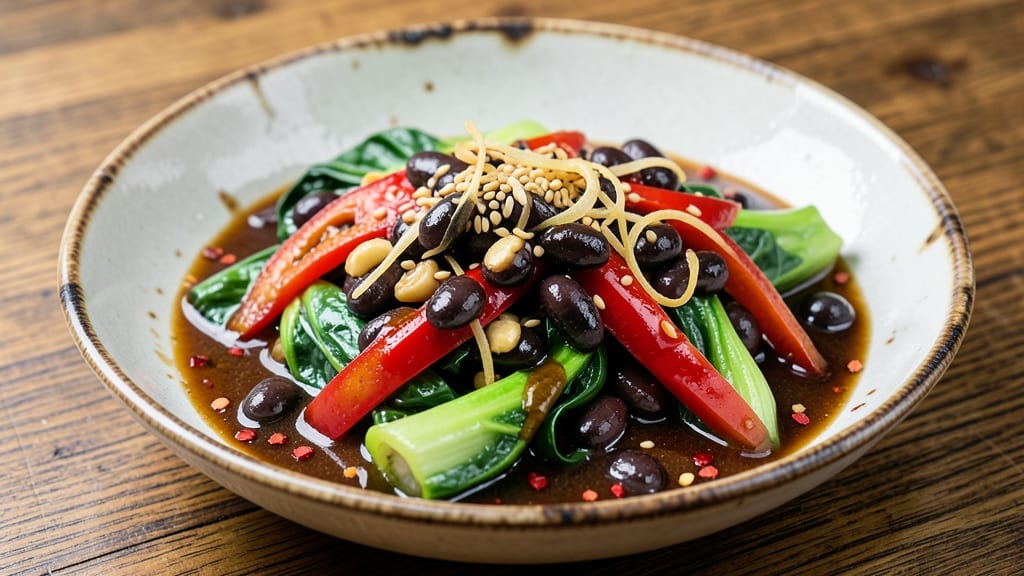
This black bean stir fry sauce recipe transforms ordinary stir-fries into restaurant-quality meals with just five minutes of prep. The secret lies in blending fermented black beans, garlic, and ginger for deep umami, then balancing it with a touch of rice vinegar and chili flakes.
I developed this sauce after years of testing—it’s the one that finally made my homemade stir-fries taste like takeout, without any processed ingredients. What sets this sauce apart is its versatility and intensity.
The black beans provide a rich, savory base that’s naturally gluten-free and packed with plant-based protein, while the aromatic garlic and ginger add layers of warmth. A splash of vinegar brightens the flavors, and a pinch of chili brings just the right kick.
The sauce thickens slightly as it sits, clinging perfectly to noodles, tofu, or vegetables. You’ll end up with a glossy, aromatic sauce that’s easier to make than store-bought but far more flavorful.
The texture is smooth yet clings beautifully, and the taste is a perfect balance of salty, sweet, and spicy—ideal for tossing with stir-fried dishes or drizzling over bowls.
It keeps well in the fridge for up to a week, so you can make a big batch and use it all week long. The best part? This sauce works with any stir-fry, from quick weeknight meals to impressive dinner parties.
Let’s get started—your next stir-fry is about to taste like it came from a wok master’s kitchen.
Ingredients for black bean stir fry sauce
Five minutes of blending transforms these simple ingredients into restaurant-quality stir-fry magic.
| Ingredient | Amount | Notes |
|---|---|---|
| Fermented Black Beans 🫘 | ½ cup | Rinsed well, drained |
| Garlic Cloves 🧄 | 4 cloves | Freshly minced for aroma |
| Fresh Ginger 🌿 | 1 tbsp | Grated, not powdered |
| Rice Vinegar 💧 | 1 ½ tbsp | White or seasoned |
| Red Chili Flakes 🌶️ | 1 tsp | Adjust for heat preference |
| Maple Syrup 🍯 | 1 tbsp | For subtle sweetness |
| Sesame Oil 🫒 | 1 tsp | Toasted for nutty flavor |
| Soy Sauce 🍶 | 1 tbsp | Tamari for gluten-free |
| Water 💧 | ¼ cup | For thinning consistency |
| Salt 🧂 | ½ tsp | Adjust to taste |
Fermented black beans are the umami powerhouse here. Look for them in the Asian foods aisle—brands like Three Crabs or Lee Kum Kee are reliable. If you can't find them, soaked and mashed black beans work in a pinch, but fermented gives that authentic depth. Fresh ginger and garlic? Don't skip the zesting—that's where the real flavor lives. I always grab extra ginger because it keeps for weeks in the freezer. For the vinegar, rice vinegar is non-negotiable—apple cider won't cut it here.
No fermented black beans? Double the soy sauce and add 1 tsp miso paste for umami. Short on ginger? Extra garlic plus 1/2 tsp ground ginger works. Chili flakes too spicy? Swap for 1/2 tsp smoked paprika. The maple syrup is just a whisper of sweetness—agave works too. Sesame oil is optional but adds that signature nutty aroma. For a gluten-free version, use tamari instead of soy sauce and check your vinegar is gluten-free too. The water is key—add it gradually until you get that glossy, clingy texture.
This sauce keeps for up to 1 week in the fridge, and honestly, it tastes better the next day as flavors meld. Freeze in ice cube trays for single-use portions—just thaw and stir. I always make a double batch because it disappears fast. Store it in a sealed jar with the lid slightly loose so it doesn't get too thick. The sauce thickens as it sits, so if it seems too stiff after refrigeration, just stir in a splash of water or vinegar. Perfect for tossing with tofu, veggies, or noodles—your stir-fries will never taste store-bought again.
Why You'll Love This Recipe
- I use this sauce for everything: a quick stir-fry with tofu, drizzled over grilled shrimp, or even as a marinade for chicken. Honestly, it’s my secret weapon for when I need something impressive but don’t want to spend hours in the kitchen.
- No-Chop Necessary: I swear by this sauce because it’s one of those rare recipes where I don’t even bother peeling the garlic—just smash those cloves with the side of my knife and toss them in. The fermented black beans do all the work, adding that deep, funky umami without me having to slave over a stove.
- Umami Bomb: That first spoonful of sauce? It’s like a flavor explosion—salty, tangy, with a slow burn from the chili flakes that lingers just right. The ginger and vinegar cut through the richness, so it’s never overpowering, just ridiculously satisfying.
- Weeknight to Dinner Party: I use this sauce for everything: a quick stir-fry with tofu, drizzled over grilled shrimp, or even as a marinade for chicken. Honestly, it’s my secret weapon for when I need something impressive but don’t want to spend hours in the kitchen.
Step-by-step instructions for black bean stir fry sauce
Here's how to whip up this vibrant, umami-packed sauce in record time—no shortcuts needed.
Blend the Fermented Black Beans Until Smooth
Start by rinsing the 0.5 cup fermented black beans thoroughly under cold water to remove any surface fermentation residue. Drain well and transfer them to a blender or food processor. The beans should be at room temperature for best blending results, so let them sit for 5 minutes if they're straight from the fridge.
Add the 4 cloves minced garlic cloves and 1 tablespoon grated fresh ginger to the blender. Pulse a few times to break everything down slightly before adding the remaining ingredients. This prevents the blender from overheating and ensures even distribution of flavors. You'll know you're on the right track when the mixture starts to take on a thick, chunky paste consistency.
Add Liquids and Sweeteners for Balance
With the blender running on low speed, slowly pour in the 1.5 tablespoons rice vinegar, 1 tablespoon maple syrup, and 1 tablespoon soy sauce. The vinegar will add brightness, the maple syrup introduces subtle sweetness, and the soy sauce deepens the umami. Let everything blend together for about 30 seconds until you see the colors begin to meld into a cohesive sauce.
This is where the magic happens—the acidity from the vinegar cuts through the richness of the beans while the maple syrup rounds out the flavors. If you're using tamari instead of soy sauce, the sauce will have a slightly more robust, gluten-free depth. Taste the mixture at this stage—it should be tangy, slightly sweet, and full of fermented funk.
Thin and Season to Perfection
With the blender still running, gradually add the 0.25 cup water until the sauce reaches your desired consistency. You want it to be smooth enough to coat the back of a spoon but still cling to ingredients in a stir fry. If it's too thick, add a splash more water; if too thin, blend for another 10 seconds to thicken slightly.
Now add the 1 teaspoon red chili flakes, 1 teaspoon sesame oil, and 0.5 teaspoon salt. The chili flakes bring heat without overpowering, the sesame oil adds nutty depth, and the salt ties everything together. Blend for another 10-15 seconds until fully incorporated. The sauce should now have a glossy sheen and a rich, complex aroma that makes your kitchen smell amazing.
Toast the Sesame Oil for Extra Flavor (Optional but Recommended)
For an extra layer of flavor, heat the 1 teaspoon sesame oil in a small pan over low heat until it just begins to shimmer and you can smell its nutty aroma—this should take about 1-2 minutes. Be careful not to let it smoke. Immediately pour this toasted oil into the blender with the other ingredients and blend for another 5 seconds to distribute the aroma throughout the sauce.
This step might seem small, but it makes a huge difference in the final product. The toasted sesame oil adds a warm, almost toasty note that elevates the sauce from good to exceptional. If you skip this, the sauce will still be delicious—just slightly less complex.
Adjust and Use Immediately
Taste the sauce one final time and adjust the seasoning if needed. You might want to add a pinch more salt, a splash of rice vinegar for brightness, or even a touch more maple syrup if you prefer it sweeter. Transfer the sauce to a small bowl or jar, cover it, and let it sit at room temperature for 5 minutes before using. This brief rest allows the flavors to meld even further.
This sauce is best used immediately, but it will keep in the refrigerator for up to 5 days if stored in an airtight container. It's perfect for tossing with stir-fried vegetables, drizzling over noodles, or even using as a marinade. The umami richness from the fermented beans makes it incredibly versatile—don't be afraid to experiment!
Pro Tips For Making Black Bean Stir Fry Sauce
- Bloom the Aromatics: Toss minced garlic and ginger into the pan first—no oil needed. Let them sizzle and soften for 30 seconds before adding fermented black beans. This builds flavor without burning, and you’ll taste the difference when the beans hit the pan later.
- Rinse the Fermented Beans: Give those fermented black beans a quick rinse under cold water before cooking. The brine’s saltiness can overpower the sauce if you skip this, especially if your beans are extra salty or you’re adding other strong flavors like soy sauce.
- Toast the Chili Flakes: Dry-toast your red chili flakes in the pan for 10 seconds before adding liquids. This deepens their heat and aroma, making the sauce taste more intentional—not just a background spice. (Yes, even if it looks like you’re overdoing it.)
- Finish with Vinegar Last: Stir in the rice vinegar after everything else is cooked and off the heat. The acidity cuts through the richness of the fermented beans and garlic, brightening the sauce instantly. Add it too early, and you’ll mute the flavors.
Creative variations of this black bean stir fry sauce
Spicy Thai-Inspired Twist
For a Thai-inspired kick, add 1 tbsp fish sauce (or 1 tbsp coconut aminos for vegan) and 1 tsp lime zest to the blender after the initial blend. Swap the rice vinegar for 1 tbsp coconut vinegar and increase the chili flakes to 1.5 tsp.
Toast ½ tsp coriander seeds in a dry pan until fragrant, then grind them and stir into the sauce. This version pairs perfectly with tofu and bell peppers—the lime zest brightens the umami while the fish sauce adds that signature Thai depth. 🌶️
Smoky Chipotle Version
Transform this sauce into a smoky chipotle masterpiece by replacing the red chili flakes with 1 tsp adobo sauce (from canned chipotle peppers) and adding ½ tsp smoked paprika.
Swap the maple syrup for 1 tsp honey (or agave) and toast 1 tsp cumin seeds in the same pan you toast the sesame oil. Stir everything together—this smoky-sweet version works beautifully with grilled corn, black beans, and avocado. It’s like a Mexican street-food fusion in every bite! 🔥
Sweet and Tangy Peanut Sauce
Blend in 2 tbsp smooth peanut butter (or 2 tbsp tahini for nut-free) with the initial ingredients, then add 1 tsp peanut oil instead of sesame oil.
Replace the rice vinegar with 1 tbsp tamarind paste (or 1 tbsp lime juice) and add ½ tsp ground white pepper for a sophisticated touch. This sauce is a game-changer for satay-style dishes or as a dip for spring rolls.
The peanut butter adds creaminess while tamarind brings that signature tangy sweetness. 🥜
Garlic-Lime Umami Boost
For a zesty, bright variation, add 2 extra minced garlic cloves and 1 tbsp lime juice to the base blend. Increase the rice vinegar to 2 tbsp and add ½ tsp ground coriander for a fresh, herbaceous note.
This version is perfect for seafood stir-fries or as a marinade for shrimp and scallops. The extra garlic and lime cut through the richness of the beans, making it lighter yet still packed with umami. 🍋
Miso-Ginger Fusion
Swap the soy sauce for 1 tbsp white miso paste and add ½ tsp grated daikon radish (or extra ginger) for a Japanese-inspired twist. Reduce the water to ¼ cup and blend in 1 tsp mirin (or 1 tsp honey) for a touch of sweetness.
This sauce is incredible with mushrooms, bok choy, and rice noodles. The miso deepens the umami while the mirin adds a delicate, almost caramel-like sweetness. 🍜
Herb-Infused Green Sauce
Blend in 2 tbsp fresh cilantro stems (not leaves) and 1 tbsp fresh basil with the initial ingredients for a vibrant green sauce. Add 1 tsp lemongrass paste (or 1 tsp lime zest) and reduce the chili flakes to ½ tsp.
This version is perfect for summer stir-fries with zucchini, carrots, and edamame. The herbs add freshness, while the lemongrass brings a citrusy brightness that balances the fermented beans beautifully. 🌿
Nutrition facts
Frequently asked questions
Can I make this sauce without fermented black beans?
Yes! If you can't find fermented black beans, use ½ cup soaked and mashed black beans (cooked from dried) plus 1 tbsp miso paste for umami depth. The sauce will be slightly less funky but still delicious. For extra flavor, add ½ tsp fish sauce (or soy sauce) to compensate for the missing fermentation.
How do I adjust the heat level in this sauce?
For milder heat, reduce the red chili flakes to ½ tsp or swap them for ½ tsp smoked paprika. For extra spice, increase to 1.5 tsp chili flakes or add ½ tsp cayenne pepper. Always taste before blending fully—you can add more heat later if needed.
What's the best way to store leftover sauce?
Transfer the sauce to an airtight container and refrigerate for up to 5 days. The flavors actually improve overnight! For longer storage, freeze in 1-tbsp portions in ice cube trays—thaw and stir before using. If the sauce thickens after refrigeration, thin with 1 tsp water or vinegar per 2 tbsp sauce.
Can I use this sauce for dishes other than stir-fries?
This sauce works as a marinade for tofu, chicken, or shrimp (add 1 tbsp extra soy sauce for binding). It's also perfect for drizzling over bowls, tacos, or even grilled corn. For dipping, thin with 1 tsp water to make it more fluid. The umami richness makes it incredibly versatile!
Why does my sauce look too thick or too thin?
If too thick, stir in 1 tsp water at a time until it reaches a glossy, spoon-coating consistency. If too thin, simmer uncovered for 2-3 minutes to reduce. The ideal texture should cling to ingredients but still be pourable. For extra thickness, blend in ½ tsp cornstarch mixed with 1 tsp water and cook for 1 minute.