
Soups & Stews
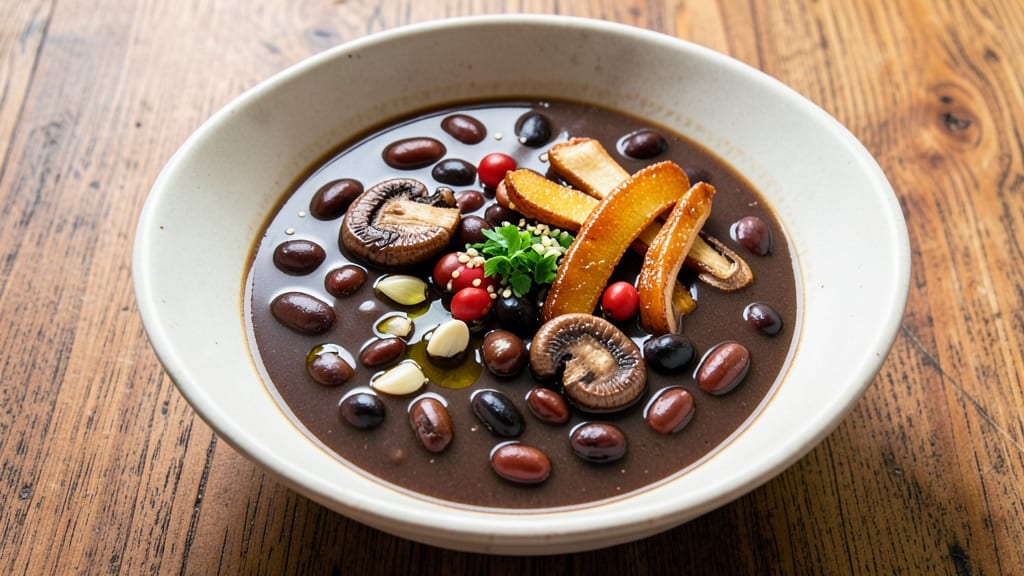
This black soy bean soup delivers deep, earthy umami in every spoonful—a comforting, plant-based masterpiece that transforms simple ingredients into restaurant-quality depth. The secret lies in slow-simmered black soybeans (or adzuki beans), which develop a rich, almost meaty texture while absorbing aromatic spices and garlic.
What makes this version stand out is the balanced broth—neither too salty nor overly sweet—perfect for both weeknight dinners and special occasions.
The beauty of this recipe is its versatility. Whether you're following Japanese kuromame traditions or Korean kongnamul guk influences, the technique remains the same: toast the beans first for nutty depth, then simmer them low and slow until tender.
The result? A velvety soup with just enough body to satisfy, paired with subtle ginger and sesame notes that elevate every bite. No fancy equipment needed—just a pot, patience, and a few key ingredients.
By the time you're done, you'll have a one-pot soup that's hearty enough for a main course but light enough for lunch. The beans become irresistibly tender, releasing their natural sweetness while maintaining structure, and the broth reduces to a perfect consistency—neither watery nor gluey.
Serve it with steamed rice or crusty bread to soak up every last drop of that umami-rich liquid gold.
This recipe works equally well as a standalone meal or as part of a larger spread. The flavors develop even better the next day, making it ideal for meal prep.
For added richness, stir in a spoonful of tahini or top with crispy fried shallots just before serving. Let's get cooking—your taste buds will thank you.
Ingredients for black soy bean soup
Earthy beans, aromatic mushrooms, and umami-rich broth create this restaurant-quality vegan soup.
| Ingredient | Amount | Notes |
|---|---|---|
| Black Soybeans (Dried) 🌱 | 1 cup | Soaked overnight or quick-soaked |
| Adzuki Beans (Dried) 🌱 | ½ cup | Substitute for black soybeans |
| Dried Shiitake Mushrooms 🍄 | 4 whole | Rehydrated for umami depth |
| Fresh Garlic Cloves 🧄 | 6 cloves | Minced for aromatic base |
| Fresh Ginger 🌿 | 2 tbsp | Finely grated, peeled |
| Sesame Oil 🫒 | 1 tbsp | Toasted for nutty aroma |
| Low-Sodium Vegetable Broth 💧 | 4 cups | Homemade or quality store-bought |
| White Miso Paste 🧈 | 1 tbsp | For fermented umami |
| Sesame Seeds 🌰 | 1 tbsp | Toasted for garnish |
| Green Onions 🧅 | 3 whole | Sliced for freshness |
| Rice Vinegar 🍶 | 1 tsp | Balances flavors |
| Sea Salt 🧂 | ½ tsp | Adjust to taste |
| Tofu (Firm) 🧀 | 8 oz | Cubed for protein boost |
Black soybeans are the star here. Japanese or Asian markets carry them dried, but Amazon or bulk bins work too. If you can't find black soybeans, adzuki beans are a perfect substitute—they just need an extra 30 minutes of simmering. For the mushrooms, dried shiitake from Whole Foods or Trader Joe's adds that meaty texture without any meat. Look for plump, firm beans with no cracks or soft spots—those are your quality indicators. The ginger should be fresh, not powdered, for that bright, zesty kick that cuts through the richness.
No sesame oil? Toasted peanut oil works in a pinch, though it won't have the same nutty depth. The miso paste is non-negotiable for that fermented umami—White miso from Marukome is my go-to, but any quality white miso will do. Short on tofu? Extra-firm holds shape better when cubed, but silken tofu blends into the broth for creaminess. The rice vinegar might seem like an afterthought, but it's what makes the flavors pop. Rice vinegar from Mushroom Foods is my favorite—it's clean and bright without overpowering. For the broth, homemade is ideal, but Imagine or Pacific Foods low-sodium are solid store-bought options that won't make your soup taste salty.
This soup tastes even better the next day—honestly, the flavors meld into something magical. Store in an airtight container for up to 5 days in the fridge, or freeze for 3 months. I like to portion it into individual containers so I can grab a bowl straight from the freezer. The beans and tofu keep their texture beautifully when reheated gently. For extra richness, stir in a spoonful of tahini or top with crispy fried shallots just before serving. The sesame seeds should be toasted in a dry pan for 30 seconds—that smoky aroma is what takes this soup from good to unforgettable.
Why You'll Love This Recipe
- One-Pot Magic: I swear by this recipe—just toss everything in one pot, simmer, and walk away. No fancy techniques, no last-minute grocery runs for obscure ingredients. The dried beans and mushrooms soak up flavor like sponges, so you’re basically set-it-and-forget-it.
- Umami Bomb: That combo of black soybeans, shiitake mushrooms, and fresh ginger? It’s like a flavor party in your bowl. The earthy depth of the beans pairs perfectly with the chewy mushrooms, and the garlic? Oh, it’s there—but in the best way, not overpowering. Honestly, the first time I tasted it, I thought, “Why haven’t I made this sooner?”
- Weeknight & Meal Prep Hero: This soup is my go-to for busy nights because it doubles easily. Make a big batch on Sunday, and you’ve got lunch or dinner covered for days. (Yes, even on a Tuesday night.) The flavors actually get better as it sits—like a cozy hug in a bowl.
- Budget-Friendly Powerhouse: Dried beans and mushrooms stretch your dollar without sacrificing taste. I’ll be real: it’s not the prettiest soup, but the cost per serving is criminally low. Plus, the leftovers? Still delicious reheated—no sad, watery second helpings here. My wallet and my taste buds thank me.
Step-by-step instructions for black soy bean soup
This earthy umami-rich soup delivers deep flavor with minimal effort—just one pot and simple techniques.
Prepare the Beans and Mushrooms
Begin by rinsing the 1 cup black soybeans (dried) and 0.5 cup adzuki beans (dried) under cold water to remove any debris. For quicker cooking, soak them together in a bowl of water for 30 minutes (or overnight for traditional texture). The beans should double in size—if they don't, add more water and soak another 15 minutes.
While the beans soak, rehydrate the 4 whole dried shiitake mushrooms by placing them in a separate bowl of hot water for 20 minutes. They'll plump up dramatically and develop a deep, meaty texture. Drain both the beans and mushrooms, reserving the soaking liquid for later use if needed. This preparation step ensures even cooking and maximizes flavor extraction.
Build the Umami Base
In a large pot, heat the 1 tablespoon sesame oil over medium heat until shimmering. Add the 6 cloves minced fresh garlic and 2 tablespoons finely grated fresh ginger, cooking for 1-2 minutes until fragrant but not browned. This aromatic base forms the flavor foundation of the soup.
Stir in the rehydrated shiitake mushrooms (sliced if large) and cook for another 2 minutes until they release their moisture. Add the drained beans to the pot, along with the 4 cups low-sodium vegetable broth. Bring to a rolling boil, then reduce heat to medium-low and simmer uncovered for 30 minutes, stirring occasionally. The beans should soften but retain some bite—this ensures they don't turn mushy during the final cooking.
Incorporate Tofu and Seasonings
Cut the 8 oz firm tofu into ½-inch cubes and add them to the simmering bean mixture. Stir gently to distribute the tofu evenly throughout the pot. Cook for an additional 10 minutes to allow the tofu to absorb some of the soup's flavors without breaking apart.
In a small bowl, whisk together the 1 tablespoon white miso paste with ½ teaspoon sea salt and 1 teaspoon rice vinegar until smooth. Slowly ladle this mixture into the pot while stirring continuously. The miso will dissolve completely, adding a fermented depth that balances the earthy beans. Taste and adjust seasoning—you may need a touch more salt or vinegar to achieve the perfect harmony of umami and brightness.
Finish and Garnish
Once all ingredients are fully integrated and the beans are tender, remove the pot from heat. Let the soup sit for 5 minutes to allow the flavors to meld together. This resting period is crucial—it lets the miso fully incorporate and the broth develop its rich character.
Before serving, toast the 1 tablespoon sesame seeds in a dry skillet over low heat for 1-2 minutes until golden and fragrant. Divide the soup among bowls and garnish each serving with the toasted sesame seeds and 3 whole sliced green onions. The contrast of crisp green onions against the deep brown soup adds both visual appeal and a fresh finish. Serve immediately while the tofu is still warm and the broth maintains its silky texture.
Pro Tips For Making Black Soy Bean Soup
- SOAK BEANS SEPARATELY: Dried black soybeans need 8+ hours—adzuki beans only 4. I learned this the hard way when my adzuki beans turned mushy while the black soybeans stayed rock-hard. Use two bowls, label them, and set a timer if you’re forgetful.
- STEAM SHIITAKES FIRST: Rehydrate dried shiitake mushrooms in hot water for 20 minutes, then drain and reserve the soaking liquid. Sautéing them dry later gives you that deep umami flavor instead of a watery mess. (Yes, even if you’re impatient like me.)
- LOW AND SLOW FOR BEANS: After the initial simmer, drop the heat to a bare simmer—just small bubbles breaking the surface. Rushing this step turns your soup into a gluey, overcooked disaster. Cover the pot and let them cook for 1.5–2 hours, stirring occasionally.
- GARLIC GINGER PASTE SAVES TIME: Mince garlic and ginger, then blend with 1 tablespoon of water into a smooth paste. This keeps the flavors from burning and distributes them evenly. No chopping mid-recipe, no bitter aftertaste—just pure, consistent flavor. (Your future self will thank you.)
Creative variations of this dish
Japanese Kuromame Style
For a lighter, sweeter take inspired by Japanese kuromame soup, reduce the ginger to 1 teaspoon and add 1 tablespoon mirin along with the miso paste. Simmer the beans with ½ cup kombu dashi instead of vegetable broth for a cleaner umami base.
Top with pickled red ginger (beni shoga) for a bright, refreshing contrast. This version is perfect for a delicate, palate-cleansing soup that still packs deep flavor. 🌿
Korean Kongnamul Guk Twist
Transform this into a spicy Korean kongnamul guk by adding 1 tablespoon gochujang (Korean chili paste) and ½ teaspoon gochugaru (Korean chili flakes) when incorporating the seasonings. Stir in 1 tablespoon toasted sesame oil at the end for extra richness.
Garnish with thinly sliced Korean pear for a touch of natural sweetness that balances the heat. Serve with steamed rice and a side of kimchi for a full Korean meal experience. 🌶️
Spicy Sesame Crunch
For a bold, textured variation, stir-fry 2 tablespoons crushed peanuts with 1 teaspoon chili crisp in a dry pan until fragrant. Sprinkle this mixture over each bowl before serving. Add a splash of lime juice (1 teaspoon) to the soup just before eating for a tangy kick.
This version is ideal for those who love contrast—crunchy, spicy, and nutty all in one spoonful. 🥜
Creamy Coconut Version
Swap the vegetable broth for 4 cups light coconut milk and add 1 can (14 oz) coconut milk at the end for extra creaminess. Stir in 1 teaspoon turmeric for color and warmth, then finish with fresh cilantro and lime zest.
This tropical-inspired soup is lighter but still deeply satisfying, perfect for warm weather or as a refreshing lunch option. 🥥
Protein-Packed Lentil Blend
Boost nutrition by adding ½ cup red lentils along with the black soybeans. They cook quickly and add a subtle earthiness that complements the beans. For extra protein, fold in ½ cup crumbled tempeh during the final 10 minutes of simmering.
This heartier version is ideal for a filling meal, especially when paired with warm naan or flatbread. 💪
Winter Comfort Version
For a cozy winter adaptation, add 1 small diced sweet potato (½ cup) and 1 chopped carrot (½ cup) with the beans. Simmer until tender, then stir in 1 teaspoon ground cinnamon and ½ teaspoon nutmeg for warmth.
Top with toasted pumpkin seeds for crunch and texture. This version feels like a hug in a bowl—perfect for chilly evenings. ❄️
Nutrition facts
Frequently asked questions
Can I use canned black soybeans instead of dried?
Yes, but with adjustments! Canned black soybeans are pre-cooked, so they won't develop the same rich texture. For best results, drain and rinse them, then simmer in the broth for just 10 minutes to warm through. Add them during the final 10 minutes of cooking to prevent mushiness. The flavor will be good, but the traditional depth comes from slow-simmered dried beans.
Why does my black soy bean soup taste bitter?
Bitterness usually comes from overcooking the beans or using too much ginger. Simmer the beans at medium-low heat and taste them at 25 minutes—they should be tender but still hold their shape. If the broth tastes bitter, balance it with 1 extra teaspoon rice vinegar or a pinch of sugar. Fresh ginger should be used sparingly (2 tbsp max) to avoid overpowering.
How do I make this soup spicier?
Add ½ teaspoon gochugaru (Korean chili flakes) or 1 teaspoon sriracha when incorporating the miso paste. For heat lovers, stir in 1 tablespoon gochujang (Korean chili paste) with the seasonings. Garnish with extra chili flakes or a dash of chili crisp for a fiery kick. Start small—you can always add more!
Can I make this soup in an Instant Pot?
Sauté the garlic and ginger, then add all ingredients (except tofu and garnishes) to the Instant Pot. Cook on high pressure for 12 minutes, then quick-release. Add the tofu during the final 5 minutes of natural release. The pressure cooker cuts time by half while keeping the beans tender. Just be sure to adjust seasoning after cooking—the flavors concentrate differently.
What’s the best way to store leftovers?
Let the soup cool completely, then transfer to an airtight container. It keeps for 5 days in the fridge or 3 months in the freezer. For reheating, warm gently on the stove over low heat or microwave in 30-second bursts, stirring between each. The beans and tofu hold up well, but the broth may thicken slightly—add a splash of water if needed.