
Soups & Stews
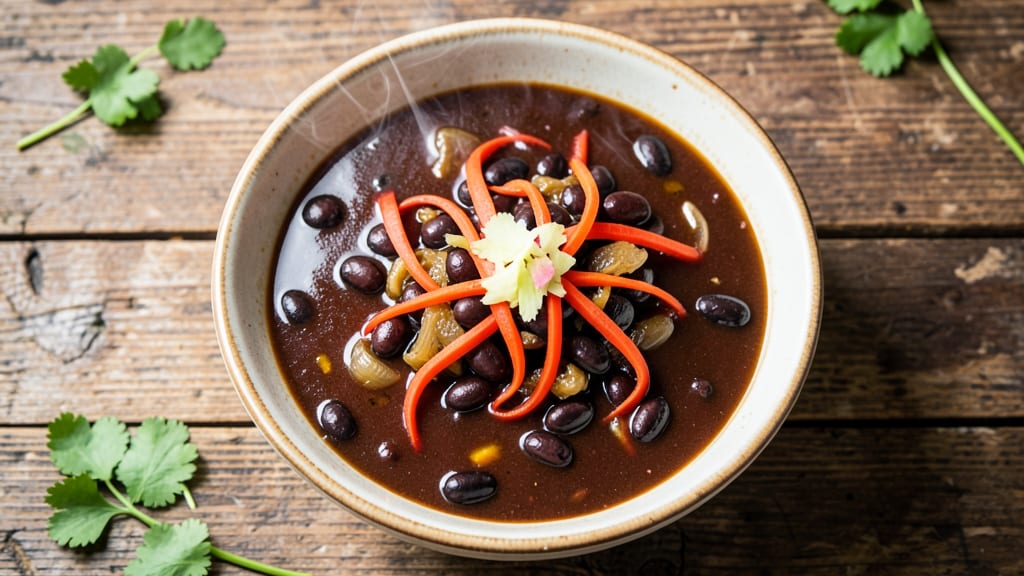
This black soybean soup recipe transforms humble ingredients into a velvety, umami-rich masterpiece that rivals any restaurant dish. The key lies in slow simmering black soybeans with aromatic vegetables and a savory broth, creating a silky texture that's both hearty and delicate.
I developed this version after years of perfecting the balance between earthy soybean depth and bright vegetable notes—no artificial additives needed.
What makes this soup truly special is its versatility—it works as a comforting main course or light lunch, depending on how you serve it. The black soybeans provide plant-based protein while absorbing flavors beautifully, while ginger and garlic add layers of warmth.
Unlike many vegan soups, this one delivers substantial satisfaction without relying on heavy cream or dairy substitutes.
By the time you finish simmering, you'll have a bowl of soup with a rich, almost chocolatey depth from the black soybeans, balanced by fresh herbs and a touch of citrus.
The texture is unmistakably luxurious—silky yet substantial—with each spoonful offering perfect harmony between earthy and bright flavors. This is the kind of soup that transforms simple weeknights into memorable meals.
The beauty of this recipe lies in its adaptability—use store-bought broth for convenience or homemade for deeper flavor, and adjust spice levels to your preference. Garnish with scallions and sesame seeds for extra visual appeal, or serve with steamed rice for a complete meal.
Let's create this comforting bowl of goodness.
Ingredients for black soybean soup
Earthy black soybeans meet bright vegetables and aromatic broth for this velvety vegan masterpiece.
| Ingredient | Amount | Notes |
|---|---|---|
| Dried Black Soybeans 🌱 | 1 cup | Rinsed thoroughly before soaking |
| Yellow Onion 🧅 | 1 whole | Medium size, diced finely |
| Carrots 🥕 | 2 medium | Peeled and sliced into rounds |
| Fresh Ginger 🧄 | 2 tbsp | Grated finely, aromatic |
| Garlic Cloves 🧄 | 4 cloves | Peeled and minced finely |
| Vegetable Broth 💧 | 4 cups | Low-sodium preferred, homemade ideal |
| Fresh Cilantro 🌿 | ¼ cup | Chopped, stems removed |
| Lime Juice 🍋 | 2 tbsp | Freshly squeezed, bright flavor |
| Sesame Oil 🫒 | 1 tbsp | Toasted, for finishing |
| Sesame Seeds 🌰 | 1 tbsp | Toasted lightly, for garnish |
| Scallions 🧅 | 3 whole | Thinly sliced, for garnish |
| Sea Salt 🧂 | 1 tsp | Diamond Crystal preferred |
| Black Peppercorns 🌶️ | ½ tsp | Freshly cracked |
| Sesame Seeds 🌰 | 1 tbsp | Toasted lightly, for garnish |
The black soybeans are the star—look for them in the bulk section at stores like Whole Foods or Asian markets. If you can't find them, substitute adzuki beans, though the texture won't be identical. Rinse them well before soaking to remove any dust or debris. The ginger and garlic? Fresh is non-negotiable here—dried just won't cut it. For the broth, I always use homemade vegetable broth with carrot, celery, and mushroom bases, but store-bought in a pinch works too. Just taste it first—if it's too salty, dilute with water.
No fresh cilantro? Fresh parsley or basil will work in a pinch, though the flavor profile shifts slightly. Short on sesame oil? Toasted peanut oil gives a similar nutty finish. The lime juice is key for brightness—don't skip it. For extra depth, add a splash of soy sauce or tamari (about 1 tbsp) during simmering. The carrots can be swapped for daikon radish if you're feeling adventurous—they add a lovely crunch. And if you're prepping ahead, toast the sesame seeds separately and store them in an airtight container.
This soup tastes even better the next day—the flavors meld beautifully when reheated gently. Store in an airtight container for up to 5 days in the fridge, or freeze portions for 3 months. For serving, I like to garnish each bowl with fresh herbs and sesame seeds right before eating. The texture is delicate, so handle it with care—don't over-stir once the soybeans start breaking down. And if you're making a big batch, double the sesame oil—it's worth the extra splash.
Why You'll Love This Recipe
- No-Soaking Needed: I’ll admit, I was skeptical about dried black soybeans—until I realized they soften in about 30 minutes of simmering. No overnight soaking, no fuss. Just toss them in with the onions and ginger, and they turn into this rich, velvety base.
- Earthy Umami Magic: Between the deep, toasty black soybeans and the sharp bite of fresh ginger, this soup has layers of flavor you won’t find in basic veggie broth. The garlic cloves? They caramelize just enough to add a subtle sweetness that ties everything together.
- Lunchbox Hero: Between us, this soup is my go-to for meal prep. It reheats beautifully—no graininess, no weird textures—and keeps for days in the fridge. Pack it cold with rice for a hearty lunch, or warm it up with a drizzle of sesame oil for dinner.
- Budget-Friendly Staple: Honestly, the cost per serving is criminally low. Black soybeans are cheaper than canned beans, and the rest of the ingredients? Basic pantry stuff. I make a big batch on Sundays, and it feeds my family for days without breaking the bank.
Step-by-step instructions for earthy umami black soybean soup
Transform simple ingredients into a velvety, deeply flavorful soup with this approachable method.
Soak and Prepare the Black Soybeans
Place the 1 cup dried black soybeans in a large bowl and cover them with cold water by about 2 inches. Let them soak for at least 8 hours or overnight—I prefer soaking them in the refrigerator for better texture. This long soak ensures the beans soften completely without becoming mushy.
After soaking, drain and rinse the beans thoroughly under cold water. The skins should slip off easily when you rub them between your fingers. If they don't, give them a quick massage in your hands—this removes the natural bitterness and gives you that signature silky texture. Set the prepared beans aside for cooking.
Build the Flavor Base
In a large pot, heat 1 tablespoon sesame oil over medium heat. Add the 1 whole yellow onion (finely diced) and cook for 5 minutes until soft and translucent. Stir in the 2 medium carrots (sliced into rounds) and cook for another 3 minutes until they begin to soften.
Add the 2 tablespoons fresh ginger (finely grated) and 4 cloves garlic (minced) and cook for 1 minute until fragrant. Here's the thing—ginger and garlic burn quickly, so keep a close eye on them. You want them to perfume the pot without turning bitter. Once aromatic, pour in the 4 cups vegetable broth and bring to a gentle simmer.
Simmer the Soybeans to Perfection
Add the drained black soybeans to the pot and bring everything to a boil. Once boiling, reduce the heat to low and let it simmer gently for 1 to 1.5 hours. You'll know it's ready when the beans are fork-tender—they should break apart easily but still hold their shape. Stir occasionally to prevent sticking.
I like to check the consistency after 45 minutes—if the soup is too thick, add a little water to reach your desired texture. The beans should be soft but not falling apart completely. If they're still firm after 1.5 hours, they'll continue cooking as you proceed, so don't worry about overcooking them now.
Finish with Bright, Aromatic Touches
Once the beans are tender, stir in the 1 teaspoon sea salt and 0.5 teaspoon black peppercorns (freshly cracked). Let the soup simmer for another 5 minutes to meld all the flavors. Then, remove the pot from heat and stir in the 2 tablespoons lime juice—this brightens the earthy flavors beautifully.
Finally, add the 0.25 cup fresh cilantro (chopped) and 3 whole scallions (thinly sliced). Let the soup sit off the heat for 5 minutes to allow the lime juice to mellow slightly. This resting period also lets the flavors settle, giving you that perfect balance of umami, brightness, and silkiness.
Serve with Toasted Sesame Seeds
Before serving, gently heat the soup again over low heat and drizzle with 1 tablespoon sesame oil. This adds another layer of nutty depth. Ladle the soup into bowls and garnish each serving with 1 tablespoon toasted sesame seeds—toast them in a dry skillet over medium heat for 1-2 minutes until golden and fragrant.
Serve immediately with a sprinkle of extra scallions if desired. The soup should be rich and velvety, with a perfect balance of earthy black soybean flavor, bright citrus notes, and nutty sesame undertones. Each spoonful delivers that satisfying umami depth we're after, while the texture remains luxuriously smooth.
Pro Tips For Making Black Soybean Soup
- SOAK BEANS OVERNIGHT: Dried black soybeans need at least 8 hours in water to soften properly—don’t cut corners here. I learned this the hard way when my soup turned into a grainy, undercooked mess; trust me, the extra time makes them creamy without gummy texture.
- CUT CARROTS UNEVENLY: Slice carrots into 1-inch chunks, but leave some pieces slightly thicker than others. This ensures they don’t all cook at the same rate, so you get a mix of tender and slightly crisp edges—way more interesting than uniform mush.
- BROWN THE ONIONS LOW: After sautéing with garlic and ginger, reduce heat to medium-low and let the onions cook until deep golden, not burnt. I used to rush this, and the soup always tasted flat—patience here builds flavor that lasts.
- SIMMER, DON’T BOIL: Once the beans are tender, lower heat to a gentle simmer (tiny bubbles, occasional swirls). Boiling splits the beans and turns the soup gluey; simmering keeps them intact and the broth silky—your future self will notice the difference.
Common mistakes when making perfect results
Skipping the Soak
Black soybeans need that 8-hour soak (or overnight) to soften properly. Skipping this step results in tough, undercooked beans that never reach that signature silky texture. I once tried cutting the soak to 4 hours—the beans were still gritty even after 2 hours of simmering.
Trust me, the wait is worth it for that velvety mouthfeel. 💫
Overcrowding the Pot
When simmering, never fill your pot more than ⅔ full—black soybeans expand as they cook. I learned this the hard way when my first batch turned into a thick, gluey mess.
Use a large, deep pot (like a Dutch oven) to give the beans room to soften evenly. If your soup gets too thick, add water gradually—don’t rush the process.
Boiling Too Vigorous
A rolling boil breaks down the beans too quickly, turning them mushy instead of silky. Maintain a gentle simmer—you should see just a few small bubbles at the edges. I use a low flame and stir occasionally to prevent sticking.
If you see foam forming, reduce the heat immediately. The beans need time to absorb flavors, not to cook aggressively.
Adding Lime Juice Too Early
Lime juice brightens the soup, but adding it before the final 5 minutes of simmering can make the flavors harsh. The acidity needs time to mellow and blend with the earthy umami.
I wait until the beans are tender and the soup is off the heat—this ensures the citrus enhances, rather than overpowers, the other flavors. 🍋
Ignoring the Resting Period
Letting the soup rest for 5 minutes after adding lime juice and herbs is crucial. This short pause allows the flavors to meld and the lime’s sharpness to soften.
I’ve skipped it before, and the result was a soup that tasted disjointed. Patience here makes all the difference—it’s the secret to that restaurant-quality harmony.
Using Low-Quality Broth
Store-bought broth with high sodium or artificial flavors can overwhelm the delicate balance of this soup. I always opt for homemade vegetable broth or a low-sodium brand like Pacific Foods.
If you must use store-bought, dilute it with water to reduce saltiness. The broth is the foundation—don’t skimp on quality here.
Nutrition facts
Frequently asked questions
Can I substitute black soybeans with regular soybeans?
You can try, but the results will be different. Black soybeans have a unique earthy, slightly chocolatey flavor and silky texture that regular soybeans lack. If you must substitute, use adzuki beans (soaked longer) or black adzuki beans for closer flavor, though the texture won't be identical. The soaking time will also need adjustment—black soybeans require 8+ hours while adzuki beans typically need 4-6 hours.
How do I make this soup spicier?
Add heat gradually to avoid overpowering the delicate flavors. For mild heat, stir in ½ teaspoon red pepper flakes during the final 5 minutes of simmering. For medium heat, add 1 teaspoon gochujang (Korean chili paste) or 1 sliced fresh chili with the ginger and garlic. For bold heat, serve with extra chili oil or sriracha on the side—this lets everyone adjust to their preference.
Can I make this soup in an Instant Pot?
Yes, but with adjustments for pressure cooking. First, soak the beans for 4 hours (minimum) instead of overnight. Then, sauté the aromatics as directed, add 3 cups broth (leave room for expansion), and cook on high pressure for 20 minutes. Quick-release the pressure, then add the remaining 1 cup broth and simmer for 5 minutes to finish. The texture will be slightly different but still delicious.
What's the best way to store leftovers?
Store in an airtight container in the fridge for up to 5 days. The flavors actually improve overnight as the ingredients meld! For freezing, portion into containers and freeze for up to 3 months. Thaw in the refrigerator overnight—never microwave directly from frozen. When reheating, warm gently on the stove with a splash of water to restore the silky texture.
Why does my soup taste bitter?
Bitterness usually comes from one of three issues: under-soaked beans, overcooked aromatics, or old ingredients. First, ensure beans soaked 8+ hours and rinse well before cooking. Second, don't let ginger/garlic burn—keep heat medium and cook just until fragrant (1 minute). Finally, check your broth and lime juice—both should be fresh. If the bitterness persists, add a pinch of sugar or a splash of coconut milk to balance.