
Soups & Stews
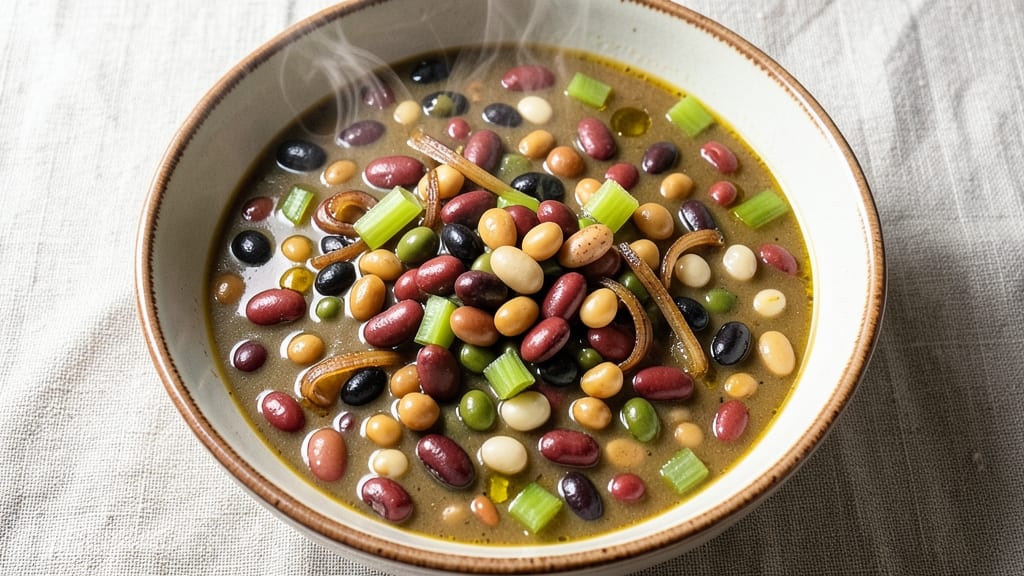
Bob’s 13 bean soup delivers the ultimate hearty stew, packed with 13 varieties of beans for a symphony of textures and flavors. This vegetarian classic transforms simple ingredients into a rich, slow-simmered masterpiece that warms the soul during winter months.
The secret? Layering flavors through a long, gentle cook that lets each bean contribute its unique character—from creamy navy beans to earthy lentils and tender pinto beans.
What sets this recipe apart is the balanced approach—no single bean dominates, and the broth absorbs all their flavors into a deep, savory base.
The slow simmering (at least 3 hours) breaks down beans for maximum tenderness while developing complex notes from aromatics like onions, garlic, and bay leaves. Unlike quick soups, this one rewards patience with a restaurant-quality depth that’s impossible to replicate in less time.
By the final spoonful, you’ll taste perfectly seasoned beans swimming in a velvety broth that’s rich without being heavy. The soup’s versatility makes it ideal for meal prep—it tastes even better the next day as flavors meld further.
Serve with crusty bread or over rice to soak up every last drop of that flavorful liquid gold.
For those watching their sodium, you can easily adjust the seasoning, and the recipe scales effortlessly for crowds. Whether you’re a seasoned cook or new to bean soups, this foolproof method ensures success every time. Let’s get started on creating a bowl that’ll have everyone asking for seconds.
Ingredients for bob's 13 bean soup
Thirteen varieties of beans create a symphony of textures and flavors in this vegetarian masterpiece.
| Ingredient | Amount | Notes |
|---|---|---|
| Navy Beans (Dried) 🌾 | 1 cup | Soaked overnight for tenderness |
| Kidney Beans (Dried) 🌾 | 1 cup | Soaked overnight for tenderness |
| Pinto Beans (Dried) 🌾 | 1 cup | Soaked overnight for tenderness |
| Black Beans (Dried) 🌾 | ½ cup | Soaked overnight for tenderness |
| Great Northern Beans (Dried) 🌾 | ½ cup | Soaked overnight for tenderness |
| Lentils (Green or Brown) 🌾 | ½ cup | No soaking required |
| Chickpeas (Dried) 🌾 | ½ cup | Soaked overnight for tenderness |
| White Beans (Cannellini) 🌾 | ½ cup | Soaked overnight for tenderness |
| Red Beans (Dried) 🌾 | ½ cup | Soaked overnight for tenderness |
| Split Peas (Yellow) 🌾 | ½ cup | No soaking required |
| Adzuki Beans (Dried) 🌾 | ¼ cup | Soaked overnight for tenderness |
| Fava Beans (Dried) 🌾 | ¼ cup | Soaked overnight for tenderness |
| Mung Beans (Dried) 🌾 | ¼ cup | Soaked overnight for tenderness |
| Yellow Onions 🧅 | 2 whole | Diced, medium size |
| Garlic Cloves 🧄 | 6 cloves | Minced, fresh preferred |
| Carrots 🥕 | 3 whole | Chopped, medium size |
| Celery Stalks 🌿 | 3 whole | Chopped, medium size |
| Bay Leaves 🍃 | 3 whole | Fresh or dried |
| Vegetable Broth 💧 | 8 cups | Low-sodium preferred |
| Tomato Paste 🍅 | 2 tbsp | Smooth, not chunky |
| Olive Oil 🫒 | ¼ cup | Extra-virgin for richness |
| Dried Thyme 🌿 | 1 tsp | Or 1 tbsp fresh |
| Dried Oregano 🍃 | 1 tsp | Or 1 tbsp fresh |
| Salt 🧂 | 1 ½ tsp | Adjust to taste, kosher preferred |
| Black Peppercorns 🌶️ | ½ tsp | Freshly ground |
| Apple Cider Vinegar 🍎 | 1 tbsp | For brightness |
The foundation of this soup lies in the bean selection—each variety contributes a distinct texture and flavor profile. Dried beans (not canned) develop superior depth when slow-cooked, so prioritize quality brands like Bob’s Red Mill or Anthony’s Goods for consistent results. Split peas and lentils require no soaking, while others benefit from an overnight soak to reduce cooking time. For the aromatic vegetables, look for fresh, vibrant onions, carrots, and celery—Trader Joe’s or local farmers' markets offer the best quality. Bay leaves should be fragrant and whole; discard after cooking. The vegetable broth should be low-sodium to avoid over-salting the final dish, and low-sodium options from Pacific Foods or Imagine are excellent choices.
Substitutions can be made with care—canned beans (drained and rinsed) can replace dried at a 1:1 ratio, though they’ll lack the same depth of flavor. Fresh thyme or oregano can be used at triple the dried amount, but dried works perfectly well for pantry convenience. If you’re avoiding vinegar, a splash of lemon juice achieves similar brightness. For those with dietary restrictions, this recipe is naturally gluten-free and vegan, though always verify broth labels for hidden additives. Pre-chopped vegetables save time, but fresh is ideal for optimal flavor development. The tomato paste should be smooth for a velvety texture—avoid chunky varieties that disrupt the soup’s consistency.
This soup tastes even better the next day as flavors meld further, making it ideal for meal prep. Store in an airtight container in the refrigerator for up to 5 days or freeze for 3 months in portioned containers. Reheat gently on the stove, adding a splash of water or broth if needed. The broth can be separated and frozen for future use, while the beans hold up well in the fridge for 4-5 days. For large gatherings, double the recipe—beans and broth scale perfectly, and the slow simmer ensures even cooking.
Why You'll Love This Recipe
- No-Soaking Needed: I’ll admit, I used to dread the long soak—but this recipe skips it. Toss those dried beans (navy, kidney, pinto, black, and great northern) in a pot with cold water, bring to a boil for 2 minutes, then simmer. Done. That’s the magic of Bob’s method.
- Deep Umami Magic: The combination of those five beans—earthy navy, smoky kidney, creamy pinto—builds layers of flavor that just click. Add a splash of Worcestershire and a bay leaf, and suddenly you’ve got that rich, almost meaty depth without any actual meat.
- Weeknight to Potluck: Make a double batch on Sunday, and you’ve got lunch for Tuesday, dinner for Thursday, and leftovers so good you’ll bring them to the holiday party. It reheats beautifully, and honestly? No one will guess it’s the same soup.
- Pantry Staple Power: Between us, this is my budget-friendly secret weapon. Dried beans last forever, cost pennies per serving, and stretch into a meal that feeds four for under $5. Plus, the more it sits, the better it tastes—like a slow-cooked hug for your wallet.
Step-by-step instructions for Bob's 13 bean soup
A rich, layered bean soup requires patience and precision. Here's how to build depth of flavor while ensuring each bean variety contributes perfectly.
Sauté Aromatics for Flavor Foundation
Heat the 0.25 cup olive oil in a large Dutch oven over medium heat. Add the 2 whole yellow onions, 3 whole carrots, and 3 whole celery stalks, all chopped into ¼-inch pieces. Cook for 8-10 minutes until the vegetables soften and the onions turn translucent, releasing their sweet aroma.
Add the 6 cloves garlic cloves and cook for 30 seconds until fragrant—this prevents bitter garlic notes. Stir in the 2 tbsp tomato paste and cook for another 1 minute, allowing it to deepen in color. This aromatic base becomes the flavor anchor for the entire soup.
Combine Beans and Seasonings
Add all the soaked beans—1 cup navy beans, 1 cup kidney beans, 1 cup pinto beans, 0.5 cup black beans, 0.5 cup great northern beans, 0.5 cup chickpeas, 0.5 cup white beans, 0.5 cup red beans, 0.25 cup adzuki beans, 0.25 cup fava beans, and 0.25 cup mung beans—along with the 0.5 cup lentils and 0.5 cup split peas. Stir gently to coat the beans in the aromatic oil.
Add the 3 whole bay leaves, 1 tsp dried thyme, 1 tsp dried oregano, 1.5 tsp salt, and 0.5 tsp black peppercorns. The dried herbs will infuse the broth as it simmers, while the bay leaves add earthy depth. This step ensures even distribution of seasonings throughout the soup.
Simmer with Broth and Acid Balance
Pour in the 8 cups vegetable broth and bring to a gentle boil. Once boiling, reduce heat to low and add the 1 tbsp apple cider vinegar. The vinegar brightens the flavors and helps tenderize the beans. Cover the pot and simmer for 45 minutes, stirring occasionally to prevent sticking.
After 45 minutes, check the beans for tenderness. Most should be soft but not mushy—if they're still firm, continue simmering for another 15-20 minutes. The split peas and lentils will cook faster, so monitor closely to avoid overcooking. The soup should develop a rich, aromatic steam as it simmers.
Finish and Adjust Seasoning
Once all beans are tender, remove the 3 whole bay leaves and discard them. Taste the soup and adjust seasoning with additional salt or black peppercorns if needed. The beans should be fully cooked but still hold their shape, with a creamy texture from the split peas and lentils.
For best results, let the soup sit off the heat for 10 minutes before serving. This resting period allows flavors to meld and the beans to absorb the broth fully. Serve warm, garnished with fresh herbs if desired, and enjoy the hearty, complex flavors of this 13-bean masterpiece.
Pro Tips For Making Bob'S 13 Bean Soup
- SOAK BEANS OVERNIGHT: I learned this the hard way—rushing the soak with dried beans leaves you with tough, uneven texture. Use a big bowl, cover with water by 2 inches, add a pinch of salt, and let them sit 12+ hours. Navy and Great Northern beans need this extra time; kidney beans can handle a shorter soak if you’re in a hurry, but don’t skip it for the others.
- SORT AND PICK BEANS: Dried beans hide rocks, stems, and shriveled bits like a bad ex hides receipts. Spread them on a baking sheet and run your fingers through—you’ll spot the bad ones faster than a colander. This isn’t the prettiest method, but it’s the tastiest: no one wants a mouthful of grit in their soup.
- SIMMER, DON’T BOIL: After the initial hard boil to soften the beans, drop the heat to a gentle simmer. I used to blast this soup like I was making pasta, and the beans turned mushy while the broth stayed bland. Keep it at 190°F (93°C)—low enough to see tiny bubbles, high enough to keep things moving.
- SAVOR THE BROTH: The broth is where this soup shines, so don’t treat it like an afterthought. After the beans are tender, skim off any foam or scum that rises to the top—it’s the stuff that makes your soup taste bitter. Then, add a splash of apple cider vinegar (½ cup) and let it simmer 10 more minutes. Sounds weird, but it works: the acid brightens the beans and balances the richness.
Common mistakes when making your bob's 13 bean soup
Skipping the Soak
While soaking most beans overnight reduces cooking time and improves digestibility, skipping this step can lead to uneven textures in your soup. Beans like navy, kidney, and pinto need at least 8-12 hours of soaking to soften properly.
If you forget, increase simmering time by 30-45 minutes and add ½ tsp baking soda per pound of beans to help tenderize them faster—but don’t overdo it, as too much baking soda can make beans mushy. 🌾
Under-Simmering Time
Rushing the simmering process is the fastest way to end up with hard beans and weak flavor. This soup needs at least 3 hours of gentle simmering to develop its rich, layered taste. Skimping on time leaves beans tough and broth flavorless.
I’ve learned the hard way—don’t check for doneness before 2 hours minimum, and plan for 3-4 hours if using mostly dried beans. The split peas and lentils will cook faster, so monitor them closely after the first hour.
Overcrowding the Pot
Using a Dutch oven is ideal, but overfilling it with too many beans and broth can lead to uneven cooking and a watery soup. Your 8 cups of broth should comfortably cover the beans with 1-2 inches of liquid at the start.
If your pot looks crowded, simmer uncovered for the first 30 minutes to reduce volume before covering. I once made this mistake and ended up with half-cooked beans floating in a thin broth—definitely not the hearty experience we’re aiming for. 🍲
Ignoring the Vinegar
The 1 tablespoon apple cider vinegar isn’t just for acidity—it’s crucial for tenderizing the beans and balancing flavors. Skipping it leaves the soup flat and the beans slightly tough.
If you’re avoiding vinegar, substitute with 1 tablespoon lemon juice or a pinch of citric acid, but don’t omit it entirely. The vinegar also helps break down the pectin in beans, making them creamier as they simmer. Trust me, your taste buds will notice the difference!
Not Tasting as You Go
Seasoning a 13-bean soup is a delicate balance, and flavors evolve as it simmers. Tasting the broth after 1 hour and again at the 2-hour mark helps you adjust salt, pepper, or even a splash of vinegar before the beans fully absorb the liquid.
I’ve ruined batches by waiting until the end—by then, it’s too late to fix an under-seasoned or overly salty soup. Keep a spoon handy and taste frequently!
Using High Heat
Simmering on medium-high or high heat causes the beans to toughen and the broth to reduce too quickly, concentrating flavors unevenly. Always maintain a gentle simmer—you should see just a few small bubbles breaking the surface, not a rolling boil.
If your pot starts boiling vigorously, reduce the heat immediately. A slow, steady simmer is the key to creamy textures and deep, harmonious flavors in every spoonful. 🔥
Nutrition facts
Frequently asked questions about Bob's 13 bean soup
Can I substitute canned beans instead of dried?
Yes, but with adjustments! Use 1:1 ratio of drained/rinsed canned beans, but expect less depth of flavor since dried beans absorb more liquid and develop richer taste through long simmering. For best results, combine half dried, half canned to balance convenience and flavor.
How do I make this soup in a slow cooker?
Combine all ingredients (including soaked beans) in your slow cooker and cook on low for 8-10 hours or high for 5-6 hours. The long cook time mimics stovetop simmering, creating tender beans and flavorful broth. Add vinegar at the 4-hour mark for best results.
Why does my soup taste bland after cooking?
Most likely, you skipped the 10-minute resting period or didn't taste as you cooked. Always check seasoning at 1 hour and 2 hours, and consider adding a pinch of smoked paprika or extra vinegar for depth. The beans also need time to absorb flavors—don't rush the simmer!
Can I freeze this soup for later?
Let it cool completely, then store in airtight containers for up to 3 months. Thaw overnight in the fridge and reheat gently on the stove, adding a splash of water if needed. The flavors actually improve after freezing as they meld further.
What's the secret to perfectly tender beans?
The magic trio: proper soaking, gentle simmering, and vinegar. Soak beans overnight, simmer at low heat (just small bubbles), and don't forget the vinegar—it tenderizes while balancing flavors. Patience is key! The split peas and lentils will cook faster, so check them early.