
Side Dishes
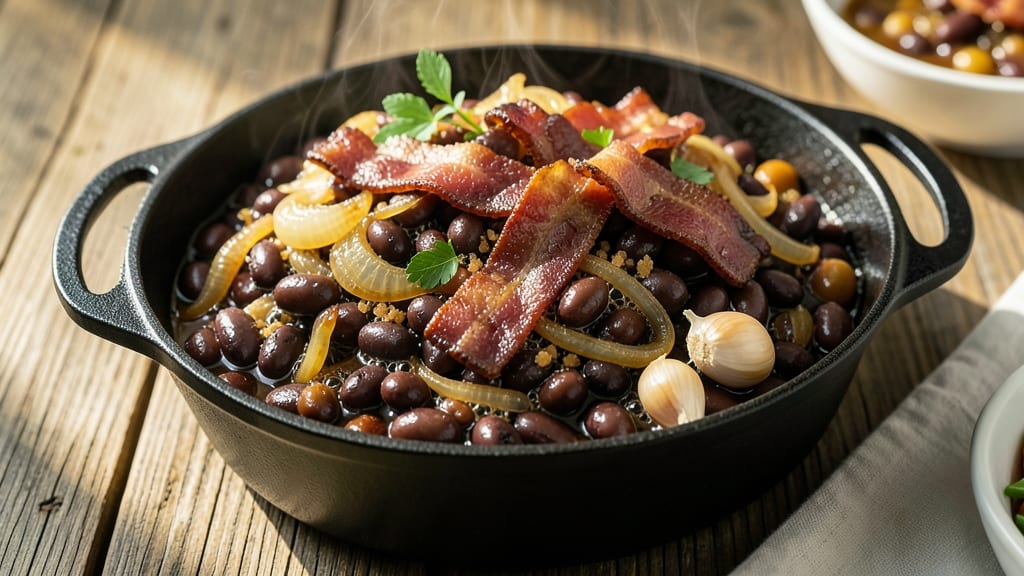
This Boston baked beans recipe in a bean pot transforms humble navy beans into a rich, molasses-kissed side dish that’s become a New England staple. The slow cooking in a bean pot develops deep, caramelized flavors that balance sweet and smoky notes perfectly—no shortcuts can replicate that authentic taste.
What makes this dish special is its history: born from Puritan ingenuity to stretch meats during long winters, it’s now a centerpiece for holidays and backyard cookouts alike.
The secret lies in the slow simmer—3 to 4 hours—where beans soften while absorbing the molasses, brown sugar, and bacon fat. Unlike quick versions, this method creates a sauce thick enough to coat every bean, with edges that crisp slightly from the pot’s edges.
The result? A dish so tender and flavorful it earns its place alongside roasted meats at any table.
What you’ll end up with is a pot of deep amber beans glistening with caramelized edges, their texture creamy yet holding shape. The aroma alone—smoky from the bacon, sweet from the molasses—will have everyone gathering around the table.
This isn’t just a side; it’s a tradition, and it’s easier to make than you’d think.
Serve warm with cornbread or alongside ham for a meal that tastes like home. The best part? Leftovers only get better as the flavors meld further. Ready to master this classic? Let’s get started.
Ingredients for boston baked beans recipe bean pot
Humble navy beans, smoky bacon, and rich molasses create this iconic New England dish.
| Ingredient | Amount | Notes |
|---|---|---|
| Navy Beans 🌱 | 2 cups | Dried, soaked overnight |
| Unsmoked Bacon 🥓 | 1 ½ lb | Thick-cut, chopped into pieces |
| Molasses 🍯 | ½ cup | Unsulphured for best flavor |
| Brown Sugar 🍚 | ½ cup | Light or dark, packed |
| Onion 🧅 | 1 whole | Yellow, chopped |
| Garlic Cloves 🧄 | 4 cloves | Minced for depth |
| Mustard 🌶️ | 2 tbsp | Yellow, whole grain preferred |
| Apple Cider Vinegar 🍎 | 2 tbsp | For tangy balance |
| Ground Black Pepper 🌶️ | 1 tsp | Freshly cracked |
| Salt 🧂 | 1 ½ tsp | Kosher or sea salt |
| Water 💧 | 4 cups | For soaking beans |
| Bean Pot 🍲 | 1 whole | Cast iron or ceramic |
The bacon is non-negotiable here—thick-cut, unsmoked delivers the best smoky depth without overpowering. Grab it from the butcher counter if possible; pre-packaged often uses thinner cuts. For the beans, navy beans are traditional, but Great Northern or pinto work too. Soak them overnight in 4 cups water—this cuts cooking time and prevents bloating. The molasses should be unsulphured (check the label)—sulphured molasses has a harsh aftertaste that ruins the balance. If you can't find it, blackstrap molasses is the next best option, but use half the amount. The brown sugar adds caramelization, so don't skip the packed measurement—it makes a difference in texture.
No molasses? Maple syrup or honey (if not vegan) can substitute at a 1:1 ratio, but the flavor won't be identical. Running short on bacon? Smoked paprika (1 tsp) + a splash of liquid smoke mimics the smokiness, though nothing beats the real thing. The mustard is key—whole grain has visible seeds that add texture, but regular works fine. For vinegar, apple cider vinegar is best, but white vinegar in a pinch won't ruin the dish. The bean pot? If you don't have one, a cast-iron skillet or Dutch oven works just as well—just monitor the edges for caramelization. Pro tip: Chop the bacon first before adding to the pot to render fat efficiently.
Leftovers? Even better the next day—the flavors deepen as the beans absorb more of the caramelized sauce. Store in an airtight container for up to 5 days in the fridge. For longer storage, freeze in portions—they keep for 3 months and reheat beautifully. The sauce thickens as it cools, so add a splash of water or broth when reheating if needed. Serve with cornbread or crusty bread to soak up every last bit of that deep amber sauce. The caramelized edges from the pot are the best part—don't scrape them out!
Why You'll Love This Recipe
- One-Pot Magic: I swear by this recipe because it’s literally dump-and-bake. No fancy techniques—just chop an onion, fry up some bacon, toss in the beans and sauce, and let the oven do the work. My slow cooker’s seen better days, but this? It’s my new go-to when I’d rather scroll than stir.
- Sweet-Savory Crunch: That molasses and brown sugar combo? Chef’s kiss. The bacon gets crispy enough to crunch, while the beans soften into something rich and caramelized. Honestly, I’ll eat it straight from the pot—no shame here.
- Tailgate or Tuesday: Serve it with hot dogs at a game, spoon it over grilled cheese for lunch, or pack it in a thermos for a picnic. Between us, it’s the star of my lazy Sunday brunches too. The onions caramelize just enough to add depth without overpowering.
- Budget-Friendly Feast: Navy beans and bacon stretch this into a full meal for half the cost of takeout. Leftovers? They taste even better the next day, especially reheated with a splash of water. My wallet and my freezer thank me every time.
Step-by-step instructions for slow-simmered Boston baked beans
Here's how to achieve that signature molasses depth and tender texture in your bean pot.
Prepare the Beans and Soak Overnight
Place the 2 cups of dried navy beans in the bean pot and cover them completely with the 4 cups of water. Let them soak overnight at room temperature - this ensures even cooking and eliminates the need for long pre-soaking on the stove. The beans should double in size and become pliable when pressed between your fingers after soaking.
Drain and rinse the soaked beans thoroughly before adding them to your pot. This removes any excess starch that could make your beans gummy. I like to give them a quick rinse under cold water while gently rubbing them between my fingers to remove any loose skins. This small step makes a noticeable difference in the final texture.
Cook the Bacon and Build the Flavor Base
In a large skillet, cook the 1.5 lb of chopped unsmoked bacon over medium heat until it's crispy and the fat has rendered out. This should take about 10-12 minutes. The bacon will release about 4-5 tablespoons of fat - don't drain this as we'll use it to build flavor. Transfer the cooked bacon to a paper towel-lined plate to drain, leaving the fat in the skillet.
Reduce the heat to medium-low and add the chopped onion to the bacon fat. Cook for 5-6 minutes until the onions are soft and translucent. Add the 4 cloves of minced garlic and cook for another 30 seconds until fragrant. This aromatic base forms the flavor foundation for your beans.
Combine All Ingredients in the Bean Pot
Return the cooked bacon to the bean pot along with the cooked onions and garlic. Add the drained navy beans, 0.5 cup of molasses, 0.5 cup of brown sugar, 2 tablespoons of mustard, 2 tablespoons of apple cider vinegar, 1.5 teaspoons of salt, and 1 teaspoon of ground black pepper. Stir everything together gently but thoroughly to combine all the ingredients.
The mixture will look thick and syrupy at this stage. This is normal - the beans will absorb the liquid as they cook. Make sure the molasses and brown sugar are fully incorporated so they dissolve completely during cooking. The vinegar will add a subtle tang that balances the sweetness.
Simmer Until Tender and Flavorful
Place the bean pot in a preheated 325°F oven and cover tightly with a lid. Bake for 3 hours, then stir the beans thoroughly to ensure even cooking. Return to the oven and bake for another 2-3 hours or until the beans are fork-tender with no hard centers. The beans should be falling apart easily when pierced with a fork.
The beans are done when they've absorbed all the liquid and developed a thick, glossy coating. The molasses will have caramelized slightly, giving the beans their signature rich color and depth of flavor. If the top starts to brown too quickly, tent with foil to prevent burning while maintaining the moist environment.
Rest and Serve with Perfect Texture
Remove the beans from the oven and let them rest in the pot for 15-20 minutes before serving. This resting period allows the flavors to meld completely and gives the beans time to absorb any remaining juices. The beans should be thick enough to hold their shape when spooned but still tender enough to fall apart easily.
Serve the beans hot from the pot, spooning them directly onto plates. The perfect Boston baked beans should have a thick, glossy sauce that clings to each bean. The sweetness from the molasses and brown sugar should be balanced by the smoky bacon and tangy vinegar. Each bite should deliver that classic combination of textures - tender beans with a slightly crispy edge from the caramelized molasses.
Pro Tips For Making Boston Baked Beans Recipe Bean Pot
- Crack the Bacon Slow: I learned this the hard way—crisping bacon first steals all its smoky fat, leaving your beans tasting like they’re missing half their soul. Instead, render the bacon low and slow (250°F) until it’s just starting to brown, then drain all but 2 tablespoons of fat. That remaining fat is the glue holding your bean pot together.
- Soak Beans Overnight (Yes, Even Navy): Navy beans are tough, and skipping the soak means your beans will stay stubbornly undercooked or turn to mush. Toss them in water with a pinch of salt the night before—no fancy ratios, just cover by 2 inches. By morning, they’ll be plump and ready to absorb all that molasses-bacon magic without fighting you.
- Balance the Sweet Early: Dump all the molasses and brown sugar in at once, and you’ll end up with a syrup bomb. Instead, add half the molasses and sugar with the onions, simmer for 10 minutes, then taste. Adjust sweetness before the beans go in—once they’re in the pot, it’s too late to fix a cloying or underseasoned mess.
- Save the Bacon Grease: That bacon fat isn’t just for flavor—it’s the non-negotiable moisture lock for your beans. After draining the bacon, scrape the pot clean with a paper towel to catch every last drop, then use it to deglaze the pot before adding broth. (Yes, even if you’re in a hurry—this is the thing that matters most.)
Serving suggestions for leftovers
Classic Pairings
Serve your Boston baked beans alongside crispy cornbread—the slightly sweet, crumbly texture contrasts perfectly with the beans' rich molasses depth. I like to make a batch of stone-ground cornbread with honey butter for dipping.
Another classic is smoked ham or pulled pork, which mirrors the smoky-sweet flavor profile of the beans. 🥓
Bread and Cheese
For a heartier meal, pair these beans with sourdough bread or crusty French baguette. The crusty exterior soaks up the caramelized sauce beautifully while the soft interior balances the beans' texture.
Add a wedge of sharp cheddar or Gouda on the side for a cheesy contrast that elevates the dish. 🧀
Seasonal Vegetables
In summer, add grilled zucchini or corn on the cob to the table. The fresh, slightly charred vegetables cut through the beans' richness. For fall, roasted sweet potatoes or caramelized Brussels sprouts add a hearty, earthy complement.
I often serve them with a sprinkle of fresh parsley for a pop of color. 🌽
Dessert Balance
End the meal with something light to balance the beans' sweetness. A simple apple crumble with vanilla ice cream or pecan pie lets the molasses flavors shine. The tartness of apples or the nuttiness of pecans provides a refreshing contrast. 🍏
Drink Pairings
For beverages, a bold red wine like Cabernet Sauvignon or Zinfandel complements the smoky, sweet flavors. If you prefer beer, a hoppy IPA or amber ale cuts through the richness. For a non-alcoholic option, sparkling apple cider or iced tea with lemon keeps the meal refreshing. 🍷
Nutrition facts
Frequently asked questions
Why do I need to soak the beans overnight?
Soaking overnight in 4 cups water softens the beans and cuts cooking time by 1-2 hours. This prevents gummy texture and ensures even tenderness. The beans should swell to about double their original size. Skipping this step can leave your beans tough and undercooked, no matter how long you bake them.
Can I substitute molasses in this recipe?
Yes, but the flavor will change. Use ½ cup maple syrup or honey (if not vegan) for a 1:1 swap, but expect a lighter sweetness without molasses' deep caramel notes. For a closer match, try blackstrap molasses (use half the amount) or a mix of brown sugar + 1 tbsp vinegar to mimic the tang.
What if my beans aren't tender after 5 hours?
Add ½ cup hot water to the pot, cover tightly, and bake for another 30-60 minutes. If they're still firm, check for over-salting (too much salt hardens beans). For stubborn cases, mash a few beans with a fork to help others soften. The beans should be creamy but hold their shape—never mushy.
How do I prevent the top from burning in the bean pot?
Use a light-colored oven-safe lid (or tent with foil) after the first 2 hours to reflect heat. Stir the beans every 30 minutes to distribute the sauce evenly. If the top browns too quickly, reduce oven temp to 300°F for the final hour. The goal is a glossy, caramelized crust—not charred edges.
Can I make these in a slow cooker instead?
Follow the same steps, but cook on Low for 8-10 hours or High for 5-6 hours. Add ½ cup water halfway through if needed. The slow cooker’s gentle heat enhances the molasses flavor, but the bean pot’s edges create a deeper caramelization. For extra richness, finish with 10 minutes in a 400°F oven to crisp the top.