
Sauces & Condiments
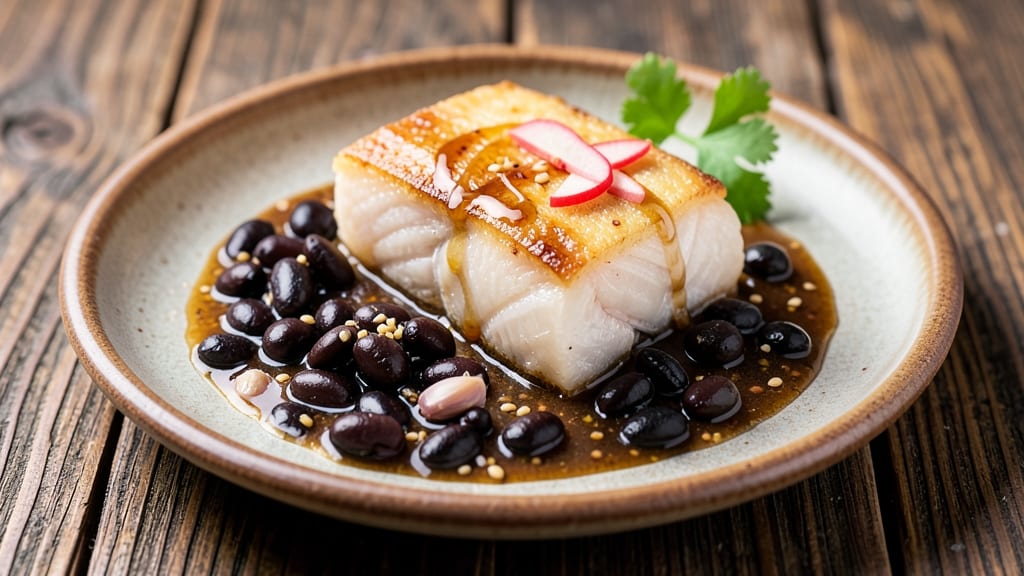
This braised fish with black bean sauce delivers flaky perfection where tender fish melts in your mouth while soaking up a rich, umami-packed sauce. 🌟 The secret lies in balancing sweet black beans with aromatic spices and a touch of acidity—transforming simple ingredients into a restaurant-worthy dish that's surprisingly easy to recreate at home.
What sets this recipe apart is the slow braising process, which infuses the fish with deep, complex flavors without overpowering its natural delicacy.
The dish begins with searing firm white fish fillets—like cod or halibut—until golden, then simmering them in a velvety sauce made from black beans, soy sauce, ginger, and a hint of brown sugar. This method ensures the fish stays moist while absorbing the sauce's rich, savory notes.
The result? A harmonious blend of textures and flavors where each bite offers tender fish, silky sauce, and subtle crunch from the black beans.
What makes this recipe particularly special is its versatility—it's equally at home as a centerpiece for a pescatarian dinner or as part of a larger Asian-inspired feast. The sauce's depth allows it to pair beautifully with steamed greens, jasmine rice, or even noodles, making it adaptable to any meal plan.
The process, while methodical, is straightforward, ensuring even home cooks can achieve professional-quality results with minimal effort.
By the time you plate this dish, you'll have a visually stunning presentation with golden fish nestled in a glossy, dark sauce that's as impressive as it is delicious. The contrast between the fish's delicate flakiness and the sauce's velvety richness creates a dining experience that's both comforting and sophisticated.
Ready to elevate your weeknight dinners with this foolproof technique?
Ingredients for braised fish with black bean sauce
Gather these ingredients for a dish where delicate fish meets velvety black bean sauce.
| Ingredient | Amount | Notes |
|---|---|---|
| Firm White Fish Fillets 🐟 | 1 ½ lb | Cod or halibut preferred, skin-on |
| Black Beans 🌱 | 1 cup | Drained and rinsed, canned |
| Light Soy Sauce 🍶 | ⅓ cup | Kikkoman preferred for balance |
| Fresh Ginger 🌿 | 2 tbsp | Finely grated, fresh preferred |
| Brown Sugar 🍯 | 2 tbsp | Light or dark, packed |
| Garlic Cloves 🧄 | 4 cloves | Minced, fresh preferred |
| Green Onions 🧅 | ¼ cup | Sliced, white and green parts |
| Sesame Oil 🫒 | 1 tbsp | Toasted, for aroma |
| Vegetable Oil 🫒 | 2 tbsp | High smoke point, neutral |
| Cornstarch 🌾 | 1 tbsp | For sauce thickening |
| Water 💧 | ½ cup | For cornstarch slurry |
| Red Wine Vinegar 🍷 | 1 tbsp | For acidity balance |
| Salt 🧂 | 1 tsp | Kosher or sea salt |
| Black Pepper 🌶️ | ½ tsp | Freshly ground preferred |
| Jasmine Rice 🍚 | 1 cup | Uncooked, for serving |
The fish is the foundation—cod or halibut with skin-on fillets delivers the best texture. Look for fresh, firm fillets at your local seafood counter or Whole Foods seafood section, where they're typically pre-cut for convenience. If buying whole, ask for center-cut fillets to avoid bones. The black beans should be low-sodium canned—rinsing removes excess salt. For ginger, freshly grated makes all the difference; pre-minced lacks the bright aroma. Kikkoman soy sauce is my go-to for its clean, balanced flavor, but any light soy will work. Store fish in the coldest part of your fridge and use within 2 days for peak freshness.
No cod or halibut? Mahi-mahi or snapper work well as substitutes, though they may cook faster. Swap black beans for adzuki or kidney beans if preferred, but rinse thoroughly to remove any bitterness. Substitute tamari for soy sauce if gluten-free is needed. For the ginger, 1 tsp ground ginger can replace the fresh, though it lacks complexity. The cornstarch slurry is key for thickening—don't skip it. If you're short on time, 1 tsp arrowroot powder works too. The sesame oil should be toasted—Trader Joe's carries a great pre-toasted version that simplifies prep. For extra depth, add 1 tsp fish sauce (like Red Boat) to the sauce, but omit if avoiding strong umami.
This dish reheats beautifully—gentle warming on the stove preserves the sauce's silkiness. Store leftovers in an airtight container for up to 3 days in the fridge, though the sauce thickens slightly upon reheating. For longer storage, freeze portions for up to 2 months—just thaw overnight in the fridge. The jasmine rice can be pre-cooked and reheated separately, or use leftover rice to save time. Garnish with extra green onions and a drizzle of sesame oil just before serving to keep everything vibrant. The sauce also pairs wonderfully with steamed bok choy or egg noodles for a complete meal.
Why You'll Love This Recipe
- Here’s what sold me: this keeps perfectly for days, so I make a big batch and portion it into containers. The sauce clings to the fish, and the ginger keeps it tasting fresh—great for packed lunches or when my college-aged kid forgets to eat.
- One-Pan Magic: I swear by this recipe when I’m too tired to scrub pots—just toss everything in one deep skillet, let the ginger and soy sauce work their magic, and walk away. The fish stays tender while the black beans soak up all the caramelized goodness.
- Sweet-Savory Balance: That first bite? The crispy edges on the fish, the deep umami from the black beans, and the brown sugar cutting through with just the right sweetness—it’s like someone took all my favorite flavors and married them. (Yes, even on a Tuesday night.)
- Lunchbox Hero: Here’s what sold me: this keeps perfectly for days, so I make a big batch and portion it into containers. The sauce clings to the fish, and the ginger keeps it tasting fresh—great for packed lunches or when my college-aged kid forgets to eat.
Step-by-step instructions for braised fish with black bean sauce
Master this technique for perfectly tender fish with a rich, velvety sauce every time.
🍳 Step 1: Prepare the Fish and Aromatics
Pat the 1.5 lb firm white fish fillets dry with paper towels—this ensures a better sear and prevents steam from making the sauce watery. Season both sides generously with 1 tsp salt and 0.5 tsp black pepper, pressing gently to adhere. Set aside at room temperature while you prep the aromatics.
In a small bowl, combine the 1 cup black beans, 0.33 cup light soy sauce, 2 tbsp brown sugar, and 1 tbsp red wine vinegar. Mix well and set aside. For the aromatics, finely grate the 2 tbsp fresh ginger and mince the 4 cloves garlic. Slice the 0.25 cup green onions into ¼-inch pieces, separating the white and green parts.
🔥 Step 2: Build the Sauce Base
Heat 2 tbsp vegetable oil in a large, deep skillet over medium heat until shimmering. Add the ginger and garlic, cooking for 1-2 minutes until fragrant but not browned—this prevents bitterness. Pour in the black bean mixture and stir to combine. Simmer for 3-4 minutes until slightly thickened and the flavors meld.
In a small bowl, whisk together the 1 tbsp cornstarch and 0.5 cup water to create a smooth slurry. Slowly pour this into the simmering sauce while stirring constantly. Cook for another 2-3 minutes until the sauce thickens to a glossy, spoonable consistency. Remove from heat and stir in the 1 tbsp sesame oil—this adds depth and aroma.
🥘 Step 3: Braise the Fish to Perfection
Return the skillet to medium heat and carefully add the seasoned fish fillets, skin-side down if they have skin. Cook undisturbed for 2-3 minutes until the skin is golden and crispy (if using skinless fillets, flip once for even browning). Pour the sauce over the fish, spooning it evenly to coat both sides completely.
Cover the skillet with a lid and reduce heat to low. Simmer gently for 8-10 minutes—the fish is done when it flakes easily with a fork and reaches an internal temperature of 145°F. Avoid overcooking; the fish continues cooking slightly from residual heat. Sprinkle the white parts of the green onions over the top during the last 2 minutes of cooking.
🍽️ Step 4: Serve with Jasmine Rice
Transfer the fish to a serving platter, spooning the sauce over the top. Garnish with the remaining green onion greens for color and freshness. Cook the 1 cup jasmine rice separately according to package instructions—it should be fluffy and slightly underdone for optimal texture.
Serve the braised fish immediately over the rice, allowing guests to spoon the rich black bean sauce over their portions. The fish should be tender enough to pull apart with a fork, with a delicate balance of flaky texture and silky sauce clinging to each bite. Save any leftover sauce for quick stir-fries or as a dipping sauce.
Pro Tips For Making Braised Fish With Black Bean Sauce
- SEAR THE FISH FIRST: I learned this the hard way—skipping the sear means the fish absorbs sauce like a sponge and turns mushy. Hit medium-high heat with 1 tablespoon oil (neutral like vegetable or peanut), then cook the fish skin-side down for 2-3 minutes until golden. It adds texture and keeps the fillets intact during braising.
- SOAK BEANS OVERNIGHT: Dry black beans? Toss them in water for at least 8 hours—or overnight if you’re like me and forget to start dinner early. This cuts cooking time by half and prevents that mealy texture. Drain and rinse before using, and don’t skip the soak—even if you’re in a hurry.
- CONTROL THE SOY SAUCE: Light soy sauce is salty, so start with 1 tablespoon and taste as you go. If you add all 3 tablespoons upfront, you’ll regret it later. Better yet, mix it with the ginger and brown sugar first to balance flavors before pouring over the fish.
- LOW AND SLOW AFTER SEARING: After searing, drop the heat to low and cover the pan. The fish needs 8-10 minutes to poach gently in the sauce, not boil. I used to rush it, and the fish would flake apart. Patience here means tender, not falling-apart fillets.
Serving suggestions for this braised fish with black bean sauce
Rice Pairing Perfection
Jasmine rice is my go-to for this dish—its delicate floral aroma and slightly sticky texture soak up the black bean sauce beautifully. Cook 1 cup uncooked jasmine rice with 1.5 cups water (or follow package instructions) until just tender, then fluff with a fork.
The rice should be warm but not mushy when serving. For extra flair, mix in 1 tsp toasted sesame seeds and a pinch of salt before plating. 🍚
Steamed Greens Contrast
Bright, crisp greens like bok choy or broccolini cut through the richness of the braised fish. Steam 4 cups chopped bok choy or 1 bunch broccolini for 3-4 minutes until vibrant green but still crisp.
Toss with 1 tsp sesame oil and a squeeze of lemon juice before serving. The acidity balances the sauce's sweetness while adding freshness. I often serve this on the side for a complete, balanced plate.
Crispy Noodle Twist
For a lighter alternative, stir-fry 8 oz rice noodles with 1 tbsp vegetable oil until just tender, then toss with 1 tsp soy sauce and 1 tsp sesame oil. Top with extra green onions and a drizzle of the black bean sauce.
The noodles add a fun texture contrast while keeping the meal light yet satisfying. This works especially well for summer dinners when you want something quick and refreshing.
Garnish Like a Pro
Finish your dish with visual pops that elevate the presentation. Sprinkle extra green onions over the fish and sauce, then add a drizzle of sesame oil and a pinch of toasted sesame seeds.
For heat, scatter ½ tsp crushed red pepper flakes—just enough to add a subtle kick without overpowering. I also love adding ¼ cup cilantro leaves for a fresh herbal note that brightens the rich flavors.
Sauce on the Side
Offer the black bean sauce as a dipping sauce for guests who prefer it separate. Warm any leftover sauce gently on the stove and adjust seasoning with a splash of water or extra soy sauce if needed.
Serve in small bowls with steamed dumplings or crispy spring rolls for an interactive dining experience. This lets everyone customize their portion of sauce to taste.
Bread Basket Addition
No braised fish meal is complete without a basket of warm bread to soak up those last drops of sauce. Try garlic naan or baguette slices toasted with butter and garlic powder.
The bread's heartiness complements the dish's delicate flavors while giving guests something to mop up every last bit of the velvety sauce. 💛
Nutrition facts
Frequently asked questions
What type of fish works best for this braised dish?
Firm white fish like cod or halibut are ideal—they hold up beautifully during the 8-10 minute braising time without falling apart. For quicker cooking options, try mahi-mahi or snapper, but reduce braising time to 6-7 minutes to avoid overcooking. Always use fresh, skin-on fillets for the best texture and flavor.
Can I make this recipe with canned fish instead of fresh?
Fresh fish is ideal for this dish, but you can use high-quality canned fish like tuna or salmon in a pinch. Drain the fish well and pat it dry before adding to the sauce. For best results, increase braising time by 2-3 minutes to ensure the sauce fully infuses the fish.
How do I adjust the sauce if it's too thick or too thin?
If the sauce is too thick, thin it with 1-2 tablespoons of water or fish stock while stirring constantly. For a thicker sauce, mix ½ teaspoon cornstarch with 1 teaspoon water and stir into the simmering sauce until it reaches your desired consistency. Always adjust gradually to avoid overcorrecting.
Can I prepare this dish ahead of time?
Yes! The sauce can be made up to 2 days in advance and stored in an airtight container in the fridge. Reheat gently on the stove, adding a splash of water if needed. For the fish, braise it just before serving to maintain its delicate texture. The sauce reheats beautifully, but the fish is best enjoyed fresh.
What can I substitute for black beans if I can't find them?
Adzuki beans or kidney beans work well as substitutes, but rinse them thoroughly to remove excess starch. For a non-bean option, try blending ½ cup cooked lentils with 1 tablespoon soy sauce to mimic the bean's texture and umami. Adjust the sauce consistency with a cornstarch slurry if needed.