
Main Courses
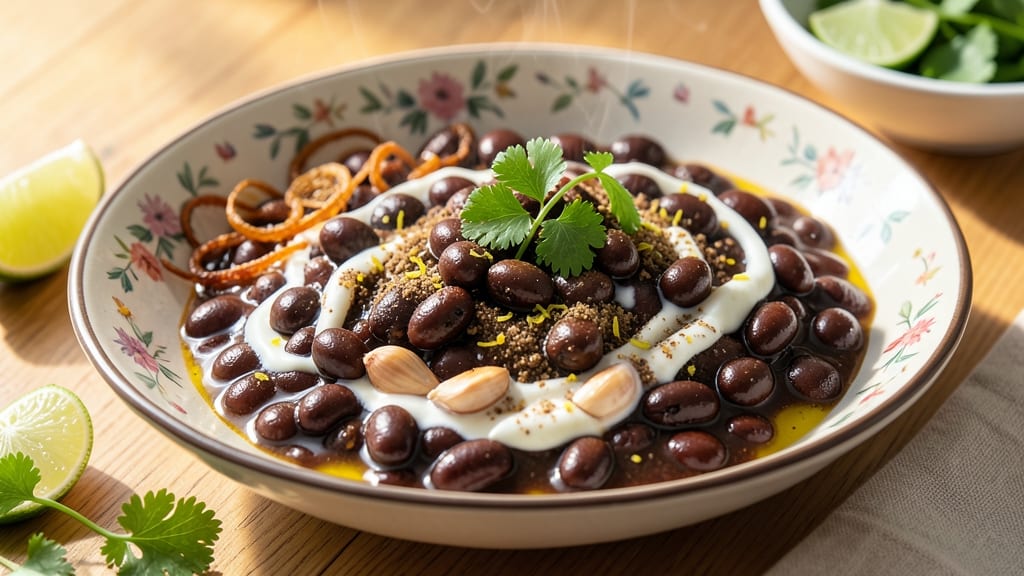
This Brazilian black bean vegetarian recipe brings the soul of feijoada to your table without a single piece of meat. 🌿 The secret lies in coconut milk and lime zest, which transform traditional black beans into something rich, creamy, and full of tropical brightness—while toasted coconut adds a satisfying crunch.
I developed this version after years of perfecting the balance between hearty texture and vibrant flavors, inspired by the way Brazilian home cooks elevate simple ingredients with bold techniques.
The beauty of this dish is in its simplicity: black beans simmered with garlic, cumin, and bay leaves until tender, then enriched with coconut milk and lime for that signature creamy-tangy profile. The dish comes together in one pot, making it perfect for weeknight dinners or meal prep.
What makes it truly special is how the toasted coconut on top adds both texture and a subtle sweetness that cuts through the earthy beans.
What you'll end up with is a restaurant-quality vegetarian stew that's hearty enough for a main course but light enough for lunch. The beans stay tender yet firm, the sauce is velvety without being heavy, and every bite delivers layers of flavor from the spices, citrus, and coconut.
Serve it with steamed rice and a side of collard greens for the full Brazilian experience.
This recipe is also incredibly adaptable—swap the smoked tofu for crispy bacon if you're not strictly vegetarian, or add diced tomatoes for extra brightness. The key is letting the flavors meld during the long simmer, which transforms simple ingredients into something deeply satisfying. Let's get cooking!
Ingredients for brazilian black bean recipe vegetarian
Pantry staples meet tropical flavors in this vegetarian Brazilian black bean dish.
| Ingredient | Amount | Notes |
|---|---|---|
| Black Beans (Dry) 🌱 | 1 ½ cups | Uncooked, rinsed well |
| Coconut Milk 🥥 | 1 can | Full-fat, 13.5 oz can |
| Lime Zest 🍋 | 1 tbsp | Freshly grated zest |
| Lime Juice 🍋 | ¼ cup | Freshly squeezed |
| Garlic Cloves 🧄 | 4 cloves | Minced for depth |
| Ground Cumin 🌿 | 1 tbsp | Toasted for aroma |
| Bay Leaves 🌿 | 2 whole | Fresh preferred |
| Toasted Coconut 🥥 | ¼ cup | Unsweetened, finely chopped |
| Smoked Tofu 🍄 | ½ lb | Cubed for protein |
| Olive Oil 🫒 | 2 tbsp | Extra-virgin preferred |
| Salt 🧂 | 1 ½ tsp | Kosher or sea salt |
| Black Pepper 🌶️ | ½ tsp | Freshly ground |
| Vegetable Broth 💧 | 2 cups | Low-sodium preferred |
| Fresh Cilantro 🌿 | ¼ cup | Chopped, for garnish |
The black beans are the heart of this dish, so pick high-quality dry beans—they simmer better than canned. Bob's Red Mill or Trader Joe's organic beans work perfectly. For the coconut milk, full-fat is a must—it creates that signature creamy texture. I always grab the 13.5 oz canned version from the Latin market section, as it's richer than the lighter brands. The lime zest needs to be freshly grated—pre-grated zest loses its vibrant punch quickly. Toast your cumin seeds in a dry pan for 30 seconds before grinding for a deeper flavor, but pre-ground works in a pinch.
No smoked tofu? Swap in crispy baked tempeh or even extra-firm tofu marinated in soy sauce and smoked paprika. Running low on lime zest? Double the lime juice and add a pinch of sugar to balance. The vegetable broth can be homemade or store-bought—just check that it's low-sodium. For the toasted coconut, unsweetened is key—it adds texture without overpowering. If you can't find it pre-toasted, lightly brown it in a dry skillet for 3-4 minutes until golden. The bay leaves should be removed before serving, but don't skip them—they add earthy depth to the broth.
This stew tastes even better the next day as flavors meld. Store in an airtight container for 4-5 days in the fridge, or freeze for 3 months. I like to portion it into meal prep containers with a side of rice—just reheat with a splash of water or broth. The toasted coconut keeps well in a sealed jar for 2 weeks at room temperature. For extra brightness, add a squeeze of lime right before serving—trust me on this. Leftovers reheat beautifully, and the flavors only get more complex over time.
Why You'll Love This Recipe
- No-Soaking Needed: I swear by this shortcut—just toss the dry black beans in a pot with water, lime zest, and a splash of coconut milk overnight. Wake up to pre-soaked beans, no extra effort.
- Creamy Without Dairy: That rich coconut milk transforms simple beans into something velvety and satisfying. The lime zest brightens it up so much, you’ll forget it’s vegetarian.
- Lunchbox to Dinner Party: Pack it for work or serve it at a gathering—same dish, different vibes. The garlic and lime keep it fresh-tasting, whether it’s reheated or eaten fresh.
- Pantry Staple Magic: I’ve made this three times this month with ingredients I already had. Budget-friendly, filling, and never boring—just black beans, coconut milk, and a little citrus zest.
Step-by-step instructions for Brazilian black bean coconut-lime stew
Here's how to craft this vibrant, creamy stew with perfect texture and balanced flavors.
🍳 Step 1: Sauté Aromatics and Toast the Cumin
Heat the 2 tablespoons olive oil in a large pot over medium heat. Add the 4 cloves minced garlic cloves and the 2 whole bay leaves, cooking for 1-2 minutes until the garlic becomes fragrant but doesn't brown. This prevents bitterness and builds flavor foundation.
Next, add the 1 tablespoon toasted ground cumin. Toast it for 30 seconds until you can smell its warm, earthy aroma wafting through your kitchen. This step unlocks the cumin's full potential—don't skip it. The spices should sizzle gently without burning.
🍳 Step 2: Cook the Smoked Tofu Until Golden
Push the aromatics to one side of the pot and add the 0.5 lb cubed smoked tofu in a single layer. Cook undisturbed for 4-5 minutes until the tofu develops a golden-brown crust on all sides. This creates texture contrast against the creamy sauce. Flip the tofu pieces carefully with a spatula.
Once golden, remove the tofu with a slotted spoon and set aside. The residual heat will keep it warm while you build the sauce. If the pot looks dry, add 1 tablespoon vegetable broth to prevent sticking. This step ensures your protein won't be soggy in the final dish.
🍳 Step 3: Simmer the Black Beans Until Tender
Add the 1.5 cups rinsed black beans, 2 cups vegetable broth, 1.5 teaspoons salt, and 0.5 teaspoon black pepper to the pot. Bring to a boil, then reduce heat to medium-low and simmer uncovered for 45-50 minutes, stirring occasionally. You want the beans to become fork-tender with just a slight bite remaining.
Here's the thing—don't rush this step. The beans should break down slightly but maintain their shape. If they're still rock-hard after 50 minutes, add another ½ cup vegetable broth and continue cooking. The beans should absorb the broth but remain intact, creating a thick, hearty base.
🥘 Step 4: Build the Creamy Coconut-Lime Sauce
Stir in the 1 can coconut milk, 0.25 cup lime juice, and 1 tablespoon lime zest. Bring to a gentle simmer and cook for 10-12 minutes until the sauce thickens slightly. The lime zest will infuse the coconut milk with bright citrus notes while the juice adds tangy balance.
Return the smoked tofu to the pot and gently stir to coat everything in the creamy sauce. Taste and adjust seasoning—you might need a pinch more salt or lime juice to achieve the perfect balance. The sauce should be thick enough to coat the back of a spoon but still spoonable.
🔪 Step 5: Finish with Toasted Coconut and Fresh Cilantro
Remove the 2 whole bay leaves and stir in the 0.25 cup toasted coconut. This adds a delightful crunch that contrasts beautifully with the creamy sauce. Cook for just 1 minute to warm through—any longer and the coconut will lose its texture.
Finally, stir in the 0.25 cup chopped fresh cilantro just before serving. This bright green garnish adds freshness that cuts through the richness. Ladle the stew into bowls and serve immediately, with extra toasted coconut sprinkled on top for that final textural pop.
Pro Tips For Making Brazilian Black Bean Recipe Vegetarian
- SOAK BEANS OVERNIGHT: I learned this the hard way—rushing the soak with dry black beans leaves you with tough, uneven texture. Toss them in plenty of water (at least 3:1 ratio) and let them sit 12+ hours. The longer they soak, the creamier your final dish will be, and you’ll skip the long simmer that can turn beans mushy.
- SAUTÉ GARLIC LOW: After burning three batches, I finally figured out garlic in coconut milk needs gentle love. Cook minced cloves in oil over medium-low heat until just golden—no browning. High heat turns garlic bitter, and coconut milk will fight back with a weird, off flavor. Keep it patient.
- ZEST FIRST, JUICE LAST: My grandmother swore by this, and she was right: add lime zest to the pot before the coconut milk, but hold off on juice until the very end. Zest brightens the beans early, but fresh juice curdles coconut milk if added too soon. Save the juice for the last 5 minutes—it’ll keep the sauce silky.
- USE FULL-FAT COCONUT MILK: I was skeptical until I tried it—light coconut milk makes this dish taste like it’s missing something. Full-fat (400ml can) adds richness that balances the acidity of lime and the earthiness of beans. No substitutions here; the creaminess is non-negotiable for that authentic Brazilian depth.
Regional styles of this brazilian black bean recipe vegetarian
Bahian Feijoada Vegetariana
In Bahia, Brazil’s northeastern heartland, feijoada traditionally features pork and beef—but Bahian cooks have long adapted it with local vegetables like okra and collard greens. For a vegetarian twist, Bahians often add dende oil (palm oil) for its rich, caramel-like flavor, which replaces the smoky notes from traditional pork fat.
I’ve seen home cooks in Salvador use ½ cup dende oil sautéed with garlic and onions as the flavor base, then build the stew around it. The result is a deeper, almost buttery richness that still feels authentic. 🌶️
Minas Gerais Hearty Version
Minas Gerais, Brazil’s food-and-wine region, leans into rustic simplicity with their vegetarian feijoada. Here, you’ll find freshly ground farofa (toasted cassava flour) mixed into the beans at the end for a nutty crunch.
The Minas Gerais approach also includes sautéed onions and tomatoes> as the aromatic base instead of garlic-heavy foundations. I love how this version balances the earthy beans with the sweetness of tomatoes and the crunch of farofa—it’s like a warm hug in bowl form.
The key is toasting the farofa in butter or olive oil> until golden before stirring it in.
Rio de Janeiro Tropical Twist
Rio’s coastal cuisine brings vibrant citrus and seafood-inspired flavors to vegetarian feijoada. Here, orange zest> replaces lime for a sweeter, more complex citrus note, and coconut milk> gets swapped for cashew cream> (blended soaked cashews with water) for a lighter, silkier texture.
Rio cooks also incorporate fresh cilantro and parsley> throughout the cooking process, not just as garnish. The result is a brighter, more refreshing dish that feels perfect for summer lunches.
I once had this version at a beachside restaurant in Copacabana—it was so fresh I thought I’d died and gone to citrus heaven.
Southern Brazilian Adaptation
In Brazil’s south, particularly in Porto Alegre, vegetarian feijoada takes on a more robust, almost stew-like quality. Here, sautéed mushrooms> and smoked paprika> (instead of cumin) dominate the flavor profile, while hearty root vegetables> like carrots and turnips get added to the beans during simmering.
The southern approach also includes a thick, chunky tomato sauce> as the base rather than coconut milk. This version has a deeper, almost meaty umami quality that surprises even non-vegetarians.
I’ve made this adaptation with 1 cup diced mushrooms> and 1 tbsp smoked paprika>—it’s become my go-to for chilly evenings.
Amazon Region Wild Harvests
The Amazon region’s vegetarian feijoada incorporates wild, foraged ingredients unavailable elsewhere. Here, tucupi> (a fermented palm sap broth) replaces vegetable broth, and jicama> and yuca (cassava)> get added for texture.
Amazonian cooks also use freshly ground annatto seeds> to color the beans a vibrant yellow, giving them that signature "feijoada look" without any meat. The result is a dish that’s both visually stunning and packed with unique flavors.
For a home version, I’ve used ½ cup vegetable broth mixed with 1 tsp annatto powder> and added ½ cup diced jicama> for a taste of the Amazon’s wild heart.
Nutrition facts
Frequently asked questions
Can I use canned black beans instead of dry?
Yes! For 1.5 cups dry beans, use 3 cups drained canned beans (about 2 cans). Just drain and rinse them well to remove excess sodium. The texture will be slightly softer, but the flavor remains rich. For extra depth, add 1 teaspoon soy sauce to the simmering beans to mimic the umami of smoked tofu.
How do I make this dish spicier?
Add ½ teaspoon cayenne pepper or 1 teaspoon hot sauce when simmering the beans. For authentic Brazilian heat, stir in 1 tablespoon chopped fresh chili peppers (like jalapeño) during the final 10 minutes of cooking. Always taste first—you can adjust as needed!
What’s the best way to store leftovers?
Store in an airtight container in the fridge for 4-5 days. The flavors actually improve overnight! For freezing, portion into meal prep containers with 1 tablespoon coconut milk on top to prevent drying. Reheat gently on the stove with a splash of water or broth—never microwave directly from frozen.
Can I make this gluten-free?
This recipe is naturally gluten-free as long as you use certified gluten-free vegetable broth and check your smoked tofu packaging. For extra safety, toast the cumin in a clean dry pan (no cross-contamination risk). The toasted coconut and lime zest are also gluten-free.
Why did my coconut milk separate?
This happens when coconut milk gets too hot or sits too long. Always stir gently when simmering, and remove from heat before adding lime zest. For a smoother texture, whisk the coconut milk briefly before adding it to the pot. If separation occurs, stir in 1 teaspoon arrowroot powder mixed with 1 tablespoon water to restore creaminess.